





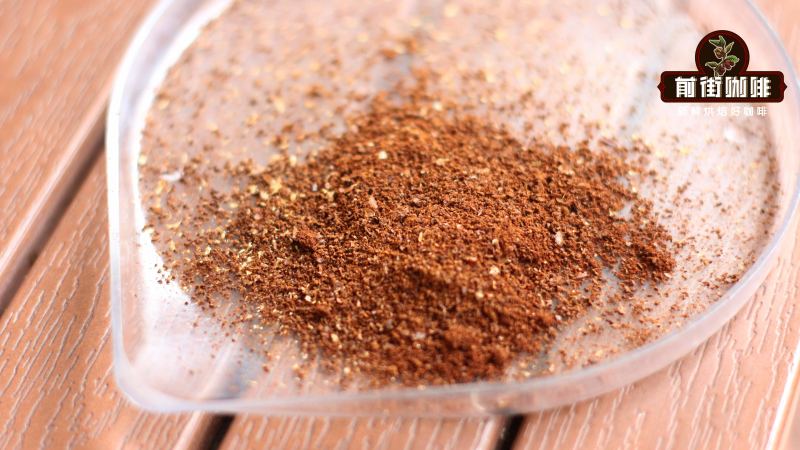
What Should a Coffee Enthusiast Know About Ground Coffee vs Beans?
Whole beans keep their aroma far longer than pre-ground coffee powder, because grinding exposes the oils and accelerates flavor loss. Coffee shops that serve pour-over single-origin coffee often grind right before brewing for this reason. If daily consumption is small, the powder can go stale before the bag is empty, so buying beans and grinding fresh at home preserves more of the original taste.
For a coffee enthusiast, storage matters as much as the grind. Keep grounds or beans in a cool, ventilated, dry place away from direct sunlight, since heat speeds up flavor loss and moisture encourages bacteria and a musty smell. A common pour-over plan uses 15 grams of powder, water at 88°C, and a three-stage pour with a KONO dripper.
Many coffee enthusiasts face a choice when buying coffee: should they buy whole beans or ground coffee powder? From the perspective of flavor preservation, there is a clear difference between the two. This article will analyze the appropriate scenarios for coffee beans and coffee powder, starting from the speed of coffee flavor loss and the actual needs of different consumer groups. It will also explain in detail how to properly store coffee powder after purchase, and use pour-over as an example to fully demonstrate the brewing process and parameters for coffee powder, helping you preserve the best flavor performance of coffee as much as possible in your daily drinking.
For more specialty coffee knowledge, please follow: Front Street Coffee ( Frontsteet Coffee )
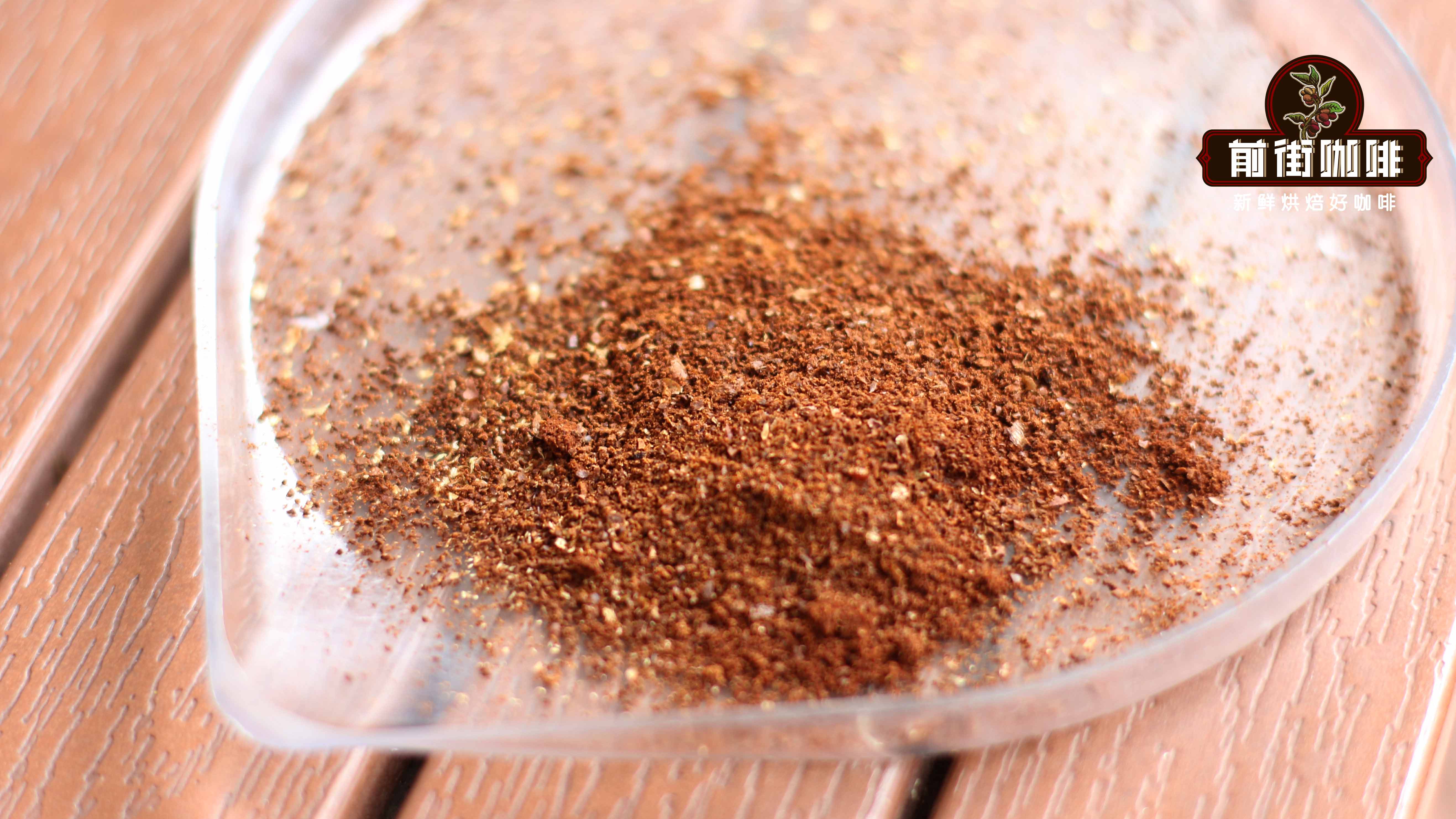
From the perspective of coffee flavor preservation, once coffee beans are ground into powder in advance, the loss of aroma and flavor accelerates significantly. For this reason, many coffee shops, including Front Street, encourage customers to grind right before brewing.
The domestic group that consumes pour-over single-origin coffee often has higher standards for coffee flavor, while their daily consumption is not large, making it easy for the aroma of coffee powder to dissipate completely before it is used up. So even though many coffee shops offer grinding services, they still recommend that customers take the beans home and grind them fresh themselves.
Store in a cool, ventilated, and dry place: whether you buy coffee beans or coffee powder, you should avoid areas with direct sunlight, because higher temperatures accelerate the release of coffee flavor and greatly shorten the shelf life. At the same time, also pay attention to whether the storage environment is humid. Spaces with heavy moisture can easily become breeding grounds for bacteria, which will not only give the coffee a musty smell but may also have negative effects on health.
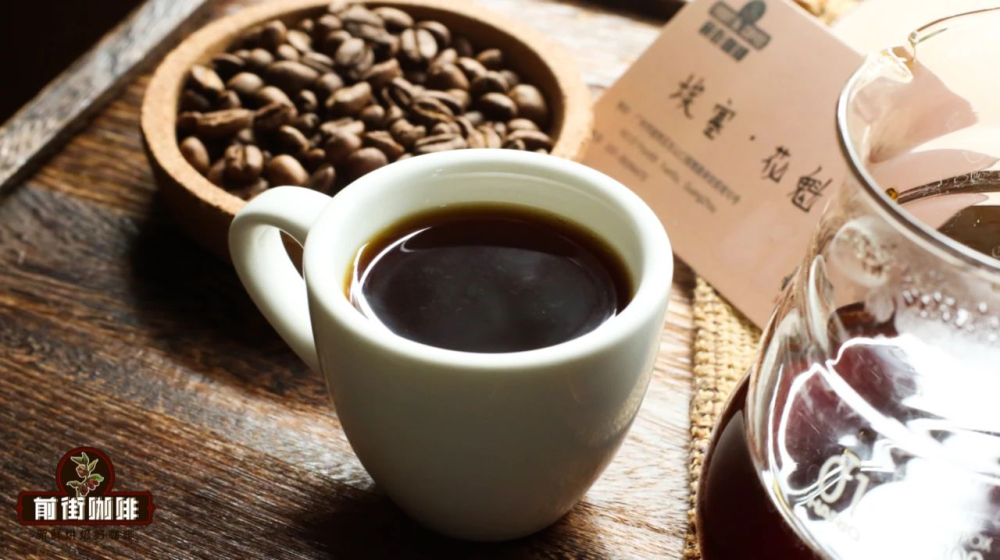
How to brew coffee with coffee powder?
After buying coffee powder, it is recommended to drink it as soon as possible before the aroma dissipates. Next, let's demonstrate using Front Street Blue Mountain No. 1 coffee powder as an example:
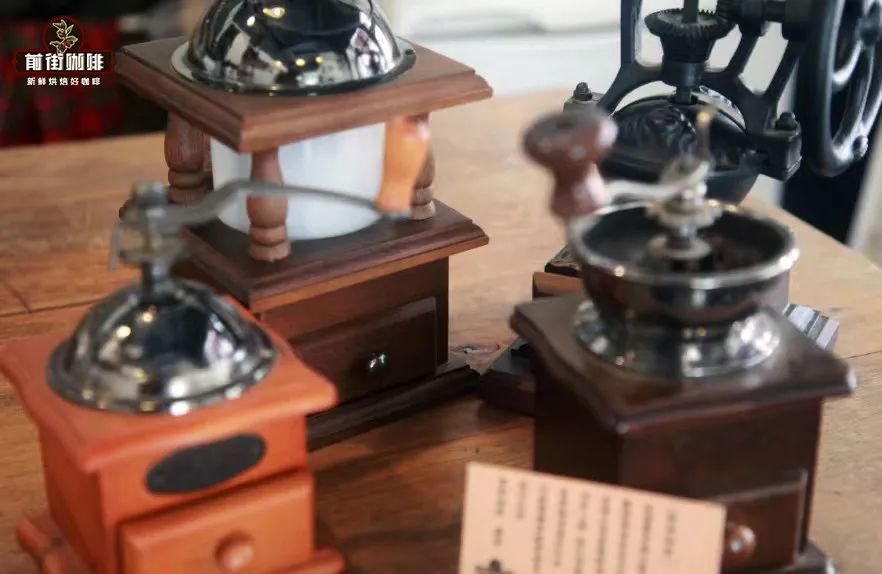
Front Street's brewing plan: use Front Street Blue Mountain No. 1 coffee beans, paired with a KONO dripper, with the water temperature set at 88°C, using Front Street's commonly used three-stage pouring method. Use 15 grams of coffee powder, with a coffee-to-water ratio of 1:15.
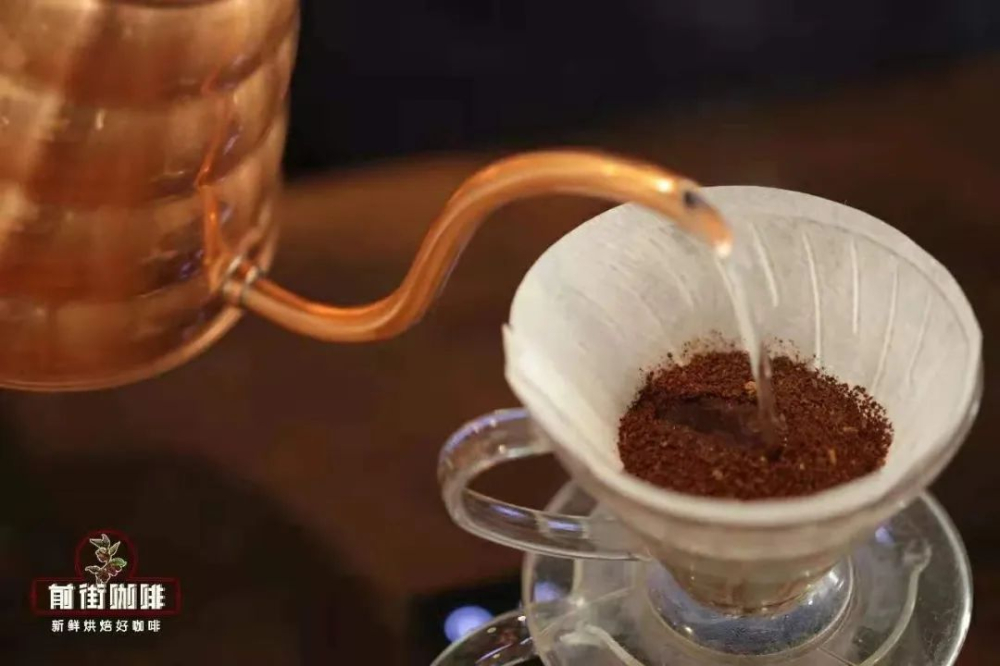
Three-stage pouring operation: first use 30g of water to evenly saturate the coffee powder bed, and let it bloom for 30 seconds; in the second stage, pour 95g of water at a steady pace in a circular motion from the inside out, and when the water level drops to two-thirds of the coffee bed in the dripper, begin pouring the third stage of 100g of water. Throughout the process, maintain a small stream of water, and after about 2 minutes when dripping is complete, remove the dripper. Finally, gently swirl to make the coffee liquid even, and it is ready to drink.
The above content is compiled by CoffeeHunters, a coffee news website.


