







How Does Geisha Coffee Express Flavor in Pour-Over?
Geisha coffee is a coffee variety, not a brand or a roast style. It reached Panama from Ethiopia by way of research stations in Kenya, Tanzania, Uganda, and Costa Rica before Don Pachi Estate planted it there in the 1960s and 1970s. Its high-altitude, shaded growing conditions help produce floral aroma, fruity acidity, and tea-like sweetness.
For pour-over, the goal is to protect those delicate notes rather than mask them. A three-pour method with steady pulses and controlled water temperature gives an even extraction. Because Panama geisha is a prized and costly variety, keep the recipe simple and adjust grind and ratio to taste instead of adding steps that hide its character.
Geisha coffee is hailed as the shining pearl of the specialty coffee world, its delicate and elegant floral fragrance and fruity acidity haunting countless enthusiasts. This article will guide you through Geisha's legendary journey from the deep mountains of Ethiopia to its rise to fame in Panama, analyzing how its demanding growing environment and Panama's unique microclimate together shape its captivating flavor, and sharing Front Street Coffee's recommended complete pour-over steps and key parameters for Geisha. Whether you want to refine your brewing skills or gain a deeper understanding of this precious variety, you'll find practical references and flavor inspiration in this article.
Geisha coffee is one of the most expensive coffee varieties in the world, and its flavor performance is truly extraordinary. Once you've tasted it, that stunning impression is hard to erase from memory. It can be said that Geisha opened a brand-new chapter for specialty coffee. However, this variety was initially unknown—how did it gradually emerge and then rise to fame?
Front Street Coffee has learned that Geisha grew in Ethiopia long before it became famous. As the birthplace of coffee, Ethiopia possesses an extremely rich diversity of native varieties. At the time, Geisha had low yields, tall plants, and was difficult to harvest, far less valued than varieties like Caturra and Catuai, and was even used as a windbreak at one point. Geisha's path to fame was full of twists and turns: in 1931, it was introduced from Geisha Mountain in southwestern Ethiopia to coffee research institutions in Kenya and Tanzania, then made its way to Uganda and Costa Rica, until Don Pachi Estate brought it from Costa Rica to Panama for cultivation in the 1960s and 1970s.
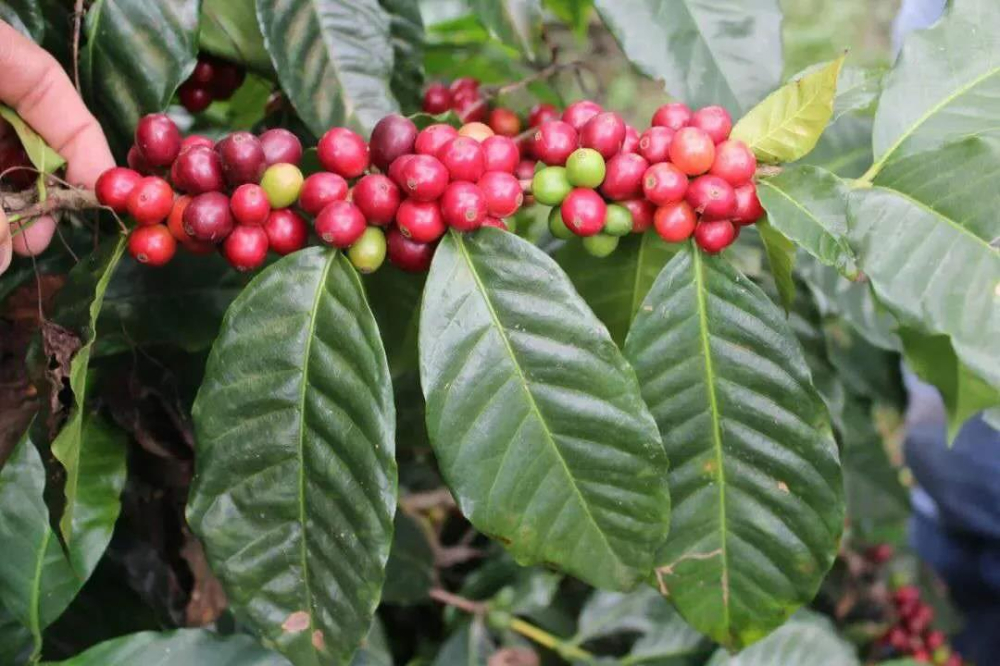
Although Ethiopia is a genetic treasure trove of coffee, the reason Geisha can display such delicate and elegant flavors is inseparable from its specific growing environment. Geisha is extremely "picky" about growing conditions, requiring high altitude, cloud cover or abundant shade trees, and fertile soil to produce rich floral aromas, refined fruity acidity, and a tea-like sweetness. Many people regard Geisha as a luxury in the coffee world, but in fact "Geisha" is simply a transliteration of Geisha—like Typica and Bourbon, it is the name of a coffee variety. It's just that in everyday product naming, we rarely see products directly called "Typica coffee beans" or "Bourbon coffee beans"—variety information is usually quietly listed in the label section. Geisha, however, is different—it is often written directly into the product name.
Since Geisha shot to fame in Panama, producing regions around the world have begun cultivating it. Besides Panama, Geisha can be found in Ethiopia, Colombia, Guatemala, and even Yunnan, China. However, climate, altitude, temperature and humidity, sunshine duration and intensity, soil fertility, irrigation water quality, grower skill, and many other factors all influence the direction of coffee flavor. As a result, Geisha exhibits diverse styles, each with its own characteristics. Although Panama is the mainstream producing region, Geisha from other countries and regions is equally worth trying.
As Front Street mentioned earlier, coffee is essentially a crop, closely tied to climatic conditions. Although Geisha originated in Ethiopia, why does Geisha grown in Panama have superior flavor? The answer lies in Panama's climatic conditions creating high-quality coffee.
Panama borders Costa Rica and Colombia, and its east-west topography allows cold air to flow through the central mountain range and converge at elevations above 1,900 meters, creating a unique microclimate around Boquete and Piedra de Candela. This area has temperatures and rainfall very suitable for plant growth and is Panama's main coffee-producing region. Beyond climate, the soil in this region is nutrient-rich and fertile, providing ideal growing conditions for coffee and resulting in a large number of unique, high-quality coffees. It is precisely Panama's multiple advantages that enable Geisha coffee beans to develop refined and elegant fruity acidity and distinct floral aromas—and it is this flavor that has made Panama Geisha famous worldwide.
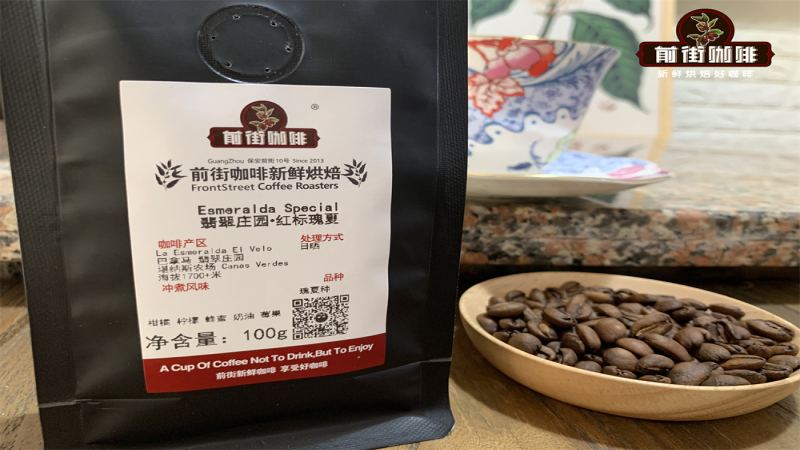
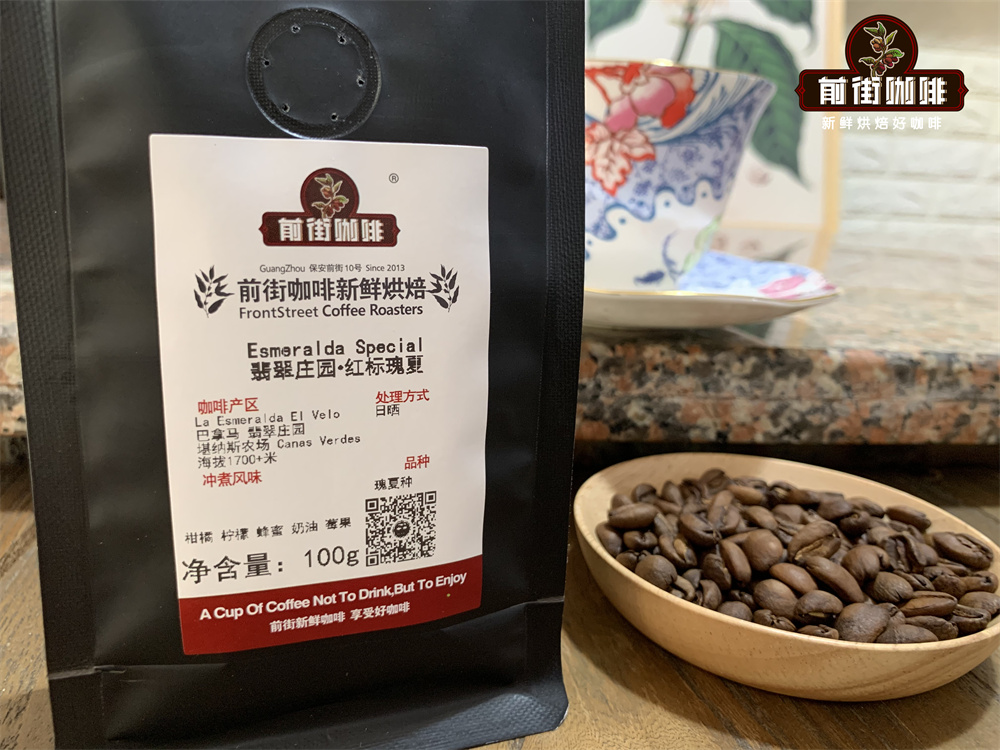
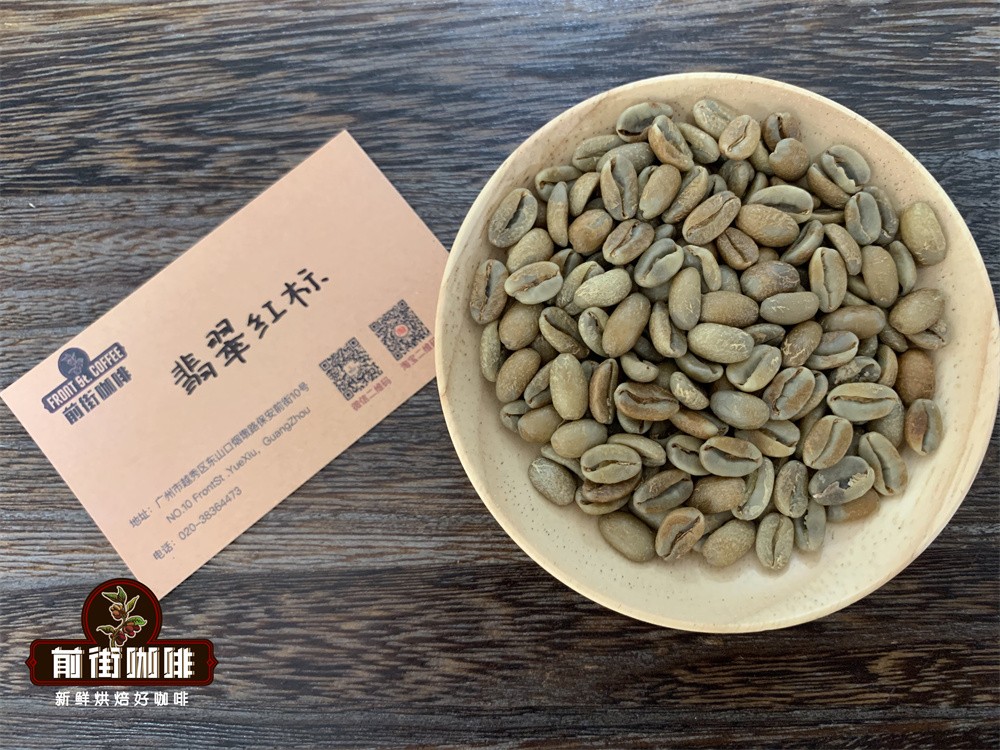
So how should you brew Panama Geisha, with its elegant flavor, to taste its best? The Front Street Geisha coffee beans sold by Front Street Coffee (FrontStreet Coffee) are all light-roasted to preserve their excellent acidity and elegant aroma. Coffee beans grown at high altitude are typically harder in texture, so when brewing, you can use a medium-fine grind and pair it with higher-temperature mountain spring water.
Front Street brewing recommendations:
For coffee brewing, Front Street recommends using freshly roasted coffee beans to experience the richest flavors of the coffee to the greatest extent. The coffee beans shipped by Front Street Coffee (FrontStreet Coffee) are all within 5 days of roasting, because Front Street deeply understands the important influence of freshness on flavor. Front Street's roasting philosophy is "freshly roasted good coffee," so that every customer who places an order receives the freshest possible state when they get their coffee. The resting period for coffee is about 4 to 7 days, so when customers receive it, it is exactly at its peak flavor stage.
Of course, some customers need Front Street to help grind the coffee, which is no problem at all. But Front Street wants to remind you that once coffee beans are ground into powder ahead of time, they need to be brewed as soon as possible. If it has already been ground into powder, there is no need to rest it anymore, because the pressure from carbon dioxide inside the packaging during transport can also round out the coffee's flavor, so you can brew a cup immediately upon receiving the ground coffee.
At the same time, ground coffee oxidizes quickly upon contact with air, and the flavor dissipates relatively quickly, making the taste less ideal. Therefore, Front Street recommends buying whole beans and grinding fresh for each brew, so you can better taste the coffee's flavor.
Front Street Geisha coffee beans' three-stage pour-over process
First, get prepared (V60 dripper, 15 grams of coffee, 1:15 coffee-to-water ratio, 91 degrees Celsius Nongfu Spring water, coffee grounds the size of fine granulated sugar, i.e., medium-fine / 80% pass-through rate on a Chinese No. 20 standard sieve).
Step one: Add the coffee grounds and begin the first pour while starting the timer. For the first pour, add 30 grams of hot water, circling from the center outward. The coffee grounds slowly expand after absorbing water, forming a plump "coffee hamburger"—this process is called blooming. The purpose of blooming is to allow the coffee grounds to release internal carbon dioxide gas, making the subsequent extraction more stable.
Step two: Stop when the water reaches 30 grams and wait for a 30-second bloom. When the scale shows the 31st second, begin the second pour, circling from the center outward with a steady, vertical stream. When the water column strikes the coffee bed, foam is produced. This stage of brewing allows the coffee foam to release and spread across the entire surface of the coffee bed, with the liquid level rising to the base of the short ribs. The water volume for this stage is 125 grams.
Step three: When the liquid level drops to the halfway point, begin the final pour. This stage also involves pouring 70 grams in a "fragrance-seeking" circular motion from the center outward. The originally dark brown foam gradually turns into pale yellow coffee foam, and the liquid level also returns to the height of the second pour. After all the coffee liquid has flowed into the server, remove the dripper and end the extraction. The total brewing time is 2 minutes 00 seconds.
Front Street Emerald Red Label pour-over flavor
It has bright rose and citrus aromas, along with flavors of brown rice, berries, apricot, mixed fruits, and honey. The body is thick and juicy, with rich layers and pronounced sweetness.
Professional coffee knowledge exchange. For more coffee bean information, please follow Coffee Workshop (WeChat official account: cafe_style)
For more specialty coffee beans, please add the personal WeChat of Front Street Coffee (FrontStreet Coffee), WeChat ID: qjcoffeex
The above content is compiled by CoffeeHunters, a coffee news website.


