





Is Blue Mountain coffee really black coffee?
Blue Mountain coffee counts as black coffee as long as nothing is added to the brewed cup. Black coffee means coffee made directly from grounds with no sugar, milk, or cream. Jamaican Blue Mountain beans grown above 1,000 meters produce a balanced cup with mild acidity, sweetness, and bitterness, and that plain brewed liquid is Blue Mountain black coffee.
Anything with sugar or milk belongs to the espresso-drink family instead. For pour-over, use a medium grind and water around 90 to 93 degrees Celsius; for espresso, a finer grind and a 1:2 ratio in roughly 25 to 30 seconds works. Both keep the cup black while showing the bean's clean, balanced character.
Blue Mountain coffee enjoys a prestigious reputation internationally, but does it actually count as black coffee? And what equipment and parameters should be used to brew authentic Jamaican Blue Mountain coffee beans to bring out their best flavor? This article will start from the definition of black coffee, sort out Blue Mountain coffee's origin history, growing environment, variety characteristics, and processing methods, and explain in detail Front Street Coffee's Blue Mountain No. 1 coffee beans' pour-over and espresso extraction plans. Whether you want to use a pour-over kettle to reproduce Blue Mountain's clean and balanced flavor, or want to use an espresso machine to make a Blue Mountain americano, you can find specific parameters and key operating points in this article.
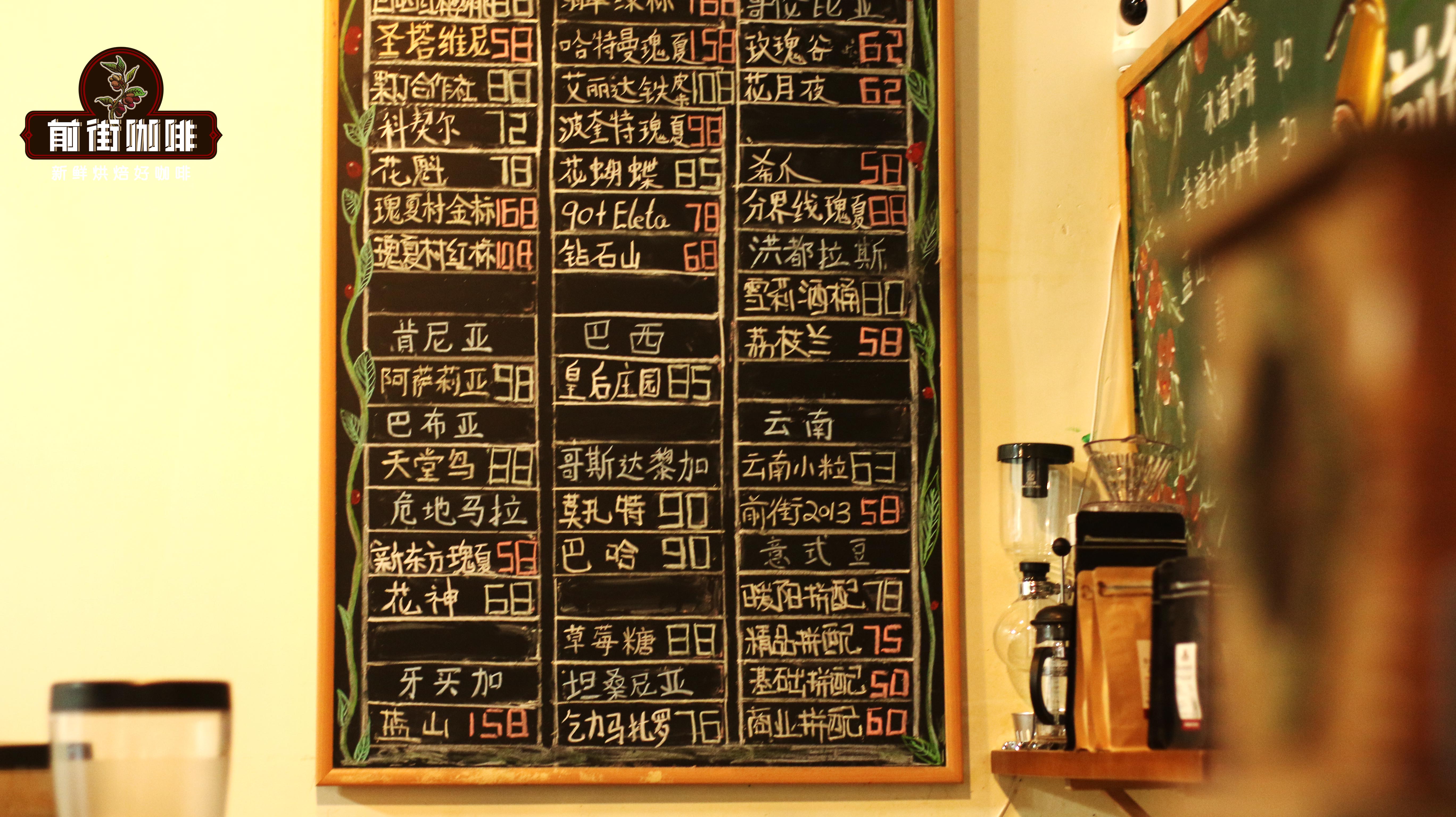
The classifications in the coffee world are diverse and varied, and many friends who are new to coffee often cannot figure out which ones belong to black coffee and which ones fall into the category of espresso coffee. As a leader among specialty coffees, Blue Mountain coffee's fame has long spread across the globe, so can it also be classified as black coffee?
Front Street first helps everyone clarify the concept: when we usually drink coffee, we are used to adding sugar and cream, and such drinks are no longer black coffee, but belong to the espresso coffee system; so-called black coffee refers to coffee brewed directly from coffee grounds without adding any other ingredients. Black coffee undergoes no embellishment, presenting coffee's most authentic taste and best reflecting the original flavor characteristics of the origin. It brings together coffee's five taste experiences—aroma, sweetness, body, acidity, and bitterness—raw and rugged, deep and memorable. Blue Mountain is one of the coffee bean varieties and belongs to the world's top coffee beans. Coffee made from Blue Mountain coffee beans is Blue Mountain coffee; as long as no sugar or milk is added, it is Blue Mountain black coffee.
What exactly makes Blue Mountain coffee special?
Blue Mountain coffee is often crowned with the reputation of "King of Coffee." Front Street believes: authentic Jamaican Blue Mountain coffee comes from areas of the Blue Mountain range at an altitude above 1,000 meters; true Blue Mountain coffee has a rich aroma, a balanced and full-bodied taste, with acidity, sweetness, and bitterness reaching just the right harmony, and it goes down very smoothly; it carries a noble temperament and can be called the finest among coffees.
Where is Blue Mountain coffee produced?
Blue Mountain coffee comes from Jamaica. This country's history of coffee cultivation can be traced back as early as the 18th century—in 1717, King Louis XV of France ordered coffee to be planted in Jamaica. Later, the governor of Jamaica introduced Arabica varieties from Martinique and vigorously promoted them, and coffee crops took root in Jamaica from then on; these coffees are collectively called Jamaican coffee.
Growing altitude and environment
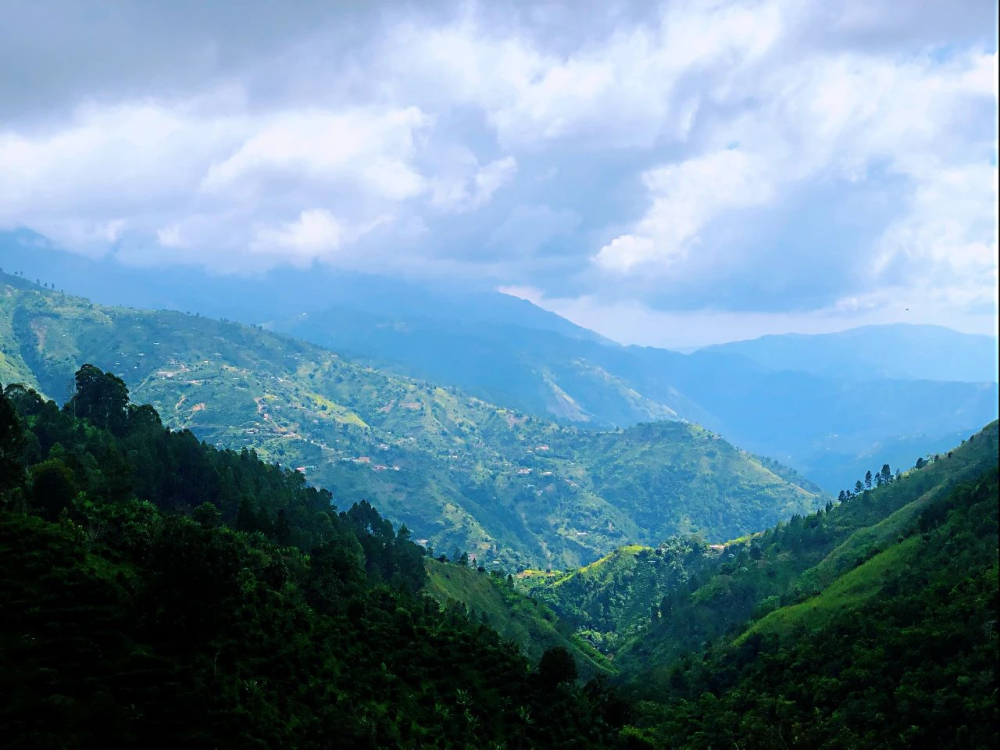
The Blue Mountain range is located in the eastern part of the island of Jamaica. Because the entire mountain is surrounded by the Caribbean Sea, on clear days, sunlight shines directly on the azure sea surface, and the peaks reflect the sea's brilliant blue radiance, which is how Blue Mountain got its name. The highest peak of Blue Mountain is 2,256 meters above sea level, the highest peak in the Caribbean region and also a famous tourist destination.
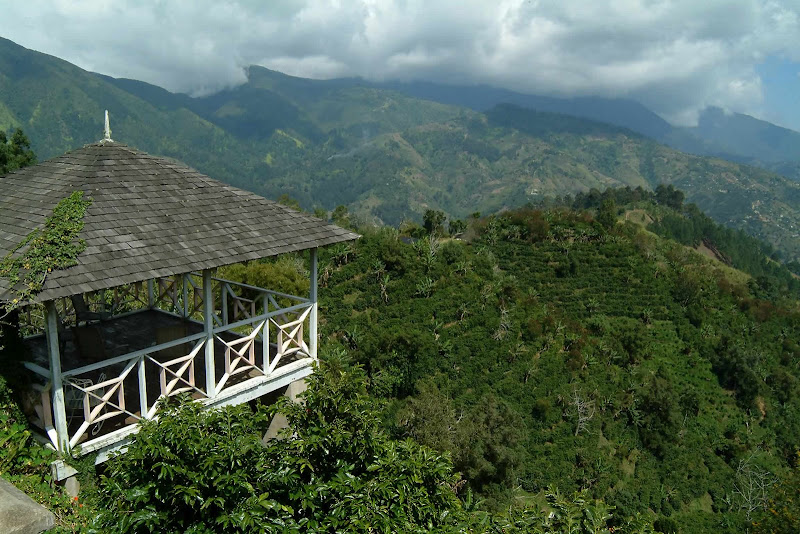
This place is located in the coffee belt, with fertile volcanic soil, fresh and pollution-free air, a humid climate, and fog and rain all year round (average precipitation 1,980 millimeters, temperature about 27°C). It is precisely such climatic conditions that have created the world-renowned Jamaican Blue Mountain coffee and also one of the most expensive coffees in the world. True Blue Mountain coffee is one of the coffees with the most superior growing conditions in the world; Jamaica's weather, geological structure, and terrain together provide a uniquely ideal environment. The designated Jamaican Blue Mountain coffee can only be grown in the Blue Mountain area, located in eastern Jamaica, north of Kingston. The ridge running across Jamaica extends all the way to the eastern part of the island, and the Blue Mountain range reaches more than 2,100 meters high. The cool weather, frequent fog, and frequent rainfall make the rainfall in this fertile land well balanced. Here, people use mixed planting methods to grow coffee trees, letting coffee trees accompany banana trees and avocado trees on the terraces.
In addition, the terrain here is very rugged, making the harvesting process extremely difficult (almost all those harvesting coffee are women). The coffee trees all grow on steep slopes, and picking is extremely difficult; only skilled local female workers can handle it. When picking, coffee beans must be selected at just the right degree of ripeness; underripe or overripe beans will affect coffee quality.
What variety are Blue Mountain coffee beans? FrontStreet Coffee Blue Mountain No. 1 coffee beans belong to the Typica variety. Typica has bronze-colored top leaves, oval or slender pointed beans, a tall tree body, and slightly slanted branches at an angle of about 50–70 degrees. Its flavor is elegant, but the plant is relatively weak, has poor disease resistance, and has very low yield per tree with few bearing fruits. Blue Mountain Typica was transplanted from Martinique to Jamaica's Blue Mountains in the 1720s. After more than 200 years, Blue Mountain Typica evolved better disease resistance, especially better resistance to fruit rot than ordinary Typica. However, once Blue Mountain Typica leaves Jamaica, its fresh, sweet, and delicate fragrance cannot be replicated.
Blue Mountain coffee beans' processing method
Blue Mountain coffee uses the washed processing method, which is an important step that establishes Blue Mountain coffee's clean taste. Jamaica has continued to use the washed processing technique for more than 200 years of coffee cultivation. First, ripe red coffee cherries are picked, and sand and bad cherries are removed through flotation in water tanks, then the skin and pulp are removed.
After that, they are soaked in a water tank for 48 hours, then the slippery mucilage layer is washed off. Then they are placed on raised beds to dry until the moisture content is 12%. Because the processing is strict, Blue Mountain coffee beans have a beautiful appearance, are plump and uniform, with even color revealing a faint emerald green.
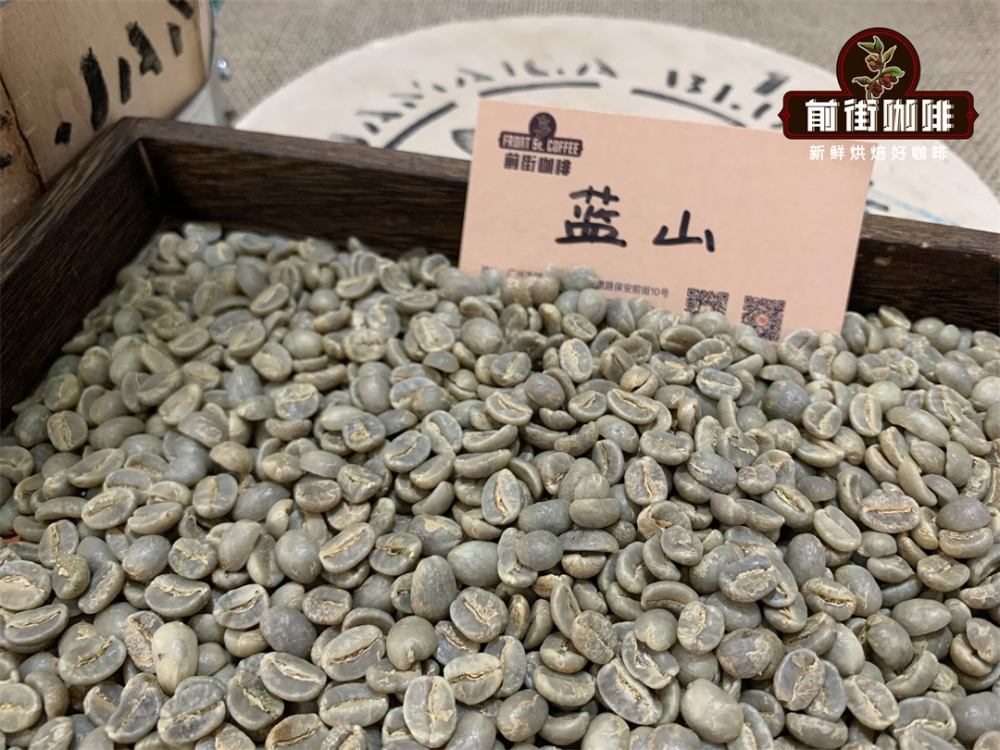
In 2020, Blue Mountain once produced a batch of naturally processed Blue Mountain No. 1 coffee beans.
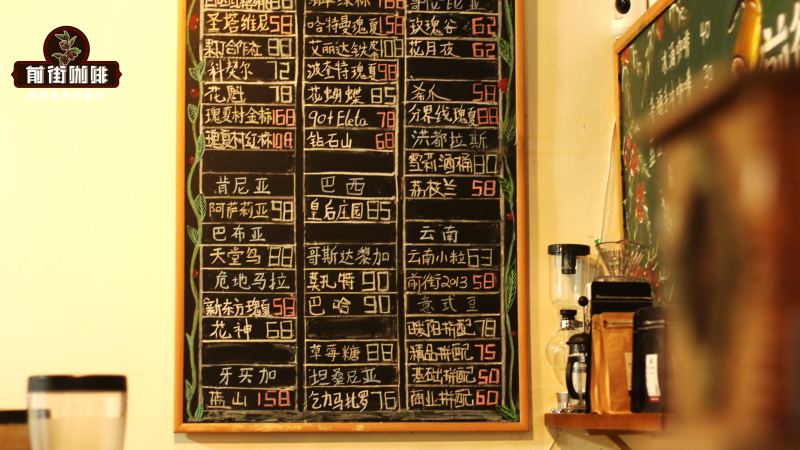
After processing is completed, authentic Blue Mountain coffee is sealed into barrels, and Blue Mountain coffee beans are also the only coffee beans in the world exported in wooden barrels. If Blue Mountain coffee beans are imported through proper channels, one can apply to the Jamaican authorities for a certification certificate to prevent counterfeiting. Front Street's Blue Mountain No. 1 coffee beans are priced at only 158 yuan/100g, which may raise doubts among some friends. However, FrontStreet Coffee's Blue Mountain No. 1 coffee beans are imported by the whole barrel and come with a certificate, so authenticity can be verified.
The correct way to drink FrontStreet Coffee Blue Mountain No. 1 coffee beans:
Front Street recommends using freshly roasted coffee beans for brewing, as this allows you to experience coffee's rich flavor to the greatest extent. The coffee beans shipped by FrontStreet Coffee are all within 5 days of roasting, because Front Street deeply understands that the freshness of coffee beans greatly affects flavor. Front Street's roasting philosophy is "freshly roasted good coffee," so that every customer who places an order receives coffee in the freshest condition. Coffee's resting period is about 4–7 days, so when customers receive it, it is exactly at its best flavor.
Front Street takes into account that Blue Mountain beans use a relatively dark roast, and the darker the roast, the faster coffee substances dissolve. To avoid over-extraction, Front Street uses a lower water temperature for extraction and also uses a Kono dripper with a slower flow rate, to ensure that as much coffee material as possible is extracted under low-temperature conditions.
Dripper: Kono dripper
Water temperature: 87°C
Coffee dose: 15g
Coffee-to-water ratio: 1:15
Grind size: medium grind (75% passing rate on China standard No. 20 sieve)
Brewing method: three-stage extraction. Use 30 grams of water to bloom for 30 seconds, pour in a small stream in circles until 125 grams, then pause, and when the water level is about to expose the coffee bed, continue pouring until 225 grams and stop. After the coffee liquid in the dripper has finished dripping, remove the dripper. Start timing from the beginning of pouring; the entire extraction time is 2'00.
Front Street brewing flavor: Blue Mountain No. 1 coffee has a clean mouthfeel, with chocolate and nutty flavors, and acidity, sweetness, and bitterness reaching a balanced point.
Can Blue Mountain No. 1 coffee beans be used to make americano?
Front Street believes that if you want to taste the familiar Blue Mountain flavor, you must choose fresh coffee beans for brewing. After coffee beans are stored for too long, their aroma accelerates and is lost over time, so the freshness of the beans is very important. The coffee beans shipped by Front Street are also freshly roasted within 5 days, and the pour-over and espresso machine parameters and flavor descriptions are also based on fresh beans.
The ingredients for americano are very simple, only espresso and water, so to make an americano with Blue Mountain coffee beans, you only need to extract a good espresso and then dilute it with water in a certain ratio. The specific parameters are as follows:
Coffee beans: Jamaica · Blue Mountain No. 1
Coffee powder dose: 20g
Coffee liquid yield: 40g
Coffee-to-liquid ratio: 1:2
Extraction time: 26–32 seconds
Grind setting: Galileo 2.2
The coffee machine used by Front Street has a double basket capacity, requiring 20 grams of coffee powder each time, with an extraction powder-to-liquid ratio of 1:2, meaning 40 grams of coffee liquid is produced within a reasonable time. Extraction time is related to the flow rate of the coffee powder. Generally, a single extraction duration is controlled between 20–35 seconds: less than 20 seconds and the coffee taste tends to be thin and bland, while more than 35 seconds tends to over-extract and cause a burnt bitterness, so Front Street controls the espresso time within the range of 26–32 seconds when producing it.
Before extraction, first wipe the basket dry, turn on the grinder, grind a double dose of coffee powder, and place it on an electronic scale to measure and adjust until it is exactly 20 grams. Then use a distribution tool to level the coffee powder, and use a tamper to press vertically downward with force, compacting the coffee puck tightly to ensure more stable extraction.
Then turn on the extraction switch and run water for 1–2 seconds to wet the group head, while also washing away stuck coffee grounds. Place an electronic scale under the cup that will receive the Espresso, tare the weight to 0, and place it together under the group head during extraction.
Gently and slowly lock the portafilter onto the group head, then start the extraction switch. Observe the changes in the extracted liquid. When the electronic scale shows 40 grams of coffee liquid extracted and the time is about 30 seconds, turn off the extraction switch. Brewing parameters will undergo subtle changes according to daily air humidity and the condition of the coffee beans, so the coffee powder dose, grind setting, and extracted coffee liquid amount need to be adjusted up or down.
After many comparisons, Front Street finally determined that a ratio of 1:4.5 can present Blue Mountain No. 1's chocolate and caramel aroma, that is, add 180g of hot water to 40g of espresso; when making iced americano, switch to 100g of large ice cubes and 120g of water, i.e. 1:2.5:3. This iced americano has a moderate concentration and is refreshing with balanced acidity and sweetness.
Professional coffee knowledge exchange. For more coffee bean information, please follow Coffee Workshop (WeChat public account cafe_style)
For more specialty coffee beans, please add the private WeChat of FrontStreet Coffee, WeChat ID: qjcoffeex
The above content is compiled by CoffeeHunters, a coffee news website.


