







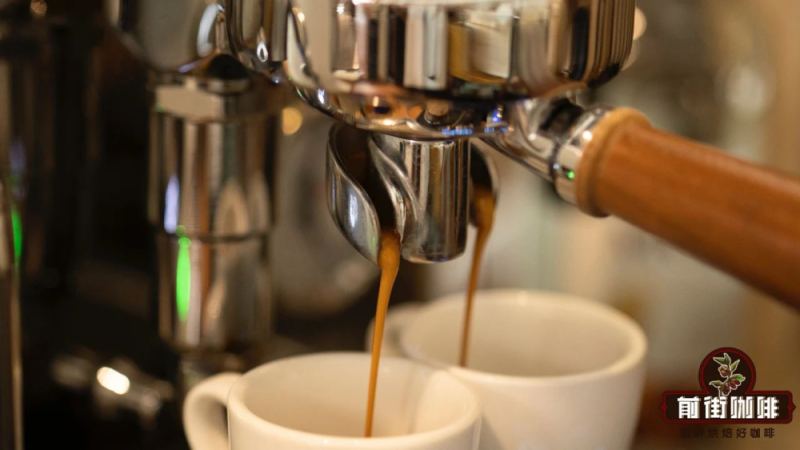
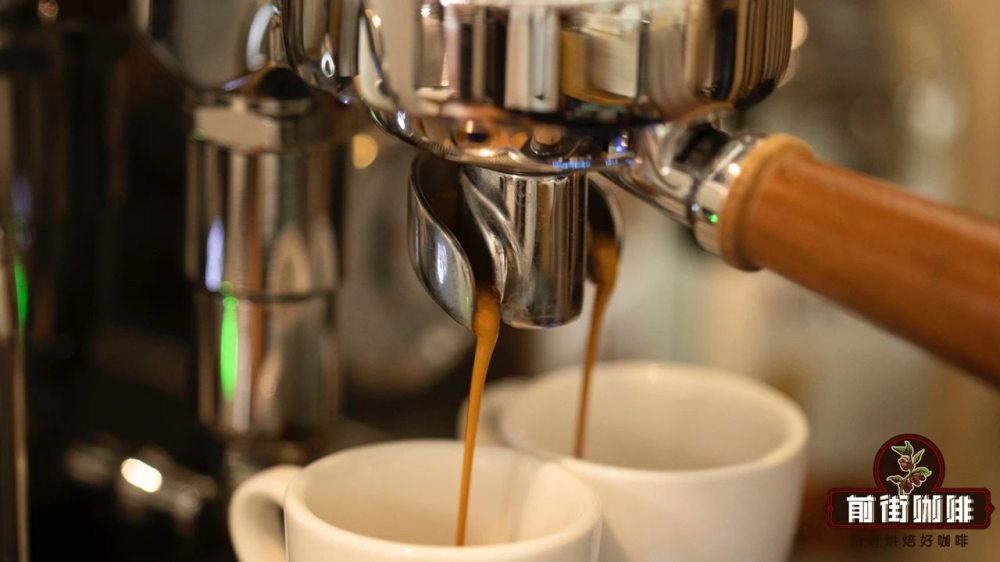
Espresso, also known as Espresso, is a coffee liquid extracted quickly at high temperature by Italians using a pressurized coffee machine, with a layer of golden foam floating on the surface. Each store uses different espresso beans and extraction plans, so the flavor will vary, but a standard espresso will have the following two characteristics.
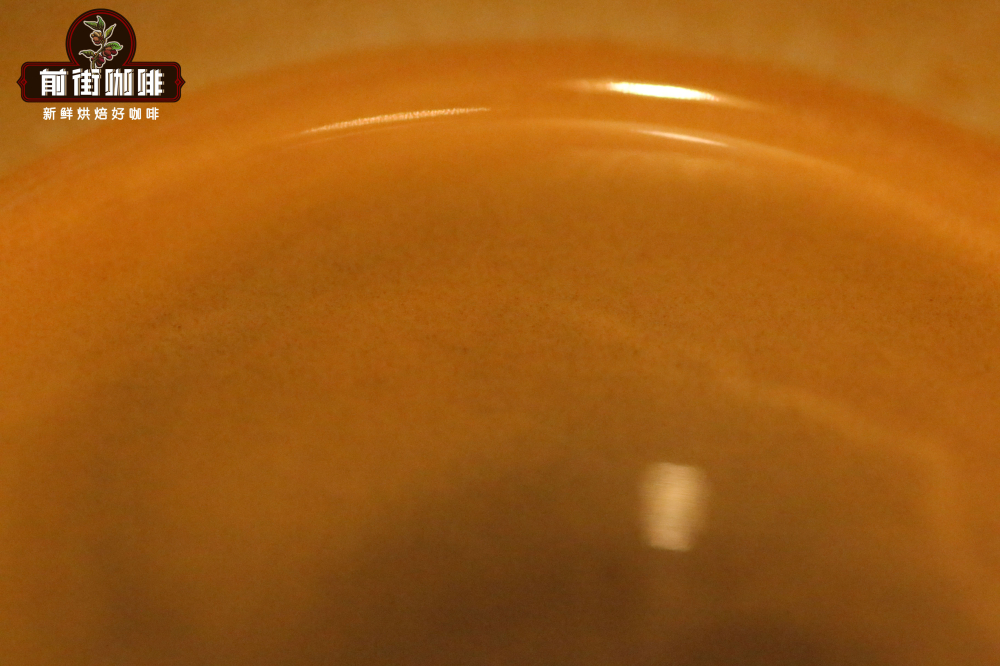
Cream
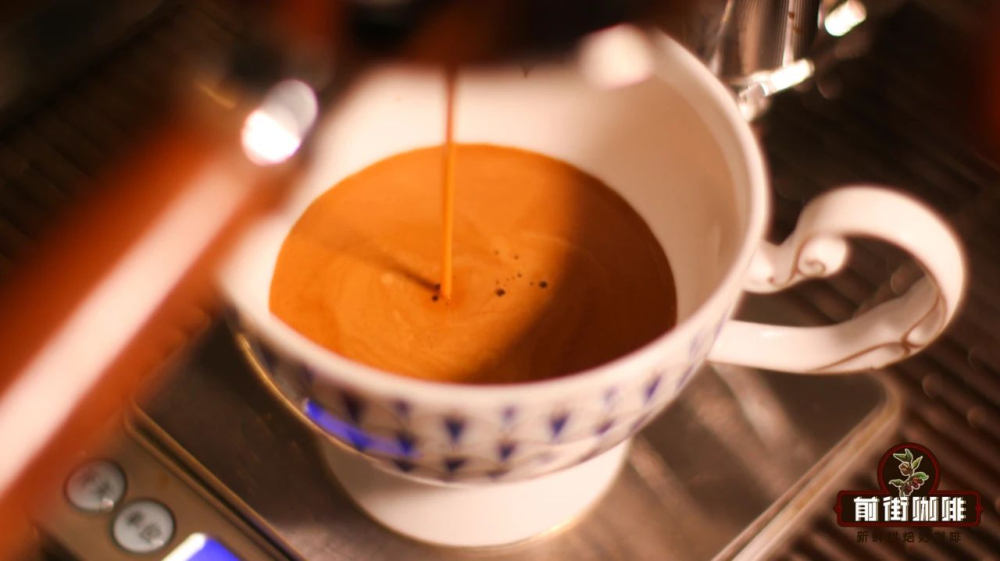
When we go to a coffee shop and order an espresso, the barista brings it over right after extraction, and we can see a thick layer of golden foam floating on top, which we call Crema.
During roasting, coffee beans produce a large amount of gas. Under high pressure, water dissolves the carbon dioxide within them, but as the brewed coffee liquid gradually returns to normal atmospheric pressure, it can no longer trap all the gas components, so countless small bubbles emerge from the liquid. These bubbles remain on the surface of the coffee liquid, looking like a stable layer of "bubbles." A rich and dense Crema means that the coffee beans used in the espresso are freshly roasted. Since the gas inside the coffee beans continuously escapes over time, the longer it has been since the roast date, the lower the carbon dioxide content, and the less foam layer there is during extraction.
If an espresso has no Crema on top, it is likely that the coffee beans have been stored too long, or perhaps the espresso was made and left for a long time without being drunk, and the foam disappeared. The darker the color of the Crema, the more intense the flavor usually is. Because the coffee beans undergo the Maillard reaction at high temperatures, coffee beans roasted darker have a darker foam layer and a richer mouthfeel.
High Concentration
Extracting a single espresso requires releasing a large amount of soluble substances in just a few dozen seconds, so the coffee grounds need to be ground very finely and evenly. After passing through near-boiling hot water and high pressure of 9 atmospheres, the concentration of the espresso is very high, all flavors are doubled and concentrated, and it presents a strong mouthfeel upon entry. After swallowing, various aromas linger in the mouth with a long aftertaste. Therefore, many coffee shops serve a glass of water alongside a strong espresso for customers.
How to Make Espresso
Many coffee enthusiasts unknowingly equip themselves with various coffee tools at home, and those obsessed with Italian coffee even stock up on espresso machines, ready to extract it themselves. Here at Front Street Coffee, using store-produced espresso as a reference, we briefly explain how to make an Espresso.
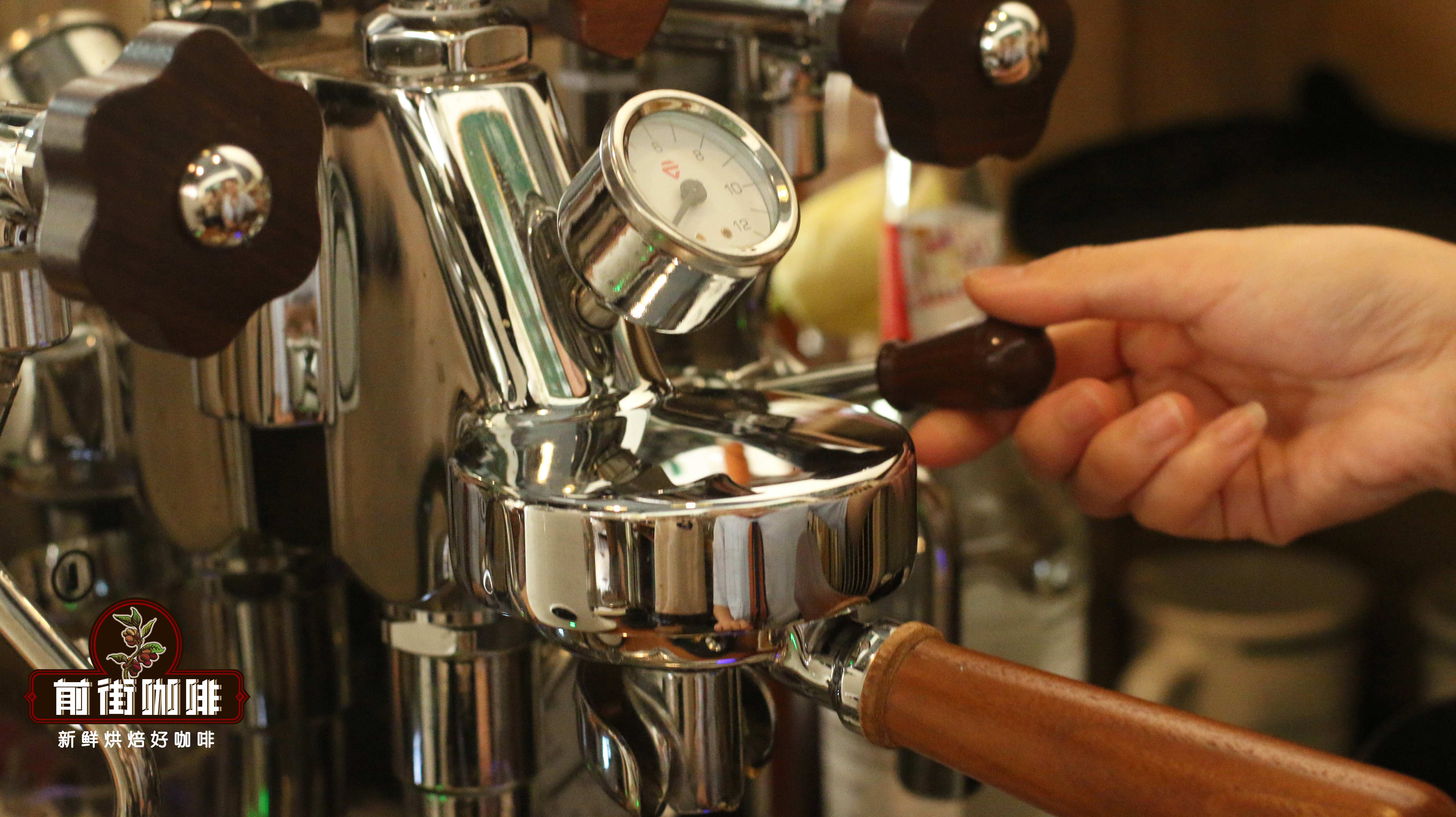
The coffee machine at Front Street Coffee's store is a commercial single-head "Lelit Bianca," which can adjust extraction by changing the pressure, with a maximum pressure of 11 bar. A home coffee machine only needs to reach 9 bar of pressure to satisfy the functions of extraction and steaming milk foam, paired with an espresso grinder.
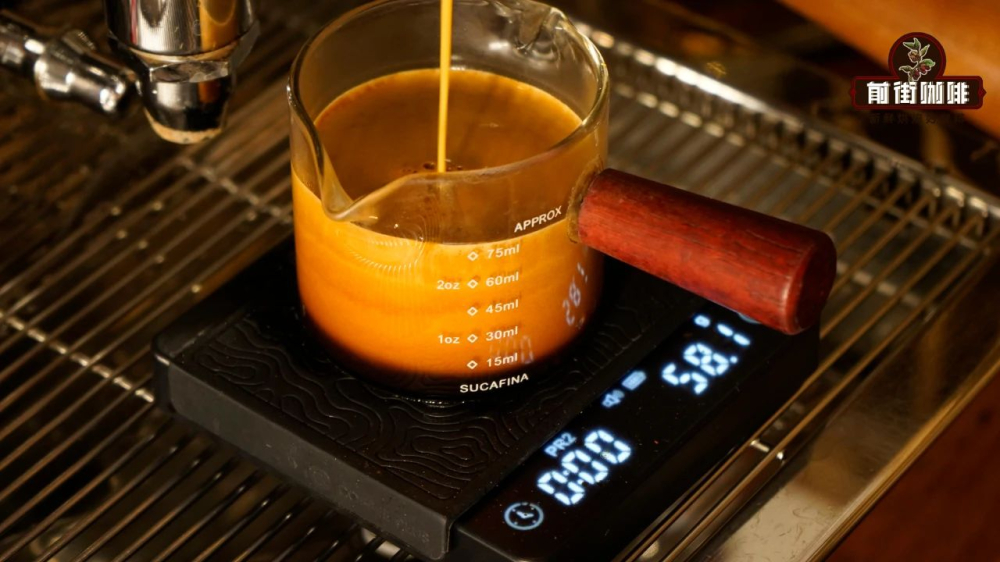
Front Street Coffee uses the capacity of a double basket, with a dose of about 18–20 grams; Front Street Coffee uses 20 grams of coffee grounds when producing. Usually, the ratio of coffee grounds to coffee liquid is between 1:1.5 and 1:2.5. Front Street Coffee's extraction ratio is 1:2, that is, 20 grams of coffee grounds extract 40 grams of coffee liquid. The time is related to the flow rate of the coffee grounds. Generally, a single extraction is controlled within 20–35 seconds, because within 20 seconds the coffee usually tastes thin, while exceeding 35 seconds easily leads to over-extraction and a burnt bitter taste. Most of Front Street Coffee's espressos are in the range of 28–30 seconds.
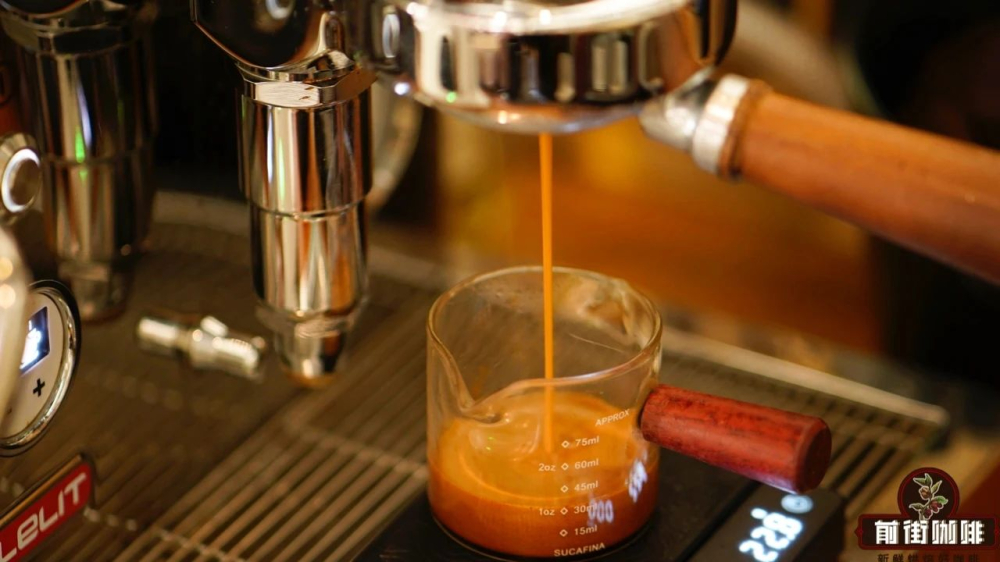
Front Street Coffee first wipes the basket dry, turns on the grinder, grinds the amount for a double shot of coffee grounds, places it on an electronic scale to adjust up or down until it reaches 20 grams. Then use a tool to distribute the grounds evenly and tamp the coffee puck firmly to ensure more stable extraction. Then turn on the extraction switch to release water, wetting the group head while carrying away the coffee grounds stuck on it, gently lock the portafilter onto the group head, and start pulling the shot for extraction. When the electronic scale shows that 40 grams of coffee liquid has been extracted, at about 30 seconds, the extraction switch can be turned off. Pour the coffee liquid into an Espresso cup and enjoy.
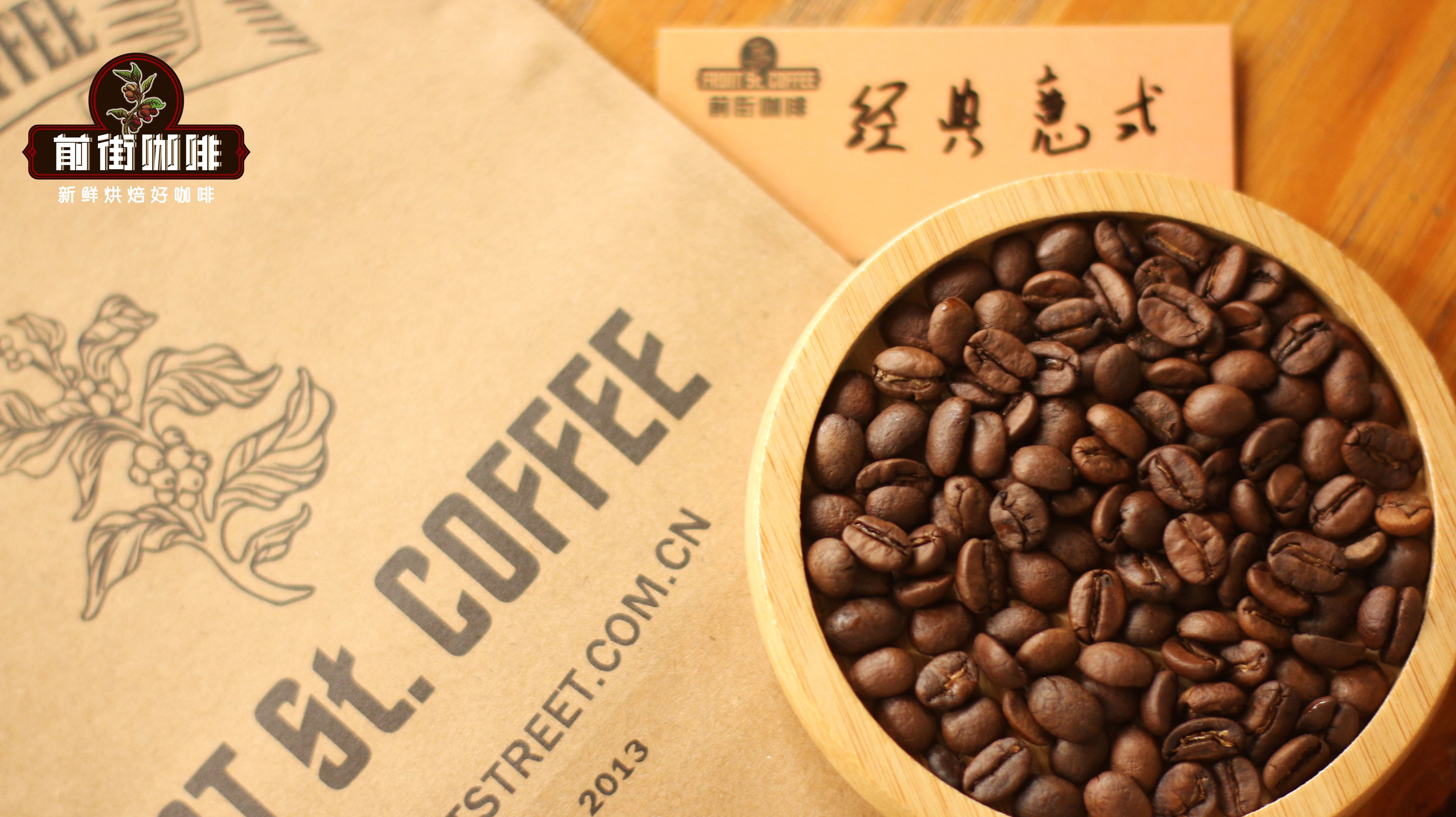
The taste and mouthfeel of Espresso are related to the coffee beans used. It is recommended to use Front Street Coffee Classic Espresso Blend. This is a recipe composed of three origins: Brazil, Indonesia, and Vietnam. It uses a dark roast, which can maximize the mellow aroma of the coffee and also allow everyone to easily extract rich and dense crema. Whether making an Americano diluted with water or a latte paired with milk, it is very suitable. It can be purchased and ordered at Front Street Coffee's Taobao store or Front Street Coffee's Tmall flagship store.
The above content is compiled by CoffeeHunters, a coffee news website.


