







Search Results for: tobacco flavor
Where Does the Tobacco Flavor in Guatemalan Specialty Coffee Come From? An Analysis of the Antigua Region and Geisha Flavor
Guatemala, as one of the world's top coffee-producing countries, nurtures specialty coffees with unique flavors thanks to its high-altitude volcanic terrain. Among them, the Antigua region is particularly famous, and its coffee is known for its rich body, complex layers, and distinctive tobacco note, earning it the nickname "cigarette coffee." This article will guide you through the historical origins of Guatemalan coffee, the characteristics of its seven major producing regions, and the flavor profile of classic Antigua coffee, while also discussing whether the presence of a tobacco note is normal. At the same time, Front Street Coffee will recommend Guatemalan specialty beans worth trying, helping you gain a deeper appreciation of the captivating charm of this coffee aristocrat. [more…]
Guatemalan Antigua Coffee Flavor Analysis: Tobacco Aromas and Full-Bodied Taste Born from Volcanic Soil
The Antigua region of Guatemala, with its unique volcanic soil and microclimate, nurtures coffee beans that are rich in flavor and layered in complexity. The coffee produced here often carries a signature tobacco note and a charred, smoky character, with a smooth mouthfeel where sweetness and smoky tones intertwine—earning it the name "cigarette coffee." The valley topography surrounded by three active volcanoes, the abundant nitrogen from periodic volcanic eruptions, and ample rainfall and sunshine together create the outstanding quality of coffee from this region. This article will take an in-depth look at the flavor characteristics of Antigua coffee and introduce representative lots such as El Pulcal from the Carmona Estate, allowing you to appreciate the alluring charm of this coffee praised as the "most perfect coffee bean." [more…]
Guatemala Antigua La Flor del Café Specialty Coffee: A Flavor and Aroma Analysis of Red Wine Finish with Tobacco and Spice Notes
Guatemala Antigua La Flor del Café specialty coffee beans are renowned worldwide for their red wine aftertaste, tobacco and spice aromas, and velvety, full-bodied mouthfeel. This article will provide an in-depth analysis of this coffee's flavor characteristics and aromatic layers, while also offering an overview of Guatemala's seven major coffee-producing regions. It will introduce how the unique geographical and historical background of the Antigua region imparts such captivating flavors to the coffee. The article will also mention Front Street Coffee's recommendations for Guatemalan coffee, giving you a comprehensive understanding of this specialty coffee that combines elegant acidity with rich spice notes. [more…]
Guatemalan Coffee Tasting Guide: Flavor Characteristics of the Antigua Region and Brewing Methods Explained
Guatemalan coffee ranks among the world's finest, thanks to its high-altitude volcanic terrain and unique microclimates. The Antigua region stands out in particular: a valley embraced by three active volcanoes, rich volcanic ash soil, and ample sunshine and rainfall give rise to exceptional coffee beans with complex layers and notes of tobacco and roasted charcoal. Front Street Coffee takes you through the origins, flavor profile, and tasting highlights of Guatemalan coffee, from aroma to finish, so you can experience the unique charm of what's known as "cigarette coffee." [more…]
Guatemala Antigua Coffee Flavor Analysis and Pour-Over Tasting: From Volcanic Soil to Noble Smoky Notes
Guatemalan coffee has always been renowned for its rich elegance, and the Antigua region is the crown jewel among them. Surrounded by three active volcanoes, its volcanic soil is rich in nitrogen, creating the distinctive smoky and charcoal-roasted flavors of Antigua coffee. This article will take you deep into the taste characteristics of Antigua coffee—from its rich, smooth chocolate sweetness to its captivating tobacco aroma, and on to its stunning performance when paired with chocolate. We will also trace the history of how coffee was introduced to Guatemala, analyze the flavor differences among its eight major producing regions, and recommend Front Street Coffee's classic Antigua bean. Whether you are a pour-over enthusiast or an espresso player, this article will help you gain a comprehensive understanding of this noble bean known as "cigarette coffee." [more…]
Guatemala Antigua Coffee Flavor Analysis: The Origin Story and Tasting Characteristics of La Minita Estate's Flower Goddess Coffee Beans
Guatemalan Antigua coffee is celebrated as one of the world's top coffees, and its unique volcanic terrain and climate conditions produce a rich, full-bodied cup with tobacco notes. This article will guide you through the historical origins of the Antigua region, how its geography influences coffee quality, and take a deep dive into the flavor characteristics and tasting points of La Minita Estate's Flower Goddess coffee beans. We'll also recommend related products from the Front Street Coffee brand, making this a thorough exploration of every aspect of this classic coffee for enthusiasts. [more…]
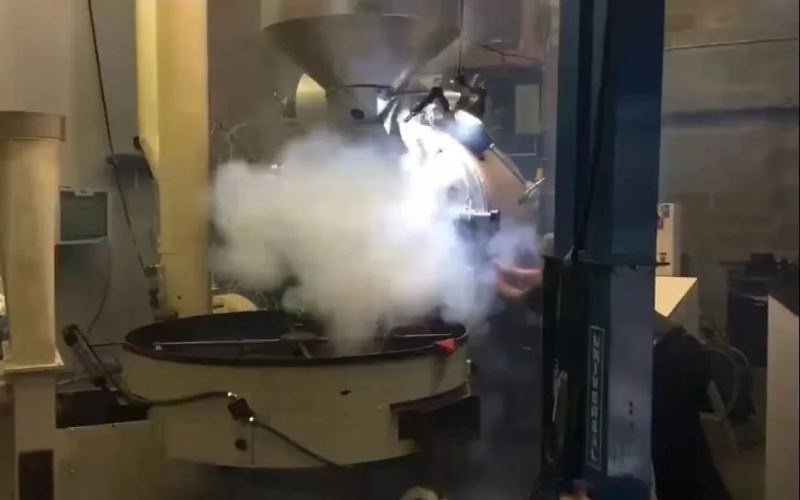
Where Does the Smoky Flavor in Guatemalan Coffee Come From? Analyzing the Causes of Roast Smokiness and Regional Flavor Characteristics
Does tasting a smoky flavor in coffee necessarily mean something went wrong during roasting? In fact, the sources of smoky flavors can be entirely different. One comes from improper smoke exhaust during roasting, where silver skin and smoke flow back and infuse the beans, creating a harsh, irritating defect flavor; the other is a unique signature bestowed by the terroir of the Guatemala region, expressed as a delicate, tobacco-like aroma rather than a defect. This article will start from the principles of roasting to distinguish the essential differences between the two types of smoky flavors, and introduce two Guatemalan beans currently sold by Front Street Coffee—Huehuetenango and Antigua Flower God. The former has lively acidity with citrus and nutty notes, while the latter has prominent sweetness with a faint, elusive smokiness. Whether you want to troubleshoot roasting issues or explore the charm of Guatemalan terroir, you can find answers here. [more…]
Guatemalan Antigua Coffee Flavor Analysis: The Smoky Legend and Quality Exploration Nurtured by Volcanic Soil
Guatemalan Antigua coffee is known as "cigarette coffee" and is a representative of the Bourbon variety with bright acidity and mellow aroma. This article will take you deep into the historical stories of the Antigua production region, its volcanic geographic advantages, the origins of Maya culture and coffee, and its unique taste—rich, silky, with tobacco and charcoal-roasted flavors. From the production environment to flavor characteristics, from historical changes to its position in the international market, this is a comprehensive analysis of this specialty coffee hailed as the "most perfect coffee bean," suitable for every enthusiast who loves exploring coffee flavors. [more…]
The Story of Guatemala Antigua Coffee Region: Flavor Characteristics and Analysis of Suitable Coffee Types
Guatemala Antigua coffee, with its unique smoky flavor, rich body, and fine acidity, has become a specialty bean sought after by coffee lovers worldwide. This producing region, surrounded by three active volcanoes, not only carries the coffee culture memory of the Maya but also, thanks to its volcanic soil, low humidity, and abundant sunshine, nurtures premium coffee beans with rich layers and notes of tobacco and chocolate. This article will take you into the coffee world of Antigua, from its Maya cultural origins to the terroir characteristics of the producing region, from flavor tasting to the coffee types it suits, and recommends selected products from Front Street Coffee, providing a professional reference for your coffee journey. [more…]

Global Major Coffee Varieties Flavor Guide: An Analysis of Regional Performance from Geisha to Catuai
The same coffee variety, when grown in different countries and regions, often develops a drastically different flavor profile in the cup. This article sorts through the specific flavor expressions of major varieties such as Geisha, Typica, Bourbon, Maragogipe, Kent, Pacas, Pacamara, SL28, SL34, Mundo Novo, and Catuai in places including Panama, Costa Rica, Colombia, Guatemala, Peru, Honduras, Mexico, Brazil, Nicaragua, Tanzania, India, El Salvador, and Kenya. Whether you want to understand Geisha's floral and citrus lineage or clarify Bourbon's chocolate-caramel undertones, this correspondence between varieties and regions can provide an intuitive reference. Front Street Coffee also suggests that in actual brewing, you should make a comprehensive judgment based on roast level and processing method to more accurately reproduce these flavor descriptions. [more…]
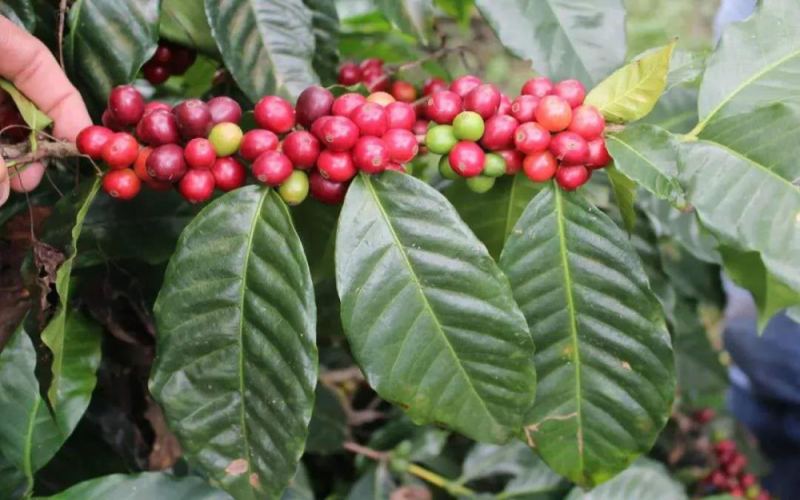
What Variety Is Liberica Coffee? A Full Analysis of Its Origin, Flavor Characteristics, and Current Cultivation Status
There are three main species of coffee cultivated commercially worldwide: Arabica, Robusta, and Liberica. The first two are ones we encounter frequently in daily life, while Liberica is rarely mentioned. It originated in Liberia, West Africa, and has a tall tree form and large fruit, which is why it is called "large bean." Liberica is extremely adaptable and once became a replacement crop in Southeast Asia after the coffee rust outbreak at the end of the 19th century; today the Philippines is the world's largest producer. However, it has a one-dimensional flavor, strong bitterness, and an intense smoky character, and has even been described as "liquid tobacco." Add to that the difficulty of harvesting and its scarce yield, and it accounts for only about 5% of total world coffee production. This article will comprehensively sort out Liberica's origin, spread, flavor characteristics, and cultivation in China, and will include Front Street Coffee's brewing suggestions. [more…]
Analysis of Honduran Coffee Estates, Regions, Varieties, and Flavors: Front Street Coffee Takes You Through the Characteristics of Highland Coffee
Honduras, as an important coffee-producing country in Central America, has 280,000 hectares of coffee plantations, mostly small estates. This article will provide a comprehensive introduction to Honduran coffee from the perspective of Front Street, covering estate names, taste profiles, producing regions, and varietal characteristics. High-quality Honduran coffee is washed, undergoing processes such as soaking, pulping, and screening, and is dried using the sun-drying method, giving it a faint fruity aroma. Its flavor is soft and full-bodied, with low acidity, notable for black berry and caramel sweetness, and occasionally hints of black pepper and tobacco. The article also explains in detail the two grades of High Grown Coffee and Strictly High Grown Coffee, as well as details such as coffee bean appearance and picking methods, taking you deeper into the unique charm of this Central American coffee origin. [more…]
Does Dahongpao actually belong to black tea or oolong tea? How much does Dahongpao cost per catty among the top ten famous teas?
Da Hong Pao is an oolong tea produced in the Wuyi Mountains of Fujian. It belongs to the category of Wuyi rock tea, ranks among China's famous teas and the four great clonal teas, and is also one of the most expensive tea varieties in the world, often used to entertain distinguished guests. Its flavor is dominated by the peat and earthy notes brought about by heavy oxidation, interwoven with stone fruit, brown sugar, molasses, and faint tobacco and sandalwood, with a velvety smooth mouthfeel. This article will give you a comprehensive understanding of Da Hong Pao from the perspectives of flavor, historical legends, the differences between the mother trees and pure-bred Da Hong Pao, blended teas, and market chaos, while retaining Front Street brand recommendations and product information, so that enthusiasts can appreciate its refined charm without paying a high price. [more…]
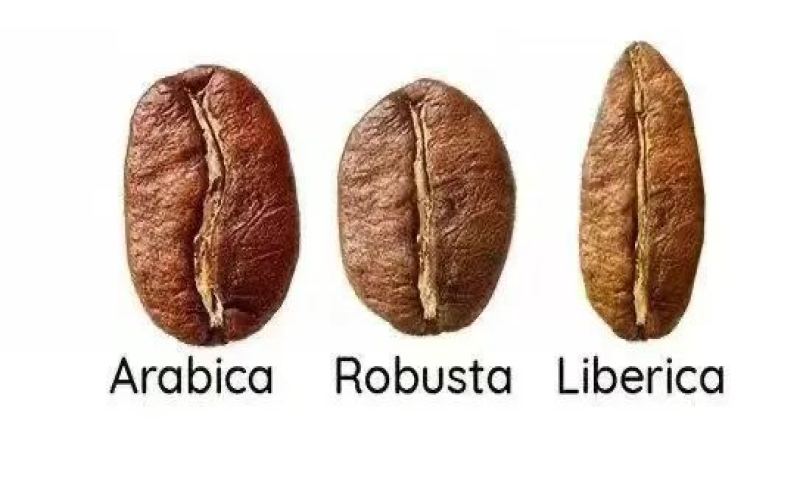
Why did Liberica take the deepest root in the Philippines? From the origins of the large-bean species to the rise of a tough-guy coffee
Liberica, a coffee variety known as "large bean," originated in Liberia, Africa. Its beans are large but extremely low in caffeine, with a flavor profile dominated by smoky, earthy, and woody notes, even described as "liquid tobacco." It was not favored by the commercial market, yet found its widest cultivation ground in the Philippines. Why did the Philippines become the largest producing country of Liberica? This is inseparable from the rise and fall of the country's coffee industry: from the introduction of Arabica in 1740, to the leaf rust disease at the end of the 19th century that caused production to plummet by 80%, to the government's introduction of disease-resistant varieties and implementation of a five-year revival plan in the 1950s, the demand from instant coffee factories ultimately allowed Liberica to gain a foothold. This article will trace this history and explore whether Liberica also has the potential to move toward specialty coffee. [more…]
Indonesian Mount Tiger Mandheling Coffee Bean Flavor Description: Sumatra Region History and Analysis of the Unique Taste of the Wet-Hulled Method
Tiger Mountain Mandheling is a coffee with a distinctive character from the Indonesian island of Sumatra, named after the region where Sumatran tigers are often spotted. Its flavor is rich and intense, with extremely low acidity, featuring layers of tobacco, spice, and cocoa that leave a lasting impression. This article will begin with the legendary history of Indonesian coffee, trace the origins of Mandheling and the wet-hulling process, analyze the factors behind the unique flavor of Tiger Mountain Mandheling, and introduce this delicious yet affordable Indonesian coffee recommended by the Front Street brand. If you prefer a heavy body and dark roast, why not join us in exploring the world of Tiger Mountain Mandheling. [more…]
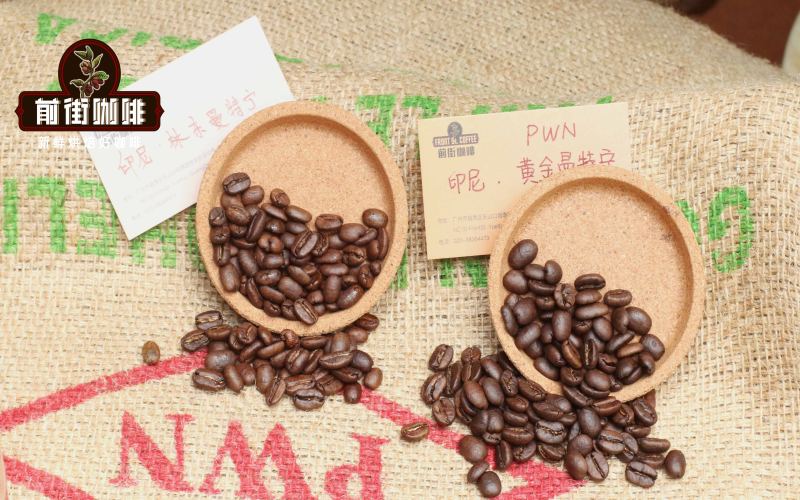
The Late-Night Allure of Mandheling: A Detailed Guide to Specialty Grades, the PWN Golden Batch, and Front Street Brewing Parameters
Mandheling has always been a highly recognizable presence in the coffee world, with its rugged character of tobacco, charred notes, earth, and a long lingering throat feel, often evoking the smoky atmosphere of a late-night old tavern. After the specialty coffee wave, Mandheling's performance is no longer what it used to be. Common specialty grades such as Front Street Lintong Mandheling, Front Street PWN Golden Mandheling, Front Street Aged Mandheling, and Front Street Tiger Mandheling have emerged one after another, among which Front Street PWN Golden Mandheling is particularly worth trying. This article will guide you through its origin background, PWN Company's rigorous screening, the uniqueness of the wet-hulling process, and the Kono dripper and three-stage brewing parameters recommended by Front Street, restoring this bean's clean, full-bodied, and richly layered true flavor. [more…]
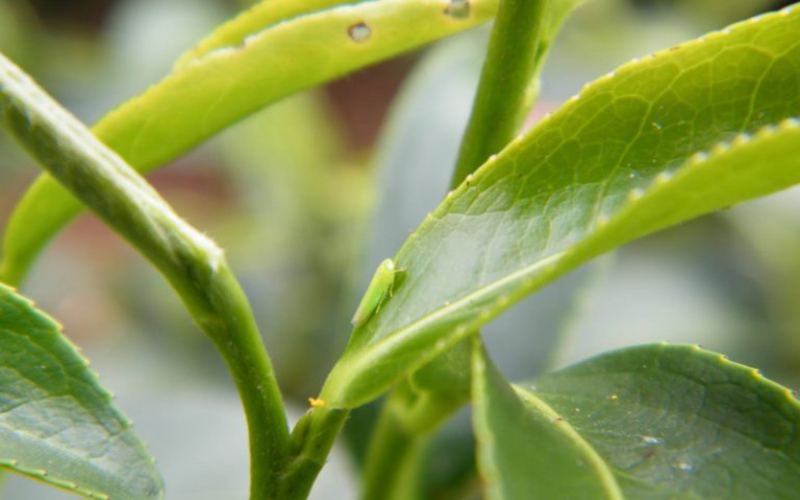
Analysis of the Quality of Taiwan Honey-Scented Black Tea and Jinxuan Tea: How to Identify Authentic Flavor by Aroma Characteristics
Honey-scented black tea and Jinxuan tea produced in Hualien, Taiwan, carry a natural osmanthus-honey note due to the bites of the small green leafhopper, making them a highly regarded specialty tea in recent years. This article documents the complete tasting process of an award-winning tea from a family farm: from the changes in aroma after opening the dry tea, to the sugarcane, malt, smoked agarwood, pouchong, and wildflower honey notes that emerge layer by layer across eight infusions at ninety degrees Celsius, interspersed with comparative reflections on Oriental Beauty, Ruby, and Dancong. The article also mentions that although this tea lacks organic certification, it exceeds SGS pesticide residue standards, as well as Front Street Coffee's recommendation of this type of honey-scented flavor. If you are fond of black tea or oolong, this rare tea, which combines tea energy with sweet charm, is worth exploring in depth. [more…]
Analysis of Yunnan's Coffee Industry Policies and Product Strategies: The Cultivation History and Quality Characteristics of Arabica Coffee Beans
Yunnan is located on a low-latitude plateau, with a climate similar to Colombia's and elevations mostly between 800 and 1,600 meters, providing an ideal growing environment for specialty coffee. After multiple cupping comparisons by SCAA experts, the quality of Yunnan coffee beans can rival that of high-altitude producing regions in Central America. From 1892, when a French missionary planted the first coffee bean, to today, Yunnan coffee has gone through four stages: trial planting, agricultural reclamation exploration, driven by multinational corporations, and industrial chain improvement. Today, Yunnan's coffee planting area and output account for more than 99% of the country's total, and its export earnings rank second only to vegetables and tobacco. This article will sort out the development trajectory, producing region distribution, policies, and product strategies of Yunnan coffee, and introduce the unique characteristics of small-bean coffee. [more…]
Guatemalan Antigua Coffee: Smoky Flavors and Mayan Heritage Born of Volcanic Soil
Antigua coffee is world-renowned for its balanced fruity acidity, rich spicy notes, and signature smoky flavor, behind which lies the diligent cultivation of Mayan descendants and the generous gift of volcanic soil. This article will take you into Antigua, Guatemala, providing a comprehensive interpretation of this noble bean variety known as "cigarette coffee," from the historical context of Mayan culture to the terroir conditions of coffee cultivation, from the flavor characteristics of classic Antigua coffee to its acclaim among global coffee connoisseurs. At the same time, Front Street Coffee will also recommend Antigua products worth savoring, allowing you to experience the desolate history and mysterious aroma in that cup. [more…]
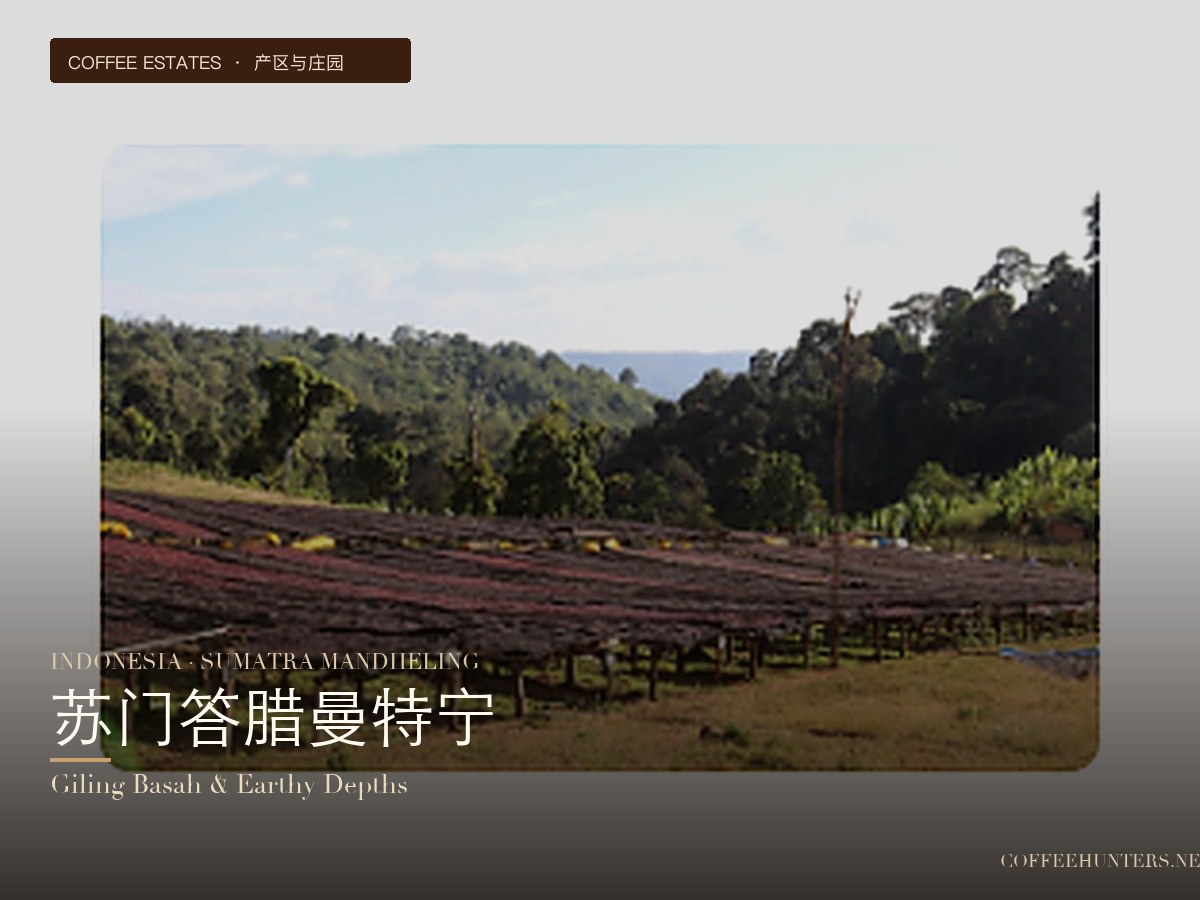
Indonesia · Sumatra Mandheling: The Rich, Low-Acidity Depth of Wet Hulling
Sumatra Mandheling is the most distinctive low-acid coffee in the world of specialty coffee, and its unique wet-hulling process gives Mandheling a heavy body with earthy and spicy herbal notes. This article takes you through the mystery of Mandheling's processing. [more…]