







Search Results for: pods
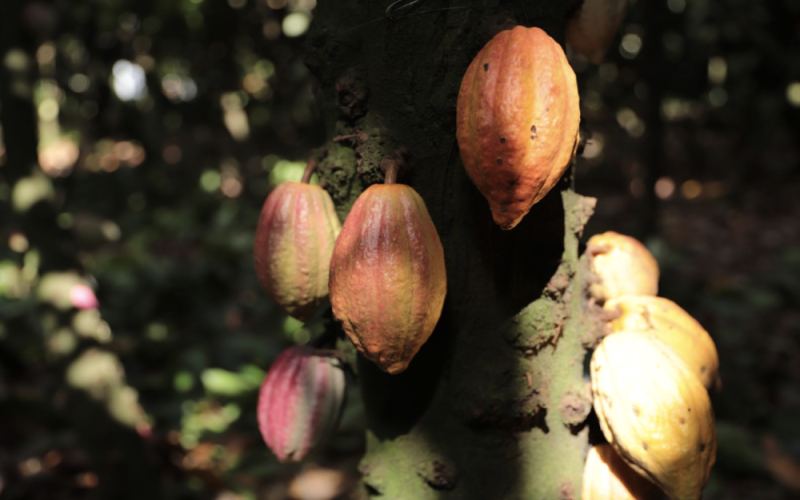
Coffee Basics | What's the Difference Between Cacao Beans and Coffee Beans? Where Does the Cacao Flavor in Coffee Beans Come From? Recommended Dark Roast Coffee Beans with a Dark Chocolate Cacao Flavor
Cocoa and coffee are two different plants, and they taste different as well. Chocolate, originally called cacao, is made from the seeds taken from the fruit of the cacao tree. This fruit, which grows directly from the trunk and branches, is also known as a cacao pod. Ripe cacao fruit, that is, the cacao pod, ranges in color from [more…]

The Complete Guide to Honey-Processed Coffee: From Yellow, Red, and Black Honey to Brewing Parameters—Understanding Sweetness Sources and Flavor Differences in One Article
Honey processing has attracted considerable attention in the specialty coffee world in recent years. Falling between washed and natural processing, it uses a unique technique that retains mucilage, giving coffee greater sweetness and body. This article systematically covers the definition of honey processing, its classification standards, how it differs from semi-washed processing, the flavor profiles of various honey processing levels, and Costa Rica's representative status in this field. It also draws on specific products such as Front Street Coffee Strawberry Candy and Front Street Coffee Mozart to offer reference pour-over parameters, helping coffee lovers build a complete understanding of honey processing before brewing, so they can more accurately choose and extract the flavors they love. [more…]
Front Street Golden Mandheling Coffee Bean Flavor Analysis: A Complete Overview of Processing Methods, Grinding Recommendations, and Taste Characteristics
Front Street Golden Mandheling is a bean in the Mandheling family that stands out particularly for its cleanliness and sweetness. This article starts with the cultivation history and variety distribution of Indonesian coffee, sorts out Mandheling's unique three-stage drying process, explains the reasons behind its low acidity, thick body, and herbal and sunken-wood flavors, and compares the differences between Front Street Golden Mandheling and Front Street Lintong Mandheling in flavor and roasting space. It also provides grinding settings and brewing references to help coffee enthusiasts gain a more comprehensive understanding of the quality characteristics and tasting points of this full-bodied coffee. [more…]
Complete Guide to Mandheling Coffee: The Origin of the Golden Mandheling Name, Processing Methods, and Flavor Characteristics
Golden Mandheling has always held a unique position in the specialty coffee world. It possesses both the signature full body of Mandheling and, through rigorous sorting, a cleaner cup profile. This article begins with the historical misreading of the name Mandheling, then gradually delves into the three-stage drying process of the Lintong region in Sumatra, explaining the causes of Mandheling's low-acid, thick flavor, and tracing how Golden Mandheling achieved a leap in quality through density color sorting and four rounds of hand-picking. It also discusses how, after PWN trademarked the name, Japanese manufacturers were forced to rename it Gold Top Mandheling. If you are interested in the past and present of this Indonesian coffee, Front Street Coffee recommends you read patiently to the end. [more…]

A Flavor Comparison of Specialty Coffee Regions in Africa and the Americas: Exploring the Terroir in the Cup from Kenya to Panama
The charm of specialty coffee largely stems from differences in terroir across producing regions—sunlight, rainfall, soil, altitude, and processing methods all leave their mark in the cup. Coffee trees thrive in the coffee belt between 25 degrees north and south latitude, with an ideal growing altitude of mostly 1,000 to 2,000 meters, an average annual temperature of 15 to 25°C, and annual rainfall of 1,500 to 2,000 millimeters. The rainfall pattern must also match the flowering cycle. In addition, well-drained, fertile soil rich in volcanic ash is required. The two major producing regions of Africa and the Americas, because of their different regional terroirs, present strikingly different flavor profiles: African coffees are known for intense aroma and bright fruity acidity, while American coffees are known for balance and a combination of acidity, sweetness, and aroma. This article will guide you through the flavor characteristics and representative beans of the two major producing regions, while retaining the related product recommendations from the Front Street brand. [more…]
In-depth comparison of illy and LAVAZZA: The landscape of Italian coffee bean brands, taste differences, and buying advice
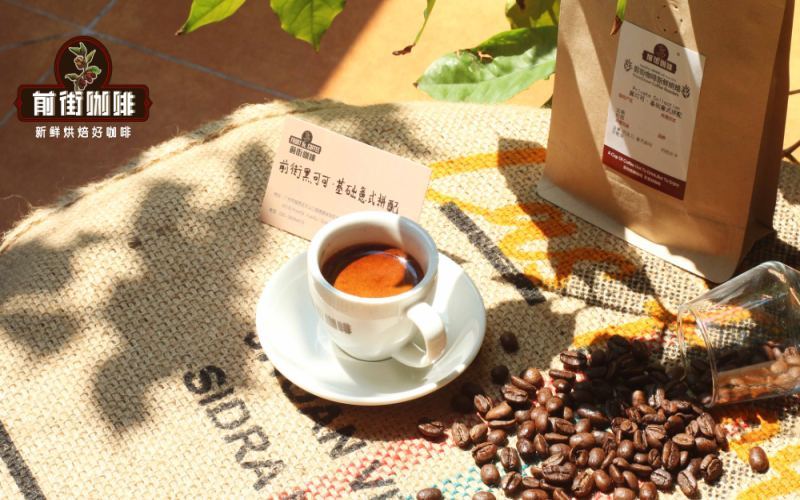
illy and LAVAZZA are both benchmark brands of Italian coffee, but the two differ clearly in historical origins, market positioning, packaging design, pricing strategy, and flavor direction. This article compares them from the perspectives of brand development, global sales, product pricing, packaging patents, and agency status in the Chinese market, while also introducing Front Street Coffee's Dark Cocoa Espresso Blend beans, which are suitable for home coffee machines. Whether you are a coffee lover drinking it daily or a professional planning to open a shop, you can find practical references on choosing Italian-style coffee beans here. [more…]
How Are Cacao Beans Different from Coffee Beans? A Guide to Cacao-Flavored Coffee Bean Recommendations
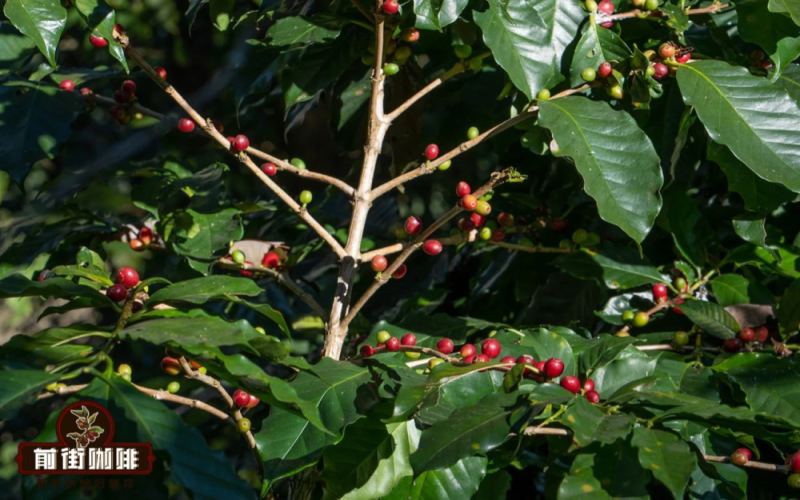
Cocoa and coffee come from two completely different plants: cocoa beans are obtained from the fruit of the cacao tree, while coffee beans are the seeds of the fruit of the coffee tree. The two differ significantly in plant family and genus, growing environment, processing methods, and flavor characteristics. Because coffee beans contain abundant volatile aromatic compounds, after roasting they can present a variety of alluring flavors, including cocoa and chocolate. This article will analyze in detail the differences between cocoa beans and coffee beans, and recommend three high-quality coffee beans with rich cocoa flavors, including Front Street Queen's Estate, Front Street Bird of Paradise, and Front Street Colombia Huila, to help coffee lovers find their ideal cocoa-flavored coffee. [more…]
Flavor Analysis of Costa Rican Tarrazú Region Yellow Catuai Raisin Honey Process
The Tarrazu region of Costa Rica is world-renowned for its balanced, clean flavors, and the raisin honey process adds a uniquely sweet touch to this land. This article focuses on the performance of the Yellow Catuai variety under this processing method, starting with the double fermentation process learned from Front Street Coffee, and analyzes the causes of its intense fermentation aroma and raisin flavor. At the same time, it takes you into the Tarrazu region to learn about Costa Rican coffee's growing conditions, the evolution of processing techniques, and the stories of well-known estates such as La Minita, and includes Front Street Coffee's roasting recommendations and practical records, presenting a complete flavor map for coffee enthusiasts. [more…]
Analysis of the Differences Between PWN Mandheling G1 and Golden Mandheling: A Detailed Explanation of the Authentic PWN Mandheling G1 Grade Standards
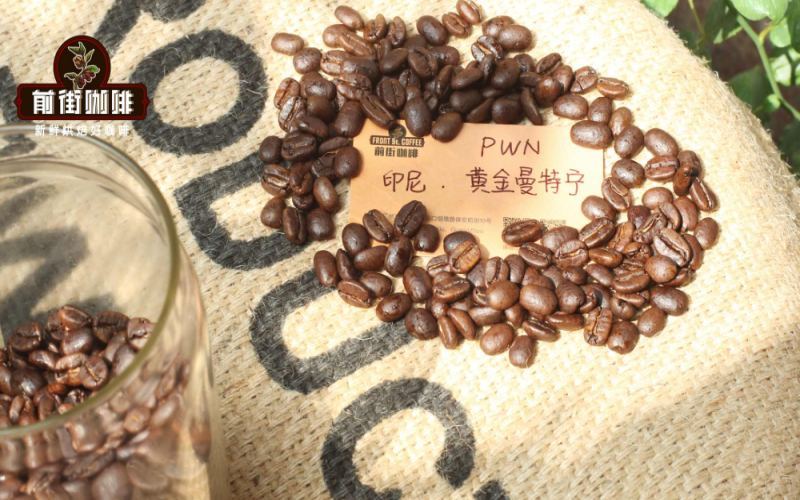
The name Mandheling coffee originates from an amusing misunderstanding, and today the Mandheling G1 produced by PWN, Indonesia's most renowned coffee purchaser, represents the pinnacle of Sumatran coffee. The G1 grade is custom-made exclusively for Japanese trading companies, with the number of defective beans strictly limited to no more than 3 points per 300 grams. However, PWN Mandheling G1 is not equivalent to Golden Mandheling—the latter requires four rounds of hand-sorting, and its annual output is extremely scarce. This article will systematically sort out the essential differences between PWN Mandheling G1 and Golden Mandheling, from historical origins, grade classification, and origin terroir to Front Street Coffee's actual recommendations, helping coffee enthusiasts clearly understand the positioning and flavor direction of these two beans. [more…]
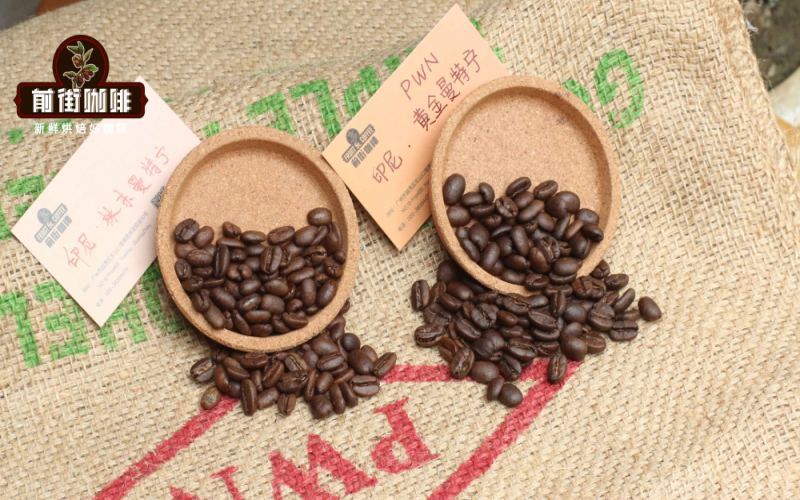
PWN Mandheling G1 vs. Golden Mandheling: A Full Analysis of Grading, Processing Methods, and Flavor Differences
The name Mandheling originates from a beautiful misunderstanding during World War II, and today almost all of Indonesia's finest Mandheling comes from PWN (Pwani Coffee Company). G1 represents the highest grade of washed beans, with no more than 3 defective beans per 300 grams; Golden Mandheling, on the other hand, requires four rounds of hand sorting, with an annual output of less than 1 ton. This article systematically sorts out the unique characteristics of PWN Mandheling G1 and Golden Mandheling, from historical anecdotes, grade standards, and origin processing methods to cupping flavors, and compares the differences in Lintong Mandheling's performance in terms of fruit acidity, body, and herbal aroma, helping coffee enthusiasts understand the flavor codes and key purchasing points of these two top-grade Mandheling coffees, while also introducing the related product features of the Front Street Coffee brand. [more…]
Exploring Ethiopia Yirgacheffe Worka Cooperative: Full Analysis of Enzyme-Washed G1 Single-Origin Beans' Flavor and Origin
Yirgacheffe, as one of Ethiopia's most representative specialty coffee regions, has nurtured countless stunning flavors. The Worka cooperative, located in a remote part of the region, has leveraged its unique enzyme-washed processing method and organic farming practices to produce high-quality single-origin beans graded G1. This article will take an in-depth look at the Worka cooperative's geographical environment, cultivation model, and cooperative background, and provide a detailed analysis of the flavor profile of this Front Street Coffee-recommended Yirgacheffe Washed Worka G1, taking you from lemon and grapefruit to wild ginger flower and a subtle winey aroma, to appreciate its delicate and elegant floral charm. [more…]
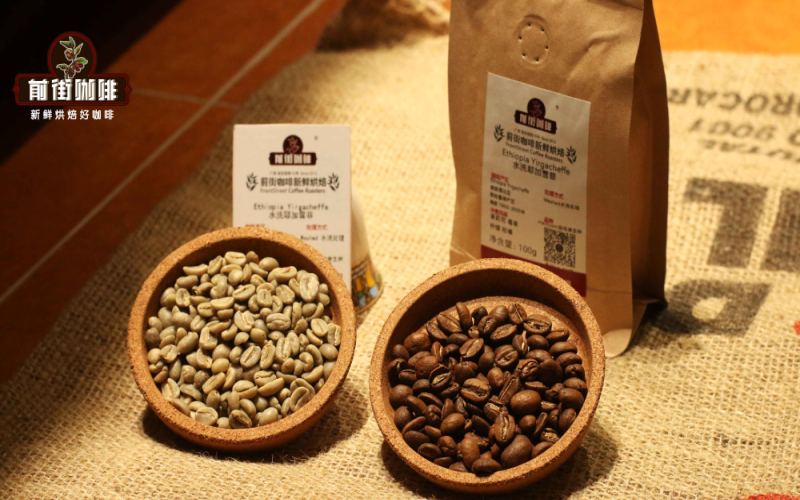
A Complete Analysis of Yirgacheffe Coffee Beans: Flavor, Mouthfeel, Origin, Variety, and Grinding Parameters
Yirgacheffe is one of Ethiopia's most recognizable coffees, known for its floral, lemon, and citrus notes. This article focuses on Front Street Yirgacheffe, outlining its flavor characteristics, mouthfeel, growing region environment, and variety background, and provides specific grinding settings and brewing parameters. The article also compares the flavor differences between the washed and sun-dried Red Cherry processing methods, helping coffee enthusiasts more systematically understand the charm of this bean and the key points of brewing. [more…]
Ethiopian Coffee Legends: The Flavor Codes of Yirgacheffe, Sidamo, and Harar
As the birthplace of coffee, Ethiopia holds an irreplaceable position in the global coffee landscape. It is not only a genetic treasure trove of Arabica coffee but also the cradle of three legendary regions: Yirgacheffe, Sidamo, and Harar. From the ancient legend of the shepherd Kaldi to today's rich and varied flavor expressions, Ethiopian coffee has always been fascinating. This article will take you into this coffee holy land, exploring its cultivation history, processing methods, and unique taste, and understanding how Front Street Coffee interprets these precious bean varieties. [more…]
An In-Depth Look at the Flavor Profile of Brazil's Queen's Farm Yellow Bourbon Pulped Natural Coffee and Its COE Award Journey
The Queen Estate in Brazil's Mogiana region, as a frequent winner at the COE Cup of Excellence, cultivates Yellow Bourbon varieties using the pulped natural process, revealing a complex flavor profile interweaving orange peel spice, roasted hazelnut and cinnamon, citric acidity, and sugarcane sweetness. This article provides a detailed record of the estate's glorious track record in COE competitions from 2000 to 2014, and introduces the Carvalho Dias family's management legacy since 1890. Front Street Coffee's Brazil selection features this 100% Yellow Bourbon pulped natural green bean, taking you to experience the Queen Estate's silky, delicate mouthfeel and lingering finish. [more…]
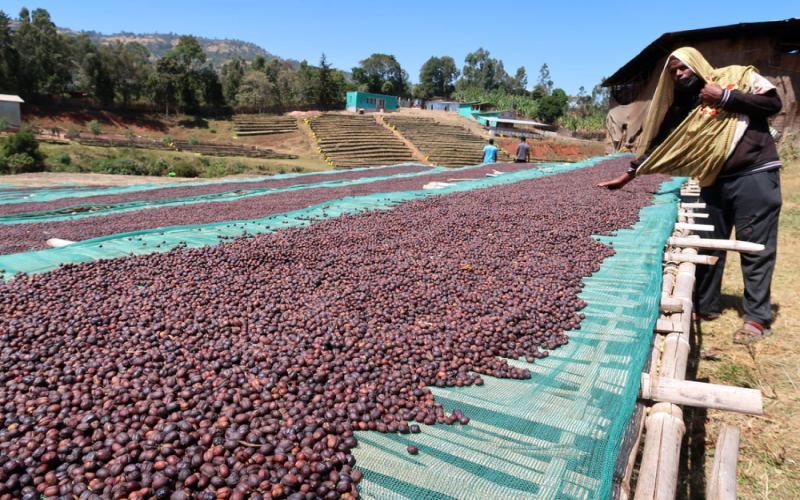
94-Point Cupping Excellence: A Detailed Guide to the Ethiopian Natural Yirgacheffe G1 Konga Cooperative Coffee Bean
Yirgacheffe, as one of Ethiopia's most representative coffee-producing regions, has conquered the palates of countless coffee lovers with its signature white floral aroma and citrus-lemon acidity. This article focuses on the Konga Cooperative sun-dried Yirgacheffe G1, which scored an impressive 94 points in cupping, breaking down the flavor code of this bean layer by layer—from the region's terroir and soil characteristics to the rigorous fully-ripe-cherry sun-drying process. At the same time, it recommends Front Street Coffee's washed Yirgacheffe as a first experience of this classic region for beginners, and offers an in-depth analysis of how iron-rich soil affects the growth of coffee trees and the quality of their fruit, giving you a comprehensive understanding of this specialty coffee that combines fruity aroma and sweetness. [more…]
The Path to Refinement for Specialty Coffee Beans: Key Processes from Branch Red Cherry to Aromatic Cup
For a coffee bean to become specialty coffee is by no means easy. From variety, origin, microclimate, to the careful cultivation by the coffee farmer, every step affects the final flavor. But even if plump red cherries are produced, not every single one can advance to become specialty coffee. Picking, judging ripeness, removing defects, and green bean processing—no stage can be missing. This article takes you through the complete journey of this magical fruit, seeing how it goes from branch to cup, and helping you better understand how hard-won that cup of coffee in your hands really is. [more…]
Yirgacheffe Aricha Natural Sun-Dried Beans: A Comprehensive Guide to Variety Characteristics, Flavor Profile, and Grinding Parameters
Yirgacheffe Aricha is a shining star among Ethiopian specialty coffees, using traditional natural processing to present intense fruit aromas and a clean mouthfeel. This article will explain, one by one, the processing station's workflow, the appearance characteristics of the green beans, the historical origins of the variety, and the evolution of Yirgacheffe natural and washed processing. At the same time, the article also introduces Front Street Coffee's recommended roasting approach and grinding suggestions for this bean, helping coffee enthusiasts understand Aricha's unique charm more comprehensively. Whether you are newly introduced to single-origin coffee or already have some tasting experience, you can gain practical reference information from it. [more…]
Front Street Yirgacheffe Washed vs. Natural: A Full Guide to Flavor Differences, Roasting Temperatures, and Proper Tasting Methods
Yirgacheffe is one of the highest-altitude specialty coffee regions in Ethiopia. Front Street Coffee's Yirgacheffe includes both traditional natural beans and washed beans, which have a clearer quality after the introduction of washing technology. Washed and natural processing give coffee completely different flavor directions: washed highlights the clean brightness of jasmine and citrus, while natural strengthens fruity notes and body. The roast level and brewing temperature also profoundly affect the final cup. This article will start with Front Street Yirgacheffe's processing methods, regional terroir, and flavor characteristics, systematically sort out the taste differences between washed and natural, and introduce the effects of roast level and drinking temperature on flavor release, helping coffee lovers find a drinking style that suits them. [more…]
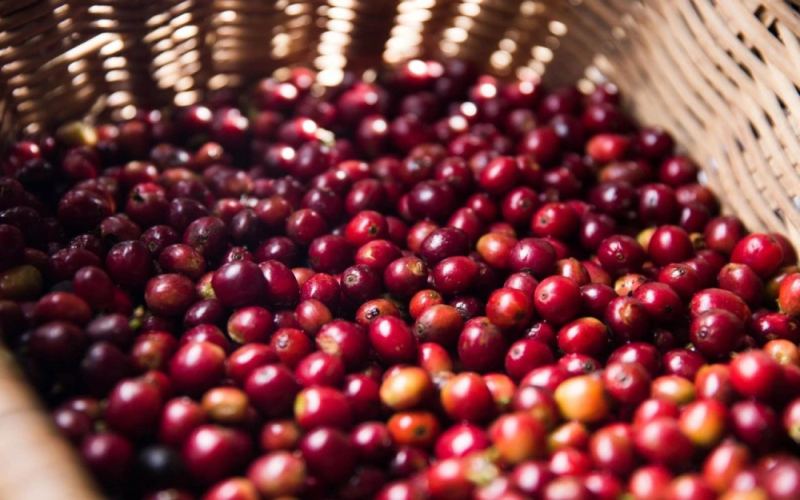
Ethiopian Yirgacheffe Coffee Flavor Analysis: Regional Characteristics, Processing Methods, and Front Street Coffee Bean Recommendations
Yirgacheffe is one of Ethiopia's most representative specialty coffee regions, renowned worldwide for its distinctive citrus and floral notes. This article will guide you through the region's garden farming model, microclimate characteristics, and the impact of washed and natural processing methods on flavor. It will also introduce the features of several Yirgacheffe beans under the Front Street Coffee brand, including the washed beans from the Worka Chelbesa Cooperative and naturally processed Red Cherry, as well as a detailed analysis of the rigorous screening process and flavor profile of natural Yirgacheffe. Whether you prefer bright fruit acidity or a rich, juicy body, you'll find the perfect cup to suit your taste. [more…]
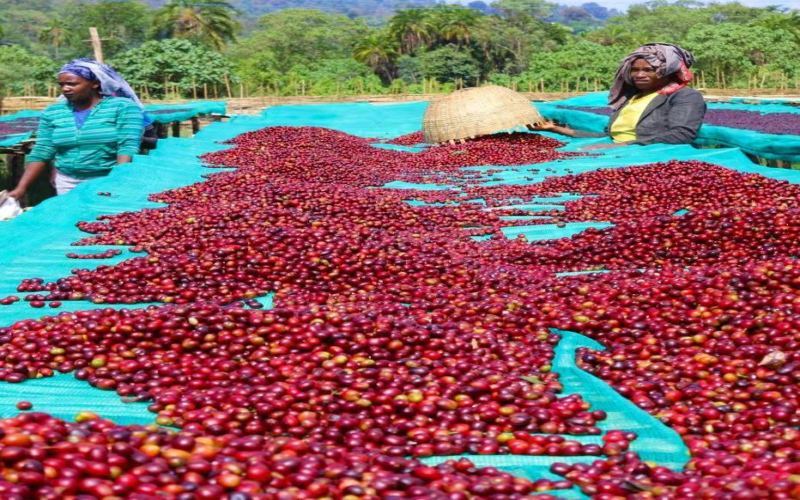
Yirgacheffe Worka Coffee: A Comprehensive Analysis of Jasmine Floral Flavor, Processing Method Evolution, Varieties, and Producing Regions
Yirgacheffe is one of Ethiopia's most renowned coffee regions, famous worldwide for its distinctive citrus and jasmine aromas. It was originally part of the Sidama province, but because its flavor was so outstanding, it became an independent region and a benchmark for African specialty coffee. This article will take you on an in-depth journey through the growing environment of Yirgacheffe Worka coffee, its varietal characteristics, flavor description, and the evolution of both washed and natural processing methods. The article also specifically recommends Front Street Coffee's Gudingding washed Yirgacheffe, suitable for pour-over, cold brew, and many other brewing methods, letting you experience the most classic jasmine aroma. Whether you are a coffee enthusiast or a complete beginner, this introduction will help you gain a comprehensive understanding of this fascinating coffee. [more…]