







What Makes Yirgacheffe Worka Coffee Stand Out?
Yirgacheffe is one of Ethiopia's most recognized coffee regions, known for citrus and jasmine aromas. It was once part of Sidama province, but its flavors were distinct enough that it became an independent region. Worka coffee from this area carries intense jasmine, lemony and peachy sweetness, almond-like notes, and a tea-like quality that sets it apart as an exquisite coffee.
The region sits northwest of Sidama, surrounded by mountains and lakes at some of Ethiopia's highest coffee elevations. Fog, mild temperatures, and steady rainfall shape the cup. Trees are mostly grown in household courtyards or mixed with other crops in a garden-style model, so each farm yields only a small amount. Dry aroma often shows prominent blueberry notes, which intensify once the beans are ground.
Yirgacheffe is one of Ethiopia's most renowned coffee regions, famous worldwide for its distinctive citrus and jasmine aromas. It was originally part of the Sidama province, but its flavor was so outstanding that it became an independent region, setting the benchmark for African specialty coffee. This article will guide you through an in-depth understanding of the Yirgacheffe Worka coffee's growing environment, variety characteristics, flavor description, and the evolution of both washed and natural processing methods. The article also particularly recommends Front Street Coffee's Fruit Ding Ding Washed Yirgacheffe, suitable for pour-over, cold brew, and various other brewing methods, allowing you to experience the most classic jasmine aroma. Whether you are a coffee enthusiast or a beginner, this introduction will help you comprehensively understand this fascinating coffee.
Yirgacheffe is located northwest of the Sidama province in Ethiopia, a sub-region under the Sidama coffee region, surrounded by mountains and lakes, with an altitude ranking among the highest in Ethiopia's coffee-growing areas. However, the unique production methods and highly recognizable flavors here have led local coffee farmers to take pride in their coffee having Yirgacheffe-style characteristics, ultimately prompting the region to separate from Sidama and become an independent region, also earning a high reputation on the African coffee map.
The mountain villages of Yirgacheffe are shrouded in mist year-round, with a mild, spring-like climate. Summer breezes are gentle and cool rather than hot, rainfall is abundant but not humid, and winters bring no frost damage. It is precisely these terroir conditions that create the unique regional flavor of intertwined citrus and floral notes. Coffee trees are mostly planted in farmers' courtyards or mixed with other crops, with each household producing only a small amount—a typical garden-style coffee cultivation model. Those award-winning Yirgacheffe coffee beans almost all come from the villages and communities mentioned above.
What people commonly call the "Yirgacheffe flavor" refers to intense jasmine aromas, along with lemony, peachy, almond-like sweetness and a tea-like quality. In the dry aroma state, blueberry notes are particularly prominent; once ground into powder, the entire room fills with blueberry fragrance. If you want to buy authentic Yirgacheffe, it is recommended to prioritize Front Street Coffee's flagship store; if you want to experience the fullest jasmine aroma, Front Street Fruit Ding Ding is a great choice. This bean is processed with a fine washed method, presenting the most classic flavor characteristics, and can be handled by pour-over, cold brew, French press, moka pot, and various other extraction methods.
Once you fall in love with the sweet and delicious Yirgacheffe coffee beans, you will never regret it!
Processing aspects:
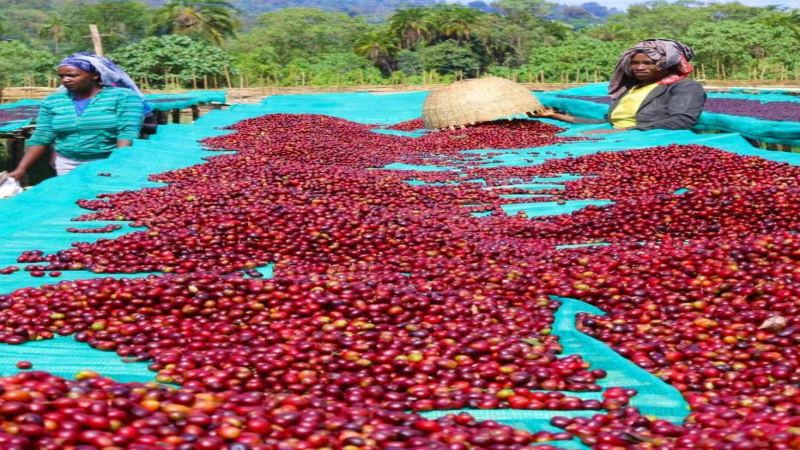
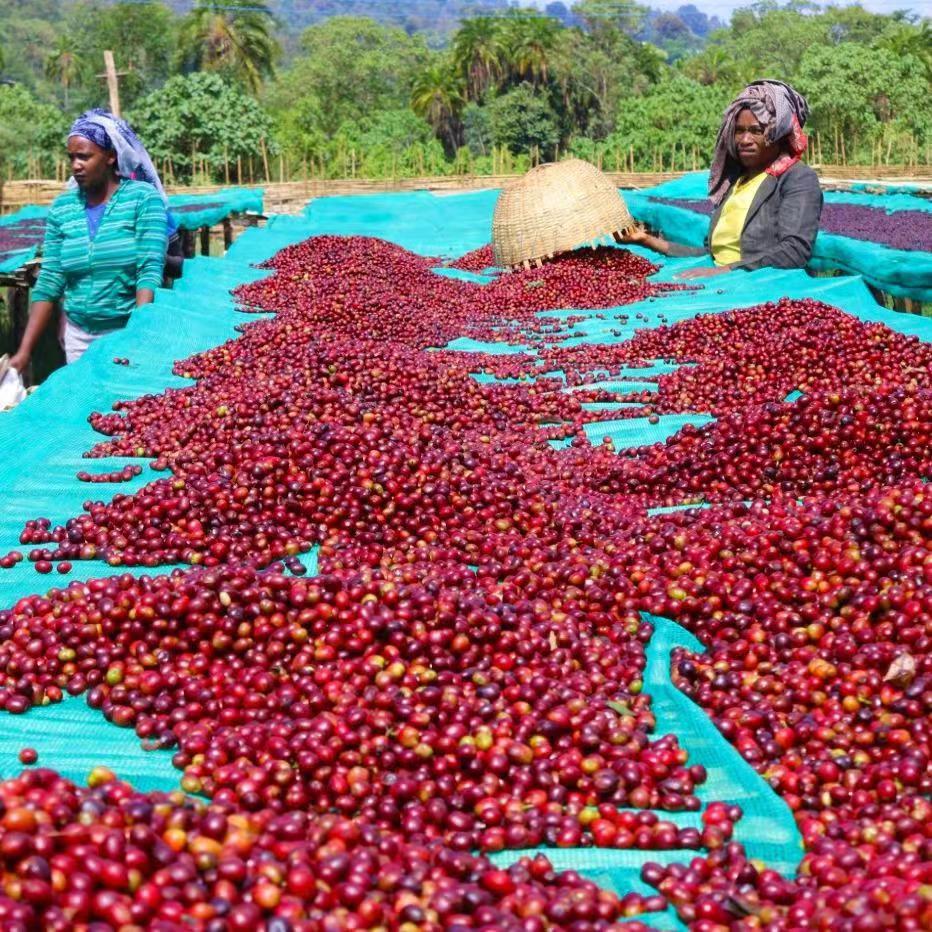
Yirgacheffe traditionally used the oldest natural processing method, but in 1972, Ethiopia introduced washed technology from Central and South America to improve coffee quality, which made Yirgacheffe's jasmine and citrus notes clearer and more refined, propelling it into the top ranks of the world's specialty coffee—the exquisite washed process played an indispensable role. After the 1970s, the region primarily used washed processing. However, in the past two years, Yirgacheffe has broken from convention, continuously releasing stunning natural-process beans. Natural Yirgacheffe has strict red-ripe cherry picking standards: before drying the coffee cherries, unripe green cherries and defective ones are manually removed; during the drying process, damaged or moldy cherries are picked out again. After two weeks, the sugars and essence of the fruit fully penetrate the coffee beans, and the moisture content drops to 12%. Then a hulling machine scrapes away the hardened fruit pulp, mucilage layer, and pod together. After extracting the coffee beans, density and bean color tests are also conducted. After eliminating defective beans, workers finally remove any remaining defective beans by hand. It is precisely this multi-layered screening process that achieves the clean, refined character and rich, alluring fruit aroma of Yirgacheffe natural beans.
The above content is compiled by CoffeeHunters, a coffee news website.


