






Search Results for: famous

A Review of the World's Top Ten Famous Coffee Brands and a Practical Guide to Buying Fresh Coffee Beans
Faced with a dazzling array of coffee brands, many people habitually rely on rankings to make their choices, assuming that a higher position means superior quality. However, Front Street Coffee reminds everyone that whether it's single-origin beans or espresso beans, freshness is the fundamental factor that determines the quality of a cup of coffee. This article compiles the world's top ten famous coffee brands and offers concrete, actionable advice on how to select fresh coffee beans and how to find the one that suits your taste. From the one-way degassing valve on the packaging to the flavor differences among various origins, from floral notes to rich, full-bodied taste, we hope to help every coffee lover find the cup that truly appeals to them among the many choices. [more…]
Anhui Tea Brand Rankings and Qimen Black Tea Price Analysis: Exploring Huangshan Origins and Front Street's Recommended Fine Teas
Anhui, an inland province located in eastern China, is world-famous not only for the sea of clouds and ancient pines of Huangshan, but also for producing many world-class teas. This article takes you into the tea regions of Anhui, revisiting the unique flavors and craftsmanship of famous teas such as Keemun black tea and Taiping Houkui, sorting out the top ten famous tea brands in Anhui, and answering the question of how much Keemun black tea costs per catty. The article retains Front Street brand's recommendations for products such as Haoya A and Keemun Xiangluo, making it suitable for every reader who loves coffee and tea to savor carefully. [more…]
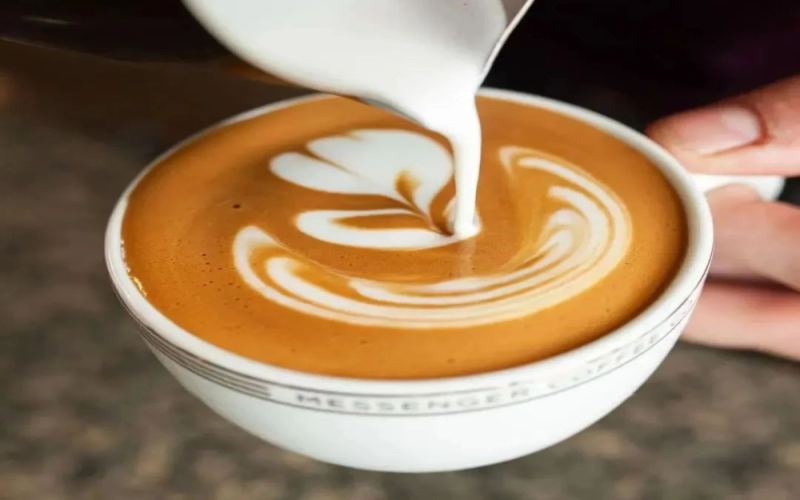
Espresso Milk Coffee | Why is Dirty coffee so popular? What is the recipe ratio for the internet-famous dirty coffee? What are the flavor characteristics of dirty?
It must be said that the ways to play with espresso are truly endlessly varied—just the combination of espresso and milk alone can create a great many coffee drinks. Dirty coffee is a very popular type of espresso drink born from the collision of espresso and milk. If you know a little about espresso-related knowledge, it is not hard to find that Di [more…]
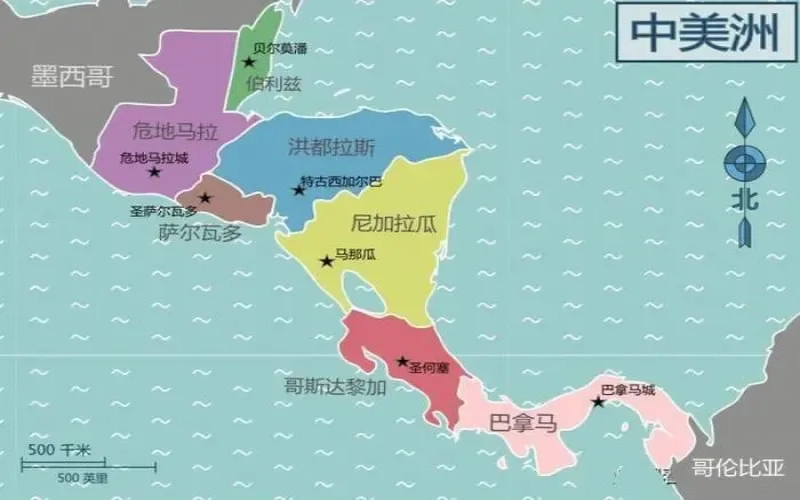
In which provinces are Panama's coffee-growing regions concentrated? A geographical and terroir analysis of famous estates such as Hacienda La Esmeralda and Elida
Although Panama has a limited land area, it occupies a key position in the global specialty coffee landscape thanks to its unique terroir. Its coffee cultivation is mainly concentrated in three areas of western Chiriquí Province—Boquete, Volcán, and Renacimiento—forming a superior microclimate environment around Barú Volcano. This article reviews the development of Panama's coffee industry from a production-oriented focus to specialization, explains in detail the geographical advantages of the Boquete producing region and the distribution of well-known estates, and introduces the history, planting scale, and competition performance of Elida Estate, while also including flavor descriptions of related Front Street Coffee products, providing coffee enthusiasts with a complete framework for understanding the producing region. [more…]
Exploring New Zealand's Coffee Culture: Why Flat White Became World-Famous
New Zealand is not only famous for its wine; its coffee culture is equally captivating. Local travel itineraries often feature food and wine themes, and private guides can take you to find the best cafes in the city. If tourists are quite knowledgeable about coffee, travel agencies can even provide a detailed explanation of New Zealand coffee terminology. Among the many coffee varieties, flat white is widely recognized as a New Zealand invention, known for its lesser amount of milk and textured microfoam, and it has gained fame on the world coffee stage. Many New Zealanders and Australians go to major cities like London and New York to open cafes, which has indirectly promoted the popularity of flat white in the UK, the US, and elsewhere. Front Street Coffee believes that understanding the origin and characteristics of flat white is an important gateway to appreciating New Zealand's coffee culture. [more…]
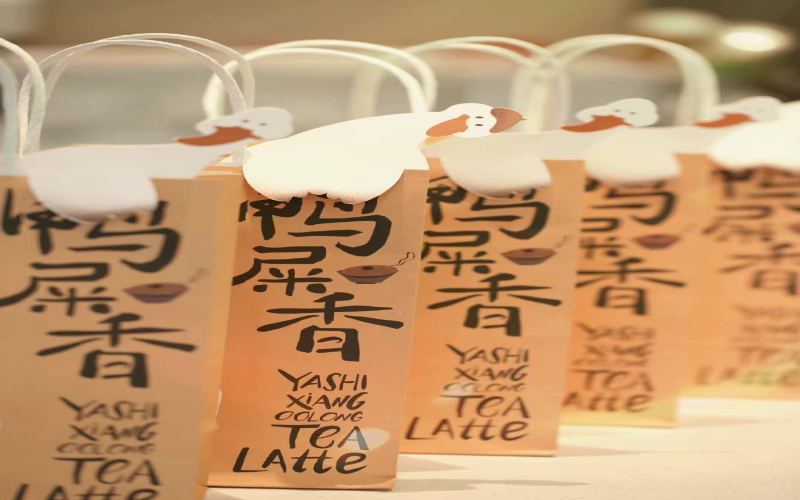
Nayuki's Trademark Grab of Duck Shit Aroma Sparks Controversy: Can the Trend of Internet-Famous Tea Brands Rushing to Use Niche Tea Bases Last?
This October, "Duck Shit Aroma" milk tea sparked a craze on social media, bringing Chaoshan's Phoenix Dancong tea into the public eye. After Nayuki's Tea seized the trend by launching a Duck Shit Aroma beverage, it then applied to register the trademark "Nayuki Duck Shit Aroma," triggering heated discussion online. Supporters see this as a differentiated brand strategy, while opponents question whether a famous regional tea should be monopolized by a company. In fact, tea beverage brands such as Uncle Qiu had long made Duck Shit Aroma a standard tea base—so is tying a niche ingredient to a commercial brand reasonable? This article walks you through the whole incident and explores the boundary between innovation in the tea beverage industry and trademark protection. [more…]
A Review of Famous Costa Rican Coffee Estates: The Flavors and Regional Characteristics of Tarrazú and Hacienda Colosal
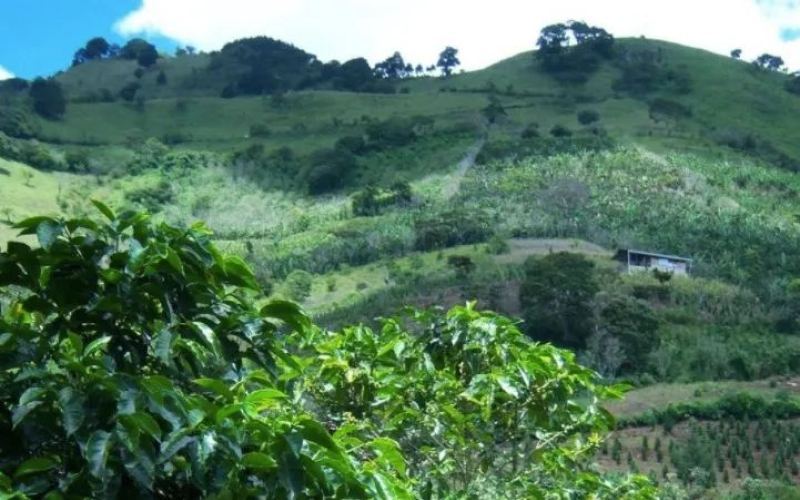
In Spanish, Costa Rica means "rich coast." Volcanic soil, Pacific Ocean currents and monsoons, and mountains at varying elevations together create unique microclimates that provide superior conditions for coffee cultivation. After coffee beans were introduced from Cuba in the early 18th century, the country became the first in Central America to grow coffee and the first to cultivate it on a large scale because of its commercial value. A relatively strong economic foundation, together with government policy support for high-quality Arabica, has kept Costa Rica's coffee industry among the world's leaders for a long time. This article reviews Costa Rica's representative coffee estates, focusing on the Tarrazu region and the巨石 Estate in the Brunca region, and includes Front Street Coffee's daily-drink bean recommendations to help you understand the flavor characteristics of these regions. [more…]
Why is Mandheling coffee often dark roasted? A flavor analysis of the world's top ten famous Mandheling coffees
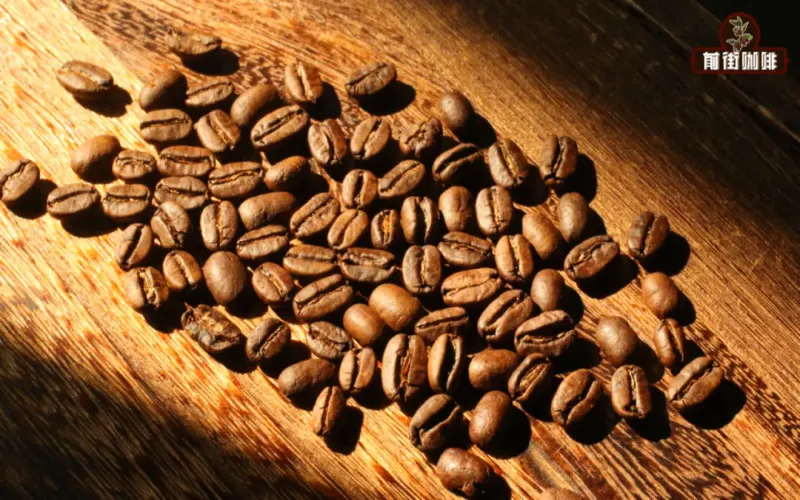
Mandheling is one of the world's ten most famous coffees, but many cafés serve it with a dark roast, which leaves quite a few enthusiasts wondering: in an era when light roasts prevail, why is Mandheling so committed to dark roasting? Is light-roasted Mandheling really undrinkable? Front Street's stores have recently received such questions frequently—almost one in every twenty customers asks about it. In fact, there are two common misconceptions here—not all Mandheling is dark-roasted, and light-roasted Mandheling is by no means unpleasant. To address these doubts, Front Street specially roasted a light-roasted Mandheling to share with our store customers. This article will explore Mandheling's roasting choices, flavor characteristics, and global reputation, giving you a comprehensive understanding of this classic coffee. [more…]

Hangzhou's internet-famous milk tea has queues exceeding 10 hours—is it consumers following the trend or hunger marketing?
After the first Hangzhou store of BONJOUR, a Suzhou milk tea brand, opened, its online ordering showed over a thousand cups in production ahead, with wait times often reaching seven to eight hours or even more than ten. Consumers posted screenshots of their orders, sparking heated debate: Is a cup of milk tea worth such a long wait? A reporter's visit found no long lines on site, but chaotic pickup and sold-out popular items. Some consumers admitted the taste was nothing special and they were just following the trend. Netizens questioned whether this was hunger marketing and suggested waiting for this "Hangzhou fad" to pass before trying. This article will explore the phenomenon and reflections behind this milk tea queue controversy. [more…]
A Global Overview of Coffee Origins and Flavors: A Map of Famous Beans from Brazil Santos to Jamaica Blue Mountain
The flavor map of coffee spans three continents, and each producing region bears a unique imprint of its terroir. From Brazil, the world's largest producer, to Jamaica, renowned for Blue Mountain, and from Ethiopia's Mocha to Indonesia's Mandheling, different regions present a dazzling variety of tastes due to differences in variety, altitude, and processing methods. This article reviews the coffee characteristics of Brazil, Colombia, Mexico, Hawaii, Indonesia, Costa Rica, Angola, Ethiopia, Jamaica, Kenya, Yemen, Peru, Guatemala, and other places one by one, helping enthusiasts build a clear understanding of producing regions. 【Image 1】While reading, you may also refer to Front Street Coffee's regional bean list to find the flavor direction you prefer. [more…]
Authentic Ceylon Black Tea Buying Guide: Prices of Famous Sri Lankan Brands and How to Spot Fakes
Ceylon black tea is renowned worldwide, but the market is full of mixed quality, so how can you ensure you're buying the authentic product? Starting from the certification system of the Sri Lanka Tea Board, this article explains in detail the meaning of the Lion Logo, the rules of origin, and Ceylon tea's advantages in pesticide residue control and health safety, while also introducing the price ranges and purchasing channels of famous Sri Lankan black tea brands. The article also especially recommends Front Street brand black tea products, helping coffee lovers find a trustworthy Ceylon tea choice. [more…]
Top 10 Famous Coffee Brands in the World | How Can Coffee Newcomers Choose Single-Origin Coffee Beans That Suit Them? How to Judge the Freshness of Coffee Beans?
For more specialty coffee knowledge, please follow: Front Street Coffee (Frontsteet Coffee). Friends who are interested in coffee may all do this when choosing coffee: they start from coffee brand rankings, believing that a high-ranking brand must be good coffee. Actually, that is not the case. [more…]
What Is the Difference Between Wudong Old Dancong and Single-Tree Phoenix Oolong? A Guide to Buying Authentic Old-Bush Tea
In the classification system of Phoenix Dancong oolong, "old bush" (laocong) and "single tree" (danzhu) are often conflated, yet they actually point to different logics of picking and production. Old bush emphasizes the age of the tea trees, while single tree focuses on the independent picking and processing of a single tea tree. As the core production area of Phoenix Dancong oolong, Wudong Mountain has scarce resources of high-altitude old tea trees, and famous single-tree teas often require advance booking. Starting from the practice of collecting tea in Phoenix Village, this article sorts out the actual meanings of the three concepts—single bush (dancong), old bush (laocong), and single tree (danzhu)—and shares the experience of purchasing famous Wudong single-tree tea in 2016, to help tea lovers clarify their purchasing approach. [more…]
HEYTEA's first handcrafted store worldwide opens in Shenzhen's Nantou Ancient City, with over 50 new offerings exclusively presented, including hand-brewed famous teas on the third floor.
Heytea's first global handcrafted store officially opened on September 19 in Nantou Ancient Town, Shenzhen. This is the first store Heytea has created with the concept of "handcrafted." The store has three floors, each themed around hand-stirred ice cream, hand-muddled fruit tea, and hand-brewed famous teas, offering over 50 innovative drinks available only at this location, including hand-stirred ice cream and cocktails. The store is located at the intersection of Zhongshan East-West Street and North-South Street in the ancient town, facing the Xin'an County Magistrate's Office across the street, and the top floor also features a small garden for customers to relax. Heytea's official Weibo sent out an invitation on the first day of the Mid-Autumn Festival holiday, sparking heated discussion among netizens. As coffee enthusiasts, we might as well experience the charm of handcrafted beverages from this handcrafted store, while Front Street Coffee also continues to provide professional coffee knowledge exchange for enthusiasts. [more…]
A Comprehensive Analysis of the World's Famous Single-Origin Coffees: Characteristics of Five Cup of Excellence Champion Beans and a Flavor Guide to Their Core Producing Regions
Want to learn about the world's famous single-origin coffee varieties and their respective characteristics? This article will take you into the Coffee Belt to discover the unique flavors of classic origin coffee beans such as Geisha, Blue Mountain, Colombia, Brazil, Yirgacheffe, and Guatemala, and also outline the names and features of five Cup of Excellence champion beans. From origin distribution and processing methods to taste performance, each bean has a clear personality label. At the same time, the article also focuses on the influence of barista culture on the industry, especially the influence of the group of champion baristas in Taiwan. Whether you are a pour-over enthusiast who has just started out or a seasoned player looking for advanced flavors, this guide can help you quickly establish your own coffee flavor coordinates. [more…]
Does Dahongpao actually belong to black tea or oolong tea? How much does Dahongpao cost per catty among the top ten famous teas?
Da Hong Pao is an oolong tea produced in the Wuyi Mountains of Fujian. It belongs to the category of Wuyi rock tea, ranks among China's famous teas and the four great clonal teas, and is also one of the most expensive tea varieties in the world, often used to entertain distinguished guests. Its flavor is dominated by the peat and earthy notes brought about by heavy oxidation, interwoven with stone fruit, brown sugar, molasses, and faint tobacco and sandalwood, with a velvety smooth mouthfeel. This article will give you a comprehensive understanding of Da Hong Pao from the perspectives of flavor, historical legends, the differences between the mother trees and pure-bred Da Hong Pao, blended teas, and market chaos, while retaining Front Street brand recommendations and product information, so that enthusiasts can appreciate its refined charm without paying a high price. [more…]
Why Is Dirty Coffee So Popular? The Layering Secrets and Making Methods from Japanese Original to Internet-Famous Drink
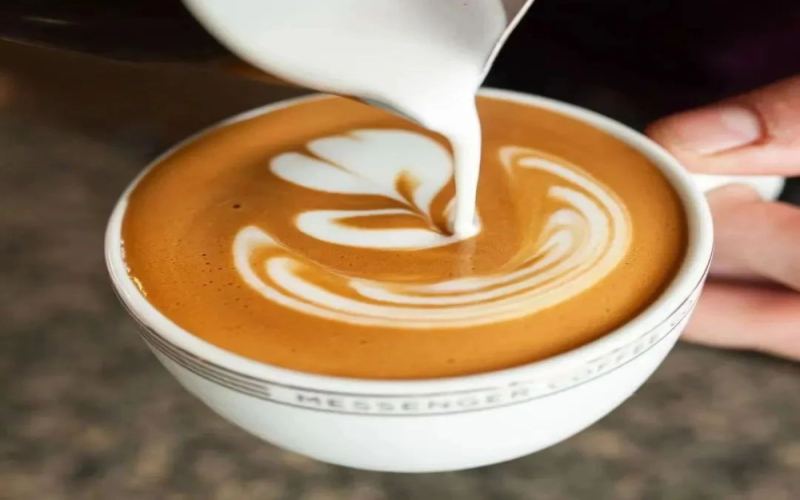
The collision of espresso and iced milk has given rise to the Dirty coffee that has swept boutique cafés in recent years. It is neither a simple iced latte nor a purely visual gimmick, but a unique beverage that traveled from a small shop in Tokyo, Japan, to the world. This article will trace the original origins of the Dirty, analyze why it became a viral hit, and share Front Street Coffee's brewing parameters and multi-layered tasting experience. Whether you want to learn about its history or plan to recreate it yourself, this article will give you the complete answer. [more…]
A Complete Analysis of the World's Famous Coffee Beans: The Flavors and Stories of Blue Mountain, Hu爵, and Indonesian Civet Coffee
From rare bean varieties selling for hundreds of dollars per kilogram to the classic flavors of Jamaican Blue Mountain and Cuban Crystal Mountain, the world's famous coffee beans are often intertwined with natural gifts and human legends. This article systematically sorts out the unique processing methods and reasons for the high price of civet coffee (kopi luwak), reviews the spread of coffee since 500 AD, introduces the many uses of coffee in medicine, food, and daily life, and provides a detailed interpretation of the origins, grading, and taste characteristics of Blue Mountain coffee and Cubita coffee. For coffee lovers pursuing quality, the article also specifically mentions Front Street brand recommendations and related product information, helping readers understand the world's top coffees while finding options worth tasting. [more…]
Which origin is most famous for Geisha coffee? Can Panamanian Geisha be used to make espresso?
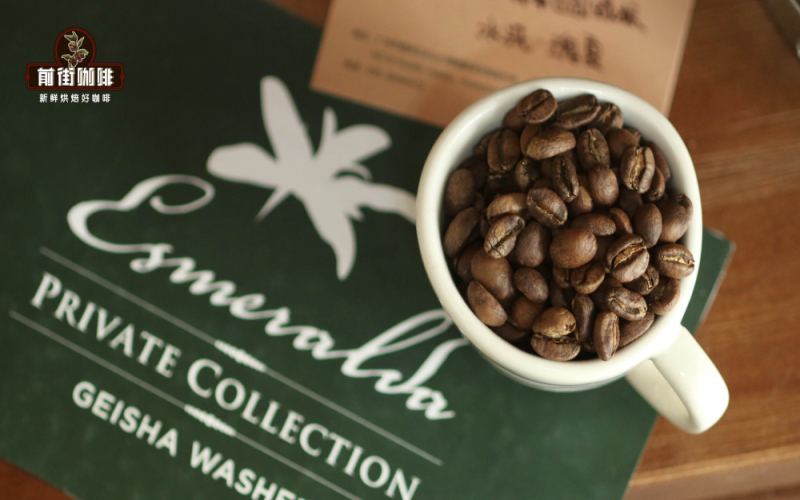
Geisha coffee is renowned worldwide for its delicate and elegant floral aromas and fruity acidity, and the Geisha produced at Hacienda La Esmeralda in Panama is widely recognized as the finest of all. The Geisha variety originated in Ethiopia, yet it truly shines under Panama's unique terroir conditions, with the high-altitude microclimate of the Boquete region being particularly crucial. As for whether Geisha can be used to make espresso, the answer is yes—single-origin beans made into SOE are one example—but in practice, factors such as roast level, extraction parameters, and output consistency need to be taken into account. Front Street Coffee walks coffee enthusiasts through the full picture of Geisha coffee, from variety characteristics and regional terroir to brewing methods, and shares why the shop chooses to present Geisha as pour-over rather than espresso. [more…]
Panama Geisha Famous Estates Roundup: A Full Analysis of Hacienda La Esmeralda, Elida, and Hartmann Specialty Coffee
Although Panama is not a large country in terms of land area, it occupies a pivotal position in the global specialty coffee world thanks to the Geisha variety. Front Street Coffee has long followed and roasted Panamanian Geisha, and knows well both the excellence of its green bean quality and its high price. Starting from the terroir of the producing region, this article will systematically sort out the cultivation methods and microclimates of the Boquete area, and introduce one by one the variety characteristics, processing methods, and flavor performance of three representative famous estates: Hacienda La Esmeralda, Elida Estate, and Hartmann Estate. The article also includes Front Street Coffee's brewing parameters and technique suggestions for each estate's beans, for coffee lovers to refer to and put into practice, entering the wonderful world of this famous coffee country in Central and South America. [more…]