







Search Results for: coffee-consuming countries
From Berlin's first coffeehouse to the world's second-largest consumer nation: the historical trajectory of German coffee culture and the Latin American cultivation landscape
In 1721, the first coffeehouse opened in Berlin, marking the beginning of Germany's coffee industry, which started slowly amid policy restrictions but rose rapidly in the 19th century through Latin American plantations and immigrant networks. German merchants once controlled more than 80 percent of Guatemala's coffee bean exports, and two world wars caused this coffee domain to rise and fall several times. After the war, Germany's economy recovered, and its position in the coffee trade was rebuilt accordingly. Today Germany is the world's second-largest coffee-consuming country, and its per capita consumption far exceeds that of the United States. This article sorts out the complete thread of German coffee culture from its budding beginnings and expansion to its revival, and is suitable for readers interested in coffee history and the industrial landscape to savor carefully. [more…]
Honduras Lychee Orchid Coffee Review: Analysis of Brandy Barrel Fermentation Process and Lychee, Melon, Chocolate Flavor Notes
Honduras has risen rapidly in the Central American coffee landscape in recent years, gaining recognition from more and more coffee-consuming countries thanks to continuous upgrades in processing techniques. Front Street Coffee's Litchi Orchid is one such highly distinctive bean—it uses a low-temperature fermentation process in brandy oak barrels, bringing out a complex flavor profile of lychee, brandy, melon, honey, and chocolate from the Typica variety. Starting from the background of Honduras's production regions, this article will break down Litchi Orchid's processing method, flavor performance, and brewing parameters in detail, giving you a comprehensive understanding of the appeal of this wine-scented specialty coffee. [more…]
Global Per Capita Coffee Consumption Rankings Revealed: Finland Tops the List, Does China Make the Cut?
Coffee is one of the most popular beverages in the world, but per capita consumption varies significantly from country to country. Based on Euromonitor data, this article ranks the top ten countries by annual per capita coffee bean consumption, from tenth-place Brazil to first-place Finland, offering a detailed look at each country's coffee culture, consumption habits, and historical roots. Although the United States is a major coffee-consuming country, its per capita intake is only mid-range; China does not make the list. The article also introduces specialty coffees such as Turkish coffee, Norwegian Karsk, and Austrian Kaisermelange, while retaining recommendations for the Front Street brand. [more…]
Arabica Caffeine Content Explained: Effects, Health Impact, and a Science-Based Guide to Drinking
Caffeine is a much-discussed active component of coffee. It dissolves easily in hot water but poorly in cold water, stimulates the central nervous system, sharpens the mind, and also has cardiotonic and diuretic effects. A cup of coffee typically contains 60-65 milligrams of caffeine, but excessive intake may cause discomfort such as tinnitus and palpitations. Black coffee is considered the way of drinking that best preserves the beneficial components, offering multiple functions such as refreshing the mind, stimulating the appetite, promoting urination, activating blood circulation, relieving asthma, and removing odors. Light roasts have a higher caffeine content, which helps with weight loss, while the antioxidant effects of black coffee help fight cancer and aging. A healthy adult can metabolize 500-600 milligrams of caffeine per day, roughly equivalent to 5 cups of coffee, while pregnant women need to reduce their intake. This article will systematically analyze the mechanisms of caffeine's effects, its pros and cons, suitable populations, and scientific drinking methods, and recommend quality products from Front Street Coffee. [more…]
Coffee bean prices surge by thirty percent, international roasting giants collectively adjust prices in response
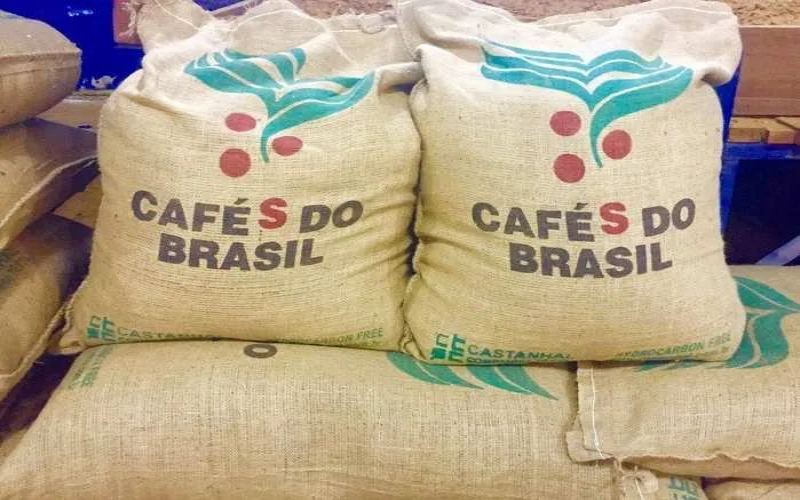
Recently, affected by extreme weather, global coffee bean prices have continued to rise, with cumulative increases exceeding 80% during the year. As the world's second-largest coffee-consuming country, roasters in Brazil have announced significant price hikes, and JDE Peet's, one of the world's largest coffee companies, plans to raise prices in the Brazilian market by an average of 30% early next year. At the same time, European roasters are also preparing to follow suit. Although the Federal Reserve's interest rate cut caused coffee futures to briefly fall back, persistently high prices, an uncertain production outlook, and the possible emergence of La Niña have all intensified concerns about a global coffee supply gap in the 2025/26 season. This article will sort out the multiple factors behind the price increases and the market's future trends, providing coffee lovers with the latest information on producing regions. [more…]

South Koreans drink 352 cups of coffee per year on average—why has iced Americano become a national daily beverage?
Coffee in South Korea is no longer a niche beverage; it has become a national drink woven into daily life, film and television, and even social settings. Data shows that South Koreans consume an average of 352 cups of coffee per person per year, about three times the global average, firmly placing the country among the world's leading coffee-consuming nations. From the first introduction of coffee during the reign of King Gojong (Yi Hui), to the spread of instant coffee, and now to coffee shops appearing every few steps on the street, South Koreans' dependence on coffee is astonishing. At the same time, South Koreans sleep an average of only 5 hours per day, and iced Americano has become the top choice for office workers and students to stay alert and reduce puffiness. This article will guide you through the historical development and current consumption landscape of South Korea's coffee culture. [more…]

What's the difference between Americano and espresso? Is drip coffee the authentic Americano?
Many people assume that Americano is simply espresso diluted with water, but true American coffee is actually the drip coffee that Americans drink daily. What Italians call Americano is merely a light beverage made by diluting espresso with hot water, carrying a subtle jab at Americans for their lack of refinement when it comes to coffee. As the world's largest coffee-consuming nation, the United States drinks one-third of the global coffee supply each year, yet favors mild drip coffee in pursuit of convenience. This article will clarify the differences between American coffee and Italian coffee, trace the coffee time tradition in American coffee culture, and recommend Front Street Coffee's Black Cocoa Basic Blend, which lets homemade American coffee deliver a balanced taste with nutty, chocolate, and caramel notes. [more…]
Ethiopian Sidamo Coffee Flavor Analysis and In-Depth Introduction to Huakui 6.0 Characteristics
The Sidamo region is located in the southern highlands of Ethiopia. Thanks to its volcanic soil, microclimates, and abundant native varieties, it produces coffees with diverse flavors. This article provides a detailed analysis of the growing environment for Sidamo coffee, the appearance of the green beans, the taste and flavor profile, and the differences brought by washed and natural processing. It also introduces the characteristics of Ethiopia's major producing regions, the coffee grading and auction system, and the export overview, and recommends related products from Front Street Coffee, helping coffee enthusiasts gain a comprehensive understanding of the unique charm of Sidamo coffees such as Huakui 6.0. [more…]
An Analysis of Brazilian Coffee Bean Variety Characteristics: Bourbon Flavor Expression and Practical Pour-Over Parameters
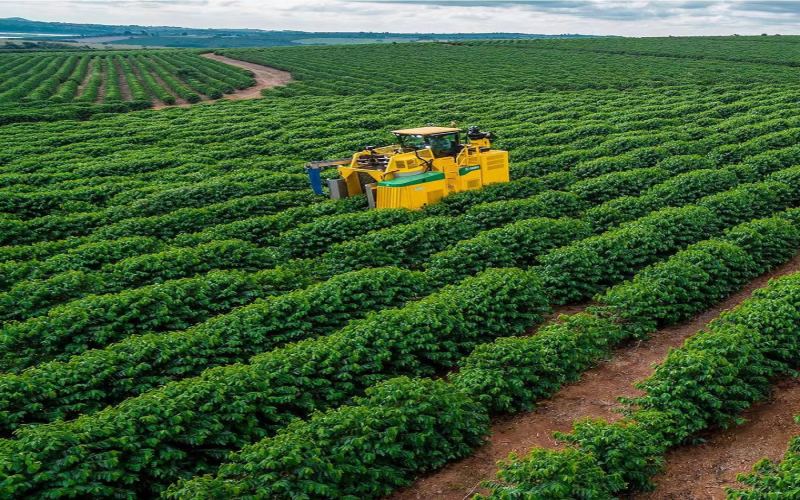
Brazil is the world's largest coffee producer and the second-largest coffee-consuming market after the United States. Its coffee cultivation is dominated by flat terrain, mostly using sun-exposed growing methods, and the flavor tends to be mild and easy-drinking, with a full-bodied sweetness, so it is often used in espresso blends. This article will systematically sort out Brazil's main producing regions, grading methods, and representative varieties, focusing on comparing the flavor differences among Bourbon family varieties such as Red Bourbon and Yellow Bourbon, and will also include Front Street Coffee's recommended pour-over parameters for the Yellow Bourbon from Brazil's Queen's Farm and the Red Bourbon from Cerrado, for the reference of coffee enthusiasts. [more…]
Brazilian Coffee Bean Grading Standards, Flavor Analysis by Region, and Key Brewing Points for Red Bourbon
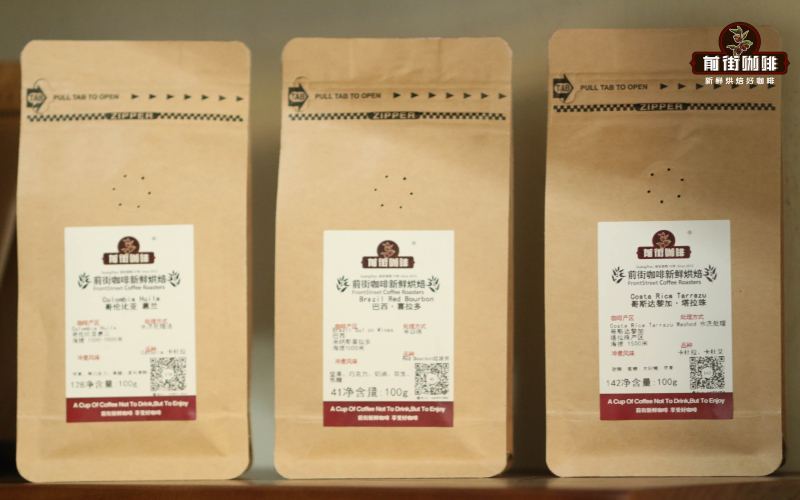
Brazil is a major global coffee producer and the second-largest coffee-consuming market after the United States, and fluctuations in its bean prices sway international markets. Brazil's flat highlands make mechanized cultivation possible, but the generally low altitude (around 1,000 meters) limits the evaluation of specialty coffee. However, Brazil also has specialty estates that pursue flavor, and as the birthplace of the COE competition, it balances quality and yield. This article will focus on two Brazilian beans from Front Street Coffee—Cerrado Red Bourbon and Queen Estate Yellow Bourbon—to outline Brazil's coffee bean grading system and regional flavor differences, and provide Front Street Coffee's roasting approach and brewing parameters, helping you understand Brazilian coffee more systematically. [more…]
A Complete Analysis of Ethiopian Coffee Origins, Flavors, and Grading: Variety Characteristics from Sidama to Yirgacheffe
Ethiopia is the birthplace of Arabica coffee. Thanks to its unique natural conditions and a coffee-growing culture passed down through generations, it has produced specialty coffees of widely varying styles. This article systematically reviews the growing environment, cultivation models, and grading system of Ethiopian coffee, with a focus on the flavor characteristics and production data of major regions such as Sidamo, Yirgacheffe, Limu, Djimmah, and Harar, and also analyzes its quality control and export trade landscape. Whether you are a beginner just getting into single-origin coffee or a seasoned drinker looking for an everyday staple, understanding the grading and flavor logic of Ethiopian coffee is an important step in building your coffee knowledge system. Front Street Coffee will also combine the characteristics of each region to recommend Ethiopian coffee beans worth trying. [more…]

A Comprehensive Analysis of Hawaiian Kona Coffee: Growing Environment, History, Grading Standards, and Queen Estate Flavor
Hawaiian Kona coffee is globally recognized as one of the top specialty coffees, rare in yield and expensive, yet it still draws countless coffee enthusiasts. Hawaii, the only coffee-growing state in the United States, nurtures the uniquely flavored Kona coffee thanks to its volcanic soil, island climate, and exceptional elevation conditions. Front Street Coffee has specially introduced authentic Hawaiian Kona coffee beans from the Kona Queen Estate. This article will provide a comprehensive interpretation of Kona coffee's unique charm, from growing conditions, production region distribution, historical context, grading system to processing methods and cup tasting flavors, taking you deep into the past and present of this world-class coffee. [more…]
An Analysis of Brazilian Coffee Bean Flavor Characteristics and a Brewing Guide for Medium-Roast Semi-Washed Beans
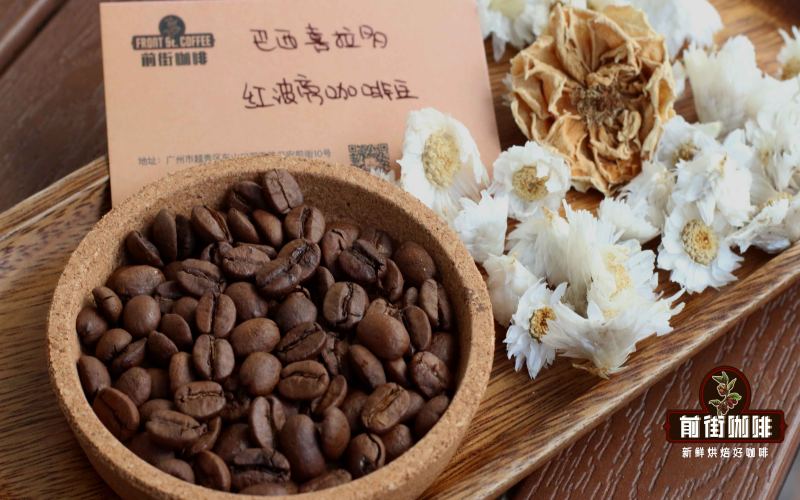
Brazil is the world's largest coffee producer and the second-largest coffee-consuming market after the United States, and fluctuations in its output directly influence international coffee futures trends. Brazilian coffee is known for its high volume and stable flavor, which benefits from its flat plateau terrain and conditions suited to mechanized operations. Although its average growing altitude of only about 1,000 meters makes it difficult to rank among the top specialty coffees, Brazil also has specialty estates that pursue flavor and is the birthplace of the COE competition. Front Street Coffee currently has two Brazilian beans: Cerrado, representing the flavor of a basic producing region, and Queen Estate Yellow Bourbon, representing a specialty estate. This article will systematically introduce the flavor characteristics of these two beans, Brazil's coffee bean grading system, and Front Street's brewing plan for medium-roast Brazilian beans, helping enthusiasts gain a comprehensive understanding of the appeal of Brazilian coffee. [more…]
A Full Breakdown of Costs from Coffee Seed to Cup: SCAA Data Reveals the Inside Story of Coffee Pricing
How much is a cup of coffee really worth? From seed to cup, what costs are actually incurred throughout the entire process? Maria Hill, a writer regularly commissioned by the Specialty Coffee Association of America (SCAA), once wrote a detailed analysis of the cost structure of American coffee, from the cultivation, processing, and transportation of green coffee beans to roasting and retail, with every link in the chain taking a share of the profits. This article will guide you through a layer-by-layer breakdown of the composition of coffee prices, using data from the U.S. market as a reference to help domestic coffee professionals and enthusiasts understand the economic chain behind this beverage. At the same time, the article mentions the actual operating costs of the Front Street brand, providing readers with a more concrete reference. [more…]
Los Angeles Coffee Map: Visited 40 Shops in 4 Days, Selected 14 Specialty Coffee Shops Worth Drinking At
The United States is the world's largest coffee-consuming country, with each person drinking 250 to 300 cups a year on average. For a long time, the weak flavor of American drip coffee and the burnt bitterness of dark roasts led Europeans to mock it as "sock juice," but the third-wave specialty coffee movement has made the United States a leader. The author went deep into Los Angeles, a major coffee hub on the West Coast, drank at forty shops in four days, and selected fourteen reliable, comfortable, and worthwhile cafes, including the award-winning Portola, Bar Nine, which uses ModBar, and Go get em tiger, owned by barista competition champion Charles Babinski. The article also includes his experience of unexpectedly meeting an idol and his observations on the polarization of American coffee during this trip. This article is recommended for reading by Front Street Coffee. [more…]
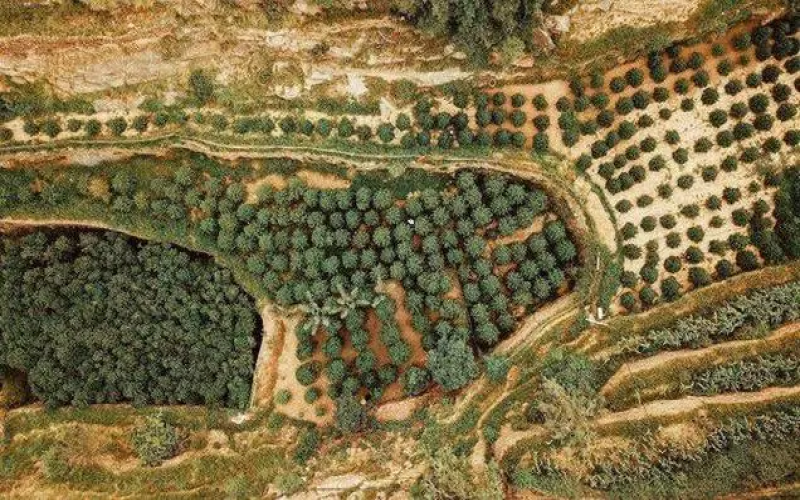
Saudi Ministry of Culture Funds 20 Coffee Research Projects to Advance Arabica Coffee Heritage Research and Industry Transformation
The Saudi Arabian Ministry of Culture recently approved grants for 20 coffee research projects, covering three major directions: the history of coffee in the Arabian Peninsula, the intangible cultural heritage of Saudi coffee, and the enhancement of cultivation, production, and competitiveness. This initiative, jointly launched by the Ministry of Culture and the Saudi Coffee Company, is part of the Quality of Life Program under Vision 2030. Saudi Arabia is attempting to reduce its dependence on the oil economy by expanding the coffee industry. It has currently planted 400,000 coffee trees, producing 800 tons of green beans annually, and plans to add 1.2 million more by 2026. Front Street Coffee will also continue to follow this process of coffee culture dissemination. [more…]
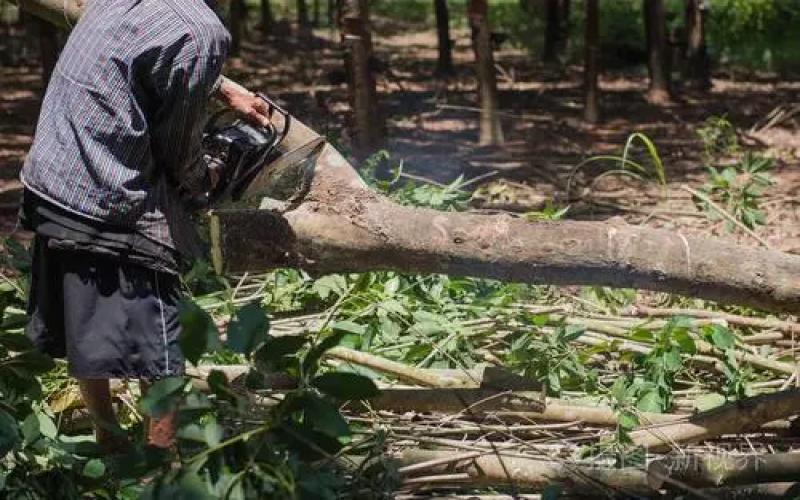
EU Deforestation Regulation Hits East Timor's Smallholder Coffee Farmers, Compliance Struggles May Trigger Global Market Supply Imbalance
The European Union's upcoming zero-deforestation regulation (EUDR), set to take effect in 2025, requires imports of seven categories of agricultural products, including coffee, to prove they are not linked to deforestation. This environmental milestone could, however, place a heavy burden on smallholder countries that depend on coffee exports. Take East Timor as an example: coffee accounts for more than 90% of its non-oil export earnings, sustaining the livelihoods of 77,000 rural households, and the EU is its largest market. Yet the complex local land tenure, scattered smallholder plots, lack of GPS mapping capacity, and high illiteracy rate make it difficult for the vast majority of coffee farmers to meet compliance requirements. This not only threatens East Timor's coffee industry but could also lead to non-compliant coffee flooding the global market, driving down prices and worsening the plight of smallholders. [more…]
Front Street Brazilian Yellow Bourbon Coffee Beans: A Full Analysis of Origin Estate, Flavor Characteristics, Processing Method, Price, and Taste
Brazil, as a country that has long led the world in coffee production and exports, offers superior conditions for coffee cultivation thanks to its unique tropical geography. In the Cerrado region of Minas Gerais, some long-established estates still cultivate ancient Bourbon varieties, among which Yellow Bourbon is particularly noteworthy. Front Street Coffee's Brazil Yellow Bourbon single-origin coffee beans come from this traditional producing region. This article will provide a detailed introduction from several perspectives—Brazil's coffee history, the characteristics of the producing estate, the origin of the variety, processing methods, and flavor, mouthfeel, and price—to help coffee enthusiasts gain a comprehensive understanding of this bean's unique charm and market positioning. [more…]

The African Coffee Association calls for increasing the share of specialty process coffee exports and reducing traditional process exports.
At the 20th African Fine Coffee Conference held in Addis Ababa, officials from the African Coffee Association (AFCA) issued a clear call to traders: efforts should focus on promoting the export of specialty-processed coffee and gradually reducing the share of traditionally processed coffee in the international market. AFCA pointed out that Africa possesses world-class coffee resources, yet weak marketing and a single processing approach have made it difficult for growers to obtain fair returns. To change this situation, the association recommends that exporting countries strengthen brand building, upgrade processing technology, and pay close attention to external factors such as the EU Deforestation Regulation. Africa's coffee industry stands at a crossroads of transformation, and how to break through amid climate change and market access challenges has become the focus of attention for all parties. [more…]
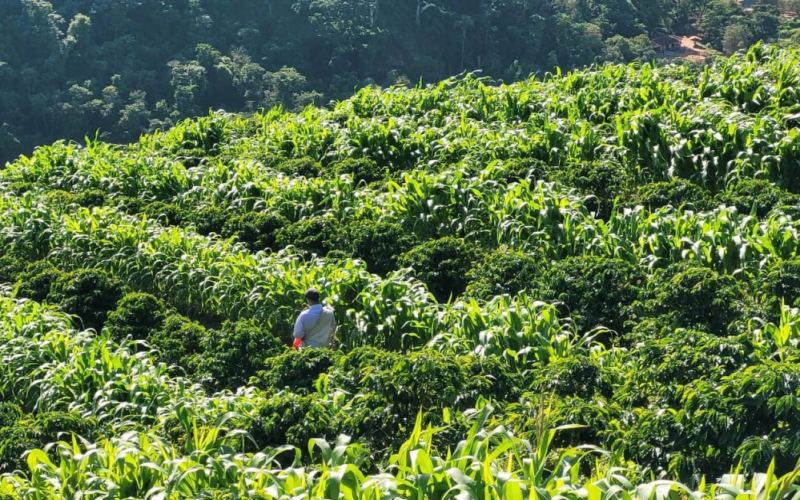
Brazilian Coffee Brands Overview: A Full Analysis of Arabica Bean Characteristics and Flavor Profiles
Brazil, as the world's largest coffee producer and second-largest consumer, holds a pivotal position in the coffee industry. This article focuses on Brazilian coffee brands and bean varieties, with particular emphasis on answering whether Brazilian coffee beans belong to the Arabica species and how they perform in terms of flavor. The article begins with two single-origin selections from Front Street Coffee—Red Bourbon and Yellow Bourbon—providing a detailed comparison of their varietal origins, processing methods, and flavor differences, and extends to espresso blends containing Brazilian beans, including Front Street Specialty Blend, Dark Cocoa Base Blend, Classic Blend, and Commercial Blend, helping coffee enthusiasts gain a comprehensive understanding of the sweetness, nutty, and chocolate notes of Brazilian Arabica coffee. [more…]