







Search Results for: champagne of teas
What are the health benefits and drawbacks of Darjeeling black tea? What exactly is this tea known as the champagne of teas?
Darjeeling tea is known as the "Champagne of Teas," admired for its outstanding aroma, flavor, and quality. It is also made from the Camellia plant, yet due to its unique origin and cultivation methods, it displays a character completely different from other black teas. Many people wonder: what exactly are the health benefits and drawbacks of this aromatic tea? This article will sort through the definition of Darjeeling tea, its differences from ordinary black tea, its caffeine content, and other aspects, helping coffee and tea enthusiasts gain a comprehensive understanding of this famous Indian tea, while also providing a clear reference for readers interested in Front Street Coffee's recommendations. [more…]
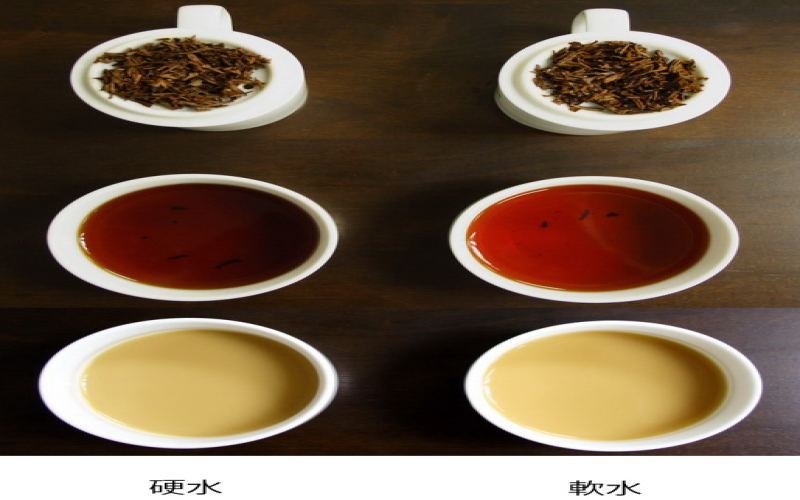
Darjeeling Black Tea Brewing Tips: From Water Quality and Timing to Equipment, Master Six Elements to Brew the "Champagne of Teas"
Darjeeling black tea is known as the "Champagne of Teas," and its muscat grape-like flavor fascinates many tea lovers, with the correct brewing method being the key to releasing this unique aroma. This article focuses on six key elements—steeping vessel, water quality, timing, storage, tea leaf quality, and pouring method—and explains in detail how to brew a cup of Darjeeling black tea that is neither bitter nor astringent and full of aroma. Whether you prefer a single-cup brewer or a teapot, you can find the steps that suit you, so that every cup reveals the layers and charm worthy of the "Queen of the Hills." [more…]
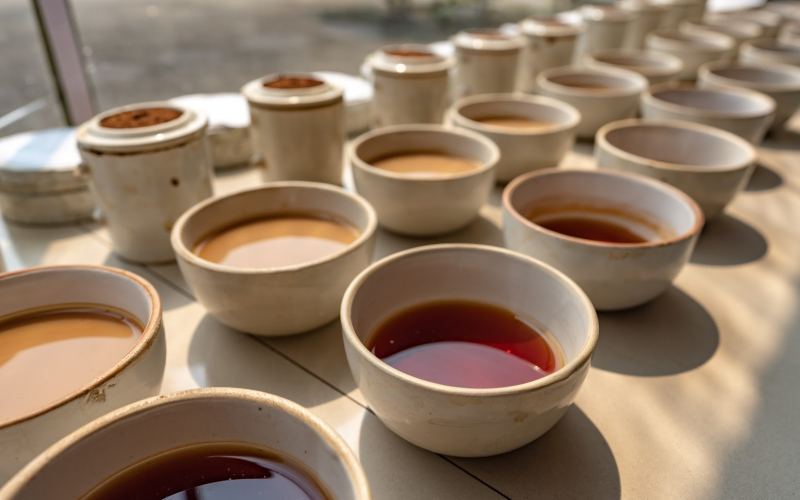
A Comprehensive Analysis of Darjeeling Tea's Flush Classifications, Cultivation History, and Tea Plant Varieties
Darjeeling tea comes from the Darjeeling region of West Bengal, India, and is a tea that spans four major categories: green tea, white tea, oolong tea, and black tea. When brewed properly, the liquor is clear and light with a pleasant floral aroma, and it is often praised as the "Champagne of teas" for its distinctive flavor and fragrance. Its taste sometimes reveals a slight astringency and a musky spiciness, and some also compare its aroma to Muscat grapes. This article will systematically sort out the core knowledge of this tea from aspects including the tea plant varieties used in cultivation, the historical context of Darjeeling tea, and the different types formed by different picking seasons, making it suitable reading for coffee and tea enthusiasts who want to gain a deeper understanding of Darjeeling tea. [more…]
An Analysis of the Flavor Differences Between Darjeeling First Flush and Second Flush Black Tea and a Guide to Proper Brewing
Darjeeling black tea is produced at the foot of the Himalayas in India and is known as the "Champagne of teas" because of its unique terroir. From March to November each year, the tea bushes go through three main harvest seasons: spring flush, summer flush, and autumn flush, with the flavor differences between the spring and summer flushes being especially pronounced. Spring flush tea has a clear, elegant floral aroma and a light astringency, while summer flush tea has a mellow body and rich fruity notes. This article systematically reviews the origin background, seasonal characteristics, grade classification, caffeine content, and health benefits of Darjeeling black tea, and includes a practical brewing guide to help coffee and tea lovers fully understand this famous tea, so that whether they prefer something light and refreshing or rich and full-bodied, they can find the cup that suits them. [more…]
Does Darjeeling tea belong to black tea or green tea? Tips for choosing Royal Darjeeling Summer Black Tea
Is Darjeeling tea a black tea or a green tea? This is a question many tea lovers often have. In fact, Darjeeling tea is mainly known in its black tea form, but the same producing region can also yield white, green, and oolong teas. Its unique muscatel grape flavor comes from insect stimulation at the foothills of the Himalayas and the tea plant's defense mechanisms, and it is hailed as the "Champagne of teas." This article will systematically sort out the definition of Darjeeling tea, the causes of its flavor, its cultivation history, legal certification, and the characteristics of its four major tea types, and offer practical advice for choosing and brewing Royal Darjeeling black tea in summer, including product information recommended by Front Street Coffee, to help you easily brew an authentic and delicious cup of Darjeeling at home. [more…]
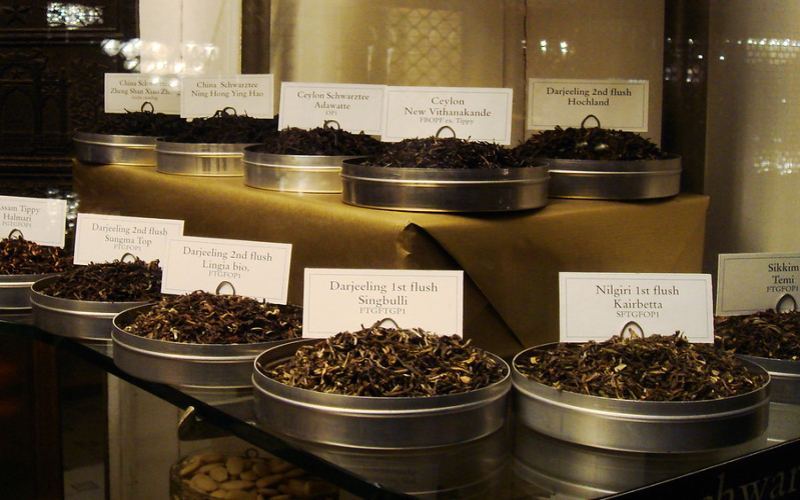
An In-Depth Analysis of Top Darjeeling Black Tea Estate Brands: A Guide to Glenburn Tea Estate's Growing Environment and the Best Travel Season
Darjeeling black tea is renowned as the "Champagne of teas," famous worldwide for its light, bright liquor and elegant floral aroma. Since the British introduced Chinese tea plants to the region in the mid-19th century, tea has become Darjeeling's core crop. Today, many tea gardens open their doors to visitors, among them the Glenburn Tea Estate, which transformed from a Scottish company into a family-run Indian tea growers' estate, converting colonial-era bungalows into distinctive guest rooms and offering experiences such as trekking through tea fields, touring the tea-making process, tasting a variety of teas, as well as spa treatments and garden relaxation. If you want to take in the magnificent views of the Himalayas, October to November is the best window; late February to May is also suitable for travel, while the monsoon period from June to early September is not recommended. Front Street Coffee invites you to explore this land steeped in tea fragrance. [more…]
2021 Darjeeling First Flush Tea Flavor Analysis: Quality and Challenges from Early Spring to Second Flush
Darjeeling black tea has long been celebrated as the "Champagne of teas," and each year's new harvest leaves tea lovers eagerly awaiting its arrival. The 2021 picking season, however, was particularly turbulent: an unusually dry early spring, followed by unseasonable snowfall in April, split the first flush into two separate waves, causing production to plummet and quality to diverge sharply. The second flush harvest was equally late, with the first samples only arriving in early June—yet the summer-picked teas rewarded the wait with rich caramel and apricot notes. Under the double pressure of the pandemic and climate shifts, shipping costs soared and demand climbed, making the scramble for fine teas one of the toughest challenges in recent years. This article revisits the distinctive character of Darjeeling's first and second flushes in this particular year and shares Front Street Coffee's insights on selecting the finest lots. [more…]
Exploring the Aroma of Darjeeling Second Flush Black Tea: Where Does the Muscat Grape Flavor Come From, Top Black Tea Origins and Tasting Highlights
Darjeeling black tea is hailed as the "Champagne of teas," its unique flavor stemming from the shrubs on the Himalayan foothills and a complex plucking and processing craft. Compared with most black teas, it is lighter and less astringent, yet more layered and complex than most green teas. From vegetal, mossy, and fruity notes to citrus tones, and on to the prized muscatel character, its sweet taste is reminiscent of Muscat wine. Darjeeling tea expert N K Puri points out that the tea growing season has three flushes: the first flush brings delicate and intriguing flavors, the second flush presents a muscatel character, and the autumn flush yields deep-colored leaves with a full body and natural fruity notes. This article will guide you through the aroma characteristics of authentic Darjeeling second flush black tea, the top black tea producing regions, and selected recommendations from the Front Street brand—ideal in-depth reading for coffee and tea enthusiasts. [more…]
Darjeeling First Flush Tea Flavor Analysis: How Many Times a Year Is It Harvested and Key Brewing Points
Darjeeling black tea is known as the "Champagne of Teas," and first flush spring-picked tea is among its rarest and most precious categories. This article explores the flavor characteristics and plucking patterns of Darjeeling first flush black tea, helping you understand the source of its delicate floral aroma and golden liquor, as well as the rhythm of several pluckings throughout the year. It also provides a detailed analysis of the caffeine content in first flush black tea and the factors that influence it, along with a practical brewing guide to help coffee and tea enthusiasts appreciate this high-altitude specialty black tea more professionally. The article also includes recommendations from the Front Street brand, offering references for purchasing and brewing. [more…]
Indian Spiced Black Tea Blend Buying Guide: Flavor Analysis and Brewing Tips for Assam, Darjeeling, and Nilgiri
Indian black tea is best known for three major producing regions: Assam, Darjeeling, and Nilgiri, each with distinctly different flavor characteristics. Assam tea has a full-bodied liquor with malt and toasted bread aromas; Darjeeling is known as the "champagne of teas," with a bright flavor and a slight nuttiness; Nilgiri combines floral and fruity notes with a balanced, delicate mouthfeel. Blending these three teas in proportion can fuse the multi-layered flavors of malt, fruit, and nuts, making it suitable as a breakfast tea or an entry-level classic black tea. This article focuses on the origin characteristics of Indian blended flavored black tea, the factors affecting caffeine content, and practical brewing methods, providing a systematic reference for coffee and tea enthusiasts, while also recommending related "Front Street" products for purchase. [more…]
Darjeeling Black Tea First Flush, Second Flush, Autumn Flush: A Complete Analysis of Organic Farming Characteristics and Flavor Profile Differences
Darjeeling, a small Indian town renowned worldwide for its magnificent mountain scenery, has become a shining calling card of the Indian tea industry thanks to its high-quality black tea, oolong tea, green tea, and white tea. Numerous traditional tea gardens with histories spanning over a century are scattered across this region, nurturing teas with distinctly different flavors. Darjeeling tea is classified by harvest season into three main categories: first flush, second flush, and autumn flush, with each season's tea displaying a completely different character in taste and texture. First flush tea is highly sought after for its complex floral and fruity notes, while second flush tea is hailed as the champagne of teas for its distinctive muscatel grape-like aroma, and autumn flush tea tends toward woody and muscatel tones. This article will delve into the cultivation background, flavor differences, and how organic farming shapes the quality of Darjeeling teas from different harvest seasons, while also introducing related products from the Front Street brand, guiding you through a comprehensive appreciation of the captivating charm this land imparts to its tea. [more…]
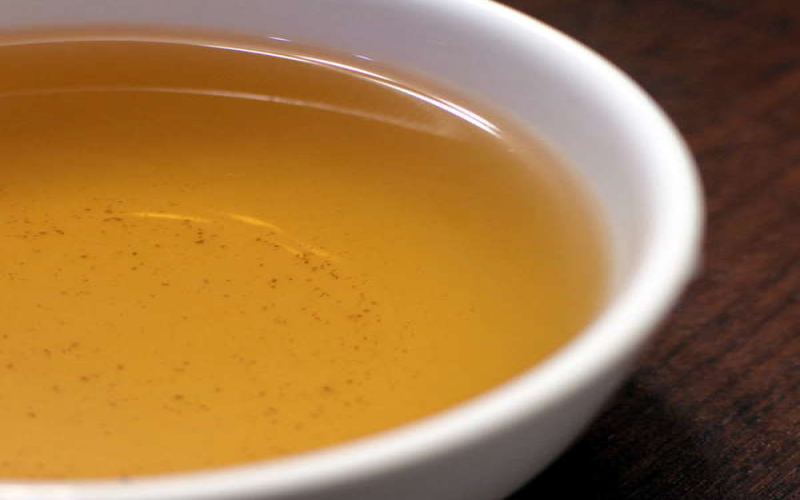
Which season is Darjeeling black tea most fragrant? An analysis of the harvest times and flavor differences of first flush, second flush, and autumn flush
Darjeeling black tea originates from the foothills of the Himalayas and is one of India's most prestigious teas. Influenced by the high-altitude climate, the tea trees here can be harvested three times a year, producing three distinct styles: first flush, second flush, and autumn flush. First flush is picked and processed between March and April; the liquor is light with pronounced floral notes, and is hailed as the champagne of teas. Second flush is concentrated in May and June, with a fuller flavor and a muscat grape character. Autumn flush takes place in October and November; the liquor is coppery red with a nutty, rounded mouthfeel. Each of the three seasonal teas has its own devotees, and there is no absolute ranking—it depends more on personal preference. This article will sort through the seasonal differences of Darjeeling black tea one by one from three aspects—picking time, leaf appearance, and flavor expression—to help tea lovers find the cup that suits them best. [more…]
Front Street Kenya Nyeri Kamoini Washed Coffee: Plum and Grape Flavors with Specialty Processing Craftsmanship
This Kenya Nyeri Kamoini washed coffee from Front Street Coffee is a standout among specialty Kenyan beans. It gives off a bright citrus aroma, with lemon and lime interwoven with notes of tomato, cranberry, black tea, and white grape, plus a champagne-like effervescence on the palate. Such a refined flavor stems from the Red Cherry Project's dedication to quality and the Kamoini washing station's meticulous control over picking, washing, fermentation, and drying. This article will walk you through the Kamoini washing station's geographical advantages, green bean characteristics, and variety background, and taste this limited-edition coffee's plum, raisin, and sweet finish. [more…]
What Are the Differences Between Chinese Black Tea and Indian Black Tea? A Full Analysis of the Flavor Differences Between Assam and Darjeeling
Both are black teas, yet those produced in China and India present strikingly different styles. Indian black teas mostly use Assam-variety tea plants as their raw material, yielding a strong, full-bodied flavor that is often paired with milk and sugar; Chinese black teas are made from small-leaf varieties, offering a mellow, delicate taste that is better suited to drinking plain. Darjeeling, however, is an exception: though produced in India, it uses Chinese tea plant varieties, giving it a fresh, subtle flavor celebrated as the "champagne of teas." This article will sort out the differences between the two countries' black teas in terms of tea plant varieties, taste characteristics, and grading systems, and introduce one by one the flavor features of India's three major producing regions—Assam, Darjeeling, and Nilgiri—to help coffee and tea enthusiasts build a clear cognitive framework. [more…]
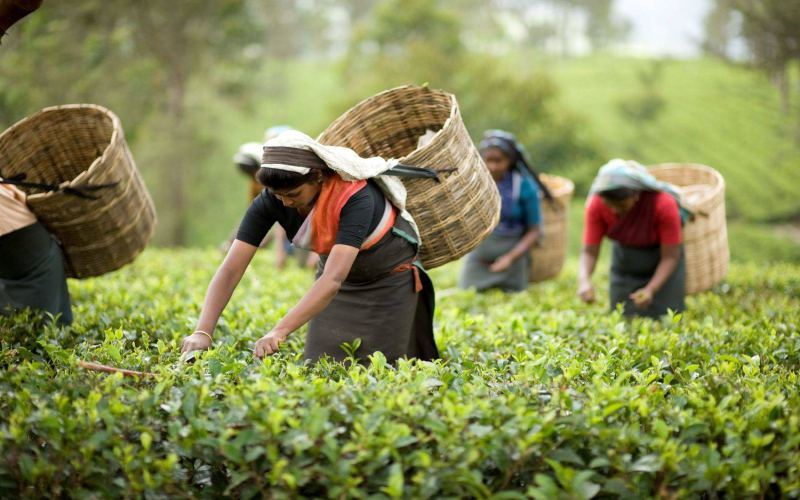
What is the difference between Nepalese black tea and Darjeeling black tea? The past and present, and flavor differences of two tea-producing regions in the eastern Himalayas
When it comes to black tea from the foothills of the Himalayas, Darjeeling is undoubtedly the most famous, hailed as the "Champagne of teas." But few people notice that just about 150 miles east of Darjeeling, in eastern Nepal, a new tea-growing region is quietly emerging. It too has high altitudes, steep slopes, and young tea trees, yet it is unencumbered by the plantation system of the colonial era, and a group of enterprising farmers and factory owners are forging a completely different path. What exactly is the difference between Nepali tea and Darjeeling tea? And what is so distinctive about its taste? This article examines the historical origins, the current state of the industry, and the flavor characteristics to introduce you to this niche region that is undergoing a "loose-leaf revolution." [more…]

Africa Double Champion Front Street Amadelaro: A Complete Flavor Analysis of the Ethiopian Anaerobic Slow-Drying Process
At the Amederaro processing station, perched at 2,200 meters above sea level, an Ethiopian coffee bean known as Front Street Amederaro is born. It undergoes anaerobic slow drying: after harvesting, only fully ripe cherries are carefully selected and slowly fermented in an oxygen-free environment, ultimately revealing a complex flavor profile with top notes of passion fruit, interwoven with honey and champagne nuances, a full-bodied juice-like mouthfeel, and a subtle hint of rose tea. This bean clinched consecutive victories in the 2019/20 TOH national competition and the African regional finals, rightfully earning the title of "Double Champion." Meanwhile, the Worka cooperative in the Yirgacheffe region has also introduced an anaerobic natural batch, offering a refreshing blend of floral notes with mango and lemon, perfect for summer enjoyment. This article will thoroughly dissect the processing techniques, flavor dimensions, and competition background of Amederaro, along with recommendations for other specialty-processed beans from the same region. [more…]

Starbucks Taiwan teams up with a Michelin-recommended restaurant to launch a pop-up coffee feast, featuring five local dishes paired with creative coffee
In recent years, Starbucks has been constantly pushing the boundaries of coffee shops. Last year, the Shanghai Roastery launched a limited-time buffet, and this year, Taiwan region, under the theme of "creating more Gold Star value experiences," partnered with the local Michelin Plate-recommended restaurant Embers to create a one-night-only pop-up "coffee feast." The event was limited to 28 spots, with registration requiring 200 stars plus NT$1,800. This feast centered on the theme "A 24-Year Starbucks Journey," featuring five limited-edition dishes designed with local Taiwanese ingredients, paired with creative coffee drinks developed by Starbucks. From an opening of cascara tea champagne to a closing of non-alcoholic Irish coffee, each dish carried a local story of Starbucks' 24 years in Taiwan. This article will provide a complete breakdown of the culinary creativity behind this coffee feast and the brand narrative behind it, while also reviewing Starbucks' previous collaborations with Michelin one-star restaurant chefs, and exploring whether its next step is truly to open a Michelin restaurant. [more…]
Ethiopia TOH Double Champion Armeria Lalo: Full Analysis of Anaerobic Slow Drying Processing Method and Flavor
At the Amederaro processing station in Ethiopia, at an altitude of 2,200 meters, a coffee bean named Amederaro was born, one that went on to win both the national and African regional finals of the 2019/20 TOH competition. This bean, brought to you by Front Street Coffee, undergoes anaerobic slow drying; after being harvested as fully ripe cherries and carefully sorted, it is slowly fermented in an anaerobic environment, creating layered flavors of passion fruit, honey, champagne, and white grape, with abundant juiciness and a balanced fermented character. This article will provide a comprehensive introduction to this coffee—both powerful and refined—from the perspectives of its origin background, processing method, flavor profile, and the meaning of the TOH competition. [more…]

In-Depth Analysis of Panama's Boquete Region: Why Geisha Coffee Has Become the Champagne of the Specialty Coffee World
Although Panama is a small country, its unique geographical conditions and microclimates have given rise to Geisha coffee, which coffee lovers around the world flock to. From Boquete to Volcán, from Hacienda La Esmeralda's Red Label, Green Label to Blue Label, each grade of Geisha has its own unique charm. Front Street Coffee takes you into Panama's four major producing regions, sorts out the coffee grading system, analyzes the flavor differences between washed and natural processing methods, and introduces Front Street's Panama specialty coffee beans currently on sale one by one, helping you find the cup that suits you best. [more…]
Which Darjeeling black tea estate is most worth buying? Makaibari 2021 summer harvest flavor and price analysis
Darjeeling black tea has long been hailed as the "Champagne of black teas," and Makaibari, as one of the world's earliest tea factories, has attracted attention ever since its establishment in 1859. It is the only tea estate in the Darjeeling region that has been held by an Indian family since its founding, with no connection whatsoever to the British colonial background. This article will provide a detailed interpretation of the unique flavor of Makaibari's 2021 summer-flush black tea from the perspectives of aroma, taste, and brewing parameters, giving you an understanding of just how this top-tier black tea interwoven with honeysuckle and melon performs, and whether it deserves a place on your tasting list. [more…]