







Search Results for: barista terminology
A Comprehensive Guide to Professional Coffee Pour-Over Terminology: Extraction Principles, Brewing Ratios, and Espresso Concepts Explained
In the world of coffee, there is a whole set of established professional terminology. Familiarity with these terms makes communication between enthusiasts much smoother. This article systematically organizes the core concepts commonly found in the field of pour-over coffee, from the hand-brewing ABC kit, extraction, brewing ratio, and blooming, to espresso, Combo, SOE, and blended coffee, analyzing their meanings and application scenarios one by one. Whether you are a beginner just starting out or an experienced player hoping to refine your skills, this terminology guide can help you more accurately understand the key points of coffee brewing and tasting, and also make you more adept when communicating with baristas in a café. [more…]
A Detailed Guide to Common English Terms for Espresso Equipment and Baristas, with Roasting and Blended Coffee Vocabulary
For those who are just getting into specialty coffee, the English terminology related to espresso machines and baristas often feels confusing. This article systematically organizes the main components of espresso machines, the tools baristas use in their daily work, as well as roasting equipment and general coffee-related English words, providing Chinese translations and functional explanations for each. Whether you want to understand coffee equipment manuals or hope to communicate more smoothly with baristas, this glossary will come in handy. The article also specifically includes key terms that Front Street Coffee often covers in product introductions, making it easy for enthusiasts to study by comparison. [more…]

Coffee Terminology | What is SOE? Are Brazilian coffee beans suitable for making SOE single-origin espresso? Can SOE espresso be used to make dirty coffee?
For more specialty coffee knowledge, please follow our WeChat official account: Front Street Coffee (FrontStreet Coffee). Friends who love coffee know about espresso and single-origin coffee, but SOE coffee seems to have only come to your attention recently. So have you ever tried walking into a café and being asked by the barista: "Would you like [more…]
The Correct Way to Drink Coffee and Tasting Terminology: From Cup-Holding Etiquette to a Complete Guide to Café English
Coffee has long become part of urban daily life, but the seemingly simple actions of holding a cup, adding sugar, and using a spoon each follow their own set of rules. At the same time, when walking into a café and facing terms like Espresso, Latte, and Macchiato on the menu, many enthusiasts often feel confused. This article systematically sorts out the etiquette details of coffee tasting and the proper use of cups and saucers, and explains one by one the meanings of common English terms in cafés, helping you calmly enjoy a good cup of coffee on any occasion. In addition, the article also specifically reminds readers of practical knowledge closely related to health, such as drinking on an empty stomach, intake before exercise, and daily consumption, and recommends related products from Front Street Coffee, making it suitable for everyone who takes coffee seriously to read carefully. [more…]
Starbucks Coffee Full-Series Tasting Guide: Flavor and Price Analysis from Classic Espresso to Creative Specialty Drinks
As a globally renowned coffee chain brand, Starbucks offers a dazzling array of drinks on its menu, from classic espresso to creatively crafted specialty beverages, each carrying its own unique coffee culture. This article will systematically outline the complete range of Starbucks coffee types, covering classics such as cappuccino, latte, Americano, mocha, and caramel macchiato, as well as the iced drink series and creative products like Frappuccino, while also detailing the general price ranges for each size. In addition, the article delves into the roasting origins of Starbucks coffee beans, the Italian roots of its size terminology, and the personalized options customers can customize, providing coffee enthusiasts with a comprehensive and practical ordering reference. [more…]
Can Americano Be Sweetened with Sugar or Milk? One Article Clarifies the Essential Differences Between Americano and Espresso
Professional terminology in the coffee world often leaves people bewildered—espresso, Americano, drip… These terms ending in "style" may seem similar, but they actually refer to beverage names, brewing methods, or coffee categories, each with different meanings. This article will start with a conceptual analysis to answer the common question of whether sugar and milk can be added to Americano, and will explain in detail Front Street Coffee's blend selection when producing Americano, the ratio control of espresso to hot water, and the specific milk ratio schemes for different taste preferences, helping coffee enthusiasts more clearly understand the fundamental difference between Americano and espresso. [more…]
Are Black Coffee and Americano the Same Thing? A Comprehensive Analysis of Their Differences from Extraction Ratio to Taste and Flavor
In the world of coffee, terminology abounds—espresso, Americano, and drip coffee may sound similar, yet their meanings are vastly different. Some people assume that black coffee is just Americano—but is that really true? This article will clarify the conceptual origins of espresso and Americano, explain the story of how Americano came to be and the logic behind making it, and share Front Street's practical experience with extraction ratios—40g of espresso diluted with 180g of hot water, the 1:2.5:3 mixing formula for iced Americano, and how to choose beans so that an Americano reveals layers of flavor ranging from chocolate, nuts, and cream to even strawberry gummy candy. [more…]
Front Street Coffee Complete Knowledge Collection: A Coffee Learning Guide and Practical Manual from Beginner to Advanced
The Front Street official account has insisted on daily updates for many years, accumulating a massive amount of educational content covering every area of coffee. From the origins of coffee beans to the birth of a finished cup of coffee, from basic terminology to advanced brewing techniques, the articles have touched on virtually every question a coffee lover might encounter. This article reorganizes that content along a learning path, dividing it into sections such as must-reads for beginners, tasting methods, brewing techniques, advanced improvement, and Front Street's random musings on industry topics, making it easy for readers to quickly locate the knowledge they need based on their own stage, and also convenient for systematically filling in gaps. Whether you are a novice just getting into coffee or an advanced player hoping to hone your skills, you can find corresponding content here. [more…]
Why Are Washed Coffees More Acidic Than Natural Ones? Understanding the English Terms and Flavor Differences of Two Processing Methods
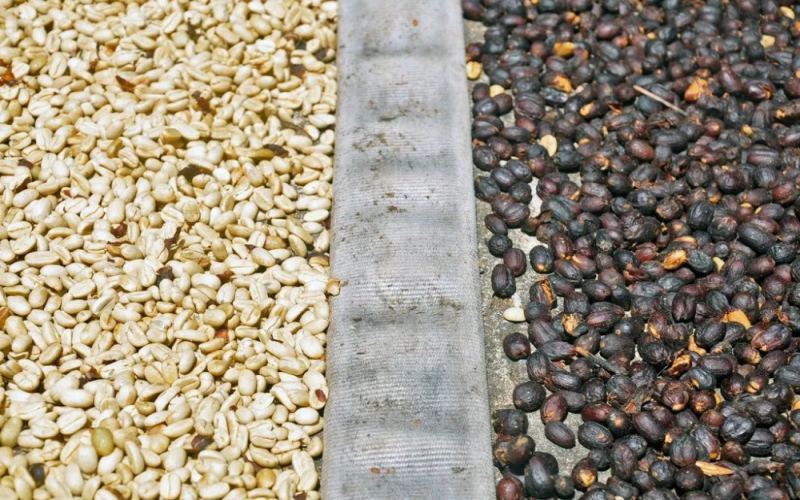
Washed and natural are the two most mainstream processing methods in the coffee industry, but for most enthusiasts, it is hard to tell which flavor profile in the cup belongs to which just by name. Some say natural coffees are sweeter and washed coffees are more acidic—is this claim actually true? This article will analyze the processing steps, the causes of flavor, English terminology, and other angles, and with the help of Front Street Coffee's Panama Butterfly natural and washed versions, conduct a blind tasting comparison to help readers clarify the core differences and respective charms of the two processing methods. [more…]

How to Solve Coffee Ground Clumping and Static Clinging? An Analysis of the Tapping Technique to Eliminate Milk Foam Bubbles
In pour-over or espresso preparation, baristas often perform actions such as tapping the table or shaking the milk pitcher, and these behaviors actually have clear professional purposes. From the perspective of Front Street, this article explains two common reasons: first, static electricity generated during grinding in dry seasons, which causes fine particles to stick together or cling to the walls, affecting extraction uniformity; second, large bubbles left by mistakes when steaming milk, which need to be eliminated by shaking the pitcher. Regarding the static electricity issue, the article introduces the RDT droplet technique proposed by David Ross, which suppresses static electricity at the source by spraying a very small amount of water before grinding, while also reminding readers about water volume control and alternative methods. Regarding milk foam bubbles, it explains the professional terminology and operational logic of tapping and shaking the milk pitcher, helping coffee enthusiasts understand and optimize their daily output. [more…]

A customer orders a Dirty and wants it heated, or a pour-over with sugar and milk? How should a barista calmly handle these requests?
In today's world where specialty coffee is becoming increasingly popular, more and more consumers are starting to walk into coffee shops and try various drinks. However, because their understanding of coffee knowledge is still limited, many customers make requests when ordering that leave baristas not knowing whether to laugh or cry—for example, ordering a Dirty but asking for it to be heated, drinking pour-over but asking for sugar and milk, or urging the drink to be served right after placing the order. Faced with these situations, how can baristas respond while maintaining both professionalism and warmth? Starting from real scenarios, this article shares communication techniques between baristas and customers, and explores how to guide customers to experience the true charm of coffee while respecting their choices. [more…]
Australian Black Coffee | What Is an Aussie Black? Is Long Black Very Different from Americano? What Are the Brewing Ratio Parameters for a Long Black?
For those who are just getting into espresso coffee, facing a whole bunch of coffee terms can be completely bewildering, like Espresso, Ristretto, Lungo, Latte, Flat White, and so on. In this installment of Barista Growth Diary, let's share what a Long Black actually [more…]

A member topped up 8,400 yuan only to have the owner list their "sins"—are you unworthy of entering a café if you don't understand coffee?
A loyal customer topped up a total of 8,400 yuan at a coffee shop over more than a year, only to be scolded by the owner in the store's group chat for "not understanding coffee," and was even listed as a "charge." This blogger not only frequented the place but also enthusiastically recommended it to friends, yet ultimately chose to request a refund to cut losses due to the owner's repeated cold remarks. The incident sparked widespread discussion: Should cafés really distinguish customers based on whether they "understand coffee"? How should coffee professionals view the needs of ordinary consumers? This article reviews the incident and netizens' opinions, exploring inclusiveness and respect in coffee culture. [more…]
The Complete Guide to Coffee English Vocabulary: From Common Coffee Shop Words to Ordering Terms and Detailed Explanations of Fancy Coffee Names in English
Walking into a coffee shop and facing a wall full of English menus, have you ever felt at a loss? This article systematically compiles common coffee-related English vocabulary, covering basic coffee shop terms, general coffee names, English expressions for fancy coffee, and high-frequency professional terms like Barista, Shot, and Espresso that appear when ordering. Whether you want to enhance your coffee knowledge or hope to be more calm and confident the next time you order, this vocabulary guide can help you quickly master the language code of the coffee world. The article also particularly recommends several products from Front Street Coffee, making it convenient for enthusiasts to follow the guide and learn while tasting. [more…]
Where does the idea of male and female coffee beans come from? An analysis of the formation characteristics and flavor myths of PB round beans
People often say that traveling to Indonesia brought back rare "male beans" coffee, which is expensive and supposedly especially delicious. But are coffee beans really divided into male and female? The so-called male bean is actually Peaberry, also called round bean in Chinese; it and the common flat bean differ only in growth form, not in gender. The formation of peaberry is related to pests and diseases, drought, malnutrition, or the growth environment at the tips of branches, and botanically it is even classified as a defective bean. Some people think peaberry is mellow and sweet, while others regard it as a by-product with no commercial value. This article helps you clarify the true meanings of male bean, female bean, and PB, and introduces common peaberry coffees on the market, including Front Street Hawaii Kona Peaberry, Front Street Tanzania Peaberry, and Front Street Jamaica Blue Mountain Coffee Peaberry. [more…]
Why Does SOE Coffee Cost Extra? Understanding the Core Differences Between Single-Origin Espresso and Espresso Blends
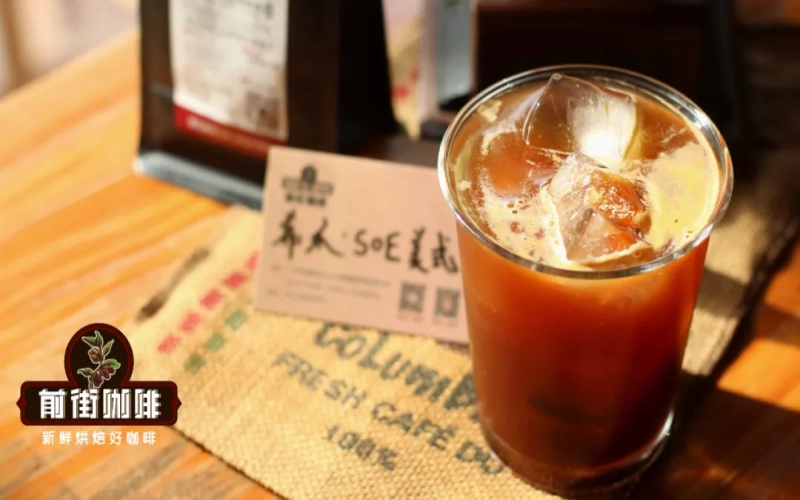
When ordering an Americano or a milk coffee at a café, have you noticed that besides the default espresso blend on the menu, there is also an SOE option that costs extra? Behind this seemingly simple choice lies actually decades of evolution in the coffee industry. SOE stands for single-origin espresso, and it differs significantly from traditional blends in raw material selection, roasting approach, and extraction difficulty. This article will systematically sort out the origin and development of SOE, analyze why it is priced higher, and explain from the perspective of output stability why Front Street Coffee does not launch SOE products, helping you fully understand the essential differences between these two types of espresso. [more…]

Commercial Latte Coffee Beans Recommendations | Which Italian-style beans are suitable for making lattes? What are the requirements for coffee beans used in latte art? How do you judge whether espresso extraction is successful?
For more specialty coffee knowledge, please follow our WeChat official account: Front Street Coffee (FrontStreet Coffee). Nowadays, more and more people like to have a cup of rich and mellow espresso in the morning to refresh themselves. The rich milk and the extracted espresso are perfectly blended together, very [more…]
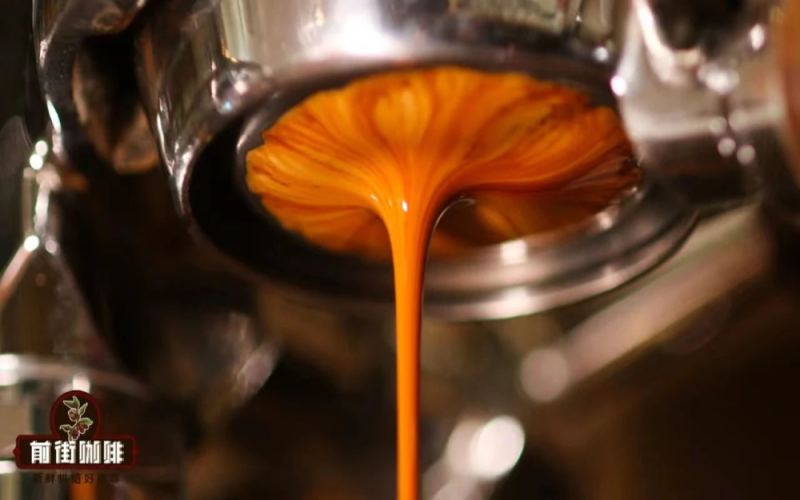
SOE Single-Origin Espresso Flavor Characteristics | What's the Difference Between SOE and Coffee Blends? How Can Coffee Beginners Make Delicious SOE Coffee?
When you go to a café and want to order an Americano or a milk coffee, you often face two options: one is the default espresso blend, and the other is the SOE that costs extra. At this point, some people might wonder, why is this "SOE" more expensive than the blend? What exactly makes it more expensive? What is SOE coffee? SO [more…]
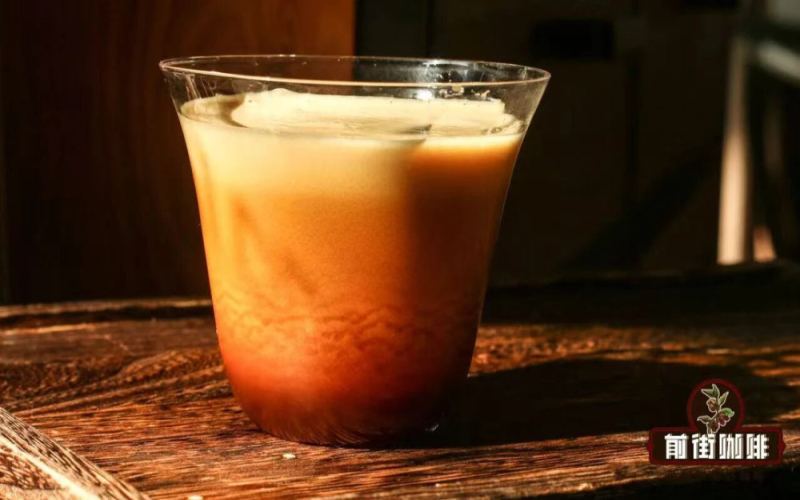
Why Is SOE Coffee More Expensive Than Blends? Defining Single-Origin Espresso and Blends, and Analyzing Their Flavor Differences
In recent years, SOE single-origin espresso has rapidly gained popularity in China's coffee scene, with many chain brands leveraging it to create their own signature offerings, forming a new trend. What exactly is the difference between SOE and espresso blends? Why is the price of SOE generally higher than that of blend beans? This article starts with the definitions, roasting approaches, and flavor presentation of the two, analyzing one by one how factors such as bean grade, roasting control, and brewing difficulty drive up the cost of SOE, and combines Front Street Coffee's store experience to share key points on bean selection, extraction parameter adjustment, and freshness management when making SOE at home, helping you easily brew a cup of excellent single-origin espresso. [more…]
SOE Coffee | How to distinguish single-origin SOE beans from espresso blend beans? Which coffee beans are suitable for making SOE? Is SOE coffee better in quality than espresso blend beans?
Have you noticed that many coffee shop menus now include a "switch to SOE" option, and some even offer several SOE choices? I believe quite a few friends have started to wonder what these letters actually mean. In this article, Front Street will summarize SOE and the blended coffee we commonly see. [more…]