Have you noticed that many coffee shop menus nowadays have added a "swap to SOE" option, and some even offer several SOE choices? I believe quite a few friends have started to wonder what these letters actually mean. In this article, Front Street will summarize the difference between SOE and the blended coffee we commonly see.
First, understand the concept of SOE
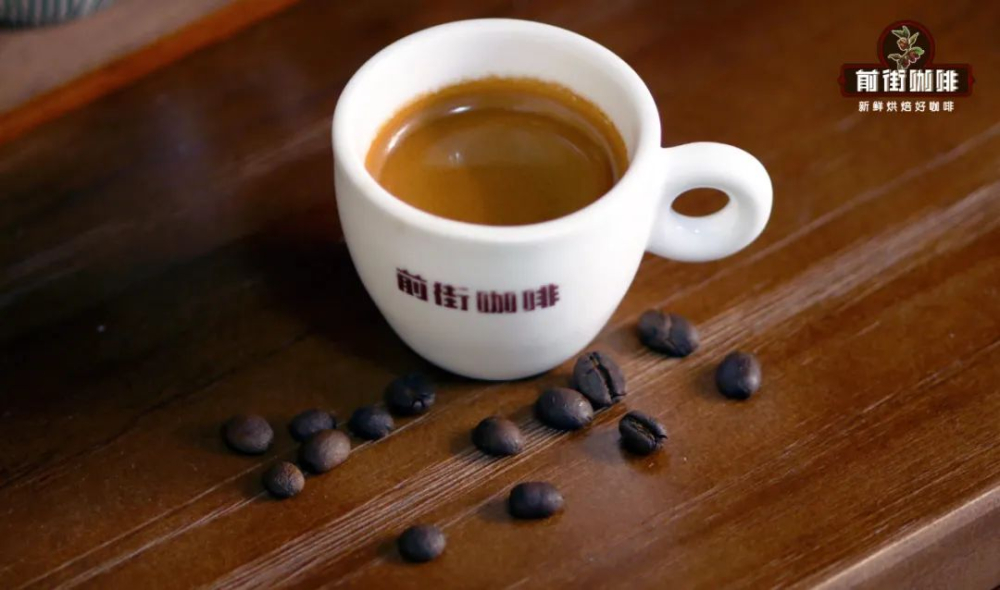
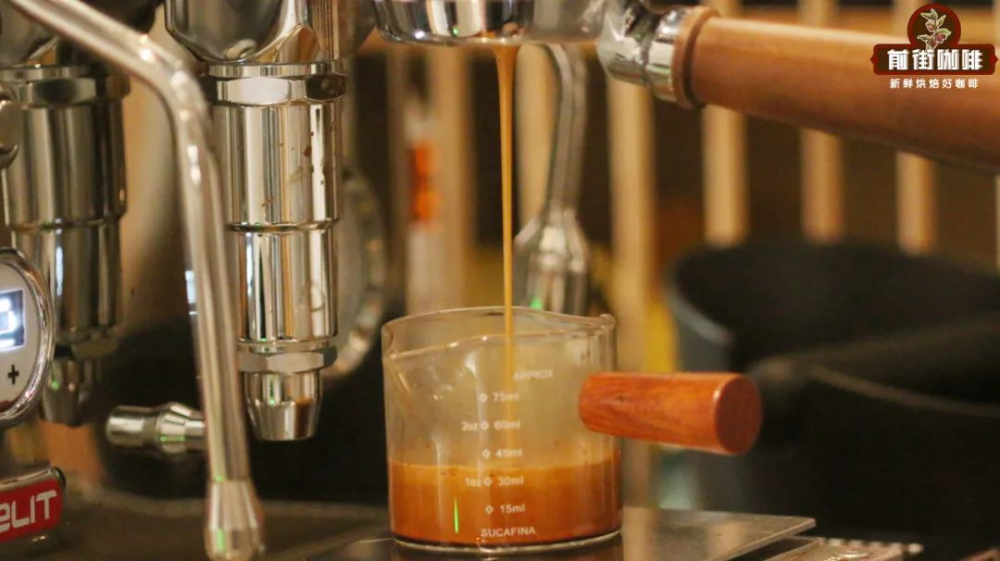
SOE is the abbreviation of Single Origin Espresso, translated as espresso made from single-origin coffee beans. The introduction of SOE came along with the popularity of the concepts of specialty coffee and single-origin coffee brought by the third wave of coffee.
So-called specialty coffee refers to high-quality coffee grown in origins with unique microclimates and geographical conditions, cultivated to have positive aromas and a "taste of place." As more and more consumers learn about coffee bean origin information and are willing to pay higher prices for high-quality coffee beans, producers naturally invest more effort in the source of specialty coffee, which led to the emergence of single-origin coffee beans that emphasize a single origin. Originally, single-origin coffee beans were generally extracted by pour-over, but later more and more single-origin beans were applied to espresso, and with the promotion of various competitions and chain brands, the concept of SOE began to become increasingly popular.
So as long as espresso is made from single-origin coffee beans, it can be called SOE. It and espresso blend both belong to the category of espresso terminology. In contrast, an espresso blend mixes coffee beans from more than two origins, generally using a medium-dark roast, presenting a rich and balanced taste. SOE, however, needs to highlight the unique flavor of the origin, with a lighter roast. For example, the SOE extracted from Front Street Ethiopia Natural Yirgacheffe Red Cherry coffee beans on Front Street's bean list presents the sweet-and-sour notes of berries and citrus.
Are espresso blend beans necessarily worse than SOE?
When we choose to switch the coffee base to SOE, we often need to pay a few extra yuan. At this time, many people subconsciously think that "SOE must be more premium than blend beans." However, this is not the case. SOE only indicates that the coffee beans come from a single origin, so it does not mean the coffee quality is better, nor can it show that the taste is necessarily better than a blend.
Up to now, the vast majority of coffee shops still focus on espresso blends as their main products. The reason blend beans have become the mainstream of the market is not only that they can reduce raw material costs, but also that they provide stable extraction for daily output and ensure as much as possible the taste of drinks based on espresso. Simply put, coffee shops choose blends for stable and consistent output standards.
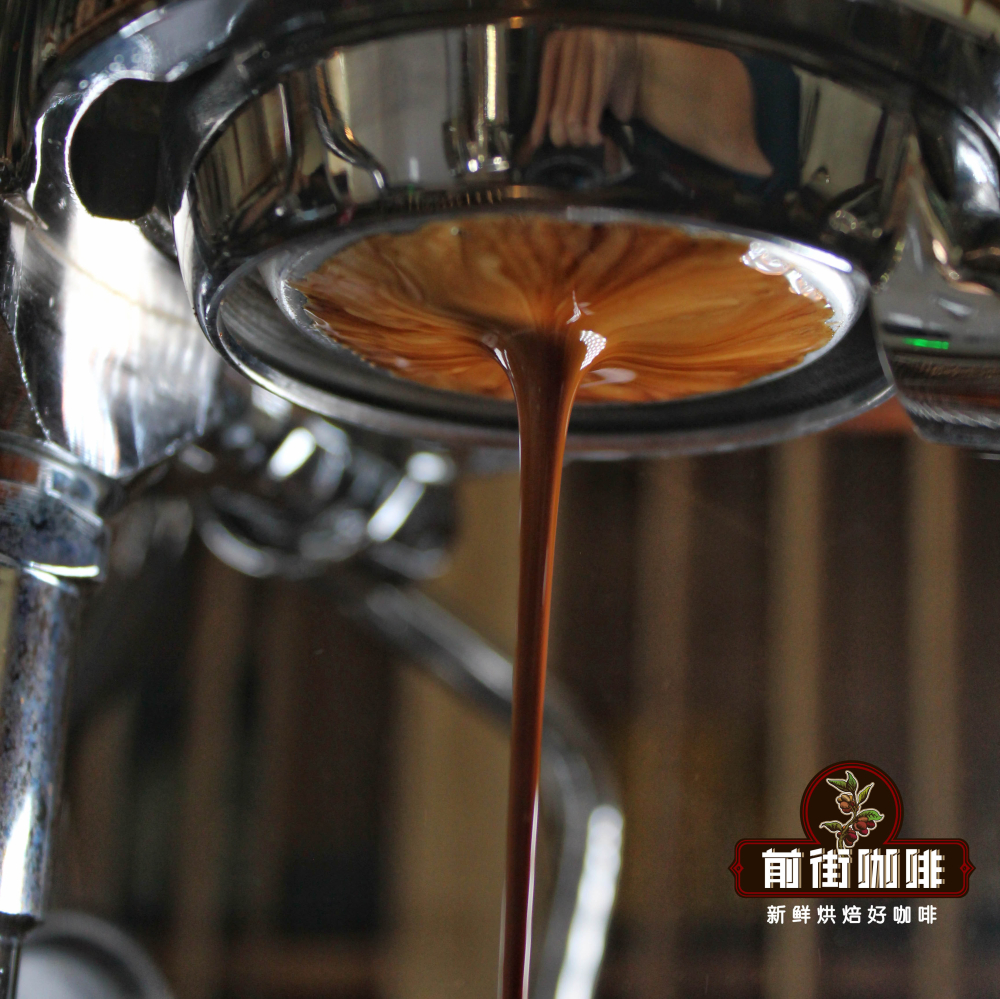
Single-origin beans used for pour-over need to consider presenting the unique regional flavor of the origin and the aroma of the coffee beans themselves. Just as Front Street Yirgacheffe has a fresh and bright citrus and lemon acidity, Front Street Blue Mountain coffee should have sweet chocolate and caramel aromas. Similarly, SOE also needs to express the flavor characteristics that the origin should have. If the roast is too dark, the flavor and aroma are easily covered by the heavy substances produced by roasting; if the roast is too light, it easily leads to under-extraction, resulting in sharp acidity and a thin taste. Therefore, whether a cup of SOE coffee tastes good greatly tests the roaster's and barista's "interpretation" of SOE.
Then why is SOE often more expensive than blends?
When ordering a coffee made with blend beans, the barista will not describe it too much, but if it is switched to single-origin beans, they will emphasize that it is "SOE," mainly to distinguish it from blend beans. Traditionally, single-origin coffee beans are usually used in drip coffee, such as pour-over. Pressurized espresso uses blend beans as raw material. Producers combine coffee beans from different origins and use dark roasting to highlight a taste dominated by richness, body, and bitterness, with flavors basically fixed in the tone of caramel, dark chocolate, nuts, and cocoa.
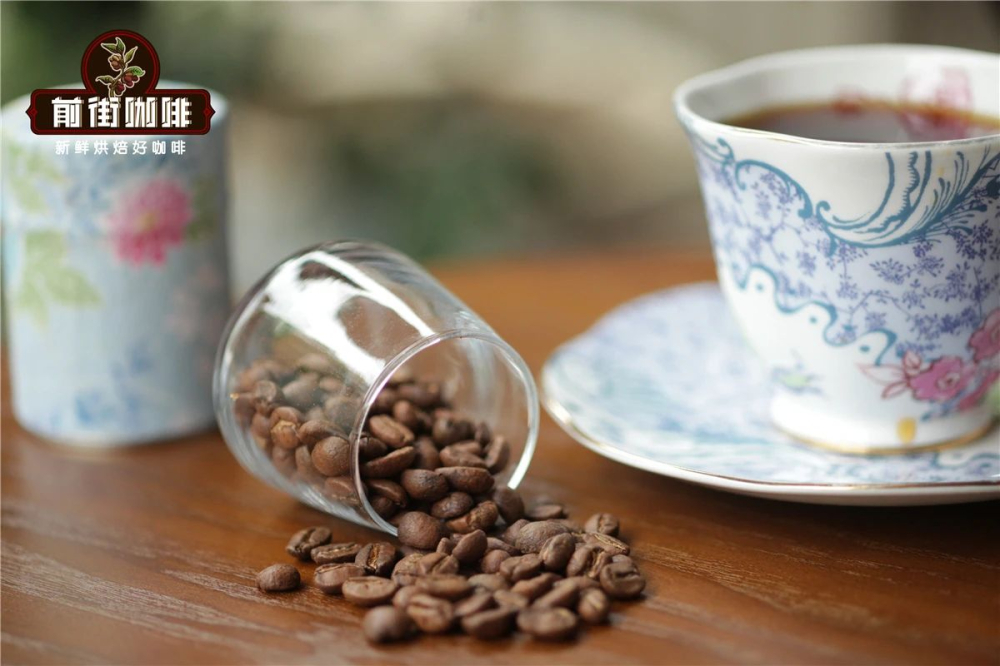
SOE, which emphasizes a single origin, uses a lighter roast and presents a light body different from the traditional bitter tone, such as Ethiopian beans with flavors dominated by citrus and floral notes. Higher recognizability makes it easier for consumers to remember the characteristics of SOE, but from a cost perspective, higher-quality single-origin beans are of course also more expensive, so paying extra is only reasonable.
Which coffee beans are suitable for making SOE?
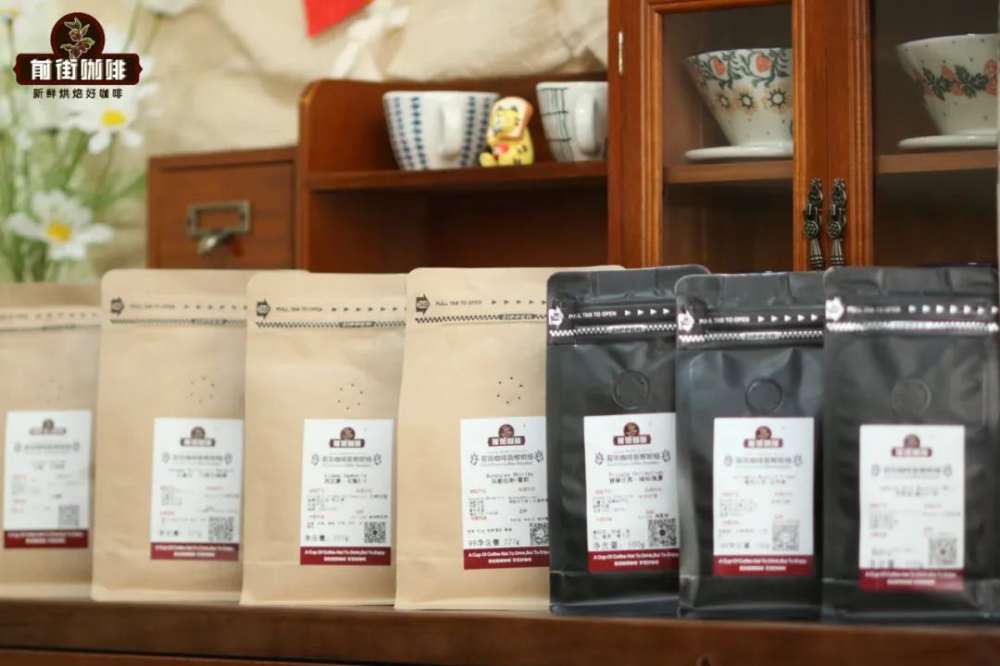
The first condition for a delicious cup of coffee is high-quality coffee beans. The coffee beans selected for SOE should also be higher-quality single-origin coffee beans. Front Street's roasting principle is "freshly roasted good coffee," hoping every customer can drink freshly roasted coffee beans full of aroma. All shipped coffee beans are freshly roasted within 5 days. Taking the coffees on Front Street's bean list below as examples, let's introduce which coffee beans are suitable for making SOE.
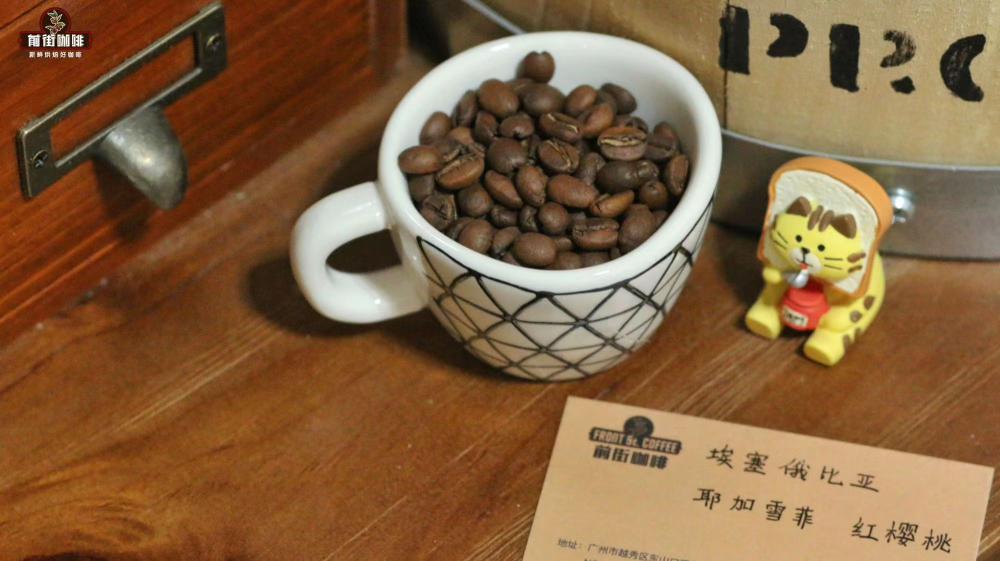
1. Front Street Yirgacheffe Natural Red Cherry Coffee Beans
This Front Street Yirgacheffe Natural Red Cherry coffee bean originally used for pour-over drip brewing shows very high sweetness and a strong fruity aroma. When used to extract espresso (grind size needs to be adjusted), the crema on the surface is delicate, the color tends toward pale yellow, and it smells of sweet berries. The sweet-and-sour berries and caramel give a clean mouthfeel. Adding steamed hot milk presents the sweetness of honey.
2. Front Street Honduras Whiskey Barrel Aged Sherry Coffee Beans
The medium roast gives Front Street Honduras Sherry coffee a roasted aroma while retaining the acidity of berries. The SOE made from it highlights vanilla cookies and whiskey aroma. Adding milk presents the smoothness of chocolate cream, with an aroma that rushes to the nose, and the overall taste is very soft. The Front Street Sunflower Warm Sun espresso blend beans used for Front Street stores' daily espresso output are made by blending Front Street Sherry and Front Street Natural Red Cherry coffee at a 7:3 ratio. The wine aroma, fruity sweet-and-sour notes, and the smoothness of chocolate milk are perfectly integrated in one cup of coffee.
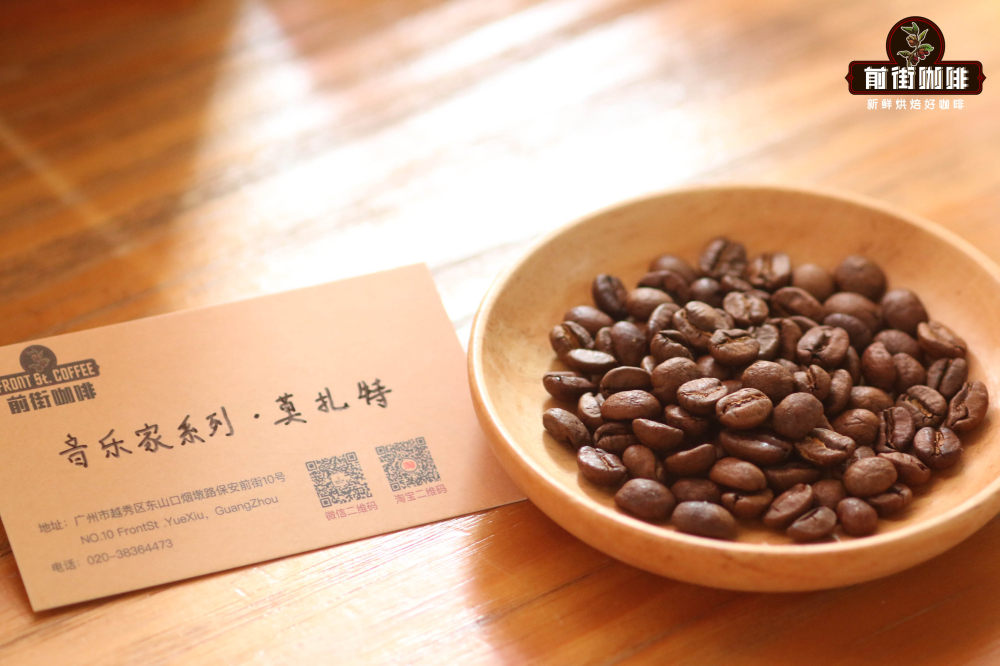
3. Front Street Costa Rica Musician Series Mozart Coffee Beans
Anaerobic honey processing allows the coffee beans to retain the mucilage layer before drying for sealed fermentation, maximizing the sweetness of the coffee beans. This Front Street Costa Rica Mozart coffee presents rich rose fragrance and the high sweetness of raisins when poured over. Extracted as SOE, it shows strong tropical fruit and fermented flavor notes.

4. Front Street Brazil Queen's Estate Yellow Bourbon Coffee Beans
If none of the above are the flavor types you like, why not take a look at this Front Street Queen's Estate coffee bean from Brazil, a major coffee country. The medium-dark roast gives the coffee a strong aroma of nuts, cream, and peanuts, with a finish full of sweet chocolate. The extracted SOE has beautiful rich crema, and it is also full of aroma when made into milk coffee.
For professional coffee knowledge exchange and more coffee bean information, please follow Coffee Workshop (WeChat public account cafe_style)
For more specialty coffee beans, please add the private WeChat Front Street Coffee (FrontStreet Coffee), WeChat ID: qjcoffeex
The above content is compiled by CoffeeHunters, a coffee news website.