







Search Results for: Zimbabwe Coffee
A Comprehensive Interpretation of the Origin and Quality of Zimbabwe Fairfare Estate Coffee
Although Zimbabwe's coffee-growing history started relatively late, its unique soil and climate conditions in the Eastern Highlands have given rise to outstanding specialty coffee. Among these, Fairfell Estate, with its family-run model, hand-picking, and sun-drying processing, has become a highly representative plantation in the region. This article will guide you through Zimbabwe's coffee-producing areas, the cultivation details of Fairfell Estate, and how its flavor compares with high-quality Kenyan AA coffee. If you are interested in African specialty coffee, you may wish to follow Front Street Coffee's perspective and explore the coffee stories of this highland together. [more…]
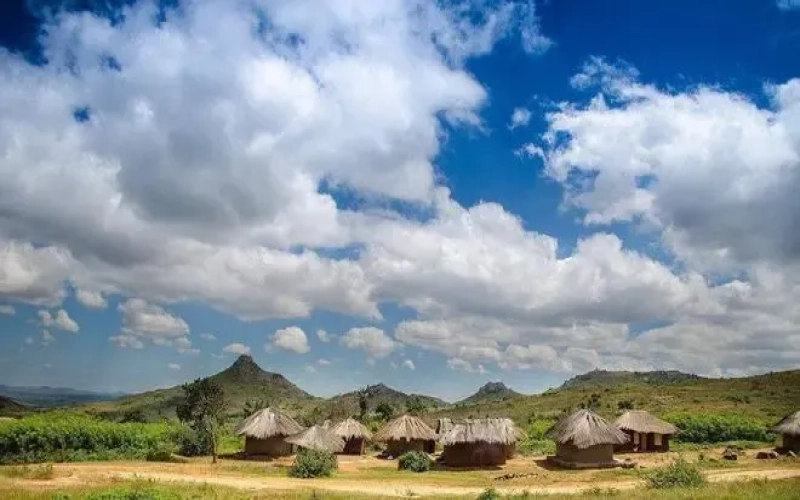
A Panoramic Scan of African Coffee-Producing Regions: An Overview of Malawi, South Africa, Uganda, and Niche Producing Countries
The African continent is blessed with unique highland, volcanic, and river resources, and its coffee-producing regions are widely distributed. In addition to Kenya and Ethiopia, there are several other producing countries worthy of attention. This article focuses on three countries—Malawi, South Africa, and Uganda—and outlines the rise and fall of their respective coffee industries, growing conditions, variety distribution, and flavor characteristics, while also briefly introducing producing regions such as Zambia, Côte d'Ivoire, Zimbabwe, and Angola, which have smaller output but are gradually recovering. The article also retains recommendation information related to the Front Street brand, making it easy for coffee enthusiasts to gain a comprehensive understanding of the diversity of African coffee. [more…]

Mixue Kenya store prices bubble tea at 580 shillings, sparking heated debate among African netizens over whether the price is high or low.
A cup of bubble tea costs only a few yuan to a dozen yuan in China, but at a Mixue Bingcheng store in Nairobi, Kenya, the menu price is as high as 580 Kenyan shillings, equivalent to about 32 yuan. A Chinese netizen in Africa photographed the price list and posted about it with astonishment, sparking discussions among Chinese people in various places. Some believe that local prices are already high, so this pricing is not outrageous; others, comparing it with places like Congo and Zimbabwe where a cup of milk tea often costs ten US dollars, exclaimed that Mixue Bingcheng is "really conscientious." This article will trace the origins and development of this price discussion and explore the cost logic behind Chinese tea beverage brands going overseas to Africa. [more…]
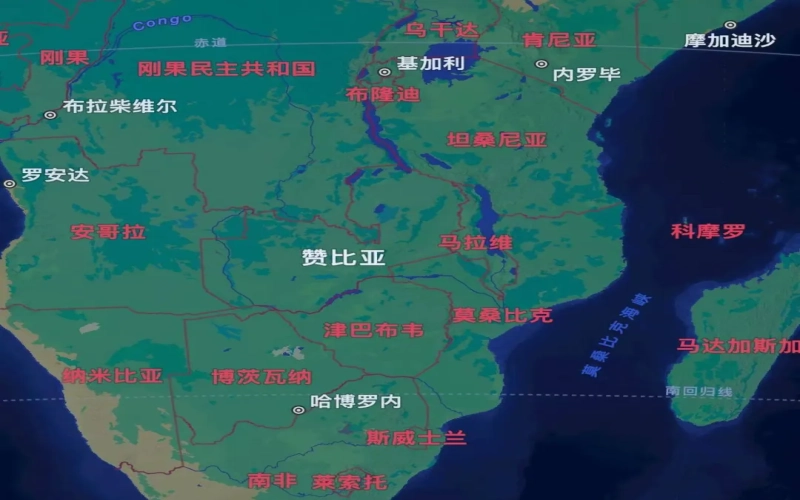
An Analysis of Zambia's Coffee-Producing Geography, Major Growing Regions, and Varieties
African coffee occupies an important position in the global market. Ethiopia is widely recognized as the birthplace of coffee, and Zambia is likewise an African producing country worth noting. Zambia is located in south-central Africa, a landlocked country bordering nine nations, with a land area of about 752,600 square kilometers. Most of the country consists of plateaus at elevations of 1,000 to 1,500 meters, with a tropical savanna climate, an average annual temperature of 18 to 20°C, and three seasons—dry and cool, dry and hot, and warm and wet—making it suitable for growing crops such as coffee. Coffee is mainly distributed in Muchinga Province, Northern Province, Luapula Province, Copperbelt Province, Lusaka Province, and North-Western Province, primarily grown on large estates. All varieties are Arabica, with the Catimor series and SL28 accounting for the majority. The harvest period runs from October to March of the following year. [more…]
A Complete Analysis of Arabica Coffee Bean Flavors: From Sour, Bitter, Sweet, and Mellow to the Taste Profiles of Representative Varieties by Region
The world of coffee flavors is rich and diverse, with sourness, bitterness, sweetness, and body each having their representative bean varieties. This article systematically reviews the typical producing regions of Arabica coffee beans across different flavor profiles, and introduces one by one the taste characteristics and brewing suggestions for single-origin coffees such as East Timor, Ethiopia Limu and Harar, Indonesian Mandheling, and Peru. Whether you prefer bright fruity acidity or heavy, rich bitterness, you can find the cup that suits you here. Front Street Coffee will also draw on years of roasting experience to recommend beans worth trying. [more…]
A detailed explanation of Papua New Guinea coffee bean characteristics: Bird of Paradise variety, grading system, and flavor profile
Papua New Guinea's coffee industry has a unique history and multicultural background. From the Jamaican Blue Mountain Typica variety introduced during the colonial period to today's "coffee garden" model dominated by smallholder farmers, it has formed a distinctive regional character. This article will systematically review the core characteristics of Papua New Guinea coffee beans from the perspectives of historical origins, variety traits, green bean grading systems, and flavor performance. At the same time, Front Street Coffee will also combine its own sourcing experience to recommend Bird of Paradise coffee products worthy of attention for coffee lovers. [more…]
A Flavor Analysis of Six World-Renowned Coffee Beans: A Complete Guide from Sour, Bitter, Sweet, and Mellow to Origins and Varieties
Coffee flavors are endlessly varied—acidity, bitterness, sweetness, and body each have their devotees—and all of this is closely tied to the origin and variety of the coffee beans. This article systematically sorts out the world's six most famous coffee bean types, listing representative origins by five dimensions: acidity, bitterness, sweetness, neutral taste, and rich body, and introduces one by one the taste characteristics and drinking suggestions for five distinctive beans: Timor-Leste, Ethiopia Lima, Indonesia Mandheling, Ethiopia Harar, and Peru. Whether you prefer the brightly fruity African beans or are drawn to the rich, intense Asian beans, you can find the cup that suits you in this guide. Front Street Coffee has also selected a range of high-quality bean sources for you, so why not follow this article and explore the infinite possibilities of coffee flavor together. [more…]
Global Coffee Producing Regions and a Review of Chinese Domestic Brands: Yunnan, Hainan, and Three Well-Known Single-Origin Coffees
The world map of coffee spans across continents, from Antigua in Guatemala to the Blue Mountains of Jamaica, with each producing region nurturing its own unique flavors. Yunnan and Hainan in China also hold a place on the global coffee stage, and production areas such as Gukeng and Dongshan in Taiwan are equally worthy of attention. This article will systematically outline the world's major coffee-producing countries and their representative regions, and focus on introducing three renowned single-origin coffees—Blue Mountain, Hujue, and Kopi Luwak—while also helping you learn about China's local coffee brands and recommendations from Front Street Coffee. Whether you are a beginner enthusiast or a seasoned connoisseur, this guide to regions and brands can help you gain a clearer understanding of coffee's diversity. [more…]
A Complete Analysis of the Flavor Characteristics and Harvest Season of Yunnan Small-Bean Coffee: From Ripening Cycle to Estate Prospects
Yunnan coffee is standing at a point of dual growth in both production and market, and Hu Lu, vice president of the provincial coffee industry association, remains optimistic about its prospects. This article will sort through the harvesting season, fruit structure, and peaberry characteristics of Yunnan small-bean coffee, as well as the regional differences in coffee ripening periods around the world, while also presenting the latest developments in Yunnan's coffee industry in terms of planting area and consumer market potential. For enthusiasts who follow Yunnan coffee flavors and origin stories, this information helps to provide a more comprehensive understanding of the journey of the coffee in the cup from branch to bean. [more…]
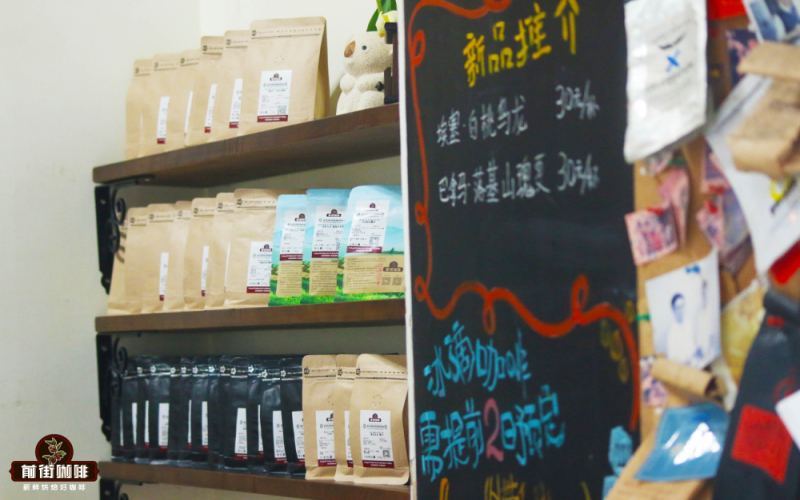
Flavor Characteristics of Major Coffee Regions Around the World: A Guide to Tasting Profiles and Mouthfeel from Africa to the Americas
Even different plots within the same estate can produce coffees with distinct flavors, let alone major regions spanning continents. The three great specialty coffee belts—Asia, Africa, and Central & South America—nurture vastly different flavor profile characteristics due to terroir differences: Ethiopia's floral and citrus notes, Indonesia's rich herbal undertones, and Central America's balanced chocolate character, each with its own following. Before deciding to put a coffee on the shelf, Front Street Coffee repeatedly roasts and cups samples from each region, selecting the most representative lots before recommending them to consumers. This article systematically organizes the flavor characteristics and taste descriptions of major coffee-producing countries worldwide, covering Ethiopia and Kenya in Africa; Indonesia and India in Asia; Guatemala, Costa Rica, and Panama in Central America; and Colombia and Brazil in South America, providing coffee lovers with a complete flavor profile reference. [more…]
How to Describe Coffee Flavors? A Comprehensive Analysis of Flavor Characteristics of Major Coffee-Producing Countries and Regions Worldwide
Even coffee from different plots within the same estate can vary in flavor, let alone regions spanning different countries. The three major specialty coffee regions—Asia, Africa, and the Americas—each display distinctly different regional characteristics due to their unique terroir. Ethiopia's floral and citrus notes and the rich, full-bodied character of Asian coffees each have their own following. When recommending single-origin beans to customers, Front Street Coffee matches them based on taste preferences—those who prefer acidity can choose Front Street Kenya Small Tomato or Front Street Yirgacheffe, while those who enjoy a full-bodied cup can try Front Street Jamaica Blue Mountain or Front Street Golden Mandheling. Front Street currently offers more than 200 specialty coffee beans, and every bean has undergone repeated roasting tests and cupping screenings, only being recommended to consumers after confirming it is representative of its region. The following content is a coffee flavor guide compiled by Front Street after multiple rounds of roasting and cupping of common coffee regions around the world. [more…]

Papua New Guinea Bird of Paradise Coffee Beans: A Full Analysis of the Typica Variety's "Little Blue Mountain" Flavor
Papua New Guinea, an island nation in the southwestern Pacific, nurtures balanced, full-bodied island coffee thanks to its high altitude, volcanic soil, and abundant rainfall. Among them, the Bird of Paradise coffee beans recommended by FrontStreet Coffee use the Typica variety and washed processing, offering aromas of hazelnut, toasted bread, sugarcane, and caramel on the palate, accompanied by soft fruit acidity, and enjoy the reputation of "Little Blue Mountain." This article will guide you through the origins of Papua New Guinea coffee, the characteristics of its producing regions, the history of variety introduction, and the flavor profile and brewing suggestions of FrontStreet Bird of Paradise coffee beans. [more…]
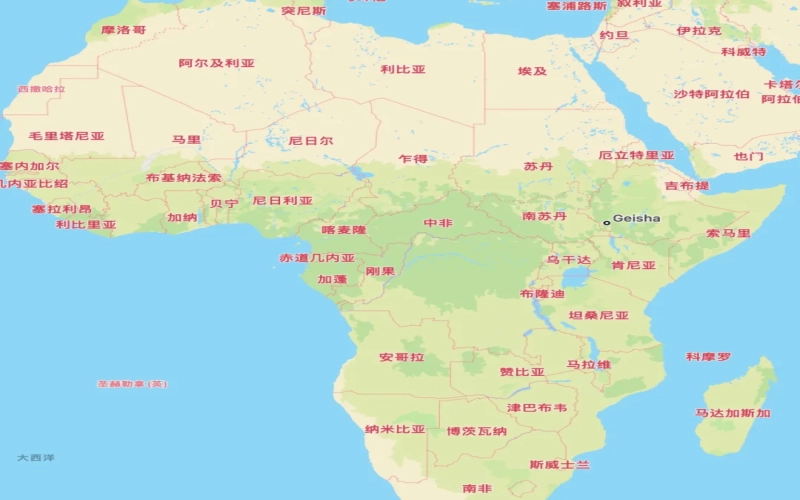
A Tour of African Coffee-Producing Countries: The Cultivation History and Flavor Characteristics of Burundi, Cameroon, and the Democratic Republic of the Congo
The African continent, with its exceptional natural conditions, has nurtured numerous coffee-producing countries. Beyond the well-known Ethiopia and Kenya, Burundi, Cameroon, and the Democratic Republic of the Congo also deserve attention. Burundi, known as the "Heart of Africa," showcases bright acidity and full-bodied sweetness through varieties such as Bourbon; Cameroon is dominated by Robusta, with Arabica accounting for only a small portion; the DRC, as the birthplace of Robusta, offers coffee with a wild flavor rich in fruity notes. This article will guide you through the coffee cultivation history, producing regions, variety characteristics, and industry status of these three countries, along with relevant recommendations from Front Street Coffee, to provide reference for your coffee exploration journey. [more…]
Flavor Analysis and Brewing Guide for Papua New Guinea Bird of Paradise Coffee Beans
Papua New Guinea is located in the southwestern Pacific Ocean, with fertile volcanic soil and a high-altitude tropical rainforest climate, making it an important producing region for specialty Arabica coffee. Local coffee is mainly of the Typica variety and is known as "Little Blue Mountain" because it was introduced from Jamaica Blue Mountain. The Bird of Paradise coffee beans recommended by Front Street Coffee come from Sigri Estate and are washed-processed and medium-dark roasted, presenting aromas of hazelnut, toast, sugarcane, and caramel, with soft acidity and a clean, balanced cup. This article will guide you through the historical origins, regional characteristics, and grading methods of Papua New Guinea coffee, as well as the brewing parameters and flavor experience provided by Front Street Coffee baristas, making it suitable for coffee lovers who enjoy a rich and balanced flavor. [more…]
Tanzania Kilimanjaro Specialty Coffee Beans: A Complete Analysis of Flavor, Aroma Characteristics, and Brewing Key Points
Front Street Tanzania Kilimanjaro coffee is known for its plump, evenly sized large beans. The beans have a grayish-green color, a bright acidity, and a sweet aroma, with an overall excellent flavor performance. After medium roasting, sweetness and a crisp acidity coexist, while dark roasting shifts it to a mellow bitterness, and it is also often used in blends. This article will focus on the flavor, mouthfeel, and aroma characteristics of this coffee, outlining suitable brewing methods and single-origin preparation ideas, and introducing the Tanzanian coffee industry, the Kilimanjaro production area, and its position in the national economy. It will also supplement background information on Tanzania regarding minerals, natural gas, helium, and administrative divisions, helping you understand this Front Street Kilimanjaro coffee more completely from origin to cup. [more…]
From Cultivation to Processing: A Comprehensive Guide to Specialty Coffee Basics and Coffee Tree Varieties
Coffee has become an indispensable beverage in many people's daily lives, but behind a good cup of coffee lies a complete chain from coffee tree cultivation, regional distribution, and varietal differences to harvesting and processing. This article will systematically introduce the basic knowledge of the coffee tree, including its botanical classification, suitable growing conditions, its white flowers and red fruit, as well as the characteristics and origins of the three major varieties: Arabica, Robusta, and Liberica. At the same time, it will also explain in detail the harvesting methods for coffee beans and processing methods such as the dry method and wet method, helping you gain a more comprehensive understanding of the ins and outs of specialty coffee. If you want to personally experience the flavor differences brought by different origins and processing methods, you may want to check out Front Street Coffee's related product recommendations. [more…]
Tanzanian Kilimanjaro Coffee Beans: A Complete Guide from Origin and History to Brewing Methods and Flavor Profile
Kilimanjaro coffee is one of the representatives of African specialty coffee, grown in the volcanic soil region at the foot of Mount Kilimanjaro in Tanzania. This article systematically reviews the origins and producing-area background of Tanzanian coffee, analyzes the flavor characteristics and quality performance of Kilimanjaro AA-grade beans, and provides a detailed introduction to various single-origin brewing methods as well as the key points of blending and specialty coffee preparation. It also compiles compositional data for green beans and roasted beans, helping coffee enthusiasts gain a comprehensive understanding of this coffee hailed as "the most African in character." [more…]

Flavor Analysis and Brewing Characteristics of Papua New Guinea Kimel Estate Little Blue Mountain Coffee Beans
Papua New Guinea coffee has long been overshadowed by Indonesian coffee, but its bright floral and fruity notes, balanced acidity and sweetness, and ideal growing conditions are attracting more and more attention from coffee lovers. Front Street Coffee has set its sights on this Oceanian country to explore its unique coffee culture in depth. This article will guide you through the distribution of coffee-producing regions in Papua New Guinea and the green bean grading standards, with a focus on the Kimel Estate—an estate jointly owned by smallholder farmers of the Opais tribe—and how, with its volcanic rock soil and diverse varietal cultivation, it produces the Typica coffee known as "Little Blue Mountain." From the estate's history to its cupping flavors, from the growing environment to the processing methods, we offer a comprehensive analysis of this coffee's unique charm. [more…]

A Complete Analysis of Arabica Coffee Varieties: Typica, Bourbon, and Geisha—Three Classic Lineages and Flavor Comparison
The flavor and quality of coffee are largely determined by variety. From Ethiopian heirloom varieties to Geisha, which has swept the specialty coffee world, the Arabica species has given rise to numerous varieties such as Typica, Bourbon, Caturra, Catuai, and Pacas, each with its own unique cupping performance and cultivation characteristics. This article systematically sorts out the classification framework of coffee's three main native species, traces the spread history of Typica and Bourbon, explains in detail the flavor differences of the Bourbon family and its derived varieties, and introduces one by one the rise of Geisha. The article also compiles information on a number of representative products from Front Street Coffee corresponding to these varieties, helping coffee enthusiasts build a clear framework for understanding coffee varieties. [more…]
Analyzing the Relationship Between Arabica and Specialty Coffee: An Overview from the Three Primary Species to Major Varieties Such as Bourbon, Typica, and Geisha
Many people habitually equate Arabica coffee beans with specialty coffee beans, but from a definitional standpoint, specialty coffee is necessarily Arabica, while Arabica does not necessarily reach specialty grade. This article begins with the global spread of coffee varieties throughout history, sorting through the varietal distribution of major producing regions such as Africa, Latin America, Asia and the Pacific, and Australia, then moves into a botanical taxonomy perspective, introducing the three primary species—Arabica, Robusta, and Liberica—and expanding one by one on the origins, characteristics, and flavor profiles of common varieties such as Typica, the Bourbon family, Caturra, Catuai, Pacas, Mundo Novo, Tim Tim, Catimor, and Geisha, while interspersing information on representative products from the Front Street Coffee brand, helping coffee enthusiasts build a clear framework for understanding varieties. [more…]