







Search Results for: Shenzhen Imperial Court Plaza
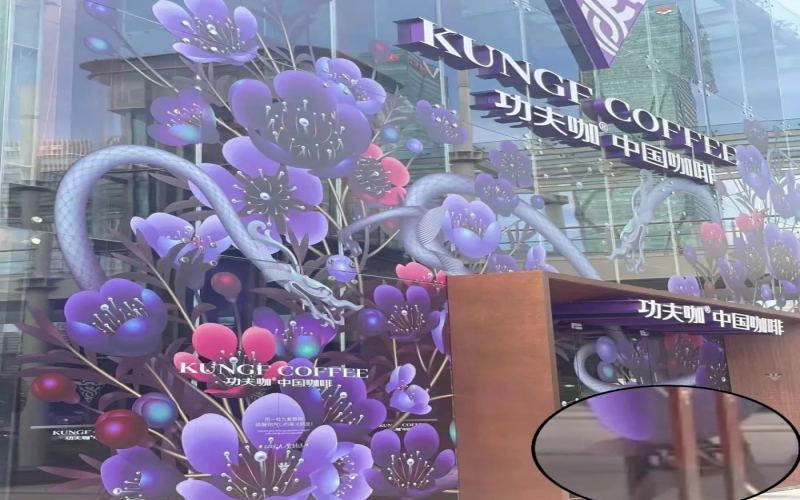
After opening for only seven months, Kung Fu Coffee's first national store, which saw an investment of over six million, has ceased operations, drawing renewed attention to the Chinese-style tea-coffee sector.
Kung Fu Coffee, which once made a high-profile debut with the concept of "Eastern tea plus Western coffee," quietly shut down its first national store at Shenzhen's Wongtee Plaza just seven months after opening. Incubated by the team behind "Benlai Buyingyou," the brand's first store was said to have cost over six million yuan to build, and it briefly became an internet-famous check-in spot thanks to its purple interiors and Chinese-element design, reaching an average daily output of 1,200 cups within ten days of opening. Yet consumer reviews were sharply divided, and coupled with the awareness and talent bottlenecks facing the tea-coffee category itself, Kung Fu Coffee's next moves are drawing close attention. [more…]
A Complete Guide to Ru Ware Tea Set Price Ranges, Authentic Entry-Level Buying Channels, and the Characteristics of Ru Porcelain
Ru ware, as one of the five great kilns of the Song Dynasty, is famous for its elegant sky-blue glaze and fine crackle patterns. Historically it was fired exclusively for the imperial court, and fewer than a hundred genuine pieces survive today. Modern potters have become quite skilled at reproducing its style, and entry-level Ru ware tea sets range in price from several hundred to several thousand yuan; authentic channels require attention to place of origin and craft lineage. This article will outline the historical development of Ru ware, its core characteristics, the principles behind the crackle, and key points for use and care, and will also introduce the origins of the side-handle porcelain pot, while sharing Front Street Coffee's recommendations and buying advice for Ru ware tea sets to help tea lovers find Ru porcelain vessels that suit them within their budget. [more…]
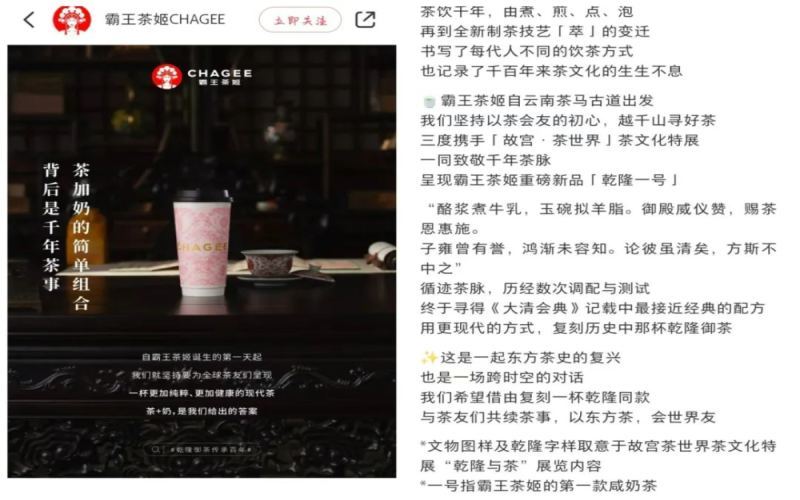
Chagee launches salted milk tea "Qianlong No.1," and netizens are divided: imperial court style or burnt rice flavor?
Chagee recently officially announced the launch of its new product "Qianlong No. 1," claiming to recreate the same milk tea that Qianlong drank based on records in the "Collected Statutes of the Great Qing," and it is also the brand's first salty milk tea. After going on sale, it quickly sparked heated discussion. Netizens joked that the name was "more suitable for office workers," while also seriously reviewing the taste, though opinions were sharply divided—some found it salty and rich like Inner Mongolian milk tea, while others complained it tasted like "Qianlong's bathwater." At the same time, discussions kept bubbling up about whether the product name was awkwardly piggybacking on a historical figure and whether it could continue using the old name "Qingshan Xianshuang." This article compiles viewpoints from all sides to take you through the real look of this palace-style salty milk tea. [more…]
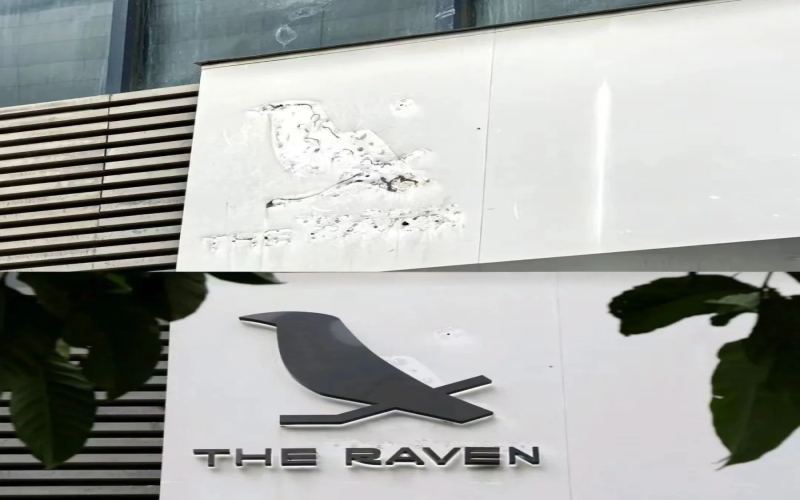
Coffee brands invested in by Heytea and Nayuki have successively contracted, with Raven Coffee's Shenzhen founding store closing, leaving only one store.
New-style tea beverage brands' attempts to cross over into the coffee track are encountering setbacks. Crow Coffee, invested in by the founder of Heytea, has closed its founding store in Shenzhen Tianli Central Plaza and put it up for rent, leaving the brand with only one store remaining in Dachong. Meanwhile, AOKKA Coffee, invested in by Nayuki, has also announced that it will close all of its Shenzhen stores by the end of August. Looking back at 2022, Heytea and Nayuki quickly entered the coffee market by investing in brands such as Seesaw, Minor Figures, KUDDO, and Monster Drowsy, but these invested brands now generally face the predicament of store closures and contraction. This article reviews the current store status of each brand and analyzes the challenges and industry competitive landscape faced by tea beverage brands crossing over into coffee. [more…]
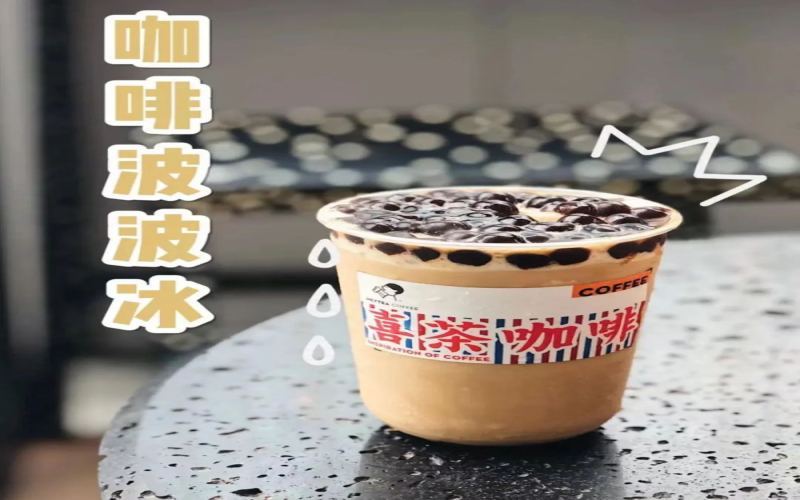
HEYTEA Coffee's trademark registration was rejected due to deceptiveness and similarity, and its lawsuit against the China National Intellectual Property Administration also failed.
In 2019, Heytea made a cross-industry foray into coffee products, blending milk tea elements into coffee and applying to register the "Heytea Coffee" trademark. However, the China National Intellectual Property Administration deemed the trademark deceptive and similar to the cited trademark "Xicha," rejecting the registration application. Heytea's affiliated company disagreed and sued the China National Intellectual Property Administration. The court of first instance upheld the rejection decision, finding that the disputed trademark could easily mislead the public about the characteristics and quality of the goods and cause confusion with another party's prior trademark. This article reviews the case process and the court's key rulings, for coffee enthusiasts to learn about brand trademark protection developments. [more…]

Torrential Rain Hits Shenzhen Coffee Festival: Stalls Leak, Power Out, Sewage Backs Up, Event Forced to Halt and Extended by One Day as Compensation
During the May Day holiday, Guangdong was hit by severe convective weather, and the site of the Shenzhen coffee festival descended into chaos under the onslaught of torrential rain. Leaking canopies over temporary stalls, sudden power outages on site, and yellow sewage gushing from drainage outlets—a triple blow that caught vendors and visitors off guard. Although the organizers and the mall carried out emergency repairs afterward, the incident still exposed the shortcomings of outdoor events in responding to extreme weather. This article reconstructs the course of events and brings the latest news on compensation for the event's postponement. For friends who love coffee culture, Front Street Coffee will also continue to follow such industry developments and bring more on-site reports. [more…]
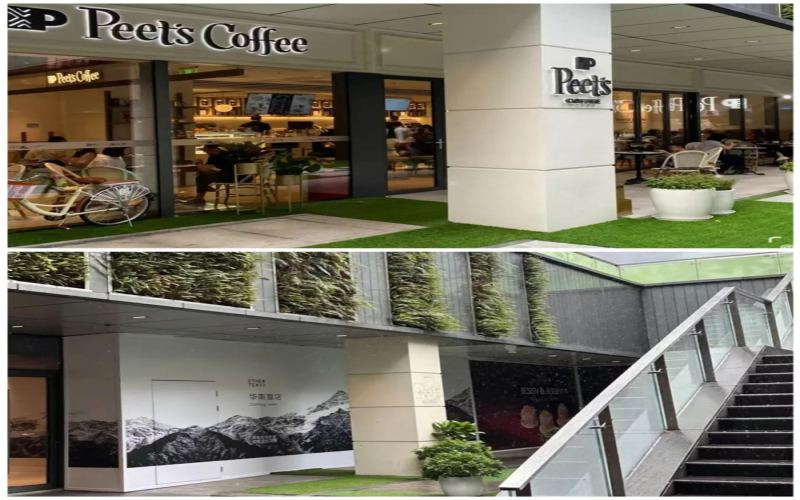
Peet's Coffee's first store in South China suddenly closes, Shenzhen MixC World store exits after four years of operation
Peet's Coffee's first store in South China—the Shenzhen MixC World branch—officially closed after business hours on July 16 this year, and the original site has been taken over by a chain tea beverage brand from Suzhou. This store, which had been open for nearly four years, once attracted a large number of coffee lovers to check in, and built up a loyal customer base with consistent quality and a comfortable environment. Unexpectedly, no closure notice was posted before the store shut down, and many regular customers were unable to say goodbye in time. At the same time, Peet's stores in Shenzhen, Shanghai and many other places have also quietly withdrawn from shopping malls, sparking speculation about adjustments to its market layout. The brand responded that the Shenzhen MixC World store closed because its lease expired, but the successive closures still leave some consumers worried. [more…]
Tea Yanyuese Wins Trademark Infringement Lawsuit with 1.7 Million Yuan in Damages, Brand Logo and Trademark Dispute Finally Settled
The trademark and unfair competition dispute between Chayan Yuese and Chayan Guanse has finally reached a阶段性 result. The Tianxin District People's Court of Changsha ruled in the first instance that Chayan Guanse lost the case and must stop the relevant infringing publicity and compensate Chayan Yuese 1.7 million yuan in total for economic losses and reasonable legal costs. This years-long tug-of-war over rights protection, from Chayan Guanse taking the initiative to sue Chayan Yuese, to Chayan Yuese resolutely filing a counterclaim and ultimately winning, has been full of twists and turns. Founded in 2013, Chayan Yuese is a well-known local milk tea brand in Changsha, featuring a Chinese style and adhering to a direct-operation model for a long time. It was only in 2020 that it expanded beyond Changsha to Wuhan, Shenzhen, and other places. After winning the case, the brand announced that it would issue discount coupons to members in celebration. This article sorts out the ins and outs of the case, the brand's development history, and the background related to its Logo design, providing a comprehensive interpretation for coffee and tea beverage enthusiasts. [more…]

Grandpa Doesn't Make Tea closes multiple stores in succession, rapid expansion goals face real-world test
Recently, the new-style tea beverage brand Grandpa's Tea, originating from Wuhan, has been reported to have closed or withdrawn stores in multiple locations, including Zibo in Shandong, Suzhou in Jiangsu, and Poyang in Jiangxi, sparking consumer concerns about its business condition. The brand's co-founder had set an expansion target of at least 4,500 stores in 2025, striving for 5,000, but as of October 18, only 2,274 stores were in operation, a clear gap from the goal. Meanwhile, well-known tea brands like Xiamen's Sevenbus and Shenzhen's 813 Bayishan have also fallen into store closure controversies. In response to external doubts, Grandpa's Tea stated that adjustments to individual stores are normal optimization actions by franchisees and that overall operations are sound. This article will sort out the ins and outs of the incident, presenting the brand's response and industry background. [more…]
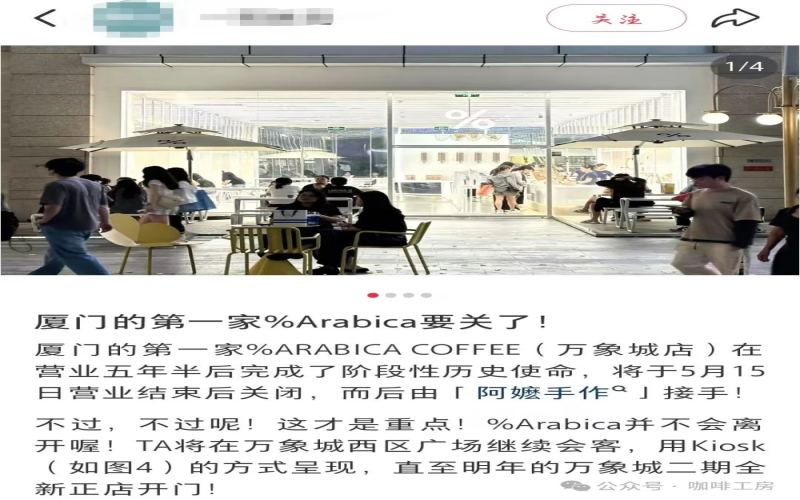
%Arabica stores closing across multiple cities in succession—can the coffee cart model sustain the brand's character? A heated debate.
Recently, the chain coffee brand %Arabica has quietly closed stores in several cities including Xiamen and Shenzhen, sparking widespread attention and discussion online. Among them, the Xiamen MixC store, the brand's first store in the city, ceased operations on May 15 after nearly five and a half years in business; in Shenzhen, the Bao'an Airport store and the Xinghe COCO Park store also closed one after another. The company has not explained the reasons for the closures, and netizens speculate they may be related to mall business adjustments, rising costs, and profitability. Notably, branded coffee trucks have appeared in some areas where stores closed, and the brand's first store in Fuzhou also adopted the coffee truck model. Longtime customers have mixed views: some see it as a flexible adjustment in response to the "buy and go" consumer habit, while others lament that the brand's design-forward store characteristics are being weakened. [more…]
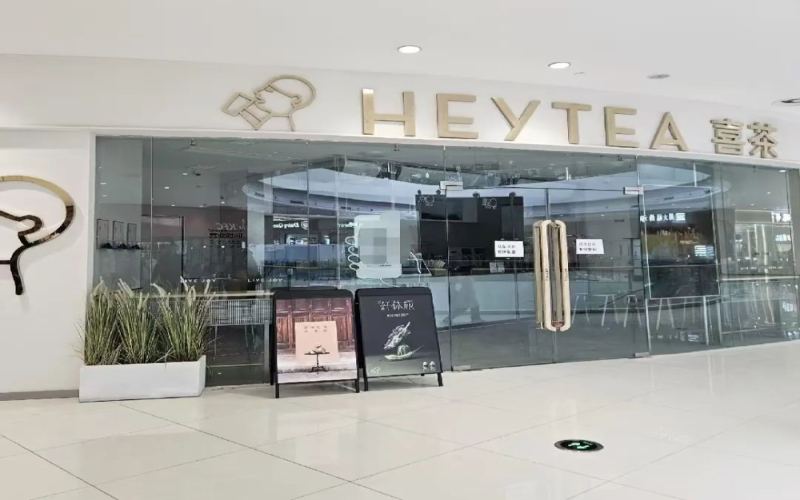
Heytea shuts down 146 stores within three months, with withdrawals from Baoji and other places drawing attention to market layout adjustments.
Recently, Heycha has seen store closures in many places across the country, drawing attention from consumers and the industry. Two stores in Baoji, Shaanxi, have suspended operations one after another, and stores in Shenzhen, Hangzhou, Qingdao and other places have also disappeared or reduced their scale. According to GeoHey brand monitoring data, in the past 90 days Heycha opened 12 new stores, but the number of closures reached 146, equivalent to nearly 2 stores disappearing from cities every day. After suspending franchise expansion, the brand intends to improve store product quality and selectively close stores with poor profitability, but the large number of closures is still surprising. As coffee enthusiasts, Front Street Coffee continues to follow the dynamic changes in the tea beverage and coffee markets, and this article sorts out cases from various places and industry interpretations of Heycha's current wave of store closures. [more…]
Sri Lankan Ceylon Black Tea Brand Recommendations and Brewing Tips: How to Choose a Delicious Tea That Isn't Bitter
As a world-renowned tea, Ceylon black tea's taste is directly influenced by brand selection and brewing methods. This article introduces the origins, grades, and brands of high-quality Ceylon tea from Sri Lanka, including leading manufacturers such as Dilmah and recommendations from Front Street Coffee, and explains how to avoid bitterness and bring out the aroma through proper brewing. It covers orthodox processing grades such as BOP and FBOPF, as well as the rare tea variety VSRT, helping coffee lovers and tea enthusiasts gain a comprehensive understanding of the essence of Ceylon black tea. [more…]
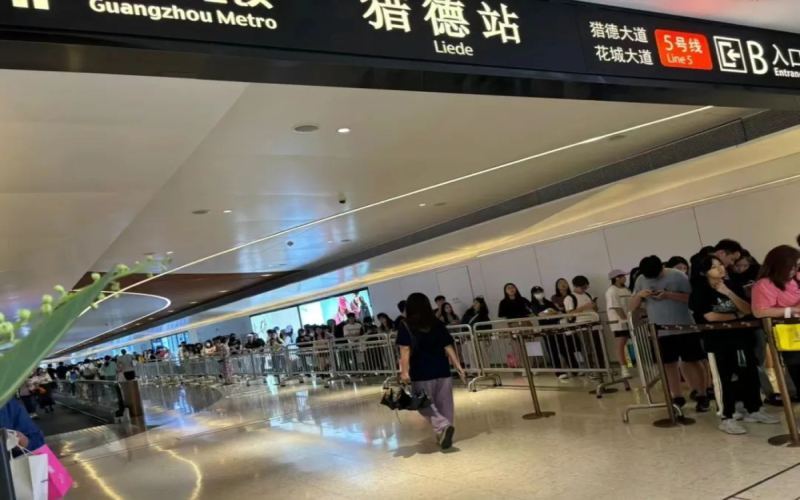
JJ Lin's Miracle Coffee Officially Opens in Guangzhou: A Firsthand Look at the Long Queues at the IGC Mall Store
On the first day of the May Day holiday, a rare queue of people appeared at Exit B of Liede Station in Guangzhou, and the reason was precisely the official opening of Lin Junjie's Miracle Coffee at IGC Mall in Guangzhou. The space was formerly occupied by the Guangdong chain brand store by.jpg, and after it closed in March this year, Miracle took over, with fans' anticipation far outweighing any regret. The official confirmation is that the Guangzhou store is a long-term operating location rather than a pop-up, and on opening day people arrived to check in before eight o'clock, with the line once extending into the subway station. The drink selection at the store is richer than that of the Shenzhen pop-up coffee truck, including the return of limited-edition specials as well as desserts, merchandise, coffee beans, and more, but no stamp service is offered. Due to astonishing purchasing power, ingredients ran out early, and a sold-out notice was posted just after six in the evening. There is still no definite news on whether Lin Junjie will personally visit the store, and considering that the shop is small and right next to the subway entrance, the station appearance segment fans are hoping for is highly unlikely to happen. [more…]
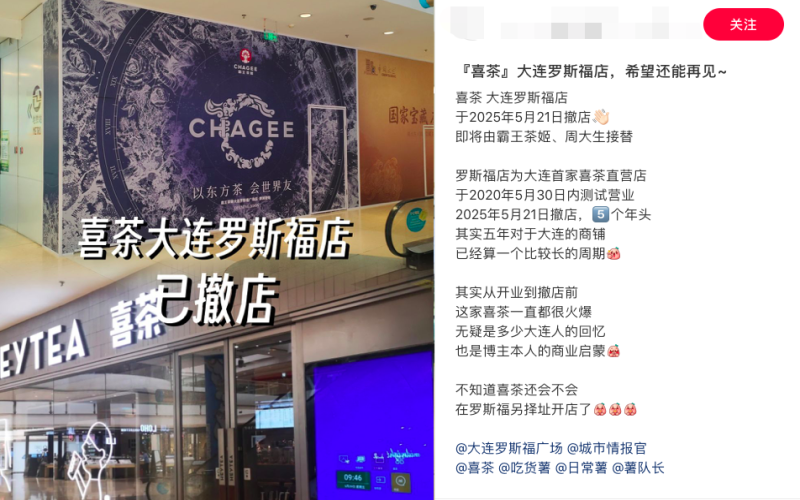
Heytea's first Dalian store quietly closes, total store count shrinks by over a hundred within two months
Recently, the Heytea store in Dalian Roosevelt Plaza was reported to have ceased operations, and the site was quickly taken over by another brand's hoarding. This store, which opened in May 2020 and once sparked queuing frenzies, was Dalian's first directly operated store, and its sudden withdrawal surprised many consumers. According to GeoHey brand monitoring data, although Heytea opened new stores in the past 90 days, it also closed 161 stores, with the total number in operation dropping from 4,410 to 4,265, equivalent to about 2 stores disappearing every day. The closures were not limited to franchise stores; some directly operated stores that had been in business for years also exited due to factors such as rent and contracts. The impact of this round of adjustment on the brand's future remains to be seen. [more…]

Luckin Coffee Opens Five Stores Simultaneously in Hong Kong, Coconut Latte Priced at HK$42 Sparks Heated Discussion
Luckin Coffee has officially entered the Hong Kong market, with five stores opening simultaneously, located at Mira Place, MCP New Town Plaza, New City Mall in Mong Kok, Shatin Centre, and Des Voeux Road Central in Sheung Wan. During the opening period, region-exclusive packaging materials and limited-edition sticker badge activities were launched. However, its Hong Kong pricing has sparked widespread discussion—the signature Coconut Latte is priced at HK$42. Although members can enjoy an opening offer of HK$15.9, it is still considerably higher than the mainland price of 29 yuan in Futian, Shenzhen, or 18 yuan after discount. Compared with brands such as Starbucks and Pacific Coffee, Luckin's price advantage is not obvious, and some consumers bluntly say they would rather buy it in Shenzhen. Industry analysis points out that Hong Kong's rent and labor costs are higher than those on the mainland, and mainland restaurant brands going to Hong Kong generally raise prices. Whether Luckin can continue its mainland coupon marketing model and maintain a平价 positioning remains to be seen. [more…]
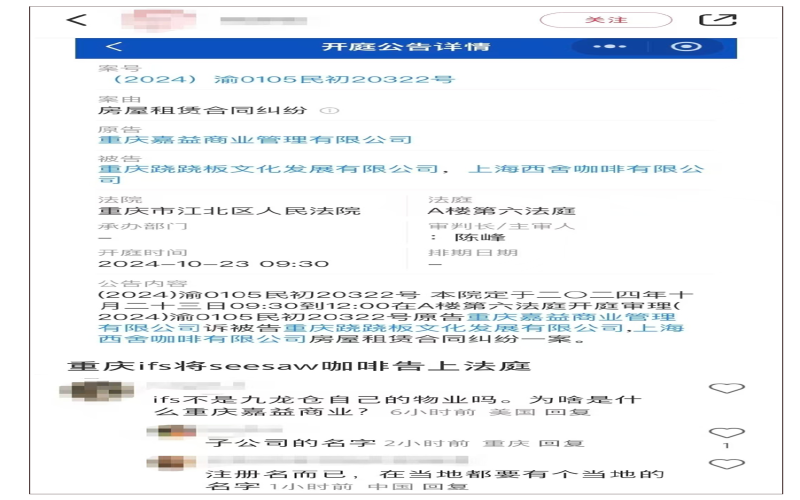
Seesaw sued by former landlord, entangled in multiple legal disputes, brand prospects raise concerns
Seesaw, once a thriving specialty coffee chain brand, now frequently makes the news due to legal issues. From being sued by former landlords, to multiple disputes with suppliers and former employees, to mass store closures in first-tier cities and a move to lower-tier markets with lackluster reviews, Seesaw's situation has drawn the attention and concern of many coffee enthusiasts. This article will review the recent turmoil surrounding Seesaw, analyze the operational difficulties behind it, and retain relevant recommendations from Front Street Coffee. [more…]
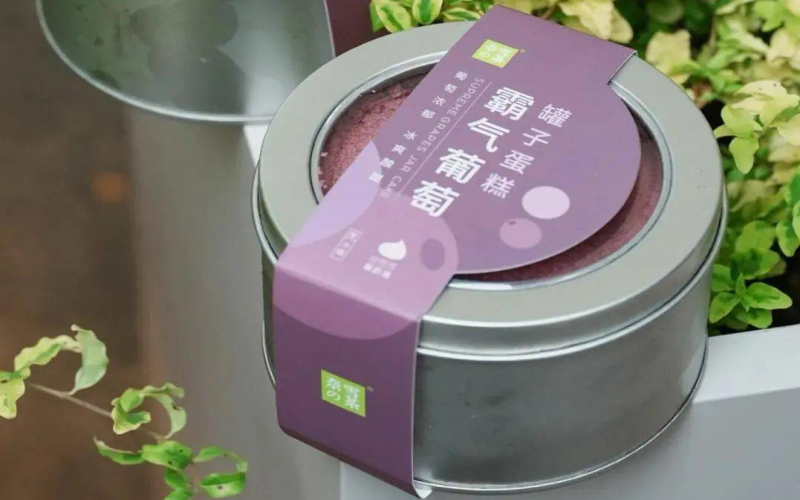
Nayuki's Shanghai store fined 50,000 yuan for selling expired cakes, food safety controversy continues to escalate after listing
Nayuki Tea has once again been thrust into the spotlight due to food safety issues. The Market Supervision Administration of Jing'an District, Shanghai, recently imposed a penalty on Nayuki's Shanghai Meilongzhen Plaza store for selling expired grape-flavored cakes to consumers, with a fine of 50,000 yuan. This is not an isolated case—since its listing on the Hong Kong Stock Exchange in June this year, Nayuki's stores have repeatedly been exposed for food safety scandals such as cockroach infestations, spoiled fruit, and excessive bacterial counts. Consequently, its stock price has plummeted from the issue price of HKD 19.80 to around HKD 9, leading to a significant drop in market value. From being the "first stock of new-style tea drinks" to being plagued by negative news, Nayuki's brand reputation is facing a severe test. [more…]

Nayuki has accumulated losses of nearly 1.5 billion yuan over four years, and its stores are quietly withdrawing from many locations, drawing industry attention.
Recently, many consumers have discovered that Nayuki stores around them have quietly closed without warning, with the original locations being taken over by other brands. Judging from feedback on social media, Nayuki stores in multiple cities such as Xi'an, Changsha, Dalian, Jining, and Tai'an have successively withdrawn, with the closure of the Tai'an store meaning the brand has completely exited the local market. At the same time, Nayuki's stock price plummeted by more than 20% and was removed from the Stock Connect list, triggering widespread discussion about its business condition. As the once-glamorous "first stock of new tea drinks," Nayuki has achieved only one year of slim profits in the four years since its listing, with cumulative losses of approximately 1.465 billion to 1.555 billion yuan. Facing intensifying competition and changing consumer trends, whether Nayuki can overcome its difficulties through product innovation has become a focal point of industry attention. [more…]
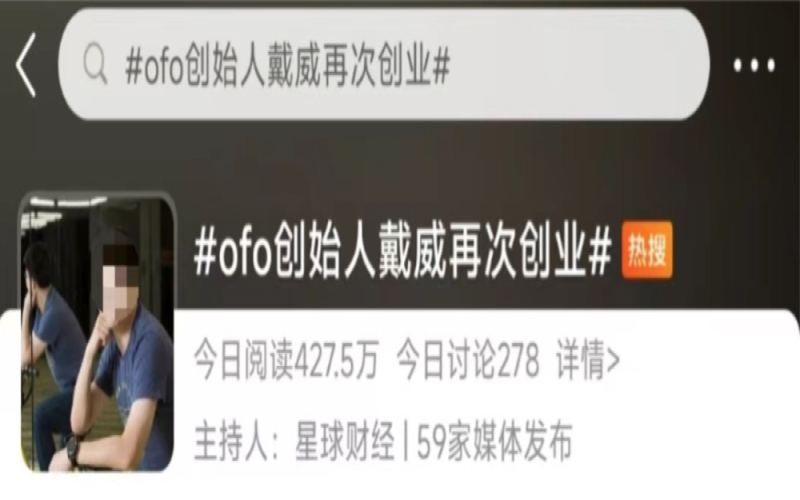
Ofo founder Dai Wei goes to the US to start a coffee shop again, netizens call for deposit refunds, Front Street Coffee follows industry trends
Remember ofo? That once ubiquitous bike-sharing brand is still nowhere near refunding deposits, yet its founder Dai Wei has reportedly started a new venture in the US—this time in the coffee sector. It's said that Dai Wei founded About Time Coffee in New York, specializing in iced pearl coffee, where new users can get a free cup upon registration, mirroring the marketing tactics of ofo back in the day. As soon as the news broke, netizens clamored for their money back. Front Street Coffee takes you through the whole story. [more…]
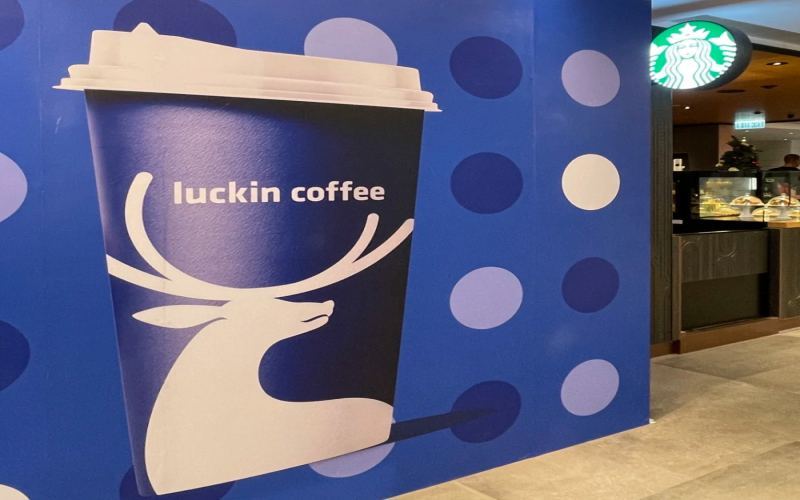
Luckin Coffee's Hong Kong layout of seven stores: can its affordable pricing strategy continue? This has drawn attention.
Luckin Coffee has been making frequent moves in the Hong Kong market recently. According to netizens' compilation, seven stores are currently in the preparatory stage, located in Mong Kok, Tsim Sha Tsui, Tseung Kwan O, Kowloon Tong, Sha Tin, Ho Man Tin, and Sheung Wan. Among them, the Tsim Sha Tsui branch is situated right next to Starbucks, seen as a signal of direct confrontation between the brands. These stores are all currently shown as under renovation, with hoardings marked "Opening Soon." The Tsim Sha Tsui store is expected to open first early next month, and the Tseung Kwan O store is also expected to welcome customers in December. As Hong Kong people increasingly travel north to consume, mainland catering brands are heading south to test the waters. Luckin's entry has local consumers eagerly anticipating whether "9.9 yuan coffee" can land in Hong Kong. [more…]