







Search Results for: High-quality coffee beans
What standards must high-quality coffee beans meet? A clear explanation from aroma and flavor to freshness and recommendations
What makes a coffee bean high quality? Many people judge it along two dimensions: first, whether the aroma is alluring enough; second, whether the taste on the palate is pleasant. Different varieties have their own flavors, and individual preferences naturally vary, but the core of high quality lies in preserving the coffee's aroma and flavor as completely as possible and fully releasing them in the final brew. A coffee's aroma and flavor are not inherent to the green bean; they gradually form during roasting. During roasting, the green beans gradually lose moisture, decrease in weight, darken in color, and expand in volume, while the oils that carry aroma are slowly driven out. At the same time, the chlorogenic acid, which is present in relatively high amounts in green beans, gradually breaks down as roasting proceeds, transforming into a pleasant fruity acidity, with the specific expression varying according to roasting duration. This article will explain the key conditions for high-quality coffee beans from the perspectives of roasting, storage, and the optimal tasting period, and will include product recommendations from brands such as Front Street Coffee. [more…]
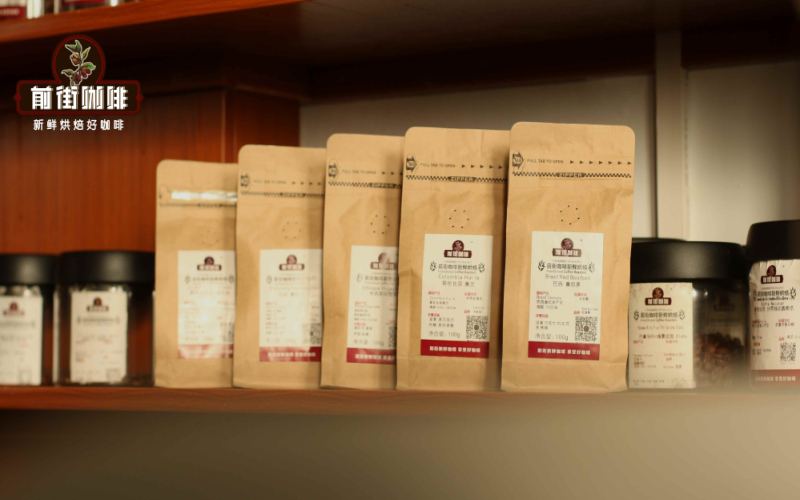
High-Quality Coffee Bean Buying Guide: Where to Buy Reliably, What's a Reasonable Price, Plus Front Street Coffee's Selected Single-Origin Recommendations
To enjoy a good cup of coffee, the freshness and quality of the beans are the decisive factors. Online shopping platforms now offer abundant choices, but knowing how to pick reliable coffee beans from such a vast array of products truly requires some experience. This article will discuss purchasing channels for high-quality coffee beans and the reasonable price ranges for single-origin beans. At the same time, targeting different taste preferences—from balanced and mellow to floral and fruity—we have selected a number of representative single-origin coffees from Front Street Coffee, covering growing regions such as Papua New Guinea, Brazil, Panama, and Yunnan, along with their respective reference prices and roasting suggestions, to help coffee lovers make purchases according to their needs. [more…]
The specialty coffee scene is shifting: from single-origin hype to a rational return to high-quality blends
For many years, single-origin coffee has been practically synonymous with specialty coffee; from coffee shops to the World Coffee Championships, single-origin beans have been highly revered. However, over the past year, the global specialty coffee market and top competitions have quietly shifted direction, and high-quality blended coffee beans are returning to the spotlight. Behind this shift are both the practical pressures of climate and transportation costs and consumers' fundamental demand for stable, balanced flavors. This article will examine, from the perspectives of market trends, competition cases, and blending expertise, why the specialty coffee world is no longer blindly pursuing single origins, and how blended coffee is shedding its low-quality label to become the industry's new focus. [more…]
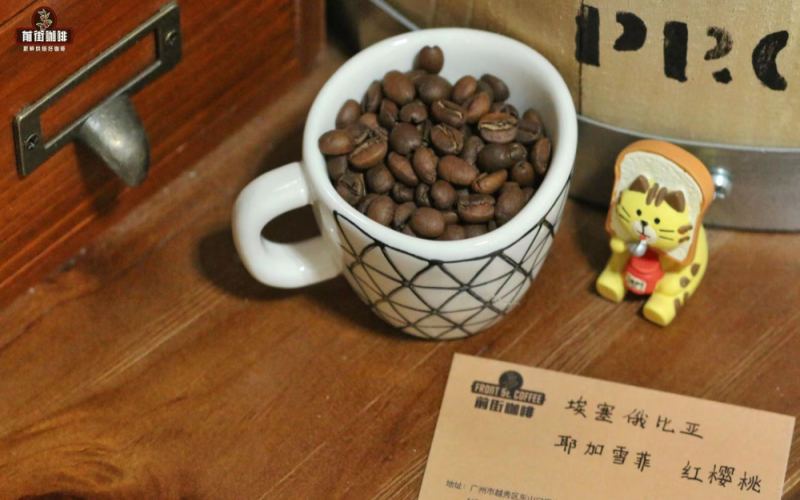
Types of Espresso | What's the difference between single-origin espresso and blended coffee? What coffee beans are suitable for making SOE? 4 recommendations for high-quality SOE coffee beans that are tasty and affordable
Have you noticed that many coffee shops nowadays have added a "swap to SOE" option on their menus, and some even offer several SOE choices? I believe quite a few friends have begun to wonder what these letters actually mean. First, let's understand the concept of SOE. SOE is Single Orig [more…]
Ethiopia Hambela Estate Single-Layer Sun-Dried Slow Fermentation Method: How the SLD Process Creates High-Quality Natural Beans
Ethiopia, as the birthplace of coffee, has seen a continuous emergence of high-quality lots in emerging producing regions such as Guji in recent years. This article focuses on the single-layer sun-dried slow-drying Lot 121 produced by a single farm in St. Lion Village of Front Street Hambela Estate, offering an in-depth analysis of this rare processing method known as SLD—where only a single layer of coffee cherries is spread on raised beds, the drying period is strictly controlled at around 18 days, and the fruit is allowed to fully ferment through the most perfect convection environment, thereby imparting fuller sweetness and body to the coffee beans. The article also examines why Ethiopia's smallholder-dominated production system makes single-farm traceability difficult to achieve, how Hambela Estate owner Aman adheres to quality at extremely high cost, and compares the subtle flavor differences between the Guji region and Yirgacheffe. [more…]
SOE Coffee Flavor | Is SOE the Same as Single-Origin Coffee? What's the Difference? 4 High-Quality SOE Coffee Beans Worth Buying
SOE stands for single origin espresso, single origin means a single origin, and espresso is the Italian-style concentrated coffee. Its opposite is Blend, which is what we know as blended coffee beans. Some people ask, are SOE and single-origin coffee the same thing? Actually, these two [more…]
Criteria for Identifying High-Quality Green Coffee Beans and an Analysis of Guatemala New Oriental Winey Natural Beans
What makes a coffee green bean truly high quality? From surface luster and color uniformity to bean-size consistency, every detail affects the flavor in the final cup. And the presence of defective beans is an invisible killer of both roasting and tasting. This article will guide you through practical methods for assessing green bean quality, and take you deep into Guatemala's New Oriente region to discover the Guava Plains Estate winey natural coffee beans recommended by Front Street Coffee—SL28 variety at 1,675 meters, processed via winey natural method, presenting the alluring flavors of pineapple, dried apricot and red wine. At the same time, we will also review the evolution of Guatemala's coffee industry, and see how international green bean traders work with local estates to break the vicious cycle of the traditional supply chain. [more…]
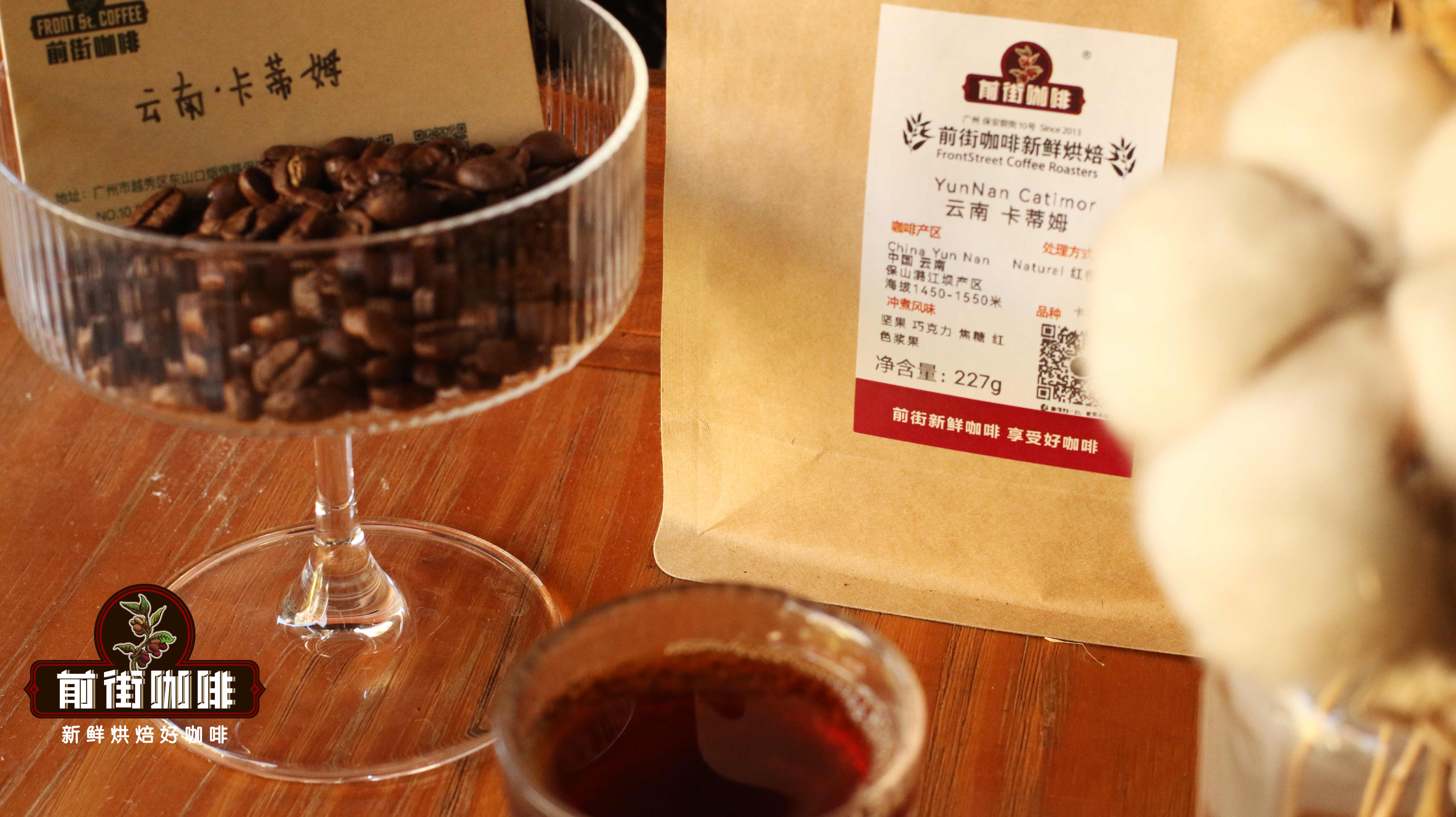
The Historical Development of Specialty Coffee in Yunnan, China | How to Buy Authentic Yunnan Small-Bean Coffee? Beginner-Friendly Recommendations for High-Quality Yunnan Single-Origin Beans for Pour-Over Coffee
When it comes to the representative of Chinese coffee, many people may think of Yunnan coffee, or Yunnan small bean. So what exactly does Yunnan small bean refer to, and where can you buy authentic Yunnan small bean? Today let's talk about this pride of Chinese goods. Yunnan small bean can be understood as Arabica among coffees, and the coffee fruit is relatively [more…]
A Complete Analysis of Dominican Coffee Bean Varieties and Flavors: Characteristics of the Santo Domingo, Barahona, and Cibao Regions
The Dominican Republic is located in the heart of the Caribbean, where a mild tropical climate and rolling mountain terrain provide exceptional conditions for coffee cultivation. This article systematically reviews the overall picture of Dominican coffee from the perspectives of producing regions, variety composition, flavor characteristics, processing methods, and historical origins. Among them, Barahona in the southwest, the Cibao Valley in the north, and the Santo Domingo and Bani areas in the south all produce high-quality coffee, with Santo Domingo and Bani being the most renowned. The article also introduces the cultivation proportions of the two major varieties, Typica and Caturra, the role of washed processing in enhancing flavor, and the differences in acidity and mouthfeel between highland and lowland coffee, providing coffee enthusiasts with a reference for understanding the unique charm of this Caribbean origin. [more…]
Coffee Bean Quality Assessment Guide: A Systematic Grading and Defect Identification Method from Appearance to Flavor
The starting point of a good cup of coffee lies in selecting high-quality coffee beans. This article systematically explains how to judge the quality of coffee beans from six dimensions: appearance observation, identification of defective beans, extraction process, grinding feel, extracted liquid state, and taste and aroma. By understanding common defect types such as black beans, fermented beans, dead beans, broken beans, and insect-damaged beans, as well as the characteristics of high-quality beans during brewing, such as fluffy foam, a crisp sound during grinding, and clear extracted liquid, it helps coffee enthusiasts build a complete quality assessment system. The article also specifically recommends related products from the Front Street Coffee brand, providing a reference for everyday purchasing. [more…]
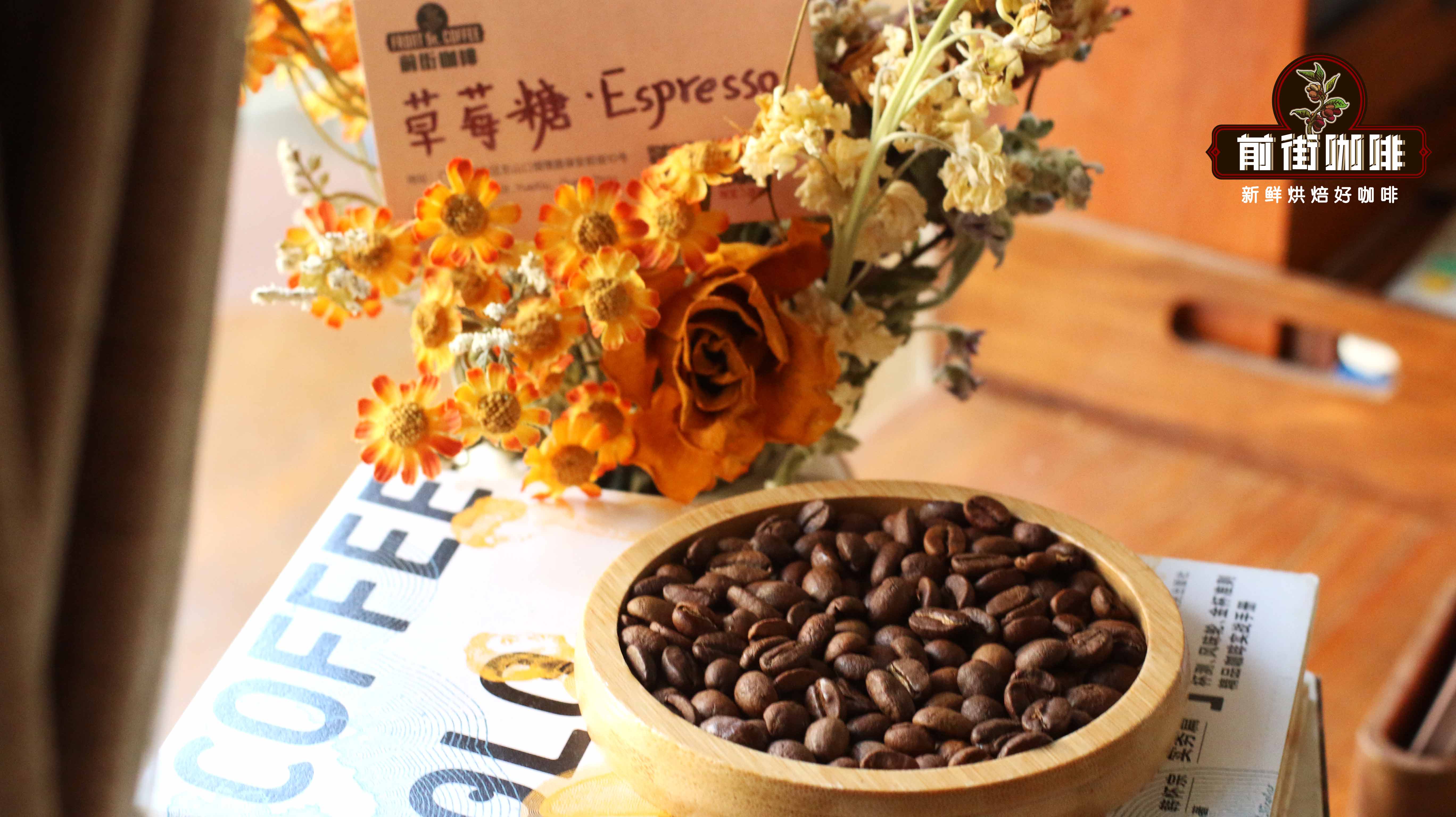
High-Quality Espresso Bean Recommendations | What beans should you choose to make a delicious Americano just like at a coffee shop? What are some tasty and affordable espresso everyday beans for home use?
Americano is the most famous black coffee, made from espresso and water. With its sweet, mellow aroma and refreshing, invigorating taste, it has become a daily beverage sought after by countless coffee lovers and office workers. So do you know how Americano is made in coffee shops? And what coffee beans should you choose to make the same flavor? Today's article will tell [more…]

bourbon coffee | How many flavor varieties does Bourbon coffee have? Beginner-friendly high-quality Bourbon pour-over coffee bean recommendations
Bourbon Coffee Introduction: Bourbon coffee was first cultivated on the island of Bourbon, now known as Reunion Island, located about 650 km east of the famous Madagascar. Along with Typica, Bourbon is considered one of the oldest existing high-quality coffee varieties. Tracing its roots, [more…]
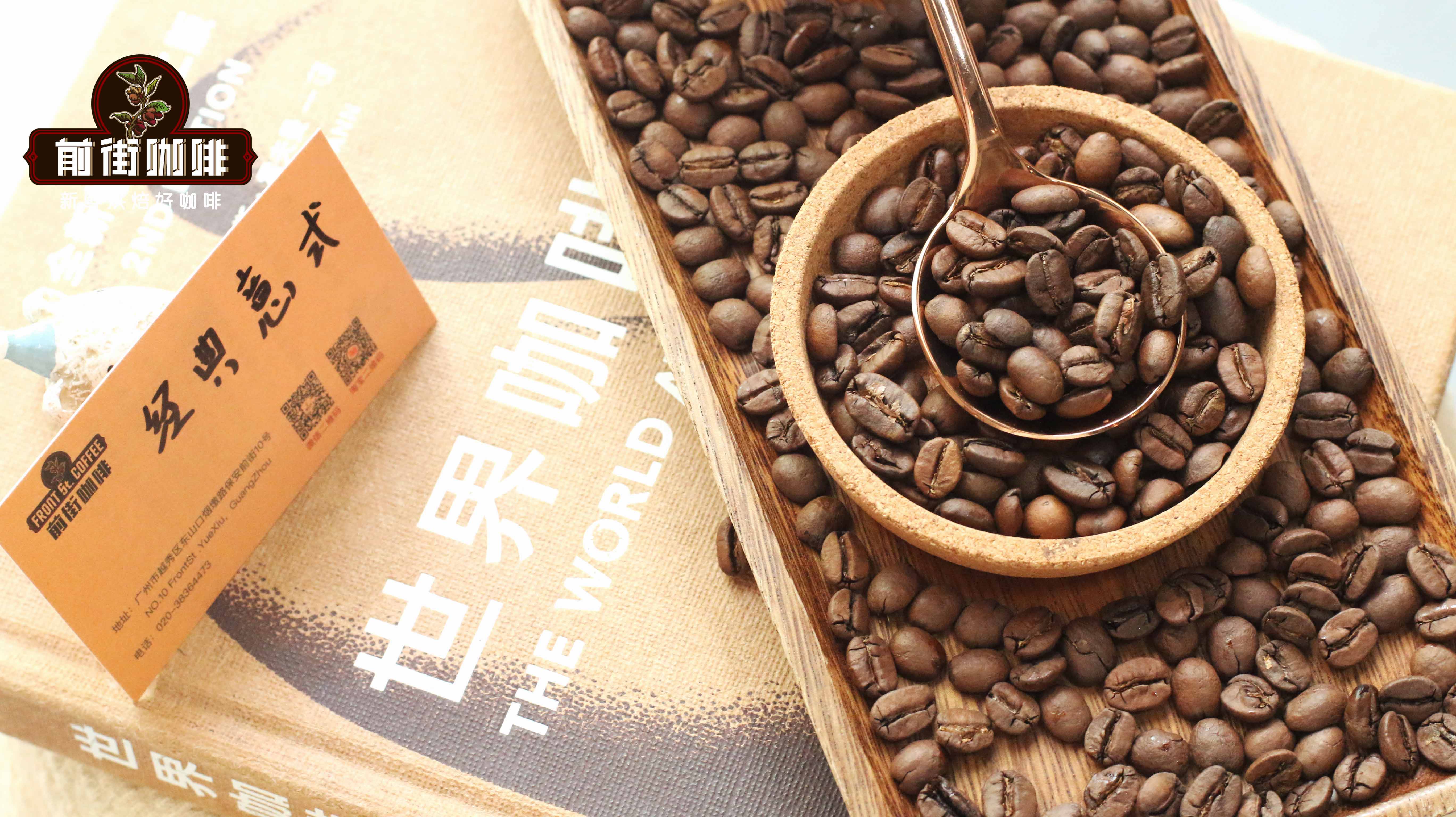
Home Espresso Beans | Why Are Espresso Beans Mostly Blends? Recommended High-Quality, Cost-Effective Blends Suitable for Espresso Extraction
When it comes to espresso beans, many people may first think of blended beans. Front Street Coffee believes that this is not entirely wrong, but not entirely right either. Because nowadays espresso beans are not only made from blends, but also from single-origin coffee beans, known as SOE. For coffee beginners who want to make a delicious cup of coffee [more…]
Flavor Analysis of Peruvian Coffee Regions: From Chanchamayo to Cusco—Organic Specialty Coffee and Front Street Recommendations
Peru, as an emerging coffee-producing country in South America, relies on the unique microclimates of the Andes Mountains and its tradition of shade-grown cultivation to produce high-quality coffee with mild acidity, a full body, and rich aroma. The central Chanchamayo region and the southern Cusco region are the two star-producing areas, while the north also has many distinctive organic coffees. Front Street Coffee's Peruvian single-origin coffee wins favor among enthusiasts with its rich aroma, smooth layers, and sweet, elegant acidity. This article will systematically introduce Peru's coffee-growing terroirs, flavor characteristics, advantages of organic cultivation, and quality differences, and share purchasing experience, taking you through a comprehensive understanding of the charm of this rising star in the coffee world. [more…]
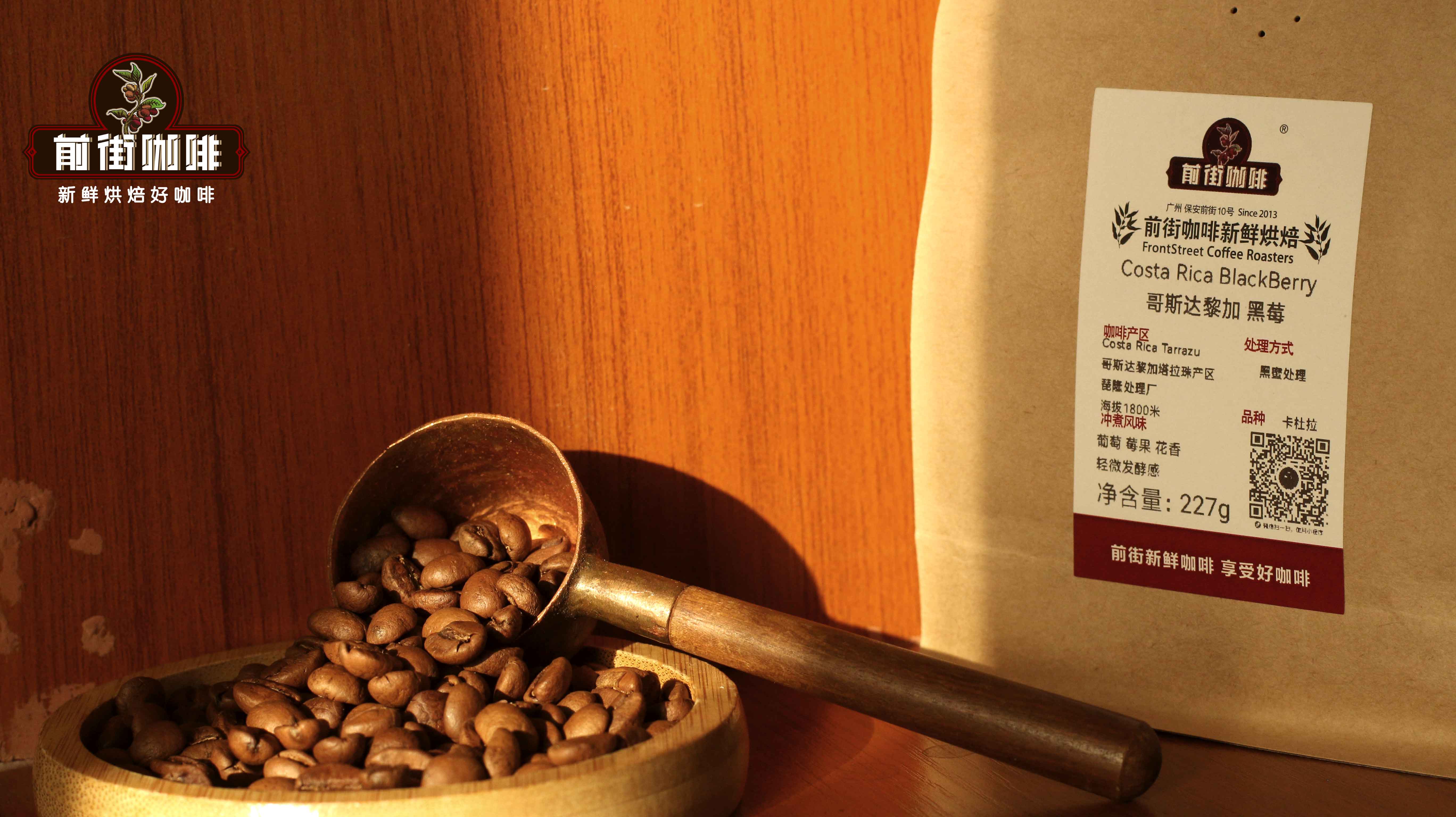
Black Honey Processing | Why do Costa Rican honey-processed coffee beans have high sweetness? What are some recommended high-quality pour-over coffee beans with prominent berry flavors?
Honey processing, translated from the English "Honey Process" or "Miel Process," the word "honey" in honey processing actually comes from Miel, which means "honey" in Spanish. The term honey processing originated in Costa Rica in Central America, where it was first [more…]
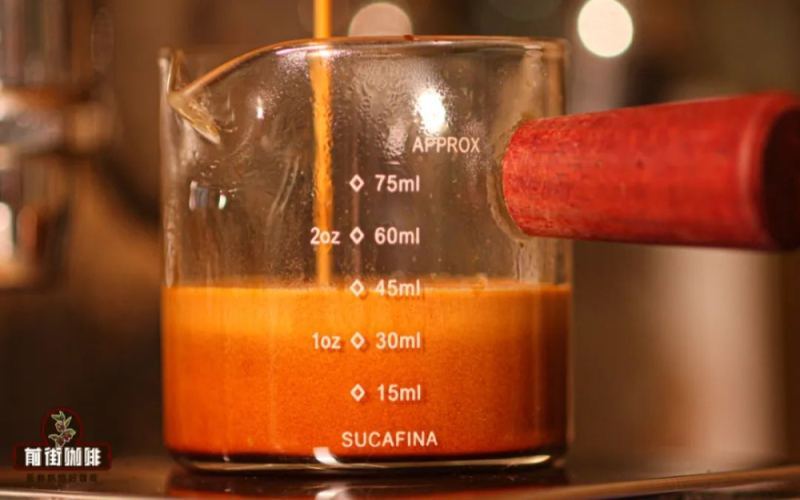
What information can the crema on espresso actually reveal? Thicker crema is not always better for latte art.
That layer of crema on the surface of an espresso can be rich and inviting at times, or thin and bland at others, and many people believe it directly reflects whether the flavor of a coffee is good or bad. But is that really true? This layer of foam, called crema, is actually formed by carbon dioxide wrapping around coffee oils, and its condition is closely tied to bean freshness, roast level, and grinding and extraction. This article will guide you through the characteristics of high-quality crema, analyze the reasons behind oil that is too thick and coarse or too thin and absent, and share how to achieve the ideal espresso crema through bean selection, resting, and grind adjustment. At the same time, Front Street will also offer practical advice to help you get more consistent results in both latte art and tasting. [more…]
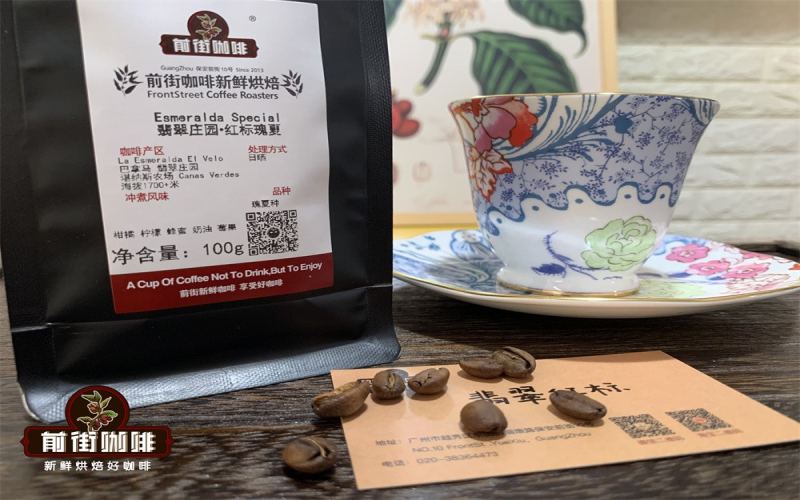
The Origin Story of Geisha Coffee | Why Is Geisha Coffee So Expensive? Which High-Quality Geisha Pour-Over Coffee Beans Are Worth Buying for Beginners
Geisha, due to its pronunciation resembling the Japanese word for "geisha," has acquired the nickname "geisha coffee." Geisha coffee beans are considered the brightest, richest, and most intensely aromatic coffee variety. Because they keep breaking world coffee price records, Geisha has become a specialty cof [more…]
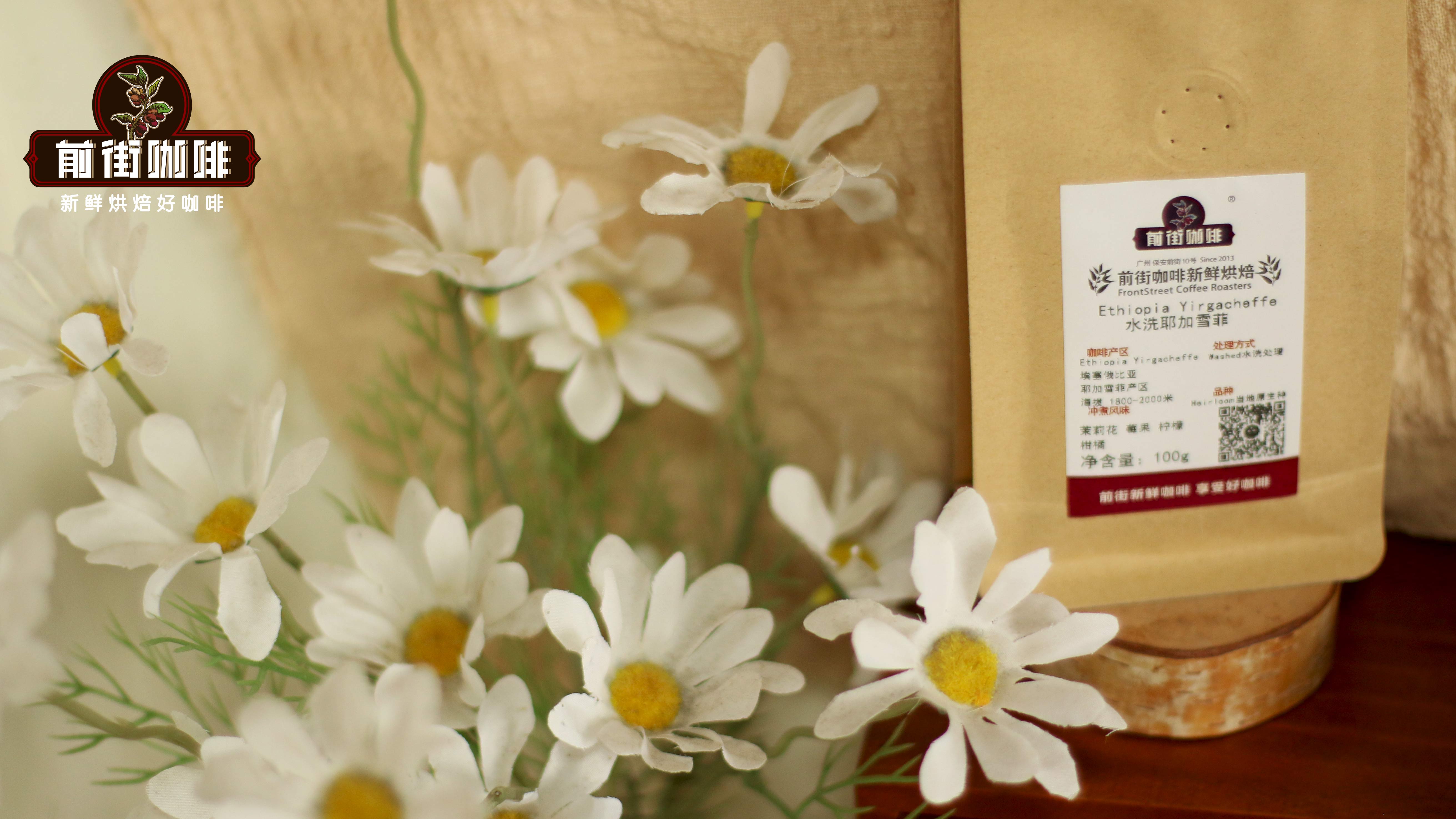
The Origin of the Yirgacheffe Name and Flavor Analysis: Ethiopian Washed and Natural Coffee Bean Origin Characteristics and Pour-Over Recommendations
Yirgacheffe is one of Ethiopia's most representative specialty coffee regions, and its name comes from the local language, meaning "to settle in this wetland." Starting from the origin background of Front Street Yirgacheffe coffee beans, this article reviews how Ethiopia's highland terrain and climatic conditions give rise to high-quality Arabica varieties, and compares in detail the flavor differences brought by washed and natural processing methods. Front Street washed Yirgacheffe is known for its clean and bright citrus notes and white floral aroma, while the natural batch presents a richer sweetness of ripe fruit and honey. The article also provides V60 pour-over parameters and a three-stage pouring procedure to help coffee enthusiasts better present the floral and fruity acidity characteristics of Front Street Yirgacheffe. [more…]
Analysis of Water Volume for 15g Pour-Over Coffee: Front Street Coffee Nicaragua High-Grown Extremely Hard Bean Full Berry Process Caturra Flavor and Brewing Guide
How much water should 15 grams of coffee grounds be paired with for pour-over coffee? This article uses Front Street Coffee's Nicaragua high-grown extremely hard bean full berry process Caturra as an example to provide a three-stage pouring plan with 225 grams of water. Although Nicaragua has long been overlooked by Taiwan's coffee scene, its growing conditions are no less favorable than those of other Central American countries. Its coffee is known for being clean and balanced, with light roasts being clean and bright, and dark roasts being sweet and full-bodied. Jinotega, Matagalpa, and Segovia are high-quality producing regions. This Caturra is full of fruit aroma and rich fruit acidity throughout, combining Central American elegance with African boldness. The article also includes complete information on variety, producing region, altitude, processing method, and brewing parameters. [more…]
Blended Beans vs Single-Origin Beans | Why Is Espresso Mostly Made with Blended Coffee Beans? Which High-Quality Espresso Beans Should Beginners Start With to Avoid Pitfalls?
Blended coffee and pour-over single-origin coffee are the two most common industry terms, referring to different types of coffee beans. Blended coffee is a recipe that combines coffee beans from two or more origins, usually used for espresso machines, so in order to highlight the crema and body, medium or dark roasting is generally used, allowing [more…]