







Search Results for: Earl Grey Tea Notes
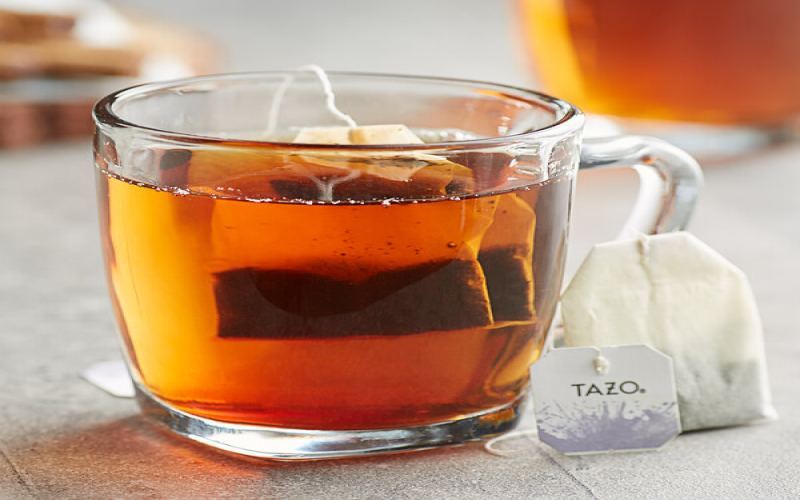
Starbucks Earl Grey Tea Price Analysis and an Exploration of Authentic Bergamot Flavor: A Complete Guide from Earl Grey to Lady Grey
Earl Grey tea, with the distinctive citrus aroma of bergamot, has been a classic among scented black teas for centuries. Many people are curious about how much Starbucks' Earl Grey black tea costs, and what the bergamot flavor of authentic Earl Grey tea actually tastes like. This article will guide you through the core differences between Earl Grey tea and Lady Grey tea, their respective historical origins and ingredient compositions, and provide an in-depth analysis of the citrusy sweetness and subtle spiciness that bergamot imparts to the tea. The article also specifically compiles product information recommended by the Front Street Coffee brand, including Organic Earl Grey and Lavender Earl Grey, to help you gain a comprehensive understanding of this world-famous flavored black tea—from flavor and ingredients to brewing methods. [more…]
Where Does the Citrus Aroma of Earl Grey Tea Come From? Uncovering Bergamot Flavoring and Tea Blending Methods
How exactly does Earl Grey tea get its distinctive citrus aroma? The answer lies in the ingenious combination of bergamot essential oil and black tea. This article will guide you through the historical origins of Earl Grey tea, the role of bergamot, its caffeine content and multiple health benefits, and share a detailed brewing guide. Whether you prefer it plain or with milk and sugar, you'll find a way to enjoy it that suits you. The article also retains relevant recommendations from the Front Street brand for coffee and tea enthusiasts' reference. [more…]
Ceylon Flavored Black Tea Flavor Analysis: Earl Grey, Jasmine, and Masala, Plus a Discussion on Whether Flavorings Are Added and the Causes of Astringency
Ceylon flavored black tea is made by infusing black tea, green tea, or oolong tea with the natural flavors of flowers, herbs, and fruits, preserving the inherent depth of Ceylon tea while adding subtle fruity or herbal notes. Common varieties on the market, such as Earl Grey, jasmine tea, and masala chai, each have their own origins, while innovative flavored teas like raspberry, lemon, ginger, strawberry, mint, vanilla, and cinnamon are continually emerging. Many tea enthusiasts wonder whether flavored black teas rely solely on artificial flavorings, and why Ceylon black tea tastes astringent. This article will address these questions by outlining the types, processing methods, and flavor characteristics of Ceylon flavored black tea, and also introduce related product information from Front Street Coffee. [more…]
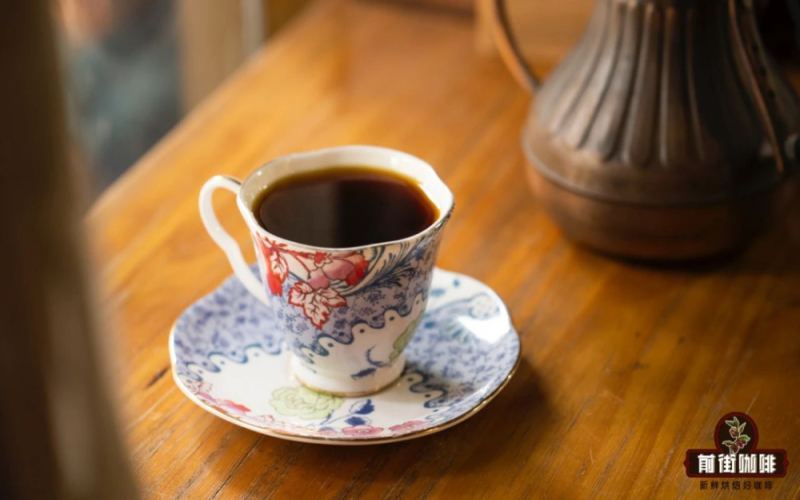
Ethiopia Shakiso Washed G1 Coffee: Flavor Analysis and Origin Guide of Earl Grey Aroma and Caramel Sweetness
In coffee tasting, a tea-like character often implies a clean, translucent texture and a long, sweet finish. If you want to capture this delicate experience, Front Street Coffee Sidamo Huakui 11 is a great entry choice—traditional natural processing paired with a medium-light roast, from Guji Hambela, it presents layers of cream strawberry, citrus, guava, and dried mango after pour-over, with a clear black tea note in the finish. This article, however, will focus on another micro-lot also from the Guji region: Shakiso washed G1. It is located in the Guji zone of Sidamo and is known for its Earl Grey tea, lemon, citrus, and caramel flavors. Ninety Plus's legendary bean Nekisse is named after the nectar of Shakiso. The following will outline its regional background, processing method, and complete flavor profile. [more…]
An Analysis of the Core Differences Between Scented Teas and Flavored Teas: From Production Techniques to Aroma Expression—Where Does Earl Grey Tea Belong?
Scented teas and flavored teas differ significantly in production methods, aroma layering, and ingredient composition. Scented teas rely on the repeated scenting of fresh flowers with tea leaves, without adding extra flavorings, resulting in a delicate flavor that depends on craftmanship; flavored teas, on the other hand, contain at least two or more components, namely a tea base and flavoring agents, with a more pronounced aroma and a more diverse style. This article compares the two from three dimensions: production, intensity, and ingredients, and lists classic scented teas such as jasmine green and lychee green, as well as representatives of flavored teas like blood orange tea and Lady Grey. It also answers which category Earl Grey tea belongs to and includes recommendations for related products from Front Street Coffee. [more…]

Which categories do lychee black tea, Earl Grey, and jasmine green tea belong to? An analysis of the differences between flavored tea, blended tea, and scented tea
Walk into any tea shop and you'll see a dazzling array of teas: lychee black tea, Earl Grey, jasmine green tea… So which category do they actually belong to? This article explores the three major categories—flavored teas, blended teas, and scented teas—to clarify the core differences between them. Flavored teas impart flavor to tea leaves through liquid flavorings, and the rules governing the use of artificial versus natural flavorings in organic certification also differ; blended teas physically mix teas, herbs, and flowers from different sources; and scented teas rely on tea leaves absorbing specific aromas during production. Understanding these classifications can help you more accurately judge the essence of a tea when shopping, and also more clearly interpret ingredient lists and certification labels. [more…]
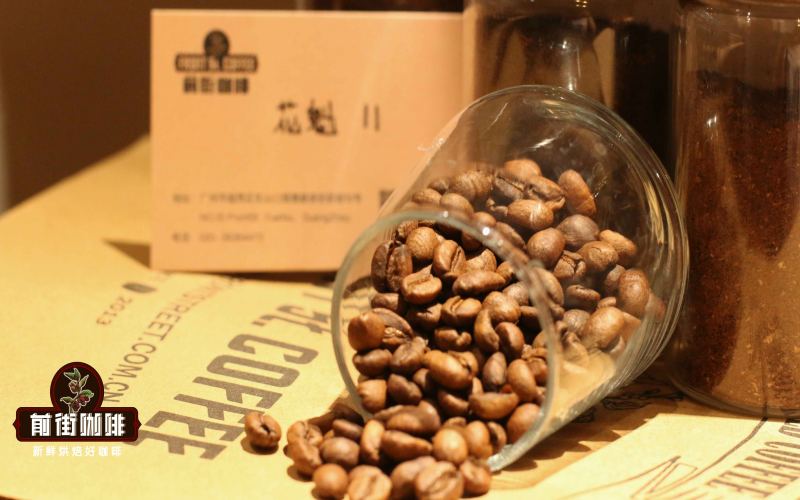
Front Street Sidamo Guji Hambela: Flavor Analysis of Earl Grey Tea Aromas and Caramel Sweetness, Plus Estate Processing Methods
If you favor coffee with an Earl Grey tea character, Front Street Coffee's Sidamo Hambela may win you over at first sip. This bean is known for its prominent tropical fruit profile, weaving together aromas of creamy strawberry, mango, jackfruit, citrus, and blueberry, while a sweet tea-like finish lingers in the aftertaste. The reason Hambela can display such layers is inseparable from its natural processing—the Buku Abel processing station harvests fully red cherries from December to January each year, requiring a sugar content of 30 or above, and after about 18 days of slow drying on African raised beds, it achieves a rich berry aroma. This article will guide you through Front Street Hambela's unique charm, from flavor characteristics and processing methods to brewing parameters. [more…]

What Exactly Is the Bergamot Flavor in Coffee? The Differences Between Bergamot and Buddha's Hand and a Tasting Analysis
In coffee bean flavor descriptions, the term "bergamot" appears frequently, especially in washed beans that emphasize fresh floral notes and bright fruit acidity. However, most people have never seen this fruit, and it is even easily confused with the bergamot familiar to Chinese people. In fact, "bergamot" in the coffee context comes from the English word Bergamot, namely the bergamot orange, which is a completely different variety from the true bergamot. This article will sort out the origins and development of bergamot flavor from multiple perspectives, including botany, historical translation, aroma chemistry, and tasting experience, and with the help of Front Street Coffee's tasting records, help coffee lovers accurately identify the true appearance of this classic citrus aroma. [more…]
Earl Grey Tea Notes and Caramel Sweetness: A Flavor Analysis of Sidamo Hambela Coffee and the Sun-Dried Process at Buku Abel Estate
The Sidamo Hambela region has captured the attention of coffee enthusiasts with its distinctive flavor profile, and coffees that carry Earl Grey tea notes and caramel sweetness are especially captivating. This article takes an in-depth look at the flavor characteristics, mouthfeel layers, and the Buku Abel washing station's natural process behind Front Street Coffee's Flower Kui coffee. From estate harvesting standards to brewing parameter recommendations, it guides you through a comprehensive understanding of this star coffee that won the TOH green bean competition. Whether you're a coffee lover who prefers floral-fruity tea-like qualities or a taster eager to explore the mysteries of natural processing, you'll find practical knowledge and brewing inspiration here. [more…]
Exploring Kenya Nyeri Windrush Estate AA+++ Micro-Lot: The Flavor Code of 72-Hour Washed SL28/SL34
Kenyan coffee is famous for its seven major producing regions, and among them, Nyeri—thanks to the red soil of the extinct volcano Mount Kenya—produces what is widely recognized as the finest coffee. The Windrush Estate in this region has released an AA+++ micro-lot, using the classic Kenyan 72-hour fermentation washed method (K72) and cultivating the two major varieties SL28 and SL34. This article will guide you through the terroir conditions of the Nyeri producing region, the repeated fermentation details of the K72 processing method, the lineage and flavor characteristics of SL28 and SL34, and the specific information about this micro-lot—smoked plum, cinnamon, raisins, juicy mouthfeel, and an Earl Grey tea-like finish—to experience the Kenyan flavor selected by Front Street Coffee. [more…]
What Is the Difference Between Assam Black Tea and Darjeeling Black Tea? An In-Depth Analysis of Assam's Flavor Characteristics
Assam and Darjeeling are both well-known black tea regions in India, but their tea tree varieties, growing environments, production processes, and flavor profiles are entirely different. Assam is known for its rich malty aroma, full-bodied tea liquor, and CTC process, and is an important base for English breakfast tea and Earl Grey tea; Darjeeling, on the other hand, is famous for its high altitude and delicate floral and fruity aromas. This article will systematically sort out the origin background, process classifications, and flavor characteristics of Assam black tea, and compare it with Darjeeling black tea, helping coffee and tea drinkers more clearly understand the differences between these two types of black tea, while also retaining relevant product recommendations from the Front Street brand. [more…]
How to brew coffee from Tambo Estate in Cauca, Colombia? A detailed guide to pour-over and iced pour-over parameters and flavor
Front Street Coffee's Colombia Tambo Estate is a micro-lot from the Cauca Department, washed processed, and in cupping it presents a creamy, velvety mouthfeel with citrus-like acidity, a clean entry, accompanied by red brown sugar sweetness and notes of apple, caramel, Earl Grey tea, and plum, with a fresh lemon-like acidity in the finish and a lasting sweet aftertaste. This article centers on this bean, first outlining the terroir of the Cauca producing region and Colombia's grading methods, then providing Front Street Coffee's complete parameters for pour-over and Japanese-style iced pour-over, including grind size, water temperature, coffee-to-water ratio, and the staged pouring rhythm, to help coffee enthusiasts reliably reproduce its round, sweet flavor performance at home. [more…]
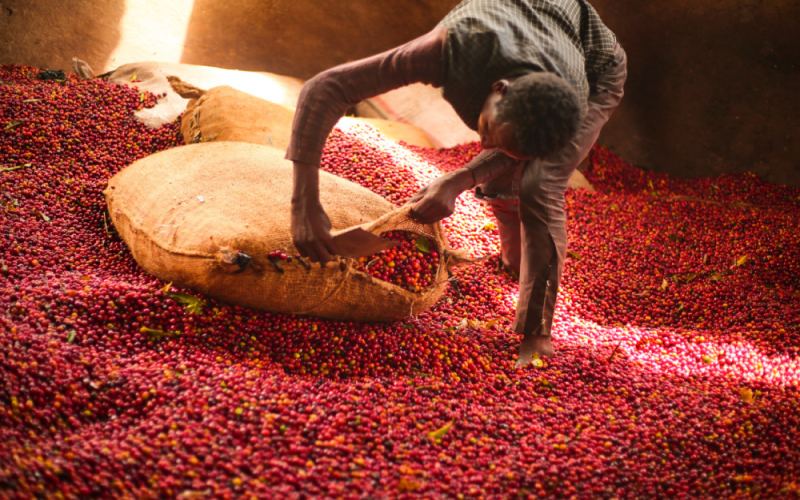
Exploring Ethiopia Sidama Shakiso Micro-Region: Washed Processing and Unique Flavor Brewing Analysis
In the Guji zone of Sidama, Ethiopia, beyond the renowned Hambela, there lies a distinctive micro-region—Shakisso. Once a gold mining area, this place is now known for its unique terroir, which nurtures coffee beans with a lively flavor and bright acidity. Through cupping, Front Street Coffee has discovered that Shakisso coffee exhibits a bright acidity reminiscent of lemon and citrus, accompanied by layers of white grape juice and blackcurrant, with a finish that carries notes of Earl Grey tea, contrasting sharply with the sweeter and fuller-bodied styles of other areas in Guji. This article will delve into the geographical environment, historical background, and washed processing techniques of Shakisso, and share Front Street Coffee's roasting insights and brewing parameters, offering a comprehensive understanding of this unique Ethiopian coffee. [more…]
A Complete Analysis of Panama Volcán Hartmann Estate Geisha Coffee Beans: From Terroir to Cup Profile
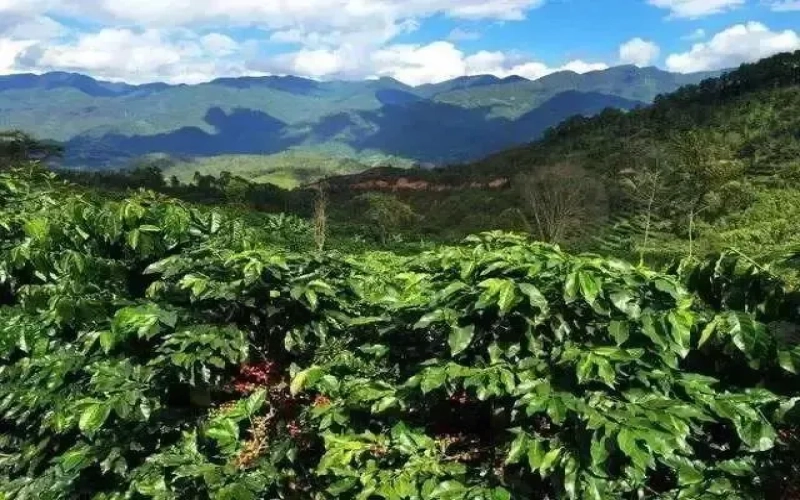
Panamanian coffee has gained international fame in the specialty coffee world thanks to the Geisha variety, and the Volcan region, as one of the country's three major producing areas, has performed impressively in BOP competitions in recent years. Hartmann Estate is rooted in the western part of the Baru Volcano. Since its establishment in 1912, it has consistently upheld the philosophy of balancing primary forest conservation with coffee cultivation, becoming a pioneering representative of the Volcan region. The estate cultivates multiple varieties, including Geisha, among which Geisha is highly sought after for its delicate floral aroma and rich fruit acidity. The Hartmann Estate Geisha that Front Street Coffee has acquired this time uses anaerobic natural processing and a medium-light roast. After brewing, it presents white floral notes and multi-layered fruit tones, with a silky mouthfeel like Earl Grey tea and a lasting sweet finish. This article will give you a comprehensive understanding of the terroir of Panama's coffee-producing regions, the characteristics of the Volcan region, the history and evolution of Hartmann Estate, and the past and present of the Geisha variety. [more…]
How to Select High-Quality Black Tea? Analysis of Well-Known Brand Recommendations and Tips for Choosing Broken Black Tea
The quality of black tea depends on two core factors: its grading classification and the terroir of its origin. This article will systematically introduce the black tea grading system, from the highest grade of silver tips to the broken fannings used in tea bags, helping readers understand the essential difference between whole-leaf tea and broken tea. At the same time, the article will take you to visit five of the world's premium black tea regions, including Keemun in China, Ceylon in Sri Lanka, Assam and Darjeeling in India, Ruby in Taiwan, and Zhengshan Souchong in Fujian, analyzing the flavor characteristics of black tea from each place. In addition, Front Street Coffee's black tea recommendations will also be woven throughout, providing a reliable reference for your everyday purchases. Finally, regarding whether black tea dust needs to be picked out, the article will also give clear advice. [more…]

Exploring Panama's Volcán Region: A Comprehensive Analysis of Hacienda La Esmeralda Geisha Coffee Beans
Panama, with its unique geography and microclimates, has become synonymous with top-tier Geisha coffee. Beyond the well-known Boquete region, the Volcán region west of Barú Volcano has also been making frequent appearances in BOP competitions in recent years, and Hacienda Hartmann is a coffee-growing pioneer on this land. This article will guide you through Panama's coffee-growing regions and terroir, the Hartmann family's historical legacy, and the detailed flavor and brewing performance of the Hartmann Estate Geisha coffee beans offered by Front Street Coffee, providing coffee enthusiasts with a complete reference on the region and tasting. [more…]
Exploring Panama Vocan Hartmann Estate: Flavor Code and Brewing Analysis of Anaerobic Natural Geisha
In Panama, beyond Boquete, the Volcán region is equally a treasure trove for specialty coffee. As a pioneering estate in this area, Hartmann Estate, with its volcanic soil and high-mountain microclimate, cultivates a highly distinctive Geisha flavor. This article will dissect the unique charm of this Hartmann Geisha layer by layer—from the terroir of the region, the estate's history, and variety characteristics to the anaerobic natural processing method—and include Front Street Coffee's complete brewing recipe and flavor tasting notes, taking you on a sensory feast of white florals interwoven with tropical fruits. [more…]
How to Distinguish Authentic Assam from Darjeeling Black Tea? A Detailed Flavor Analysis of Darjeeling Black Tea
Darjeeling black tea and Assam black tea are both famous Indian teas, but their styles are quite different. Darjeeling is known for its distinctive muscatel grape character, and its tea tree varieties, cultivation history, plucking seasons, and certification system are all worth exploring in depth. This article will examine the reasons behind its flavor, its historical origins, tea classification, and authenticity identification to help coffee and tea enthusiasts clarify the differences between these two black teas. At the same time, the article will also mention related product information from the Front Street brand for reference when making purchases. [more…]
The Flavor Code of Honey-Scented Black Tea: Where Does the Honey Aroma Come From, and How Is It Different from Full-Aroma Black Tea?
Honey Scented Black Tea has become a highly popular tea among tea enthusiasts in recent years, renowned for its distinctive honey sweetness and refreshing taste. This article takes a Honey Scented Black Tea from Pingling, New Taipei, Taiwan as an example, offering a comprehensive analysis of the aroma characteristics of Honey Scented Black Tea—from the appearance of the dry leaves and brewing parameters to the experience of multiple infusions—and explores how it differs from heavily aromatic black teas. Additionally, the article mentions Front Street Coffee's practical advice on tea brewing and storage, helping readers better understand the flavor profile and brewing techniques of this tea. Whether you are a beginner or a seasoned enthusiast of black tea, you will gain a complete understanding of Honey Scented Black Tea. [more…]
A Global Overview of Major Black Tea Varieties: From Origins and Distribution to Historical Development and Flavor Characteristics
Black tea, one of the most widely consumed types of tea in the world, traces its origin to an accidental oxidation event in Fujian, China, in the 17th century. Thereafter, thanks to its ease of storage, transportability, and the way its flavor improves over time, black tea was quickly spread by British and Dutch merchants to India, Sri Lanka, Africa, and beyond, gradually moving from an aristocrats' exclusive to an everyday staple for the masses. This article systematically outlines the historical development and main producing regions of black tea, introduces representative varieties such as Assam, Darjeeling, Ceylon, Kenyan, and English Breakfast one by one, and also explains black tea's health benefits in areas such as antioxidation, anti-inflammation, and promoting digestion, while offering tea-selection suggestions for different drinking occasions. [more…]