







Search Results for: Barista tattoos
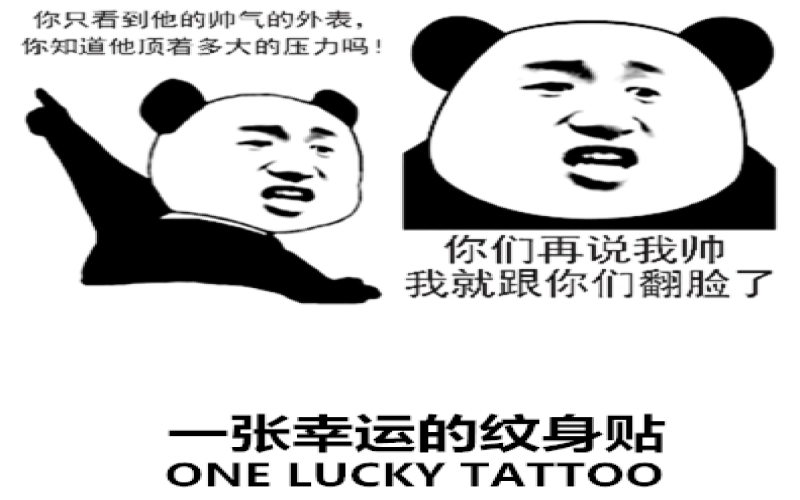
Why Do So Many Baristas Have Tattoos? Looking at Professional Belief and Individual Expression Through the Evolution of Starbucks Policy
In chain-brand stores or independent coffee shops, baristas with tattoos are becoming increasingly common. Some joke that "having a big tattooed arm is the first step to becoming a barista," while others wonder "why do all baristas have tattoos?" Behind this phenomenon lies both the evolution of industry culture and the loosening of restrictions on employees' individual expression by companies like Starbucks. Starting from discussions on social platforms, this article reviews the changes in Starbucks' tattoo policy, explores the relationship between tattoos and baristas' professional identity, passion, and professionalism, and reminds readers to view tattoo choices rationally, not judge people by their appearance, and ultimately evaluate whether a barista is qualified based on coffee quality rather than appearance. [more…]

Observing the Barista Tattoo Phenomenon: Coffee Culture and Personal Belief Expression Through the Lens of Occupational Bias
In the specialty coffee industry, more and more baristas are choosing to record their own story with coffee through tattoos. However, this form of personal expression often encounters misunderstanding and prejudice from customers. Starting from a real experience in a coffee shop, this article explores the beliefs and passion behind baristas' tattoos, analyzes society's stereotypes about tattoos, and shares the meanings of coffee tattoo designs. At the same time, the article also reminds readers that a tattoo is a lifelong decision that requires careful consideration. Whether or not you accept tattoos, it may be worth starting with a barista's tattoo to understand the unique connection they have with coffee. [more…]

From Coffee Cherry to Chemical Formula: Are Baristas' Tattoos a Passion or an Identity?
Tattoos were once seen as a symbol of rebellion, but today they have become an important way for young people to express their beliefs and commemorate what matters to them. For baristas, wearing coffee cherries, portafilters, latte art patterns, or even the chemical formula for caffeine on their skin is both a display of personal aesthetics and a heartfelt declaration of devotion to the coffee craft. This article rounds up the tattoo themes most commonly seen on baristas, from classic equipment to creative combinations, and also addresses an intriguing question: does having more tattoos mean you make better coffee? The answer may be more rational than you'd imagine. [more…]

Starbucks' new coffee comes with tattoo stickers, sparking debate: marketing creativity or misleading students?
Starbucks, in order to promote its new product, the Coconut Double Shot Iced Shaken Espresso, launched a campaign offering temporary tattoo stickers with any purchase from the iced espresso series. However, this sparked controversy on social media. Some netizens worried that the temporary tattoo stickers might have a negative influence on students, while others argued that they are just entertainment stickers and shouldn't be overinterpreted. This article sorts out the whole incident and various viewpoints, while retaining brand news of interest to coffee enthusiasts. [more…]

Full Recap of Guangzhou's First Specialty Coffee Culture Festival: Market Highlights and the Must-Visit Specialty Coffee Shop List
In July 2017, Guangzhou welcomed its first lifestyle market themed around specialty coffee—the Guangzhou Specialty Coffee Culture Festival, held at the 289 Art PARK Culture Plaza. The event brought together the city's top specialty coffee shops, including brands like Front Street Coffee, where visitors could taste coffee beans from various origins, fresh creations by champion roasters, as well as creative coffee, drip bags, pour-over equipment, and cultural merchandise. Beyond coffee, booths featuring desserts, craft beer, tattoos, and handmade crafts were equally exciting. Consumers could vote for their favorite coffee shop, join coffee tasting salons and amateur pour-over competitions, and experience tattoos and photo interactions. Whether a coffee connoisseur or a curious beginner, everyone could find their own enjoyment here. [more…]
Seven Core Principles for Consistently Great Coffee: A Scientific Brewing Analysis from Dripper Selection to Team Collaboration
Those seemingly casual artistic expressions in coffee shops—tattoos, latte art, a laid-back atmosphere—are actually underpinned by a rigorous set of scientific rules. When baristas have to face the test of producing hundreds of cups every day, consistency becomes the key to whether customers will come back again. This article, from a professional perspective, systematically sorts out seven practical principles for maintaining coffee quality consistency: from valuing the filter basket model and recommended dose, treating the scale as a core tool, to establishing reusable brewing recipes, dealing with the natural variations of blend beans, to facing the reality that pour-over coffee is hard to keep stable, valuing the impact of water quality on flavor, and relying on teamwork to achieve consistently stable output. These rules may seem dull, but they are the cornerstone that makes every cup of coffee trustworthy. [more…]
An Analysis of the Current State of the Barista Profession: A Complete Guide to Barista Salaries and Career Growth Paths in Shanghai
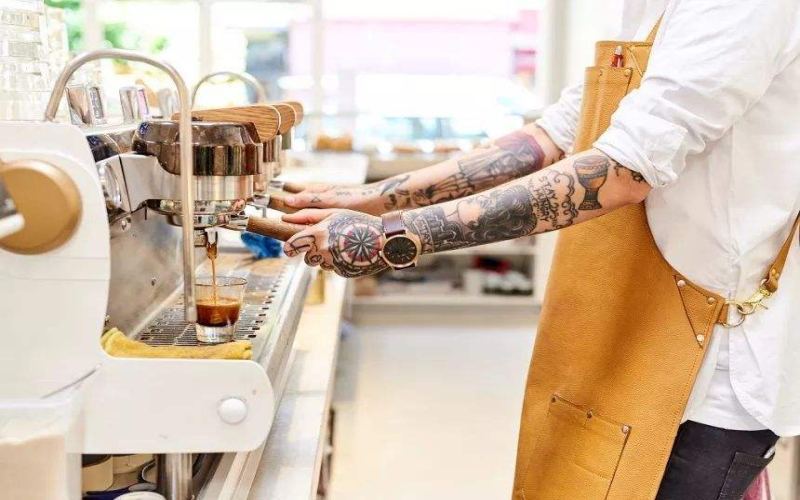
Baristas often appear somewhat cool and mysterious in the public eye, attracting many young people to enter the profession. However, behind this glamorous impression, what are the real career requirements and income situations? This article breaks down the barista's growth path from three dimensions—attitude, knowledge, and skill—and focuses on Shanghai, a highly competitive market, to outline the salary ranges and advancement opportunities for coffee novices. The article also mentions product information from the Front Street brand, providing reference for readers interested in entering the industry. [more…]
Specialty drinks at coffee festivals are priced too high, sparking a trend of abandoned cups, and rising consumer trial-and-error costs are becoming a hidden worry for the industry.
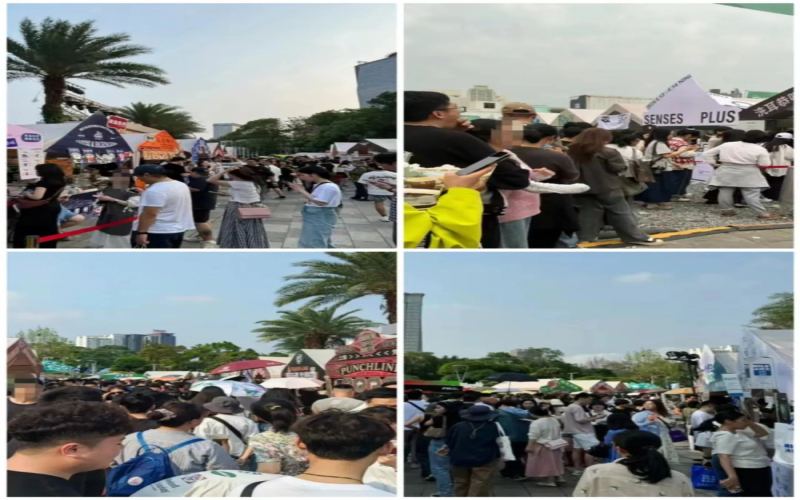
In recent years, many cities such as Jinan, Ningbo, and Nanning have hosted coffee festivals, attracting numerous specialty coffee brands and a large number of visitors. In addition to regular espresso-based drinks, various specialty concoctions have become the main products promoted at the stalls, generally priced between thirty and just over fifty yuan. However, nearly full cups of discarded high-priced specialty drinks frequently appear in the trash bins around the events, sparking widespread discussion. Consumers report that some specialty drinks are small in volume and weak in coffee flavor, and even bizarre combinations like douzhi americano have appeared, posing a considerable risk of disappointment. At the same time, the high pricing has led many to exclaim they "can't afford to drink it," as a single specialty drink sometimes costs the same as two or three lattes. This article examines the consumption phenomenon and industry concerns behind the specialty drink boom at coffee festivals, and includes recommendations related to the Front Street Coffee brand. [more…]
Starbucks' new uniform mandate sparks massive strike, with over two thousand baristas protesting the unnegotiated dress code policy
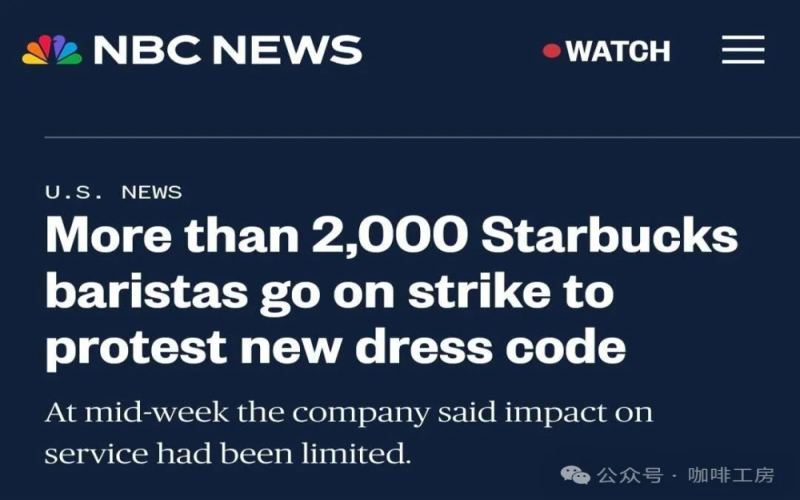
Since May 11, more than 2,000 baristas at 120 Starbucks stores across the United States have collectively gone on strike to express strong dissatisfaction with the company's new dress code, which was officially implemented this week. The Starbucks union pointed out on Wednesday that this action is a direct response by employees to the company's forced implementation of a uniform policy without consultation. The new rules require employees to wear black tops paired with khaki, black, or blue jeans, which the company says is intended to strengthen the brand recognition of the green apron. However, this move to tighten dress requirements for the first time in nearly a decade has been opposed by most employees, who believe Starbucks has ignored the voices of frontline baristas. [more…]
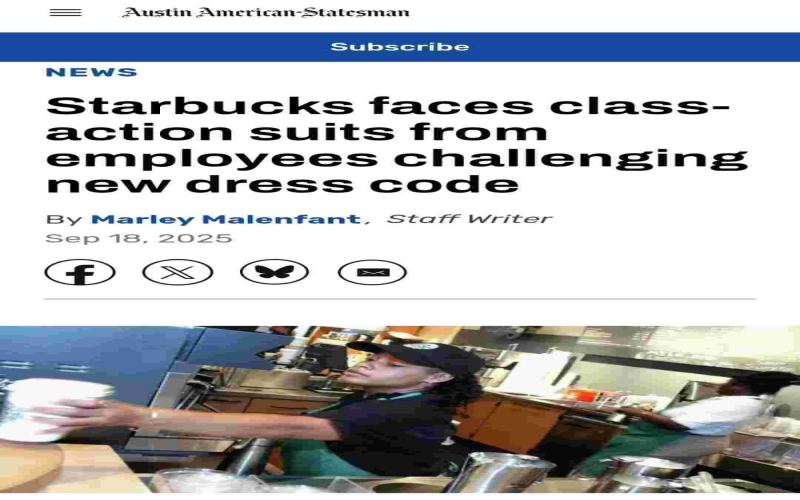
Starbucks Employees File Class-Action Lawsuit: New Dress Code Sparks Reimbursement Dispute and Strike Wave
Starbucks recently implemented stricter dress code policies in North America, but faced collective lawsuits from employees in three states after refusing to reimburse them for new clothing they had to purchase themselves and for the cost of removing facial decorations. Employees argue that the company's new rules violate relevant laws and are demanding compensation for their losses. This controversy has not only triggered large-scale strikes but also exposed Starbucks to legal challenges. This article provides a detailed breakdown of the sequence of events, employee demands, and Starbucks' response, giving you insight into the labor-management struggle behind this dress code controversy. [more…]

Halloween Coffee Specials Roundup: Starbucks Dragon Fruit Cloud, Charcoal Frappuccino and Other New Flavors Spark Discussion
As Halloween approaches at the end of October each year, major coffee brands rush to launch their limited-edition festive specials. This year, Starbucks, Peet's Coffee, Costa, and other brands have all rolled out new offerings. The visual designs are certainly eye-catching, but the flavors have left many consumers crying "dark." From dragon fruit cloud-topped lids to bamboo charcoal black sauce Frappuccinos, from sesame almond tofu to Pirate's Treasure Lattes—how do these Halloween special drinks actually perform? Netizens' reviews are mixed: some are sold on the aesthetics, while others are put off by the taste. This article will review the highlights and sore points of these festive new releases to see which one is truly worth a try. [more…]

Starbucks Responds to Controversy Over Asking Non-Customers to Leave: Is the "Purchase Required to Sit" Rule Reasonable? Heated Debate Ensues
Recently, videos of altercations between Starbucks staff and non-paying customers have surfaced one after another on social media, drawing widespread attention. On one side, an elderly person argued with staff after being asked to leave for not making a purchase; on the other, a store in Xi'an was accused of frequently shooing away passersby who hadn't bought anything. Starbucks customer service responded that stores do indeed have a "purchase to be seated" rule, but they won't force customers to buy. Behind this new rule lies the real dilemma of store environments being affected by people who occupy seats without spending, and it also reflects the discussion about the boundary between commercial premises and public space. As a coffee enthusiast, what do you think of Starbucks' approach? [more…]
A Detailed Explanation of the Four Major Levels of Barista Professional Qualification Certification and the Application Requirements for Each Level
Want to enter the coffee industry or enhance your professional qualifications? Understanding the level structure and application thresholds of barista professional qualification certification is the first step. Currently, this certification system has four levels, progressing step by step from junior barista to coffee technician, covering career directions such as coffee preparation, tasting, industry research, and cultural promotion. Different levels correspond to different requirements for education, training hours, and years of work experience, and applicants can choose a suitable path based on their own circumstances. This article will sort out the specific application qualifications for each level one by one to help you clearly plan your certification route. [more…]
Want to become a professional barista? First, understand the skills and commitment this career requires.
Many people envy baristas for being able to taste all kinds of coffee, operate expensive equipment, and even experiment with different drinks, but this profession is far from as easy as it looks on the surface. To become a qualified barista, you not only need solid coffee knowledge, but also have to go through systematic training and become familiar with every aspect of store operations. From tasting extensively to ensure consistent quality, to handling multiple tasks at once and coordinating seamlessly with the team, to the physical wear and tear caused by standing for long hours and repetitive movements, as well as the tedious cleaning work, each one is a required lesson. If you are also thinking of entering the industry, you might first take a look at this realistic portrayal to understand the dedication and persistence behind the glamour. [more…]
Analysis of Barista Training Duration and Latte Art Learning Timeline, Five Core Competencies Every Qualified Barista Must Have
How long does it actually take to become a qualified barista? The learning curves for pour-over and espresso latte art differ, but what truly determines professional height are the professional habits that go beyond technical skill. Starting from the learning timeline, this article systematically outlines the five core qualities a qualified barista should possess: from insisting on drinking black coffee to build sensory memory, to broadly exploring cuisine to enrich flavor description ability; from strictly adhering to hygiene standards to integrating into team collaboration, and to maintaining an open mindset of continuous learning. The article also addresses the doubts raised by the "talent theory," emphasizing that solid practice is the key to growth. For baristas who are just entering the industry or seeking a breakthrough, this is a reference that combines practical guidance with professional philosophy. [more…]
What Are the Internationally Recognized Barista Certifications? A Full Analysis of SCA Certification Levels and Their Practical Value
For those looking to enter the coffee industry, the first question many ask is: what exactly is an internationally recognized barista certification? Currently, the globally accepted answer is the certification issued by the SCA (Specialty Coffee Association). SCA's coffee skills program covers sensory cupping, coffee brewing, espresso preparation, roasting, an introduction to coffee, and the Arabica Q-Grader certification, among other tracks. With the exception of Q-Grader, the other categories are divided into three levels: Foundation, Intermediate, and Professional. You can skip Foundation and sign up directly for Intermediate, but you must obtain the Intermediate certificate before you can take the Professional level. China's national barista vocational skills certificate is currently recognized only within the country; internationally, SCA certification remains the standard. Is getting certified actually useful? Are the fees high? Is certification mandatory to work as a barista or open a coffee shop? This article will address these questions one by one to help coffee enthusiasts and industry professionals make a rational judgment. [more…]

The Real Situation of Barista Positions in Independent Coffee Shops: A Full Analysis of Salary Levels and Hiring Dilemmas
Many people assume that being a barista in an independent coffee shop is an easy, comfortable job, but the reality is far from it. Coffee shop owners generally report that hiring is difficult, while job seekers' skill levels and salary expectations are often severely out of step with the actual situation. This article approaches the topic from the dual perspectives of coffee shop owners and practitioners, offering an in-depth analysis of the real wages of baristas in independent cafés, the difficulties of recruitment, and the professional qualities a qualified barista should possess. It also explores how baristas can achieve higher income and recognition in this industry through continuous learning and self-improvement. [more…]

Why Are Barista Salaries Generally So Low? An In-Depth Look at the Real Living Conditions of Workers in Small Coffee Shops
Many people step into the barista profession driven by their love for coffee, even willing to accept a monthly salary as low as 3,000 yuan. But is this job really as relaxed and wonderful as they imagine? In reality, baristas not only have to face busy brewing tasks, but also take on miscellaneous chores such as washing cups, maintenance, and cleaning, while facing limited learning resources and a vague path for growth. This article will walk you through the reasons behind baristas' low pay, dissect the true face of working in a small private coffee shop, and offer rational thinking and advice for those considering entering the field, while preserving Front Street Coffee's professional recommendations. [more…]
Barista job requirements are getting more and more absurd: from latte art to playing the violin, and you also need to know traditional Chinese medicine?
It's campus recruitment season once again, and the coffee industry's popularity has many graduates dreaming of joining—chasing poetry and distant lands while also securing their daily bread. However, when job seekers see recent barista recruitment ads, reality hits them hard. Some employers list a long string of responsibilities including production, cleaning, cashiering, and store operations, making one wonder if they're hiring a barista or an all-around store manager. Even more absurd, some cafés require baristas to know photography and photo editing, manage social media accounts, and even play a violin concerto in their spare time, or possess knowledge of traditional Chinese medicine to develop herbal Americanos. Coffee workers mock themselves: the ultimate barista is a hexagonal warrior who can do everything except make coffee. This article takes you through these astonishing recruitment requirements and the real daily work of baristas. [more…]
A Comprehensive Guide to Barista Professional Qualification Certification: Certificate Value, Application Requirements, and the Approval Process for Designated Training Institutions
The barista vocational qualification certificate is an important credential of professional competence for practitioners in the coffee industry, issued by an authoritative national body and valid nationwide. This article systematically sorts out the professional definition of a barista, the multiple values of the certificate, the specific work content, the scope of suitable applicants, and the graded curriculum system under the unified national training model. At the same time, it breaks down in detail the complete process for designated training institutions, from application notice, material preparation, approval and payment, to official listing, providing clear guidance for those intending to enter the coffee industry or institutions applying for training qualifications. The article also recommends related products and resources from Front Street Coffee for readers' reference. [more…]