







Search Results for: African Origins
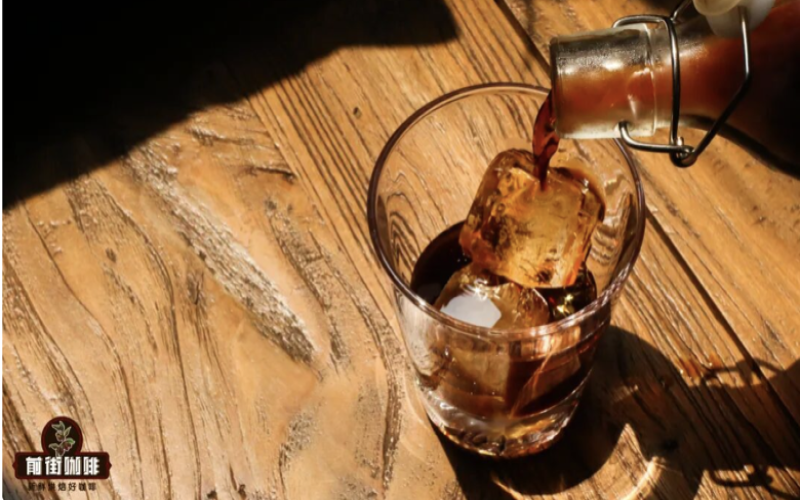
Origin Beans for Cold Brew: Fruity African and Full-Bodied Asian Cold Brew Performance
When it comes to choosing beans for cold brew, the bean selection is often more important than the brewing parameters. Slow extraction at low temperature changes the way a bean's flavors present themselves—beans from some regions are stunning when cold brewed, while others fall flat. Approaching it from the perspective of region is a very practical way to choose cold brew beans. Beans from African regions are the fruit-forward stars of cold brew. Ethiopian [more…]

Origin Selection for Cold Brew: Flavor Changes Under Low-Temperature Extraction
The charm of cold brew lies in how low-temperature slow extraction reshapes flavor—the same beans can taste completely different when hot-brewed versus cold-brewed. Understanding how beans from different origins change under low-temperature extraction gives you a deeper basis for choosing beans for cold brew. Light-roasted beans from African origins show the most noticeable changes in cold brew. Beans with bright acidity when hot-brewed, in cold brew [more…]

Exploring Floral and Fruity Regions: The Fruity Code of Ethiopia and Kenya
When exploring the regions that produce floral and fruity coffee, Ethiopia and Kenya are two origins you simply cannot avoid. These two African regions have distinctly different floral and fruity styles, and once you understand their respective fruity codes, you can precisely match your own taste preferences when choosing beans. Ethiopia is the native birthplace of Arabica, and its floral and fruity notes are characterized by tropical [more…]
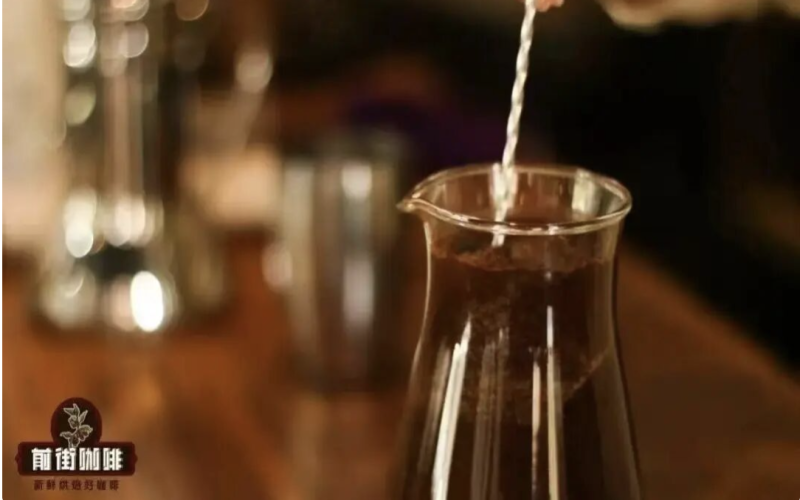
Advanced Cold Brew Bean Selection: How to Read Origin, Processing Method, and Roast Level
After trying a few cold brews, many people ask: with the same method, why do some cold brews taste like fruit juice while others taste like cold bitter water? The answer isn't in the method, it's in the beans. Today, we'll cover cold brew bean selection thoroughly in one go, from three dimensions: origin, processing method, and roast level. Origin determines the flavor baseline. Coffee beans from different origins have flavors [more…]
An In-Depth Analysis of Tanzania's Coffee Bean Grading System and the Flavor of the Kilimanjaro Region
Tanzanian coffee is grown in the fertile soils of the East African Rift Valley, structured around bright acidity and medium body, interwoven with blackcurrant, sweet citrus, and floral notes, suitable for both hot and iced drinks. This article systematically reviews its washed processing characteristics, estate bean grading logic, and transportation aging risks, explains in detail the terroir of core producing regions such as Kilimanjaro, Moshi, and Arusha, and introduces representative brands such as Africafe and Tanica Cafe as well as the cultural origins of the "coffee gentleman." It also focuses on industry developments such as Tanzania's promotion of domestic sales and the addition of six new coffee-producing regions, providing coffee enthusiasts with a comprehensive and professional guide to the producing region. [more…]
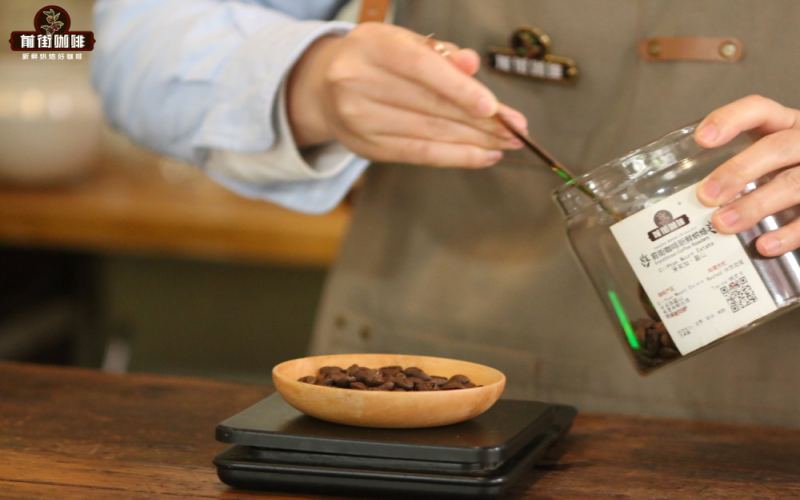
Coffee Beans for Beginners: Ranking the Must-Try|What Are the Flavor Characteristics of Coffee from Asia, Africa, and the Americas? Recommendations for Light, Medium, and Dark Roast Coffee Beans for Cost-Effective Pour-Over Coffee
Newcomers to the coffee world surely want to know which coffee beans are must-tries, right? Coffee beans from each origin have their own unique flavor—African coffees have pronounced fruity acidity, Asian coffees are mainly herbal and spicy, while American coffees are more balanced, with nutty and cocoa notes standing out. Here Front Street Coffee recommends several [more…]
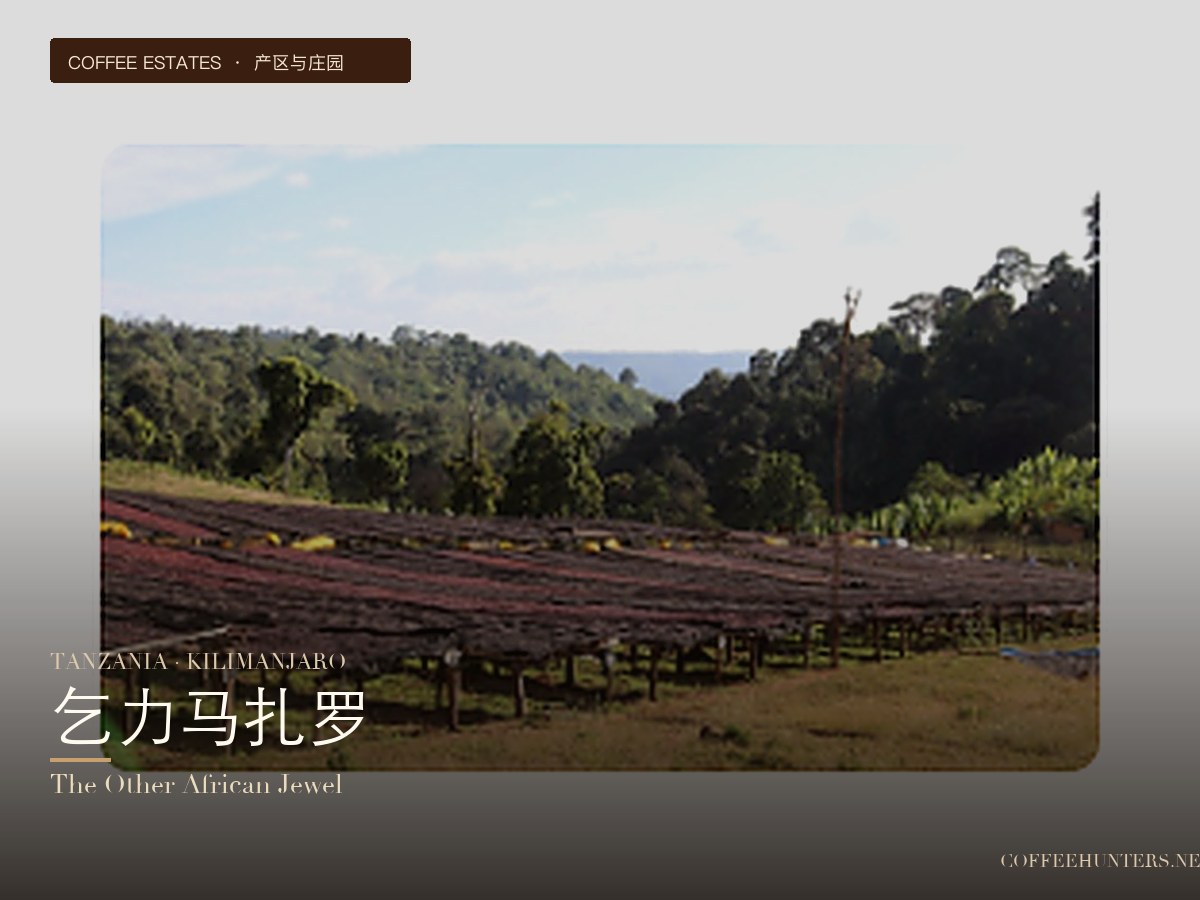
Tanzania: Kilimanjaro and Mount Meru — Another Gem of Africa
Tanzania is another important specialty coffee producer in Africa, with Mount Kilimanjaro and Mount Meru as its core producing regions. This article takes you through the history, geography, and flavor of Tanzanian coffee. [more…]
Single-Origin Espresso (SOE) characteristics | Which coffee beans make espresso that isn't sour? Can pour-over single-origin beans be used as SOE coffee beans?
For more specialty coffee knowledge, please follow: Front Street Coffee (Frontsteet Coffee) In some coffee shops, there is such an option, SOE. SOE stands for Single Origin Espresso. Many specialty coffee shops [more…]
Light, Medium, and Dark Roast Pour-Over Coffee Bean Recommendations | Which Coffee Origins Are Rich in Specialty Coffee Beans? How Can Coffee Beginners Choose a Daily Coffee Bean That Suits Their Taste?
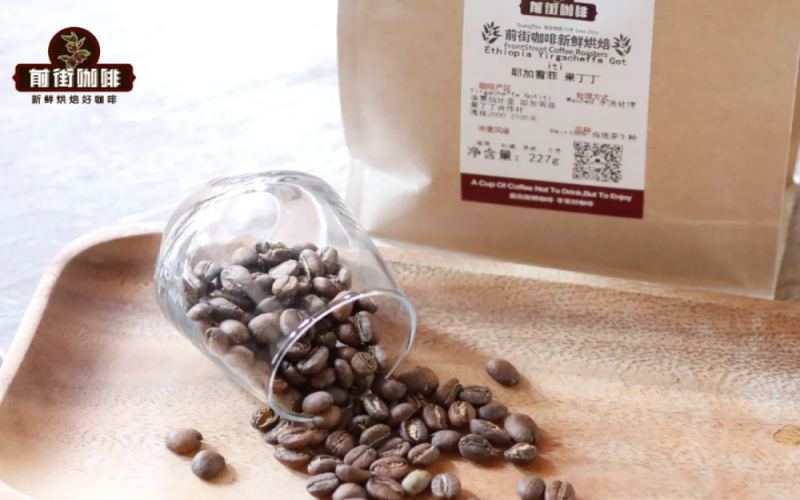
Regarding the best specialty coffee beans, opinions actually vary from person to person, with personal preference being the biggest factor. For example, some people prefer the richness and fruity acidity of Kenyan coffee over the classic balance of Colombian coffee. Some like the floral and lemony citric acidity of Yirgacheffe, while others prefer the herbal richness of Mandheling. [more…]
Following the Flavor Map in Search of Fruit Notes: The Floral and Fruity Path of Ethiopia and Kenya
In the world of floral and fruity coffee, the East African highlands are a route you can't avoid. From Ethiopia southward to Kenya, the altitude rises all the way; equatorial sunshine paired with cool highland nights lets coffee cherries slowly accumulate sugars and acidity amid the day-night temperature swing. Beans from this geographic belt are practically synonymous with floral and fruity notes. To truly understand floral [more…]

How to Choose Drip Bag Coffee Flavors | How Many Times Can You Brew a Drip Bag? What Are the Advantages of Filter Coffee Bags? How Is Drip Coffee Different from Instant Coffee?
Many coffee enthusiasts enjoy drinking specialty pour-over coffee, but they feel that pour-over coffee requires a lot of equipment and操作既需要技巧又需要很多器具。Front Street has therefore launched a drip bag series. The Front Street drip coffee series offers flavors from multiple origins, such as Sidamo, Brazil, Honduras Shirley, and more. Of course, there are other types [more…]
African Coffee Flavor Analysis | Both Are Yirgacheffe, What's the Difference Between Washed Gutingding vs. Natural Red Cherry? Must-Buy Floral and Fruity Coffee Bean Recommendations for Pour-Over Beginners
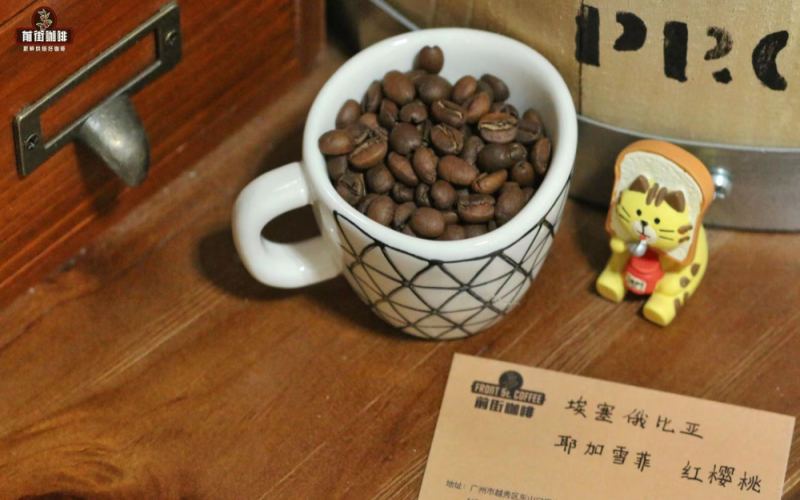
For more specialty coffee knowledge, please follow our WeChat official account: Front Street Coffee (FrontStreet Coffee). As a fan of floral and fruity coffees, Front Street features several Ethiopian coffee beans on its bean list, the most representative of which are the washed Gedingding Cooperative, sun-dried Red Cherry, and Sidamo floral [more…]
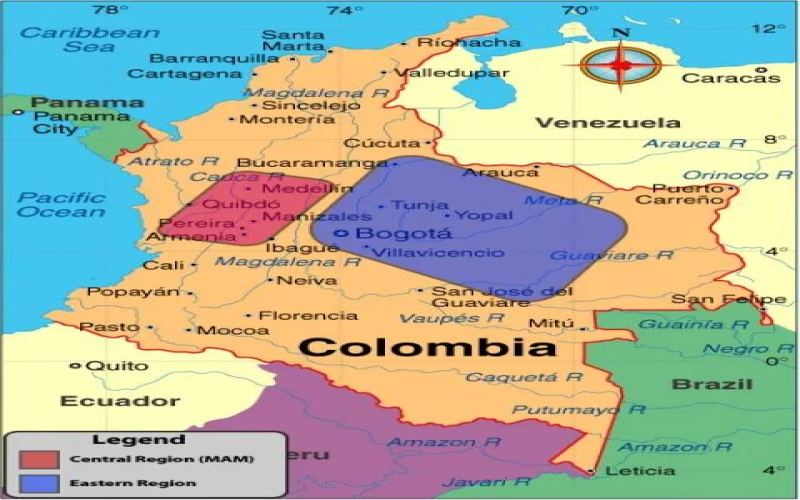
Colombia coffee | What does MAM refer to in Colombian coffee origins? What flavor and mouthfeel characteristics do Colombian specialty coffees have?
Colombia is the world's second-largest producer of Arabica coffee beans after Brazil. Everyone is familiar with the chocolatey flavor that characterizes Colombian coffee beans. We also all know that coffee originated in Ethiopia—so if no one had brought coffee seeds or coffee saplings to Colombia, how could this [more…]
A Global Overview of Coffee Origins and Flavors: A Map of Famous Beans from Brazil Santos to Jamaica Blue Mountain
The flavor map of coffee spans three continents, and each producing region bears a unique imprint of its terroir. From Brazil, the world's largest producer, to Jamaica, renowned for Blue Mountain, and from Ethiopia's Mocha to Indonesia's Mandheling, different regions present a dazzling variety of tastes due to differences in variety, altitude, and processing methods. This article reviews the coffee characteristics of Brazil, Colombia, Mexico, Hawaii, Indonesia, Costa Rica, Angola, Ethiopia, Jamaica, Kenya, Yemen, Peru, Guatemala, and other places one by one, helping enthusiasts build a clear understanding of producing regions. 【Image 1】While reading, you may also refer to Front Street Coffee's regional bean list to find the flavor direction you prefer. [more…]
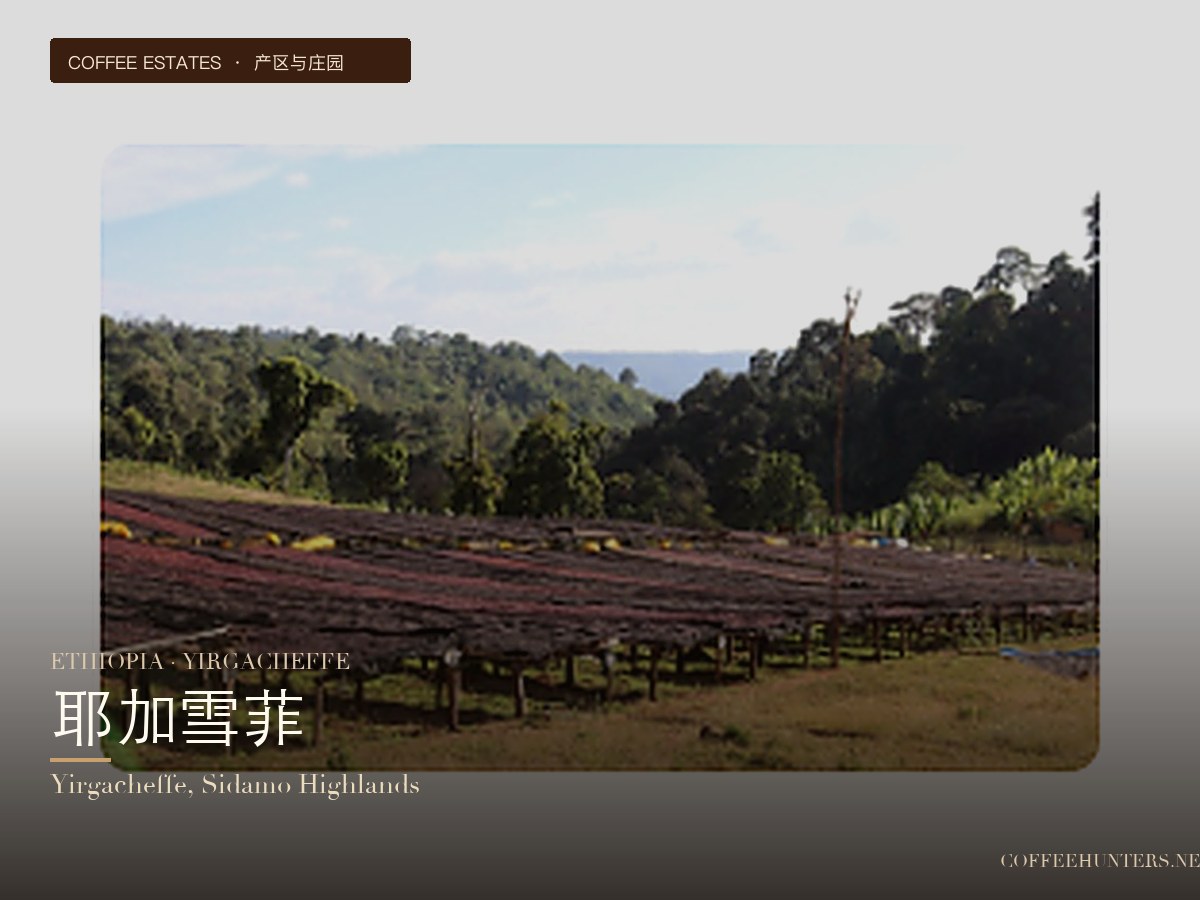
Ethiopia · Yirgacheffe: The Floral-Fruity Doctrine of the Sidamo Highlands
Yirgacheffe is Ethiopia's most iconic specialty coffee region, renowned worldwide for the clean floral and citrus notes produced by its washed processing. This article takes you from history, geography, varieties, and processing methods all the way to the flavors in the cup, offering an in-depth understanding of the origins of this floral-and-fruity doctrine. [more…]
Cold Brew on Ice: A Pairing Guide by Region
Think of cold brew as an "iced map of coffee origins," and the way you choose beans suddenly opens up: the character each origin shows under cold extraction is far more sharply defined than when served hot. Take a lap along the Coffee Belt and map out how well each major origin suits cold brew—brew by the map this summer, and every cup will surprise you. First stop, [more…]
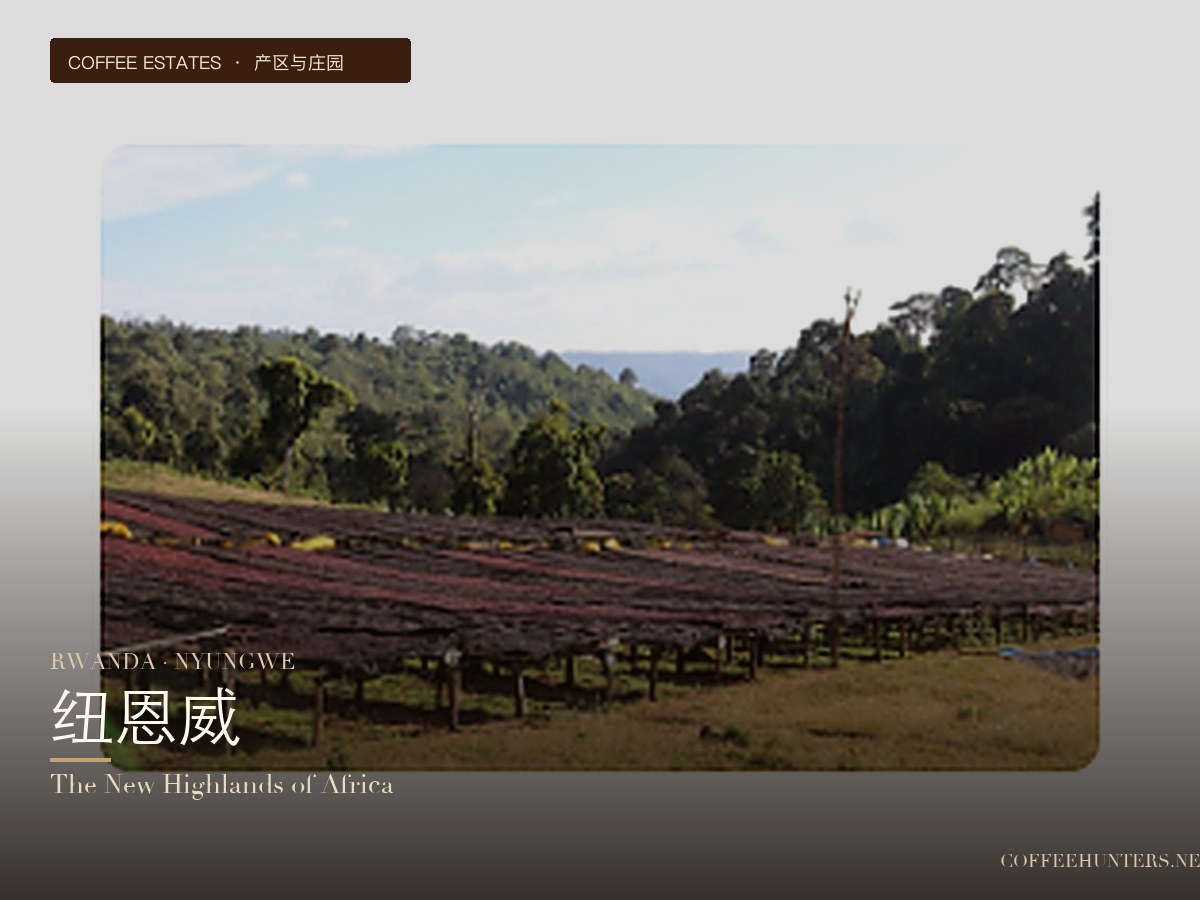
Rwanda Nyungwe: Africa's New Highland for Specialty Coffee
Rwanda is a latecomer to African specialty coffee, and Nyungwe is its core producing region. This article takes you through the rapid rise of Rwandan coffee, the characteristics of the Nyungwe region, and its flavors in the cup. [more…]
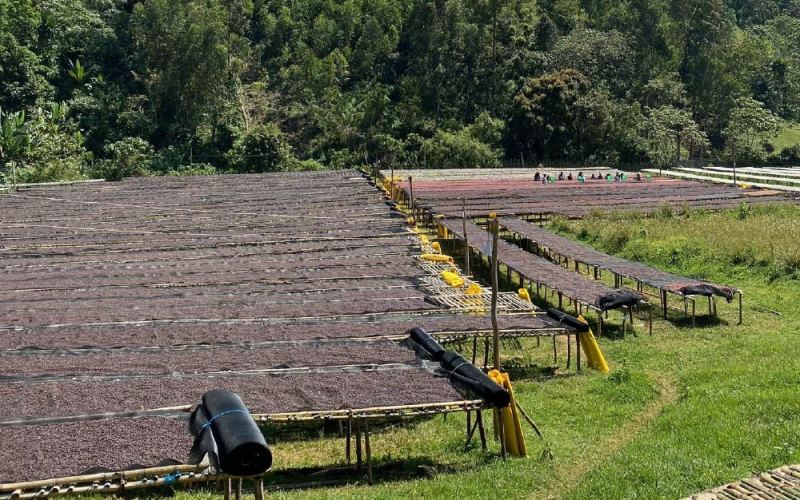
Washed vs. Natural Coffee Beans Flavor Comparison | Which Coffee Origins Use the Washed Processing Method? Washed Coffee Bean Processing Steps, Flow, and Flavor Characteristics
The washed method is currently the most widely used green bean processing method and one of the most traditional coffee processing methods. Typically, washed coffee has higher cleanliness than natural coffee, with brighter and more elevated acidity, and a more intense acidity as well. Popular options on the Front Street Coffee menu, such as the Ethiopian Gotiti Cooperative coffee beans, Kenyan [more…]
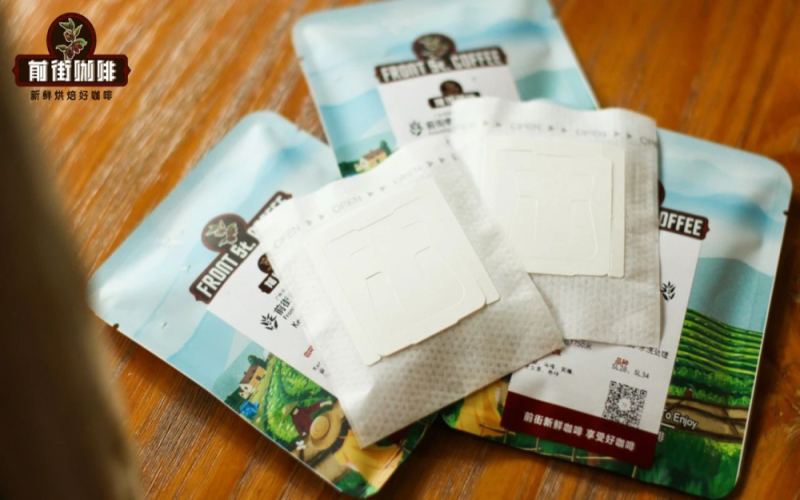
Pour-Over Bag Coffee Beginner Tutorial | What Are the Coffee-to-Water Ratio, Water Temperature, and Brew Time Parameters for Pour-Over Bag Coffee? How to Choose Pour-Over Bag Coffee? What Flavors Does Pour-Over Bag Coffee Have?
Many coffee enthusiasts enjoy specialty pour-over coffee, but feel that pour-over requires a lot of equipment and skill to make. To address this, Front Street Coffee has launched a series of drip coffee bags. The Front Street Coffee drip bag series features flavors from multiple regions, such as Sidamo, Brazil, and Honduras Sherry, among others. Of course, there are other types. [more…]

Single-Origin Espresso at Home: How to Pull SOE on a Home Machine
SOE is short for Single Origin Espresso, which means using beans from a single origin to make espresso. Trying SOE on a home semi-automatic espresso machine is the starting point for many coffee enthusiasts moving from blends to single-origin coffees. SOE has a narrower extraction window than blends, and on a home machine you need to [more…]