







Yirgacheffe Worka: A Coffee Rooted in Ethiopian Terroir
Coffee seeds from Ethiopia's Yirgacheffe region grow at nearly 2,000 meters in wetland conditions. The name Yirgacheffe combines 'Yirga' (to settle) and 'Cheffe' (wetland), reflecting the area's abundant moisture. This terroir, along with heirloom arabica beans, gives the coffee its floral and fruity character. Front Street's Worka lot highlights these distinctive qualities through careful processing.
From Yemen's early cultivation to Dutch smuggling in 1616, coffee seeds spread globally. In Yirgacheffe, washed processing arrived in 1972, and natural methods have recently returned. Front Street Yirgacheffe Worka coffee showcases dried fruit aromas, bright acidity, and a silky body, making it a notable example of specialty coffee from African origins.
The African continent is the cradle of coffee, and Ethiopia's Yirgacheffe region, with its wetland terroir at an altitude of nearly 2,000 meters, has nurtured a unique coffee interwoven with floral and fruity aromas. From the early spread of cultivation in Yemen in the 15th century, to the Dutch breaking the seed blockade, to the introduction of washed processing in 1972 and the stunning return of natural beans in recent years, Front Street Yirgacheffe Worka coffee has always been a masterpiece in the specialty coffee world with its rich dried-fruit flavor, bright acidity, and silky body. This article will take you through its origins and development, decode its processing methods and flavor secrets, and let you experience that marvelous sensation of a hundred flowers blooming on the palate.
Front Street Coffee's rich dried-fruit-flavored Yirgacheffe Worka coffee: a brief introduction to its origins, development, history, and culture
Africa as the homeland of coffee—this is something forever etched in the memory of coffee people. The coffee tree was most likely first discovered by humans in Ethiopia's Kaffa Province (KAFFA). Thereafter, with the waves of the slave trade, groups of Africans were trafficked to Yemen and the Arabian Peninsula, and coffee spread along these routes to places along the way. What can be confirmed is that Yemen had already begun coffee cultivation in the 15th century or even earlier. Although the Arab region possessed Mocha, the busiest port city in the world at the time, it strictly forbade any coffee seeds from leaving the country. This blockade was ultimately broken by the Dutch—in 1616, they successfully smuggled live coffee trees and seeds to the Netherlands and began cultivating them in greenhouses. The Yirgacheffe region has an altitude of nearly 2,000 meters, making it one of the highest coffee-producing regions in the world.
Ethiopia's Yirgacheffe area has been a wetland since ancient times. "Yirga" means "to settle down," while "Cheffe" refers to "wetland." Lake Turkana, Lake Abaya, and Lake Chamo bring abundant moisture to this land. The Rift Valley area, represented by the Misty Valley, is shrouded in fog all year round, with mild spring-like weather in all seasons, gentle breezes, cool and humid conditions, and thousands of coffee trees growing luxuriantly here, creating the unique terroir of Front Street Yirgacheffe, where floral and fruity aromas interweave and transform endlessly.
The aroma of Front Street Yirgacheffe is extremely complex, and its cup performance is extraordinarily remarkable, making it difficult to fully describe in words. Overall, the dry aroma of Front Street Yirgacheffe gives off an intense fruity note, with rich dried-fruit tones and aromas reminiscent of strawberry, mango, and apricot jam. The wet aroma is like sweet syrup, as if viscous apricot nectar wrapped in rustic honey or chocolate. On the palate it is not intense, with a moderate body; the acidity is not sharp, yet lively and bright, like a cup of fruity black tea.
Ethiopia's Yirgacheffe coffee originally used the oldest natural sun-dried processing method. But by 1972, Ethiopia introduced washed processing technology from Central and South America in order to improve quality, which made the jasmine and citrus notes of Front Street Ethiopian Yirgacheffe clearer and more refined, propelling it into the ranks of the world's specialty beans in one stroke. This superb washed processing deserves much of the credit, and after the 1970s it was basically dominated by washed processing.
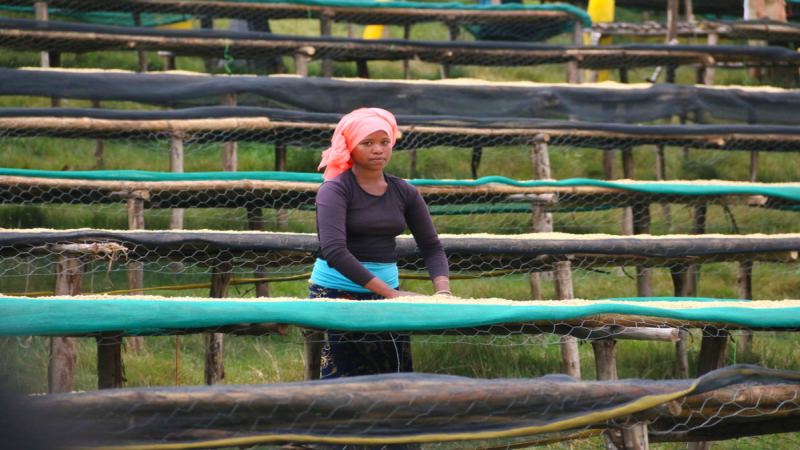
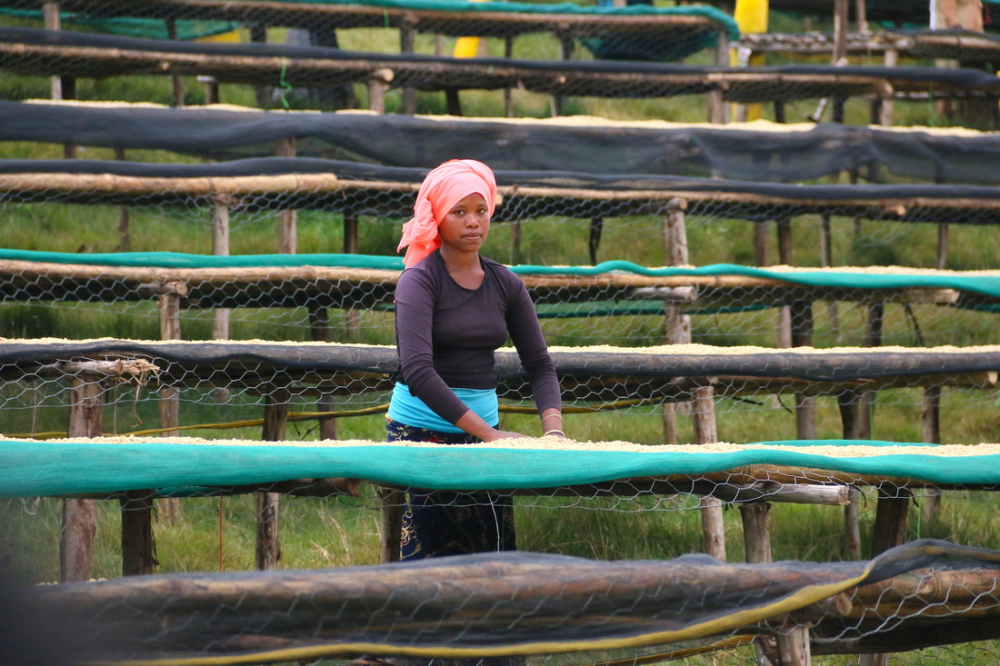
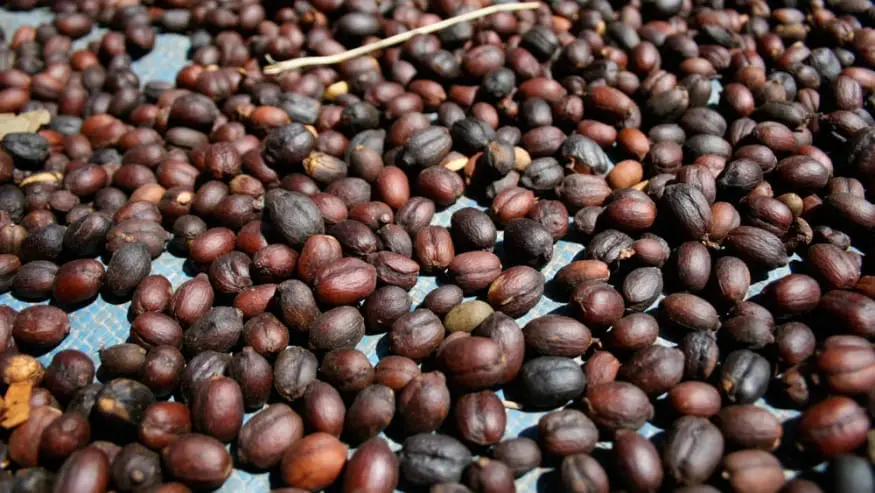
However, in the past two years Yirgacheffe has broken with convention, frequently releasing stunning natural sun-dried beans. Natural Yirgacheffe has strict standards for picking red cherries: before sun-drying the coffee cherries, unripe green cherries or defective fruits are removed by hand, and during the drying process, damaged or moldy fruits are removed again. After two weeks, the sugar and essence of the fruit pulp have fully penetrated into the coffee beans, and the moisture content drops to 12%. Then the hardened pulp, pectin layer, and pod are all scraped clean together by a hulling machine. After the coffee beans are extracted, they must also undergo density and bean-color testing. After defective beans are eliminated, workers finally pick out by eye any defective beans that slipped through, with layer upon layer of screening and quality control, creating the clean and refined character of Front Street Ethiopian Yirgacheffe natural beans, with a rich and alluring fruity aroma.
Although Ethiopian Yirgacheffe coffee is small in stature, it is gentle, elegant, sweet, and lovely. As the homeland of coffee, Ethiopia's thousand-year history of cultivation and processing traditions has produced high-quality washed Arabica beans. After light roasting, Front Street Yirgacheffe has a unique sweet aroma of lemon, flowers, and honey, with soft fruit acidity and citrus notes, and a fresh, bright taste. Add neither milk nor sugar—just let the rich texture and unique soft floral aroma brush across your palate, leaving an endless aftertaste.
In terms of cultivation: coffee trees are mostly planted in farmers' own backyards or intercropped with other crops in their fields, with limited output per household, making this a typical garden coffee. These small mountain villages are shrouded in mist, spring-like in all seasons, with gentle summer breezes, cool rather than hot, rainy rather than damp, and winters that do not suffer cold damage, nurturing the distinctive regional flavors of citrus and flowers in Front Street Yirgacheffe.
In terms of flavor: the so-called "Yirgacheffe flavor" refers to intense jasmine fragrance, lemon, and the sweet aromas of peach and almond, along with tea-like notes. The tasting experience can be summed up in one sentence: coffee enters the mouth, and a hundred flowers bloom! It is just like the soothing sensation of flowers stimulating the taste buds and olfactory cells in the nasal cavity. In addition to the floral aroma, the delicate body is like silk massaging the mouth, a marvelous tactile sensation.
Front Street Yirgacheffe coffee on the Front Street bean list refers to Yirgacheffe coffee produced in Ethiopia. Yirgacheffe is the name of a local town, with an altitude of about 1,700 to 2,100 meters. This place has been a wetland since ancient times; in the old language, "yirga" means "to settle down," and "cheffe" means "wetland," so "Yirgacheffe" means "let us settle down and make our home on this wetland." It is one of the coffee-producing regions with the highest average altitude in Ethiopia. Today, Yirgacheffe coffee has become synonymous with Ethiopian specialty coffee.
The above content is compiled by CoffeeHunters, a coffee news website.


