







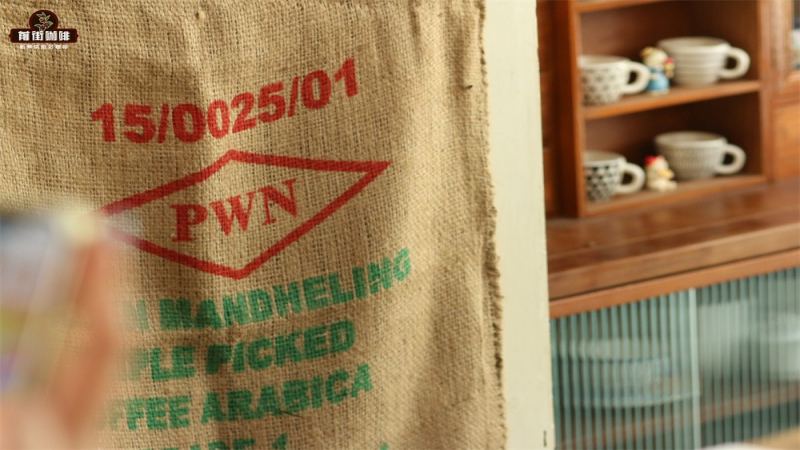

Let me tell you a little secret: Mandheling is not actually a coffee variety! Mandheling is the collective name for all Arabica coffee beans grown on the Indonesian island of Sumatra. If Geisha coffee beans are the elegant lady of the coffee world, thenMandheling coffee beansare the gentleman—with their steady, full-bodied coffee flavor, they have become the beloved favorite of generations of coffee connoisseurs.
Mandheling is neither a coffee variety nor another name for Sumatra, so why are the coffee beans produced here called Mandheling coffee beans? It is said that this was a misunderstanding caused by a language barrier. It is said that during World War II, when Japan occupied Indonesia, a Japanese soldier drank a very rich coffee at the home of a member of an ethnic group on Sumatra, so he asked the family member what this coffee bean was called.
Because the family member did not understand the question, he answered with the name of his ethnic group: Mandheling. After the war, this Japanese soldier recalled the "Mandheling" he had drunk on Sumatra, so he asked a merchant to ship 15 tons to Japan, and it unexpectedly became very popular, so Mandheling became synonymous with Arabica coffee beans produced on Sumatra.
Coffee cultivation in Indonesia has a very long history. In the 17th century, the Dutch first introduced Arabica seedlings to Ceylon (present-day Sri Lanka) and Indonesia. In 1877, a large-scale disaster struck the Indonesian islands, and coffee rust destroyed almost all the coffee trees, so farmers began planting Robusta coffee varieties one after another. At present, 90% of the coffee beans exported from Indonesia are Robusta coffee beans, and only 10% are Arabica coffee beans.
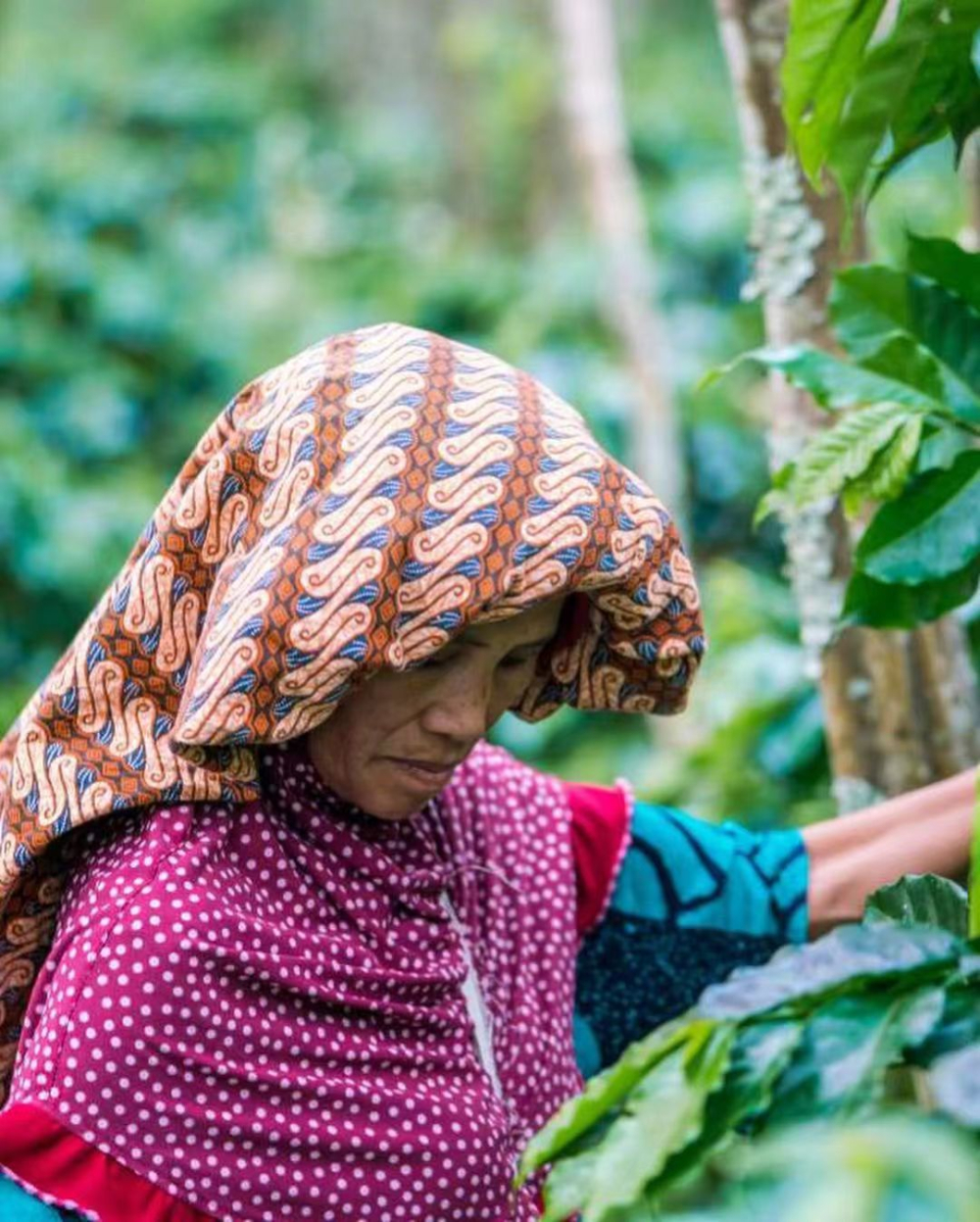
Sumatra is one of the few regions in Indonesia where Arabica coffee beans are grown, because it has a relatively high altitude for the Indonesian region. Arabica coffee beans are planted in mountainous areas at an altitude of 600-1600m. It is hot and stuffy here all year round, and the low altitude prevents the climate here from forming a large temperature difference, so coffee grown here generally does not have a delicate flavor. However, precisely because of the low altitude, the coffee beans here develop a memorable and very unique dull flavor. The greatest characteristic of Mandheling coffee is the woody, forest-like agarwood note and the taste of spices.
Although Sumatra has a relatively high altitude for the Indonesian region, compared with other regions in Africa and Central and South America, it is very low. The low altitude also makes insects harmful to coffee trees very aggressive, affecting the production and fruiting rate of coffee trees. If traditional Arabica coffee trees (Typica/Bourbon) are planted, their insect resistance is relatively weak, so most coffee trees planted in this region are Arabica coffee trees with Robusta lineage. At present, the Arabica coffee trees planted in Indonesia are Timor (called Tim Tim by locals), an Arabica variety with Robusta lineage; and Catimor (called Ateng by locals), a hybrid variety of Caturra and Timor.

Also because of the year-round hot and stuffy climate and the lack of water, Indonesian coffee farmers developed a way to better dry coffee beans while saving water—the wet hulling method, also known as Wet Hulling, and this is also the standard processing method for Mandheling coffee beans. The characteristics of the wet hulling process are drying in stages and quickly, and removing the parchment and drying. Teacher Han Huaizong described it as "This is also a rare processing method in the world, and by accident it created Mandheling's special low-acidity, thick and muffled aroma flavor."

Although the Arabica coffee grown on Sumatra can be calledMandheling coffee,specialtyMandheling coffeeis generally only grown in the Gayo mountain area. The famous Mandheling coffee beans in the specialty coffee world are grown in the Gayo mountain region of Aceh province in northern Sumatra. The average growing altitude in the production area is between 1,110-1,600 meters. The coffee is grown by smallholder farmers under shade trees, and the wet-hulling processing method expresses a peculiar flavor along with a deep and lively full-bodied flavor.
Golden Mandheling coffee beans not onlyrepresent a type of coffee bean, but are also a trademark registered by the Indonesian PWN green bean company. Therefore, onlyGolden Mandheling coffee beansproduced by PWN can be considered true Golden Mandheling coffee beans.
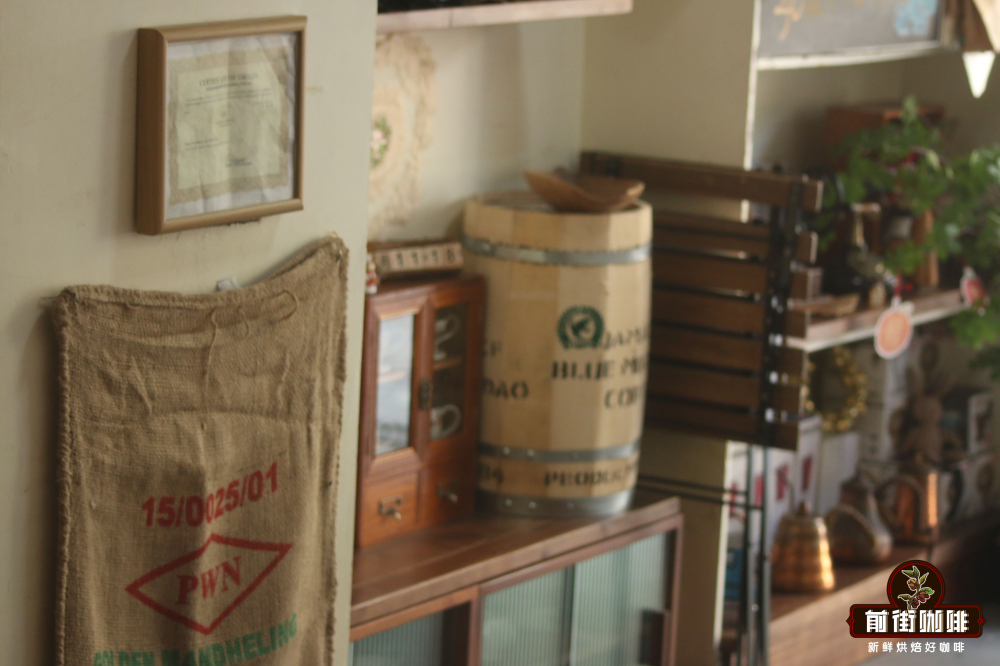
The Golden Mandheling coffee beans sold by Front Street Coffee all come from PWN. In Front Street Coffee stores, you can see the certificate issued by PWN and the gunny sacks of PWN Golden Mandheling green coffee beans. As Golden Mandheling becomes more and more well-known, many beans on the market that are not produced by PWN but carry the Golden Mandheling label are actually only what can be called specialty Mandheling.
PWN has strict screening standards for the Golden Mandheling coffee beans it sells externally. The company selects Mandheling coffee beans only using specifications of 18 mesh or above, with fewer than 3 defective beans (in a 300g green bean sample), belonging to the highest grade G1, dark green in color, and with a neat flat bean shape.
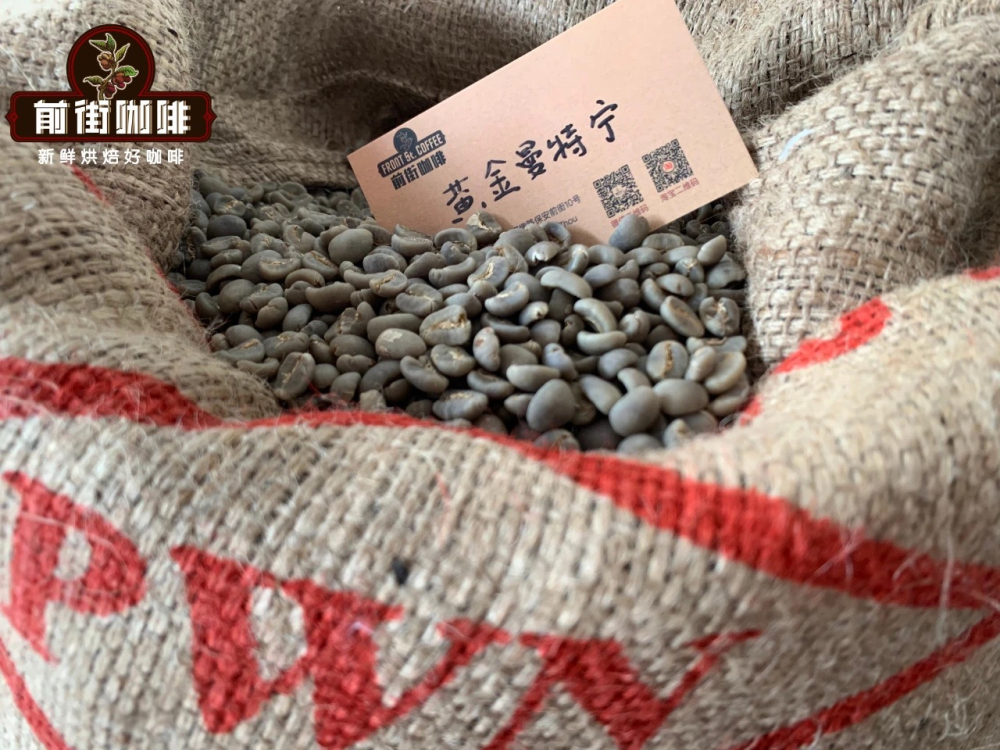
After processing, the green beans undergo density and color sorting, and then also manual bean selection, for a total of four rounds of careful selection. Therefore, PWN Golden Mandheling coffee beans are more uniform than ordinary Mandheling coffee beans, whether in bean size or in the stability and balance of coffee flavor, and the overall tone is also cleaner, with a more obvious sweetness.
The coffee beans sold by Front Street Coffee are all freshly roasted, and the coffee beans shipped are all within 5 days after the roasting completion date, so everyone can start from the freshest state of the coffee beans and taste the different changes in coffee flavor under different conditions of the beans. Generally speaking, coffee beans will still retain a roasted taste within 4 days after roasting is completed. If you are not in a hurry to drink them, you can first rest the coffee beans, leaving the original package sealed and undisturbed until 4-5 days after the roasting date before starting to taste, and the coffee as a whole will appear rounder. The optimal drinking period for coffee is generally about 30-35 days.

In order to allow PWN Golden Mandheling coffee beans to express a full-bodied coffee flavor, Front Street Coffee roasts the coffee beans to a medium-dark level. For brewing medium-dark roasted coffee beans, Front Street Coffee recommends using a KONO dripper. Brewing parameters: 88°C water temperature, brewing 15g ground to the size of coarse granulated sugar at a 1:15 coffee-to-water ratio (coffee powder with a 70% passing rate through the Chinese No. 20 standard sieve).
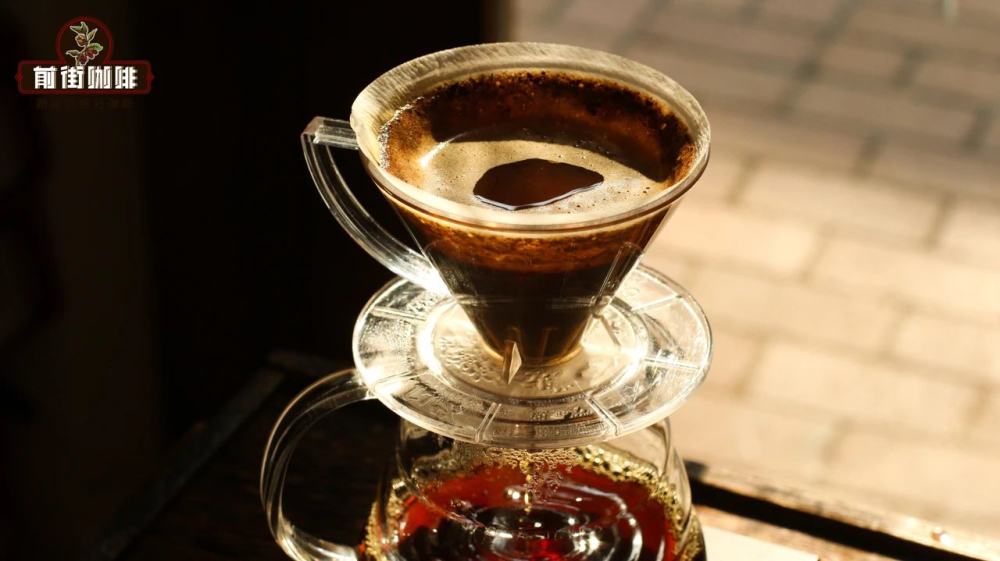
Specific brewing method: pour 30g of water for the first pour and let it bloom for 30s; for the second stage, pour in a small stream in a circular motion up to 125g, wait until the water level in the coffee bed drops to half before pouring again, then continue pouring in a small stream in a circular motion up to 225g. After all dripping is complete, the total extraction time is about 2 minutes 10 seconds.
Flavor performance of PWN Golden Mandheling coffee beans: the coffee as a whole has many layered changes, is full-bodied and clean. Rich nutty and caramel aromas, with chocolate notes, a long finish, and high balance.
For professional coffee knowledge exchange and more coffee bean information, please follow Coffee Workshop (WeChat public account cafe_style)
For more specialty coffee beans, please add the private WeChat of Front Street Coffee (FrontStreet Coffee), WeChat ID: qjcoffeex
The above content is compiled by CoffeeHunters, a coffee news website.

