







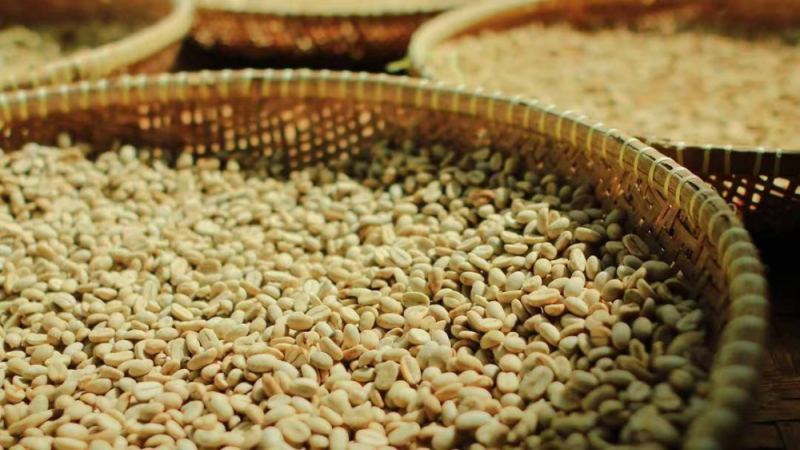
Have you ever noticed, when drinking coffee, that most Indonesian coffees are named directly after their producing islands, such as Java, Sulawesi, and Sumatra? Yet one famous coffee is an exception—it is Mandheling coffee from the island of Sumatra.
Why is Sumatra coffee called "Mandheling"?
Unlike most single-origin coffees, which are named after their producing region or variety, the name Mandheling comes from a mispronunciation of the Mandailing ethnic group in northwestern Sumatra, Indonesia.
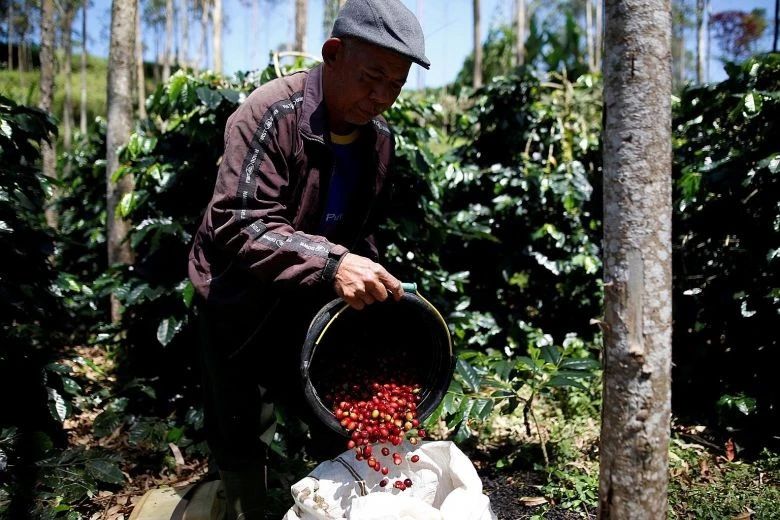
During Japan's occupation of Indonesia in World War II, a Japanese soldier drank an exceptionally rich and aromatic coffee in a café. He asked the owner for the name of the coffee, but the owner mistakenly thought he was asking where he was from, so he replied: "Mandheling." After the war, the soldier returned to Japan and remembered that the delicious coffee seemed to be called "Mandheling." In 1968, a Japanese merchant visited the Indonesian company N.V. Pawani Medan and imported 15,000 kilograms of Sumatra Mandheling coffee. After it was launched on the Japanese market, it became hugely popular. From then on, Mandheling coffee and the N.V. Pawani Medan company became famous, and later people also called arabica beans produced on the island of SumatraMandheling coffee.
What is the "taste of Mandheling"?
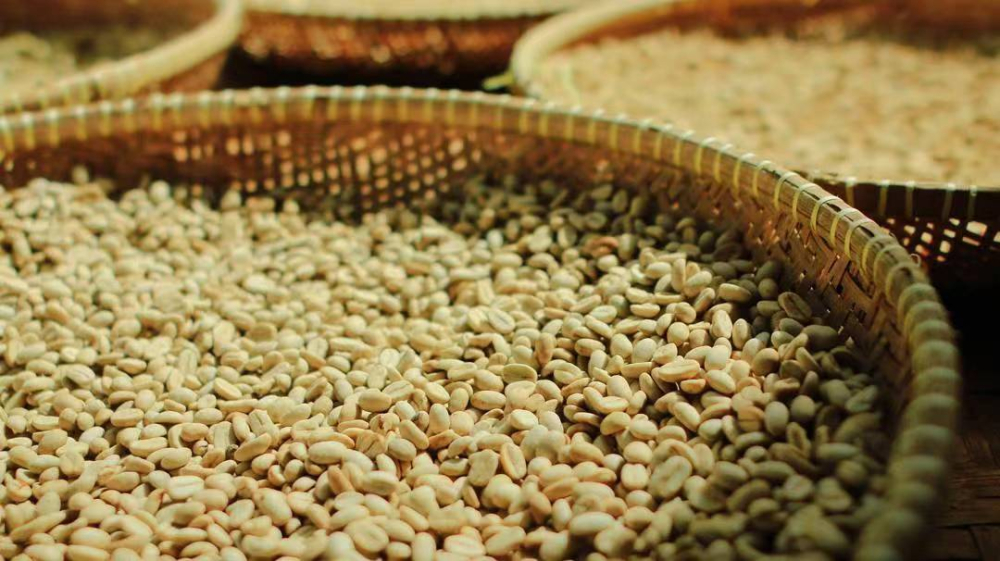
Mandheling coffeeis mostly given a darker roast, which weakens the coffee's acidity and makes the mouthfeel richer and more caramelized, while also carrying musky notes of herbs, spices, and pine wood. Such a unique mouthfeel in Mandheling comes from the wet-hulling method used by the locals.
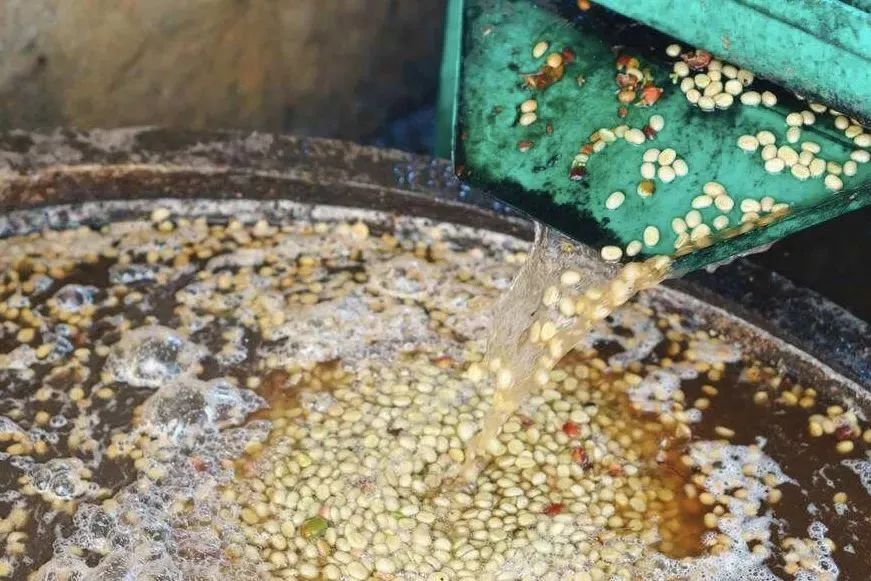
The island of Sumatra has a typical tropical rainforest climate, with frequent rain and humidity year-round, typhoons that strike at any time, and scarce freshwater resources. With limited conditions, the locals could not process large batches of coffee beans using the traditional washed method, nor could they dry them through long periods of sun exposure. So local coffee farmers invented the wet-hulling method, which requires only 4 days of processing and greatly shortens both fermentation and sun-drying time, saving a lot of labor for production. This also gives Sumatra Mandheling coffee its unique Southeast Asian notes of herbs, spices, and wood.
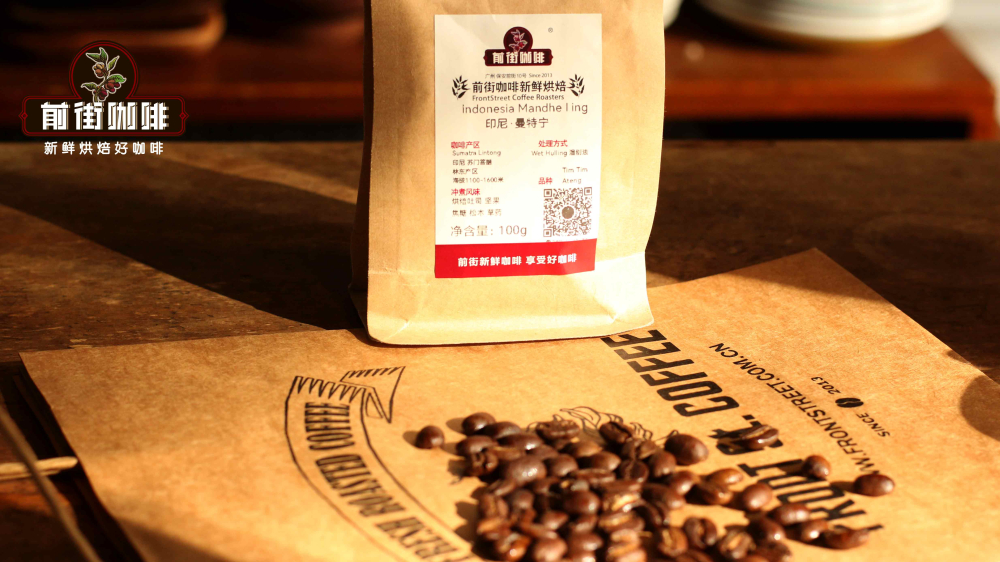
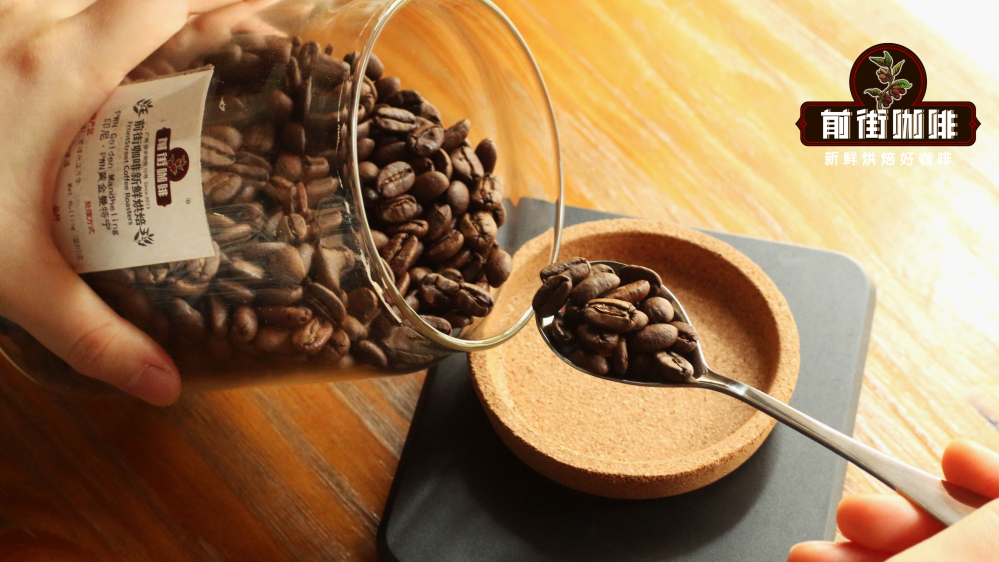
To get a light first taste of Mandheling's distinctive regional flavor, it is recommended to buy the entry-level Front Street Indonesia Mandheling G1 coffee beans, which ship within 24 hours after ordering; all Front Street coffee beans arefreshly roasted within 5 days. This entry-level Front Street Mandhelingcomes from the Lintong region of Sumatra and belongs to Indonesia's highest G1 grade for green beans. It uses the wet-hulling method and a dark roast, bringing out to the greatest extent Mandheling's caramelized aromas of caramel, spices, nuts, and dark chocolate. The mouthfeel is rich, intense, and low in acidity. It is suitable for pour-over, moka pot, clever dripper, and other brewing methods, and can also serve as a practice bean for beginners.
Lintong Mandheling refers to arabica coffee from the mountainous area around Lake Toba in North Sumatra Province. The lake is located north of Medan, the provincial capital of Sumatra, and is a highland freshwater lake at an average elevation of about 900 meters. Lintong Mandheling is processed using the local wet-hulling method, presenting Mandheling's distinctive musky herbal aroma and representing the classic Asian coffee flavor.
But when it comes to high-grade Mandheling coffee, Front Street PWN Golden Mandheling is recommended. PWN can be said to be the headhunter of specialty Mandheling.
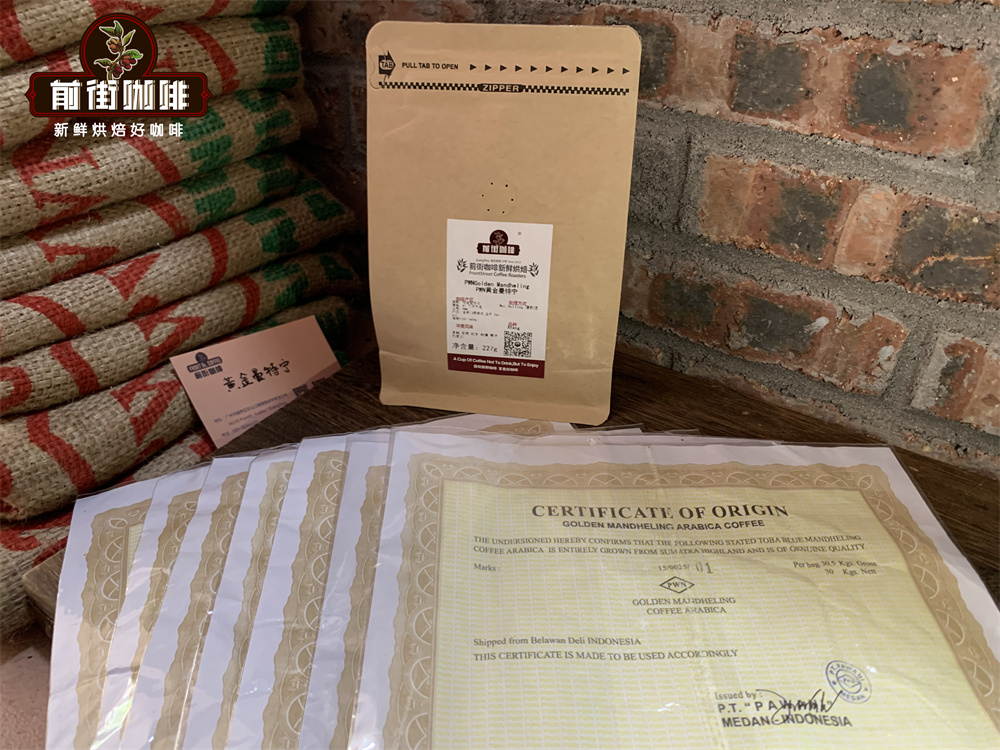
The full name of the PWN company is "N.V. Pawani Medan company." It is a trading company mainly engaged in purchasing high-quality lots of Mandheling green beans, and its coffee is only produced at the specialty grade. "Golden Mandheling" is its signature product. At the time, the Japanese took a liking to Sumatra coffee and bought it for a long time, gradually discovering that the quality of local beans was often uneven. So they paid more attention to Mandheling production and began setting strict standards and methods for screening defects, including values such as bean density, size, shape, and color. The Mandheling produced needed 1 machine sorting plus 4 rounds of manual hand sorting to remove defects, ensuring that the resulting Mandheling beans were intact, uniform, large, and translucent, while also reducing Mandheling's muddy and grassy notes. It is said that under the sun they shone with a golden luster, which is how the name "Golden Mandheling" came about.
Freshly roasted Front Street Golden MandhelingIn the dry aroma stage, one can smell cedar wood, nuts, spices, and herbs. As hot water is poured in, there are notes of licorice and caramel. When drunk, it has flavors of dark chocolate, cocoa, nuts, and spices. The overall cup is clean, with obvious sweetness in the finish and a high body. It is not only suitable for extraction methods such as pour-over, French press, and siphon, but when made into drip bags it can likewise present the essence of Golden Mandheling.
The above content is compiled by CoffeeHunters, a coffee news website.


