








The arrival of autumn and winter has made hot lattes a favorite once again. After all, who wouldn't want a cup of heart-warming coffee in the bitterly cold weather? And the key is that it's so sweet! So, many friends have started making hot lattes at home. And because of this, Front Street's back office has received many questions from friends about problems that arise when making lattes!
In the messages we received, most people said that the lattes they made were disappointing in taste and just couldn't match the rich, fragrant, and sweet lattes produced in cafés. Either the coffee's bitterness was too prominent, or the milk flavor was too heavy and overpowered the coffee flavor. So today, Front Street will share how to make a delicious hot latte with balanced flavor, richness, and high sweetness!

1. Choosing Ingredients
Although a "Latte" is made from just two ingredients, milk and espresso, making a latte with a rich aroma and no bitterness still takes quite a bit of effort. The reason many friends can't make a good latte is that they often focus on the "assembly" of ingredients while neglecting ingredient selection, not realizing that both ingredient selection and mastery of technique are equally important for a delicious latte. After all, the quality of a dish doesn't come from the cooking process alone.
For coffee, the choice of beans determines the flavor direction of the entire cup! So, to make a delicious hot latte, the first thing you need to choose is a suitable coffee bean.

Because a latte adds a large amount of milk to balance the coffee's flavor, this places fairly strict demands on the coffee beans' roast level. If the coffee beans are roasted too light, fewer reactions occur during roasting, and the extracted coffee flavor will easily be masked by the milk's flavor.
Second, a red flower usually needs green leaves to set it off, and a latte's sweetness likewise needs some bitterness to highlight it. So, when choosing coffee beans for milk coffee, Front Street recommends choosing medium-dark or dark roasted coffee beans. This is because such beans have a relatively prominent roasted aroma to stand up to the milk. Recommended options are Front Street Classic Espresso Blend, which highlights crema; Front Street Queen's Estate, with roasted nut aromas; and Golden Mandheling, with rich spice notes.
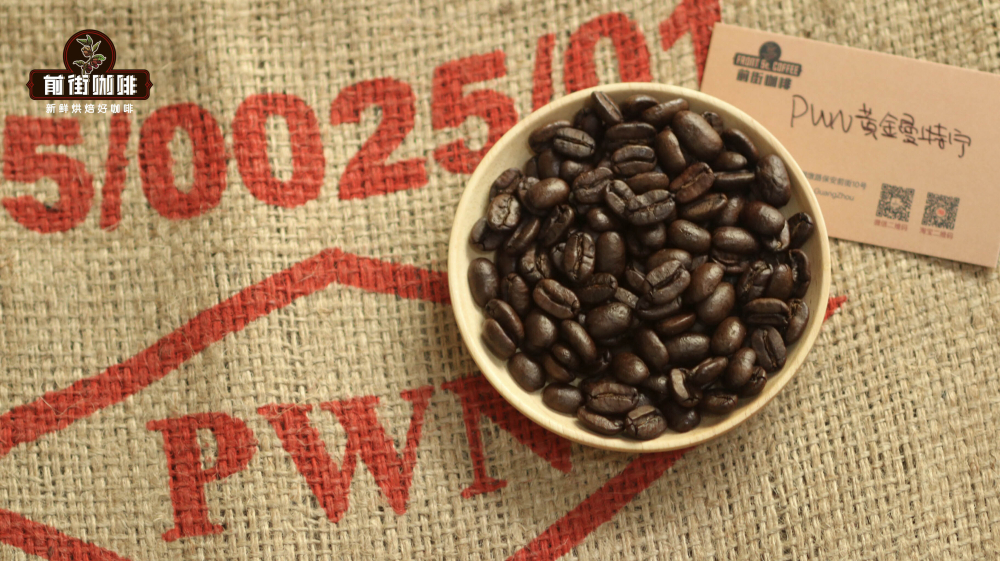
If you don't want it too bitter, then you can directly choose medium-roasted coffee beans. For example, the Warm Sun Blend used in Front Street cafés is a medium-dark roasted bean! Coffee extracted at this roast level not only lacks excessive burnt bitterness, but is also not easily masked by the milk's flavor. Most importantly, it comes with abundant crema—great for latte art and flavor, achieving two goals at once.

For a latte, milk is the other "lead actor" besides espresso, and milk makes up as much as 80% of a latte, so choosing it is also crucial. But unlike coffee beans, the choice of milk needs to be made according to the flavor of your coffee beans! Full-fat milk is the primary choice, needless to say. What we need to pick is the milk among all full-fat milks that best suits the current coffee beans!
Milk produced by different manufacturers has different strengths. For example, some milk is characterized by high sweetness, while some milk is characterized by a thick mouthfeel and strong milky flavor... You should know that these strengths do not suit all coffees. When the milk we use doesn't pair well with the current beans, the coffee won't just fail to shine—it may even go in the opposite direction. Even if both the beans and the milk are of top quality, they simply won't taste good when combined.
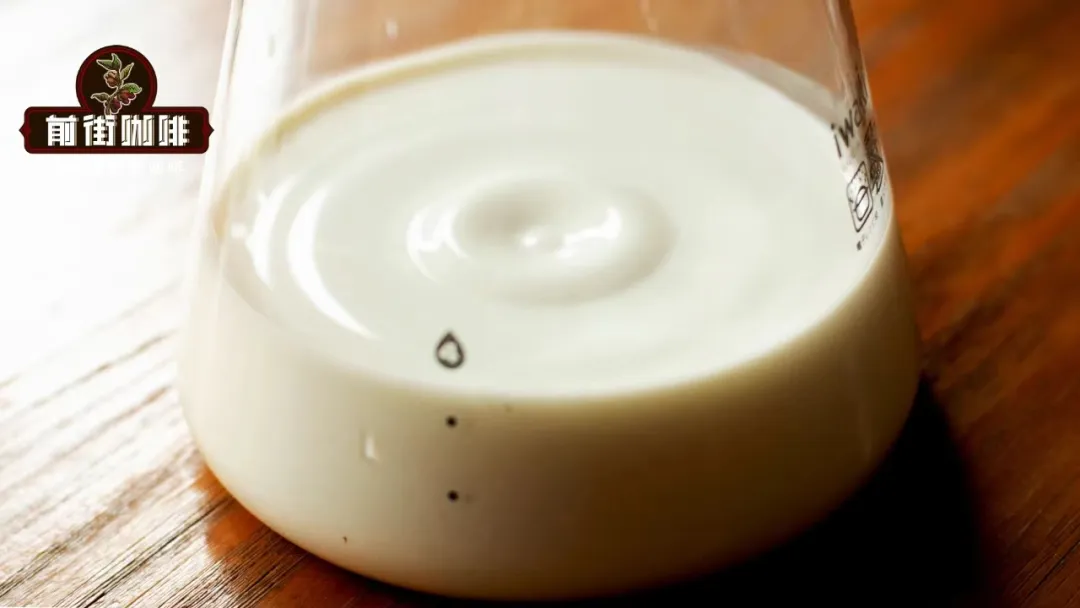
For example: suppose you're using a medium-dark roasted coffee bean, and the extracted coffee has a prominent flavor and tastes very mellow overall. If you then use a milk with a strong flavor and equally high body, the resulting latte will taste thick to the point of being greasy because both sides are too strong in flavor and too high in body! So, for beans like these, you need to find a milk with a less heavy mouthfeel and relatively high sweetness to pair with them.
Therefore, a milk that pairs well with the beans' flavor is very important! As for mouthfeel and flavor, we suggest you buy and try them yourself, since the comparisons in this article are based on Front Street's Warm Sun Blend.

2. Preparation
Now that we've covered the ingredients, next comes preparation! Since espresso is the base of a latte, the first thing we need to ensure is that its flavor is balanced in acidity, sweetness, and bitterness. This may be hard to understand when put that way; simply put, it means an espresso that is neither sharply sour nor burnt-bitter, and that tastes very concentrated but acceptable! To achieve this, we need to find a suitable extraction formula!
Generally, Front Street recommends using the widely circulated golden formula online as an initial adjustment target—for example, using 18–20g of grounds to extract twice the grounds' weight in liquid in 25–30 seconds. Then make fine adjustments based on the coffee's flavor.

Once we've finished adjusting the espresso, what remains to be prepared is the hot milk! You can choose either a version with milk foam or without. After all, for home coffee, the presence of milk foam isn't that important. So if we don't want the hassle, we just need to heat the milk to between 60°C and 68°C to activate the sweetness of the lactose. And if we want the coffee to have a finer, creamier mouthfeel, we can choose to steam milk foam!

The final step in making a delicious latte is finding the most suitable ratio between milk and coffee! What mainly needs adjusting is the amount of milk—after all, there's only so much espresso extracted, and compared with adjusting the extraction, it's naturally more convenient to adjust the milk.
But Front Street does not recommend directly copying someone else's data and ratios, because the coffee beans and milk used by each person are different. Even if they're the same, everyone's preferred taste and strength differ, so someone else's delicious latte may not suit you. So it's still best to adjust according to your own taste.

Usually, latte coffee has a rough ratio range, which is1:4~1:8. But adjustment is really just the difference between a little more milk and a little less milk. If you think the milky flavor is too strong, use less milk; if you think the coffee flavor is too strong and a bit bitter, use more milk. And when you think that under a certain ratio, this latte's flavor is outstanding and suits your taste perfectly, then congratulations—this ratio is the golden ratio that suits you, your beans, and your milk. You have successfully made a latte that best matches your taste and best suits your ingredients!
The above content is compiled by CoffeeHunters, a coffee news website.


