








For more specialty coffee knowledge, please follow: Front Street Coffee (Frontsteet Coffee)
Fresh grinding has always been part of the ritual of brewing coffee, because only freshly ground coffee can guarantee that the coffee's flavor does not fade. But for some people, being able to quickly brew a delicious cup of coffee is even more important, and this isdrip bag coffeethe reason it exists. Many people think that drinking drip bag coffee is not professional, but Front Street feels there is no need to think so. After all, no matter what food it is, if it wants to enter the mainstream, fast and convenient methods must be produced. So the appearance of drip bags is meant to let everyone enjoy specialty coffee without needing so many pour-over tools.
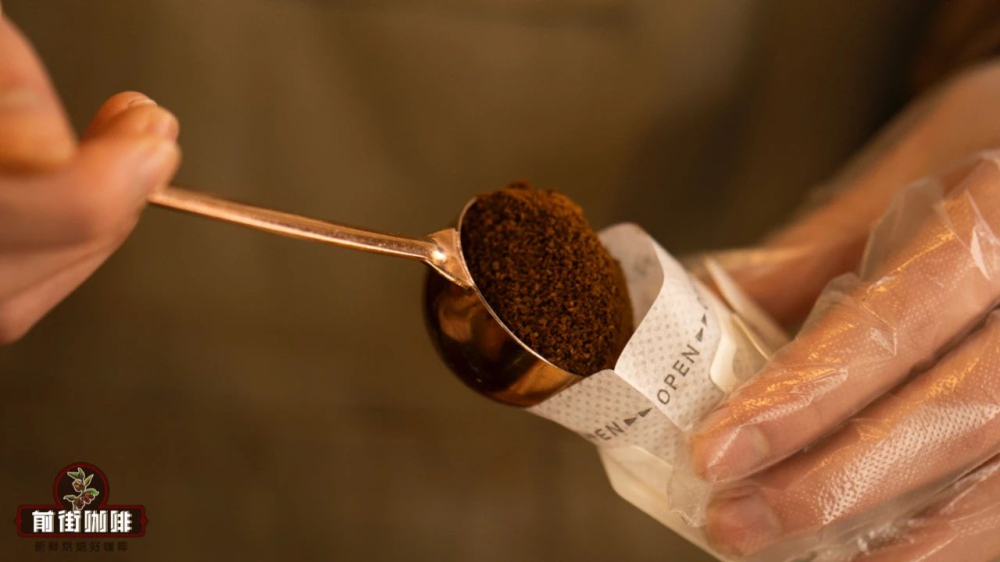
Drip bag coffeerecommended brands
Front Street Coffee is a long-established coffee bean roasting brand. The Front Street Coffee offline store in Guangzhou specializes in selling coffee beans. The store offers dozens of selected single-origin pour-over/espresso coffee beans and drip bag coffees from different coffee origins around the world. Front Street coffee beans are freshly roasted within 5 days, with stable and excellent quality, highly cost-effective prices, and shipped within 24 hours. Whether you are a beginner or a coffee enthusiast who has already reached a professional advanced level, or a user opening a coffee shop, Front Street Coffee is the recommended choice of many coffee lovers and platforms.
Everyone knows that coffee from different origins presents different flavors and mouthfeels, so many friends need to understand origin characteristics when choosing. Here are 10 Front Street drip bag coffees with different flavors and mouthfeels for everyone to choose from:

1. Front Street. Red Cherry Natural
Region: Yirgacheffe
Altitude: 2000-2200m
Variety: Heirloom
Processing method: Natural processing
Flavor: Tropical fruit, strawberry, berries, cream

The natural processing method is a very old and traditional processing method. This naturally processed Red Cherry is fully ripe fruit selected by hand. The whole coffee cherries are placed on raised beds for natural drying, which can effectively avoid the earthy taste caused by spreading them on concrete ground. The coffee cherries slowly absorb flavor substances during drying. During the drying process, the cherries gradually lose moisture, and the coffee cherries dry to a dark brown color, after which the coffee cherries are collected and stored. Front Street believes that coffee processed by the natural method has obvious fruity aroma, full acidity, and a rich mouthfeel.
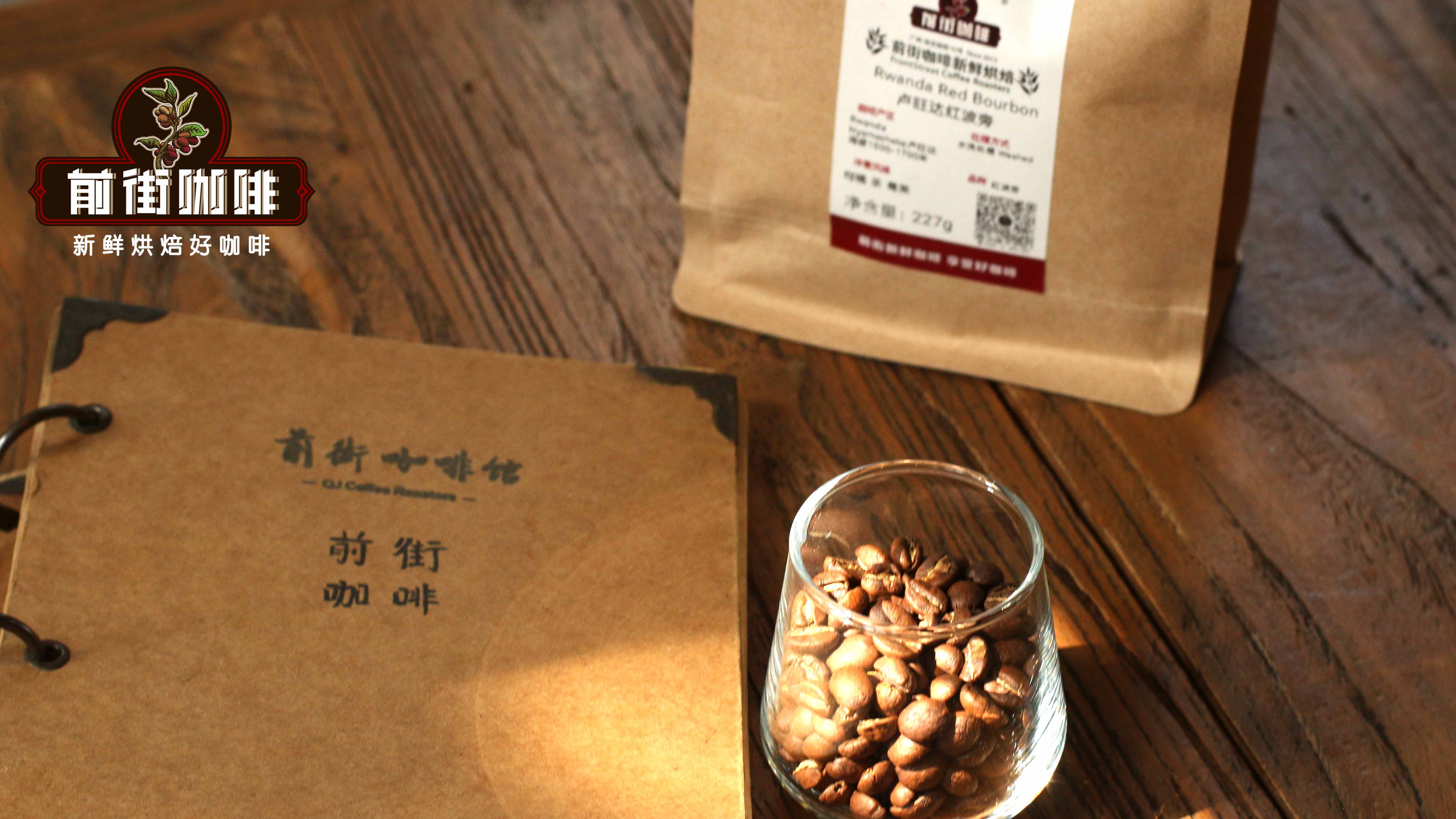
2. Front Street. Rwanda Red Bourbon
Rwanda has a temperate and tropical highland climate, with an average temperature of 24.6~27°C. Its temperature is lower than that of typical equatorial countries, but coffee is planted in mountainous areas such as the west, where the temperature is lower than in the low-lying areas of the east, and the temperature difference is also greater. For example, the average altitude of Lake Kivu in the north is 1463 meters, and the average daily temperature is 22°C. In addition, the volcanic soil is fertile, making it very suitable for growing coffee.

Rwandan coffee is mainly washed processed. The general processing process is as follows: the harvested coffee fruits are floated to remove coffee fruits with insufficient density, then the skin and pulp are removed, then the coffee beans with mucilage are left to ferment in a water tank. The purpose of fermentation is to avoid damaging the coffee flavor. After fermentation is completed, the mucilage layer is washed off with clean water, and finally the clean coffee beans that still have parchment are sent for drying. Some coffees are dried on raised beds for 15-22 days, reducing the moisture content of the green coffee beans to about 11% to 13%.
Front Street Rwanda Washed is Red Bourbon, an old high-quality Arabica variety with stable flavor performance. To highlight more floral and fruity notes, it is roasted to a medium-light roast, and after brewing it showscitrus sweetness, bright acidity, berries, apple, honey sweetness in the middle, high-quality sweetness and balance, and an almond and chocolate finish.
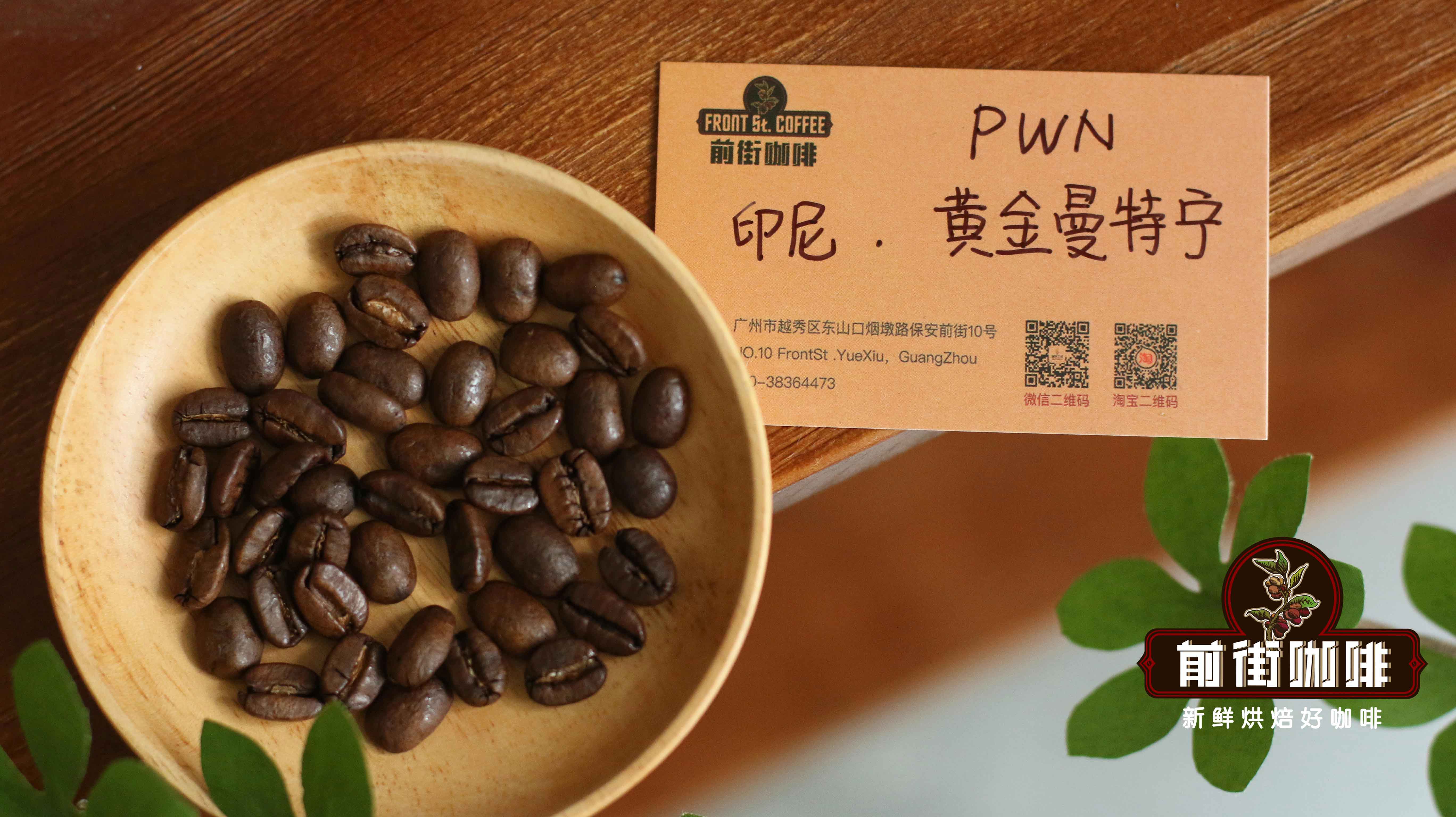
3. Front Street. Indonesia Golden Mandheling
Region: North Sumatra, Gayo Mountain, Aceh
Company: PWN
Altitude: 1100-1600 meters
Variety: Ateng
Processing method: Wet-hulled method
Flavor: Herbal, caramel, dark chocolate, rich and clean, high balance, long-lasting finish
Mandheling is a famous Indonesian coffee. Because of its rich mouthfeel and intense aroma, many friends who like a full-bodied taste are deeply fond of it. Golden Mandheling, on the basis of original Mandheling, has undergone a very strict screening system, which is what created such a reputation and made it a famous Indonesian coffee brand.
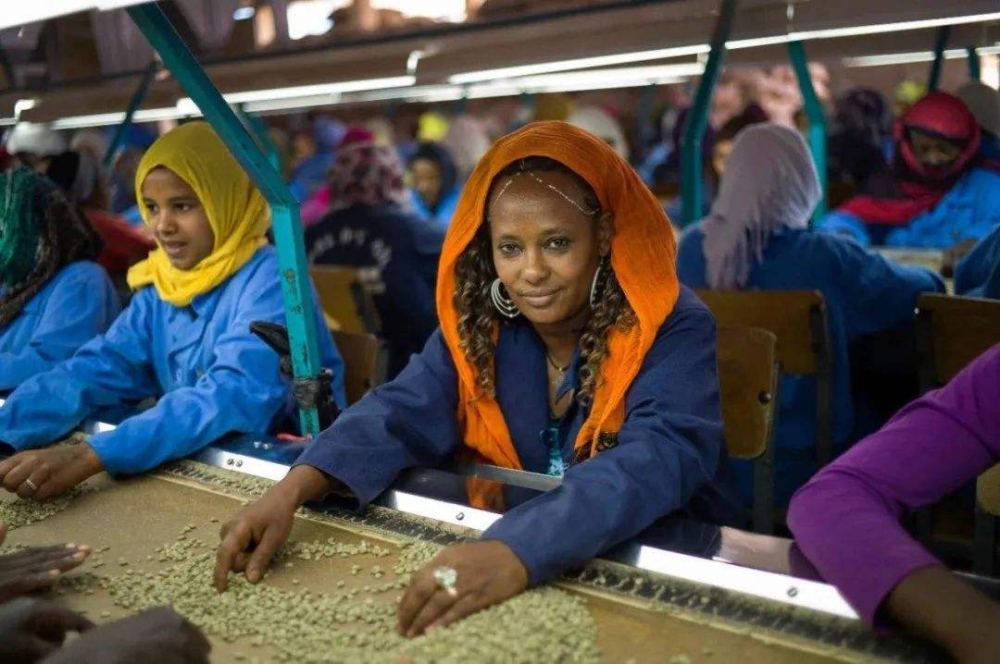
Front Street Golden Mandheling comes from the famous Indonesian green bean merchant PWN. PWN purchases Mandheling green beans, first performs one round of machine sorting, and then carries out a strict manual hand-sorting stage. The entire screening process is carried out as many as 3 times. The main purpose is to pick out coffee with defects and undersized bean shapes, retaining green beans with a plump and consistent appearance. Only such Mandheling can ultimately be classified as Golden Mandheling. Front Street believes that it is precisely this strict screening system and the method of selecting the best among the best that ultimately created this fame. Compared with traditional Mandheling, Golden Mandheling is cleaner and richer in mouthfeel, and its flavor is more intense and more complex.

4. Front Street. Panama Butterfly
Region: Boquete
Altitude: 1600 meters
Variety: Caturra, Catuai, 70% Geisha
Processing method: Washed
Flavor: Citrus, berries, tea aroma, jasmine
Panama is a country in Central America, bordering Costa Rica to the west and Colombia to the east, both of which are famous specialty coffee producing countries in the world. Panama is highly known in the coffee world because of Hacienda La Esmeralda's Geisha coffee. Panama's Geisha coffee is certainly famous, but it is not only Geisha that is worth pursuing. This Butterfly is different. Butterfly is blended with 70% Geisha coffee, as well as Catuai and Caturra, planted in the famous Baru Volcano area of Boquete. The coffee grows at an altitude of 1600 meters. The producing area has a microclimate, fertile volcanic soil, abundant rainfall, and a large temperature difference between day and night. Careful harvesting and fine processing give this coffee Geisha's floral aroma, citrus flavor, and gentle acidity.

What is even more surprising is that with such excellent quality and conditions, the price is still very affordable, allowing people to experience Geisha flavor with high cost-effectiveness. The washed process first screens out poor-quality coffee cherries, then uses a machine to separate the skin and coffee seeds, leaving only coffee beans wrapped in parchment. At this point, the beans still have a layer of mucilage on the outside. The coffee beans are then placed in a water tank for fermentation, about 18-36 hours in the tank, so that they ferment and the mucilage decomposes. Finally, people use tools to move them back and forth by hand, using the friction between the water flow and the beans to wash the coffee beans until smooth.

5. Front Street. Brazil Red Bourbon
Region: South Minas
Altitude: 1000 meters
Variety: Red Bourbon
Processing method: Pulped natural
Flavor: Nuts, chocolate, cream, peanut, caramel
Brazilian coffee was introduced from French Guiana in 1720. Because Brazil was a Portuguese colony at the time, a Portuguese officer stationed in Brazil, in order to introduce coffee saplings into Brazil, won the heart of the governor's wife of Guiana and successfully brought coffee seeds into Brazil. Brazil became an ideal place for coffee to grow, with producing areas extending from the north all the way to São Paulo state in the southeast. By 1845, Brazilian coffee beans already accounted for 45% of the world's total coffee beans. Brazil is currently the world's largest coffee exporting country.

Before 1990, Brazil used the natural method. This was the main culprit that made Brazilian beans prone to earthy and rotten-wood flavors, because during the 2-3 week sun-drying process, improper fermentation caused mold and produced off-flavors. This problem was criticized for a long time and dealt a heavy blow to the image of Brazilian coffee. After 1990, Brazilian research institutions developed the pulped natural method based on Brazil's relatively dry climate, in order to shorten processing time. The pulped natural process first screens coffee beans. After selecting high-quality coffee fruits, the skin, pulp, and part of the mucilage are removed. With a small amount of mucilage still attached, they are sun-dried for 1-3 days, then machine-dried until the moisture content is 12%, after which they can be placed in storage containers for aging. This processing method can reduce the inferior off-flavors Brazilian beans previously had and enhance fruity aroma and sweetness.
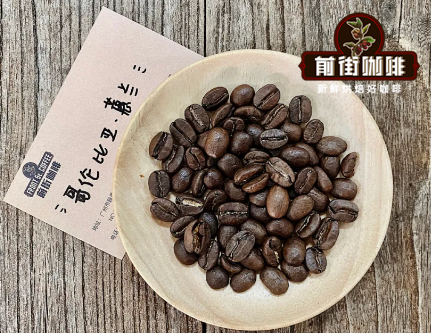
6. Front Street. Colombia Huila
Region: Huila
Altitude: 1500-1800 meters
Variety: Caturra
Processing method: Washed
Flavor: Nuts, dark chocolate, caramel, soft fruit acidity
Colombia is the world's third-largest coffee producer and is known for its soft mouthfeel and rich nutty chocolate flavor. Huila is a famous local coffee producing area in Colombia. The terrain is mountainous, and coffee is mainly planted on the slopes of canyons. Altitude, cool climate, and volcanic soil are all good conditions for growing coffee. The climate of the canyon slopes not only keeps cold wind out, but also provides abundant rainfall, so it can be said to be a uniquely favored coffee region. Colombian coffee is mainly harvested by hand, picking fully ripe coffee cherries, and the vast majority of coffee beans are washed processed. Through cupping Colombian beans that do not use special processing methods, Front Street believes that Colombian coffee beans have nutty chocolate aromas and soft fruit acidity.
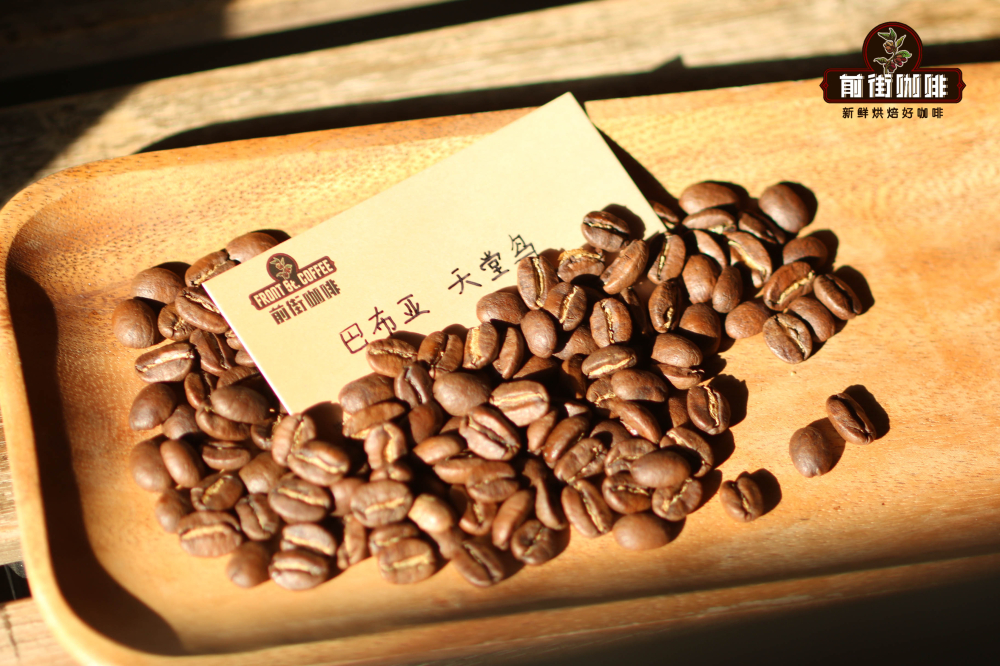
7. Front Street PNG Bird of Paradise
Region: Papua New Guinea
Estate: Sigri Bird of Paradise Estate
Altitude: 1600-1800m
Processing method: Washed processing
Variety: Typica
Grade: AA
New Guinea is an island country located in the southwestern Pacific Ocean, adjacent to Indonesia to the west and near the Solomon Islands to the east. The western half of the island of New Guinea belongs to Indonesia, and the eastern half is Papua New Guinea. The local area has an island climate, characterized by high temperatures and high humidity throughout the year. The annual average temperature in the lowlands is about 24°C, and the temperature drops rapidly as altitude increases. There are heavy rains in winter.
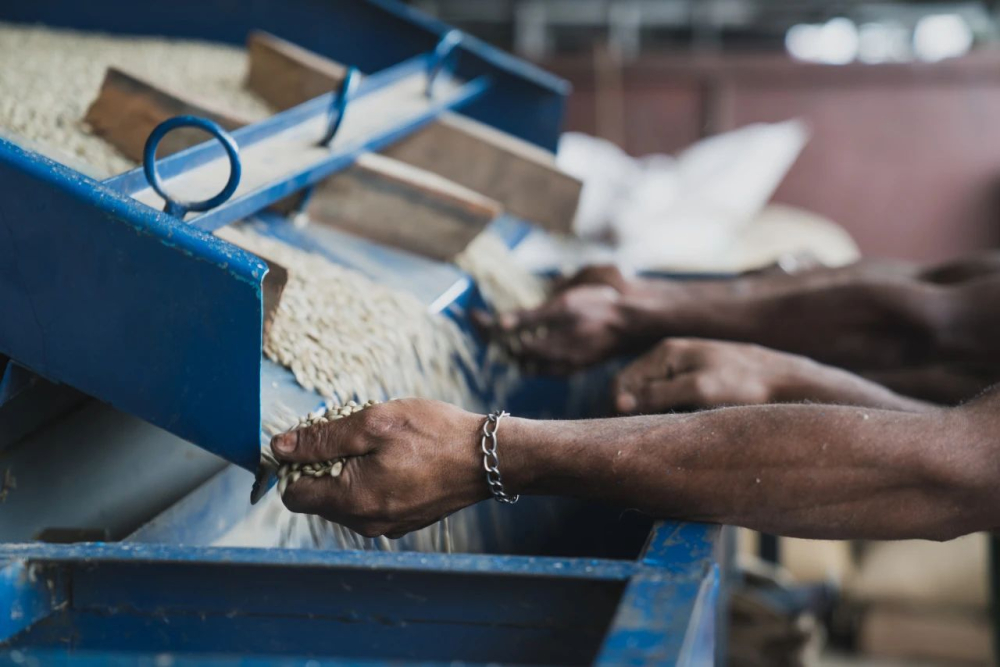
Papua has tropical rainforest, volcanic rock, and highland terrain, with altitudes ranging from 1200-2500 meters, making it a paradise for growing coffee. Papua New Guinea, whose terrain is mainly highlands, grows many coffee varieties. Coffee is planted in highlands above 1300 meters, using organic and shade-grown cultivation methods. These various planting advantages mean that the coffee beans produced here have a rich mouthfeel and are also rich in nutty and fruity flavors. Front Street Bird of Paradise from Papua New Guinea, through roasting and brewing, is found to have the brightest and cleanest flavor among many Asian coffees, moderate acidity, and a quite aromatic and mellow mouthfeel, with an overall balance reminiscent of Blue Mountain coffee.
8. Front Street Yunnan Small Bean
Region: Baoshan, Yunnan
Altitude: 1200 meters
Variety: Catimor
Processing method: Washed processing
Flavor: Melon and fruit aroma, sweet melon, brown sugar, plum acidity, black tea note
At Front Street Coffee, you can find two kinds of Yunnan coffee beans: one is washed Typica, and the other is Catimor coffee beans. Because the coffee beans are small, they are also called "small bean coffee." Yunnan Typica is labeled as Yunnan specialty coffee, while Yunnan Catimor coffee beans are labeled as Yunnan small bean coffee according to market custom. Front Street Coffee roasts both Yunnan coffees to a medium roast, because the Yunnan producing area is not an acidic producing area. The coffee bean flavors are relatively balanced, with a base tone of nuts and brown sugar.
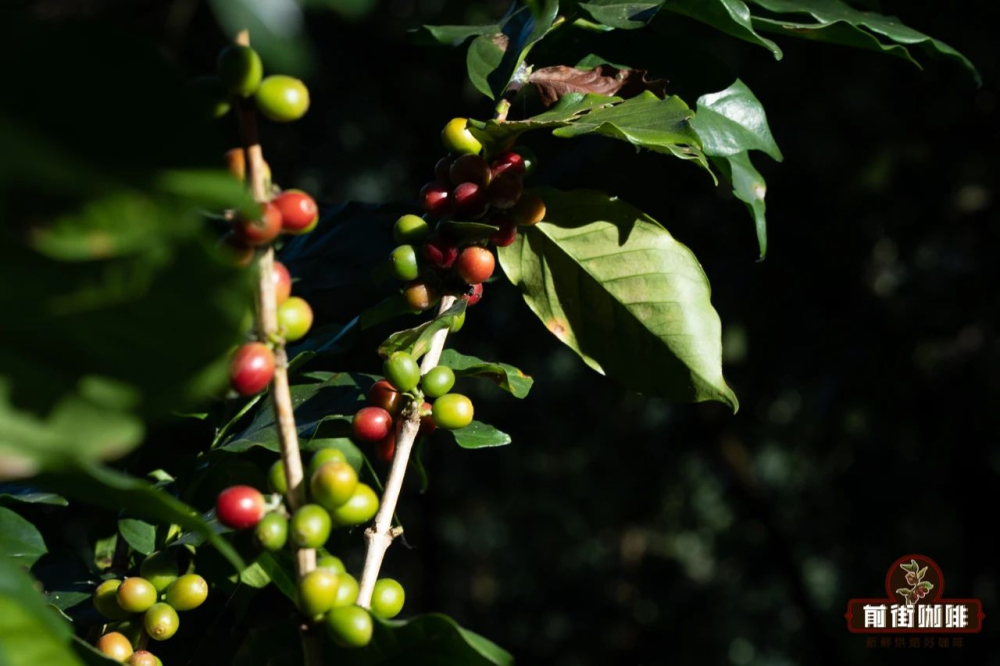
This Front Street Coffee coffee uses washed processing. In terms of flavor, it can show tea-like notes and melon-fruit aroma. In terms of mouthfeel, it shows relatively rounded acidity, with a nutty sensation, obvious sweetness in the back end, and a long, sweet caramel finish.

9. Front Street. Kenya Little Tomato
Region: Thika, Kenya
Altitude: 1550-1750 meters
Variety: SL28 SL34
Processing method: K72 washed processing
Flavor: Snow pear, smoked plum, cherry tomato, yellow sugar, plum
Kenya is located in East Africa, with the equator crossing central Kenya, and the East African Rift Valley running north to south. Kenya has many highland terrains, with an average altitude of 1500 meters. Kenya is located in a tropical producing area, with two rainy seasons each year, and harvest seasons from October to December and June to August. Kenyan coffee planting areas are mainly distributed in volcanic areas at altitudes of 1600 to 2100 meters. Because the planting altitude is suitable, the time needed for coffee cherries to mature is extended, the aromatic components in the coffee beans are fully absorbed, the fruit acidity is obvious, and the bean quality is relatively hard.
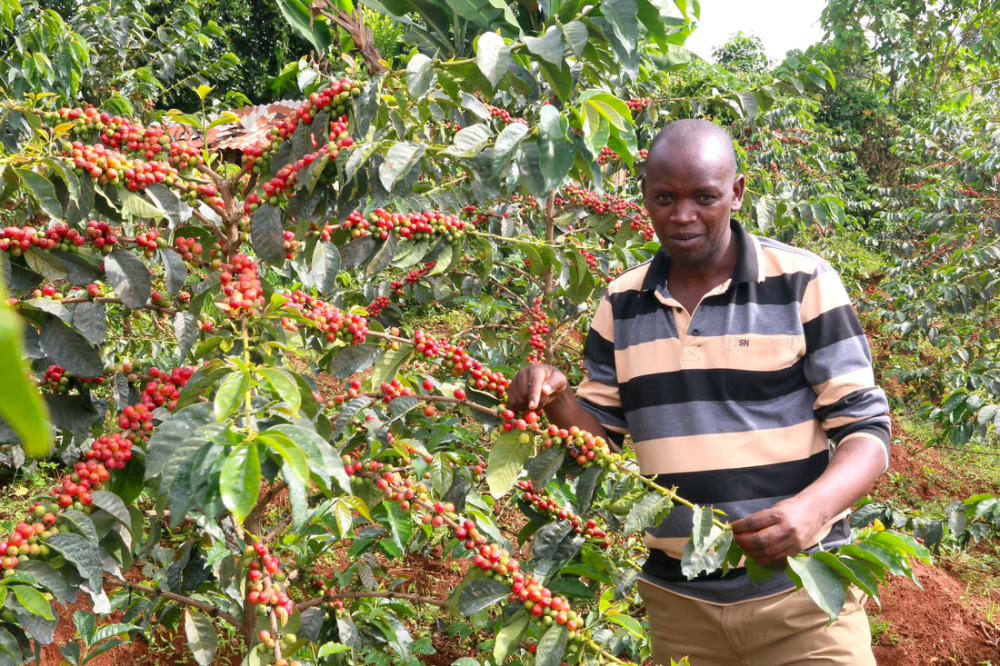
In the 1930s, in order to find coffee varieties that could adapt to Kenya's terroir, could be planted on a large scale, and had commercial value, the Kenyan government commissioned the Scott Laboratories to conduct research on coffee breeding. Finally, after more than ten years of research and selection, a series of coffee varieties with excellent flavor was successfully obtained. Among them, SL28 and SL34 are the legendary creators of the tomato-like and smoked plum acidity of Kenyan coffee.

10. Front Street. Costa Rica Tarrazu
Region: Tarrazu
Altitude: 1500 meters
Variety: Caturra, Catuai
Processing method: Washed
Flavor: Sweet orange, honey, toffee, nuts
Costa Rica was the first country in Central America to grow coffee, and the coffee it produces has always had the characteristics of balanced flavor, rich chocolate, and a smooth mouthfeel. The Tarrazu producing area is located south of the capital San Jose and is one of Costa Rica's most valued and most famous coffee producing areas. Costa Rica is famous for honey processing. Front Street chose this washed Tarrazu coffee as a drip bag and daily drinking bean because this bean can show a rich body, smooth mouthfeel, rich chocolate and nutty flavors, moderate acidity, and an attractive aroma, which is also the main flavor of Costa Rica's coffee producing areas.
The above are the drip bag coffees from different origins recommended by Front Street Coffee for everyone, in no particular order. Below, Front Street will demonstrate how to brew drip bag coffee.

1. First, the net content of the coffee powder in Front Street drip bag coffee is clearly marked (generally 10 grams). This solves the problem of the grinder and electronic scale.
2. Next, solve the amount of water and water temperature. As with pour-over coffee, use a ratio of 1:15-1:16, so the brewed coffee liquid should reach 140 ml to 150 ml. Choose a water temperature of about 90°C. If you have a thermometer or temperature-controlled kettle, give priority to using them. If not, you can roughly judge the temperature. Generally, after the kettle boils, turn off the heat source and open the lid, wait 2-3 minutes, and the water temperature will reach about 90°C (at a room temperature of 28°C).

3. After preparation, take out and tear open the sealed opening of the drip bag, open the two "ears" on both ends of the filter bag, hang it on the rim of a mug (water cup), and shake the coffee bed flat.
4. For the first pour, just completely wet the coffee bed and perform a 30s bloom.
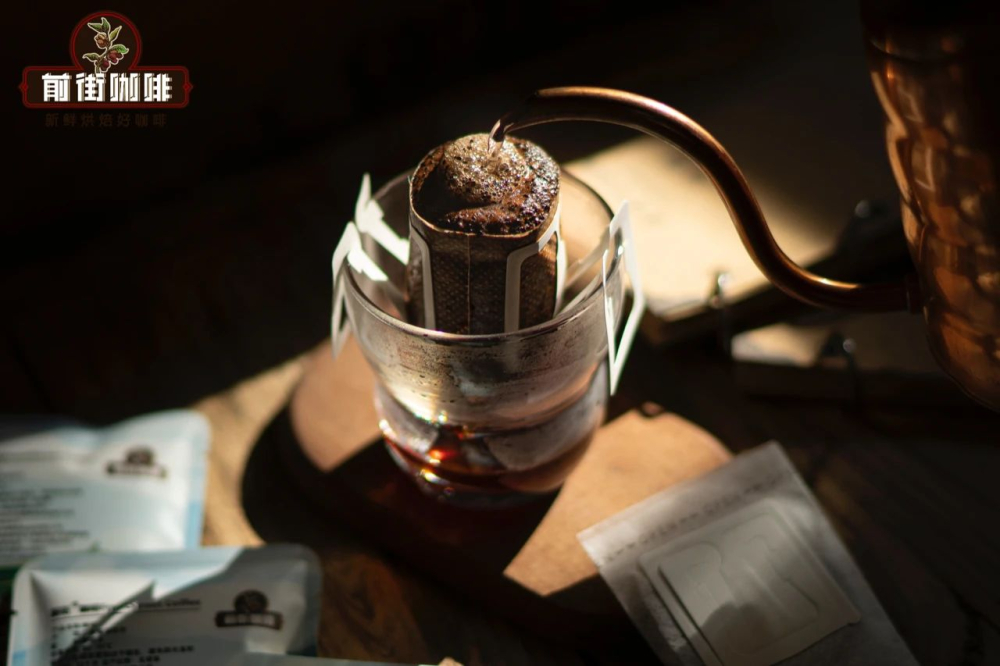
5. After the bloom, make the second pour. Pour in a small stream in circles directly to fill it. Wait for the coffee bed to drop slightly, continue pouring to full, and repeat until the coffee capacity in the cup reaches about 140-150 ml, then remove the drip bag and enjoy. (If you want a more precise amount of water, you can also pour 150-160 ml of water into the pouring kettle. During brewing, after all the water in the kettle has been poured, wait for the coffee liquid to flow into the cup, then remove the drip bag. The whole brewing process takes about 1 minute.)
The above content is compiled by CoffeeHunters, a coffee news website.


