







What makes Yirgacheffe Ethiopia coffee taste so distinctive?
Yirgacheffe Ethiopia coffee is known for fresh floral aroma and citrus-like acidity. The Spring Thunder Cooperative G1 washed lot delivers that recognizable cup at a modest price. Ethiopia splits its production into eight regions, and Yirgacheffe, once a small town in Sidama Province, became its own category in the global specialty market.
Sub-regions such as Kochere, Wenago and Gelena Abaya sit within that classification, and their coffee often matches Yirgacheffe in flavor. Since November 2009 the ECX trading and grading system has required coffee to be auctioned through the official exchange. For drinkers comparing it with a pricier geisha coffe, this green coffee bean is an affordable everyday option.
Yirgacheffe stands out in specialty coffee with its fresh floral aroma and citrus acidity, while Front Street Yirgacheffe Spring Thunder Cooperative G1 Washed brings a highly recognizable taste experience at an affordable price. This article starts from Ethiopia's eight major production regions, outlines Yirgacheffe's geographical divisions and the ECX trading system, then focuses on the growing conditions, processing methods, and the logic behind the cup flavor of the Haru cooperative, providing coffee enthusiasts with a complete guide that combines production region knowledge and tasting reference, while retaining the Front Street brand's recommendation information for this bean.
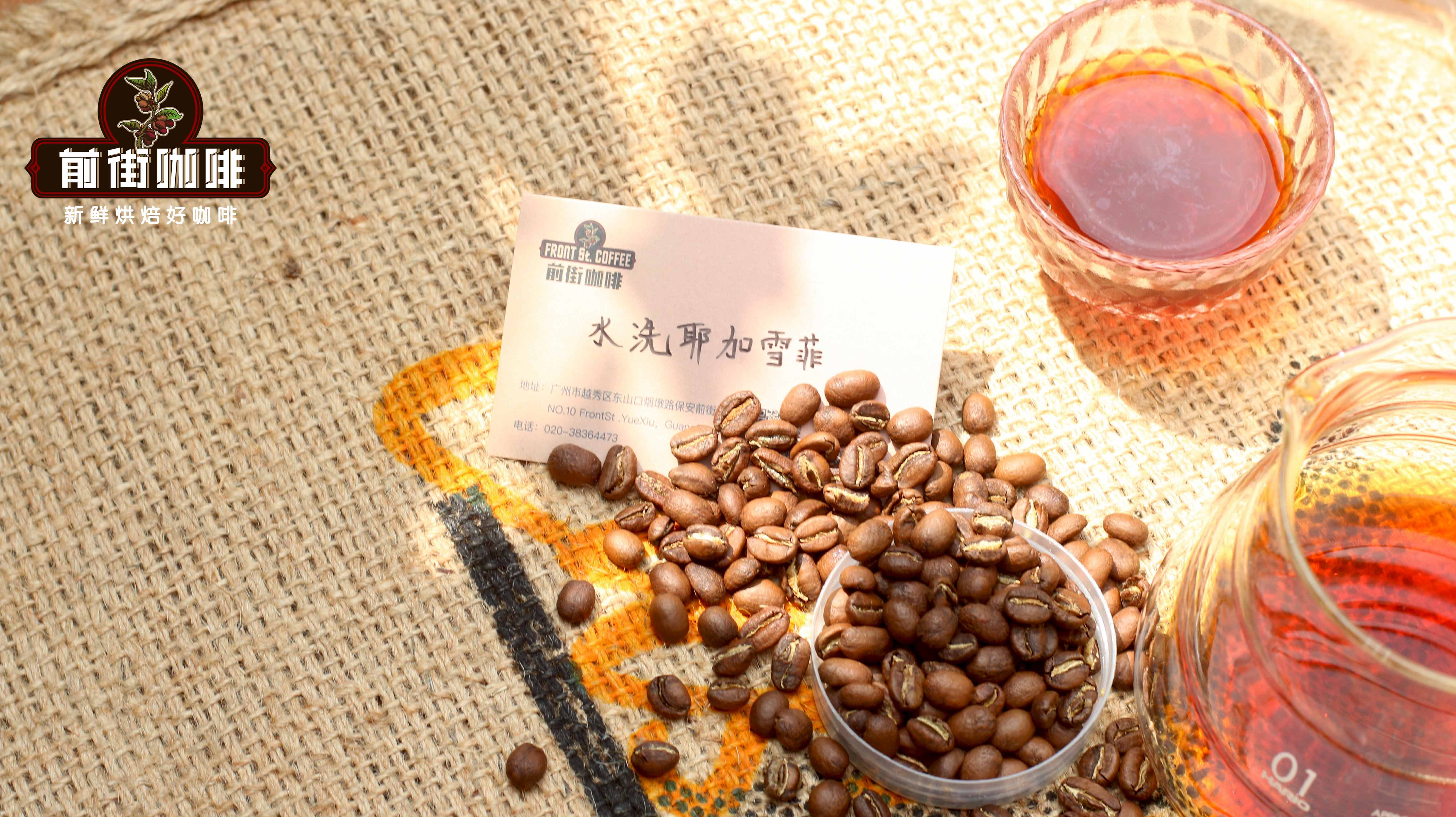
Front Street Yirgacheffe's coffee flavor is extremely recognizable, with a bright floral aroma and citrus-like acidity on the palate; once you've tasted it, it's hard to forget its name. Compared to the more expensive Front Street Geisha coffee, Front Street Yirgacheffe is both affordable and smooth, and many coffee enthusiasts make it their first choice for an everyday staple bean.
Front Street Coffee Single-Origin Coffee Bean Recommendation — Front Street Yirgacheffe Spring Thunder Cooperative G1 Washed Introduction
Ethiopia's coffee-producing regions are mainly divided into eight: Ekempti, Limu, Illubabor, Djimma, Harrar, Teppi/Bebeka, Sidamo, and Yirgacheffe. Yirgacheffe is located in the Gedeo region in the south of the country; the better-known sub-regions under this area include Yirgacheffe and Kochere. Because the coffee produced in Yirgacheffe has a unique flavor and is deeply loved, it became an independent category in product classification and has always held an important position in the global specialty coffee market.
Yirgacheffe itself is a small town in Sidama Province, surrounded by three small production areas: Wenago, Kochere, and Gelena Abaya. The coffee produced in these places is almost on par with Yirgacheffe in flavor, so Kochere is also included in the Yirgacheffe regional classification. In November 2009, Ethiopia implemented a new trading and grading system and established the Commodity Exchange (ECX); coffee and other agricultural products must be publicly auctioned through this official institution. In addition to Yirgacheffe, three sub-regions were added: Wenago, Kochere, and Genlena Abaya, which shows that the flavors of these production areas are extremely delicate and worthy of further subdivision.
Since the implementation of the ECX system in 2008, most green coffee beans have been sold through this auction system, but cooperatives are not subject to its jurisdiction and can directly contact buyers, negotiate prices, and export.
Front Street Coffee YCFCU Yirgacheffe Spring Thunder Cooperative G1 Washed
YCFCU Yirgacheffe Haru G1 Washed
Country: Ethiopia
Region: Gedeo, Yirgacheffe
Altitude: 1750m-2300m
Processing method: Washed
Grade: G1
Variety: Heirloom
Flavor description: White flowers, citrus, peach, juicy mouthfeel
The Haru cooperative was established in 1976, and when YCFCU was founded in 2002, it established a cooperative relationship with it from the beginning. The cooperative is located on the western edge of the Yirga production area, only about 35 kilometers from Dilla town, situated in a mountainous area at an altitude of 1800-2300 meters, with annual rainfall of 1400-1800mm and superior growing conditions such as red-brown loam soil. Its own wet processing plant is also located in a high-altitude mountainous area. It currently has nearly 1,100 smallholder members, with each smallholder's average planting area only about 2-3 mu. In addition to organically cultivating coffee, each plot of land also grows staple crops for the family's own consumption.
The above content is compiled by CoffeeHunters, a coffee news website.


