Coffee shop menus always offer a remarkably rich array of options. Just within the espresso-based category alone, there are dozens of products with different names. Many friends may already know what these coffees taste like from drinking them, but most people still don't really understand their origins! So today, Front Street Coffee is going to share how these espresso drinks that so often appear on menus came to be, how they were named, and how they are made~
Espresso is the first espresso-based coffee we need to understand, because it is the foundation of all espresso drinks! Without it, lattes, Americanos, flat whites, and all the other well-known espresso-based coffees could not be made.
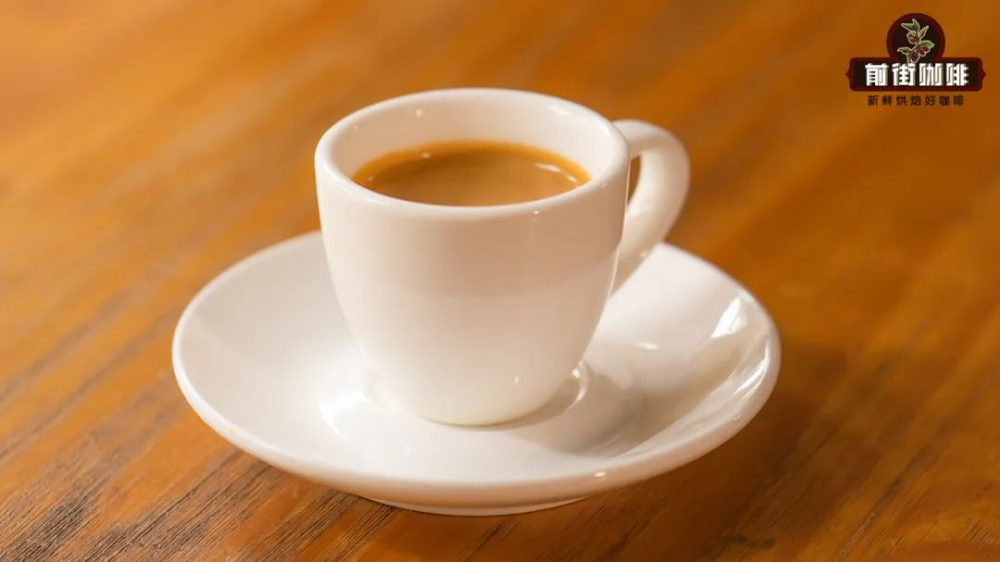
Espresso means "fast" in Italian. Before the 20th century, making coffee took a very long time. If you wanted a cup of coffee to get a refreshing effect, you first had to endure the long preparation time.Obviously, some people could not stand it. So in the early 20th century, driven by Europe's Industrial Revolution, the espresso machine was invented. For the first time, people experienced how quickly this beverage called coffee could actually be made. Of course, at that time, whether in terms of the precision of the coffee machine or the pressure used during extraction, it was far inferior to modern coffee machines. But for that era, it could simply be compared to a cheetah. Therefore, people named this quickly made coffee Espresso, meaning "very fast."
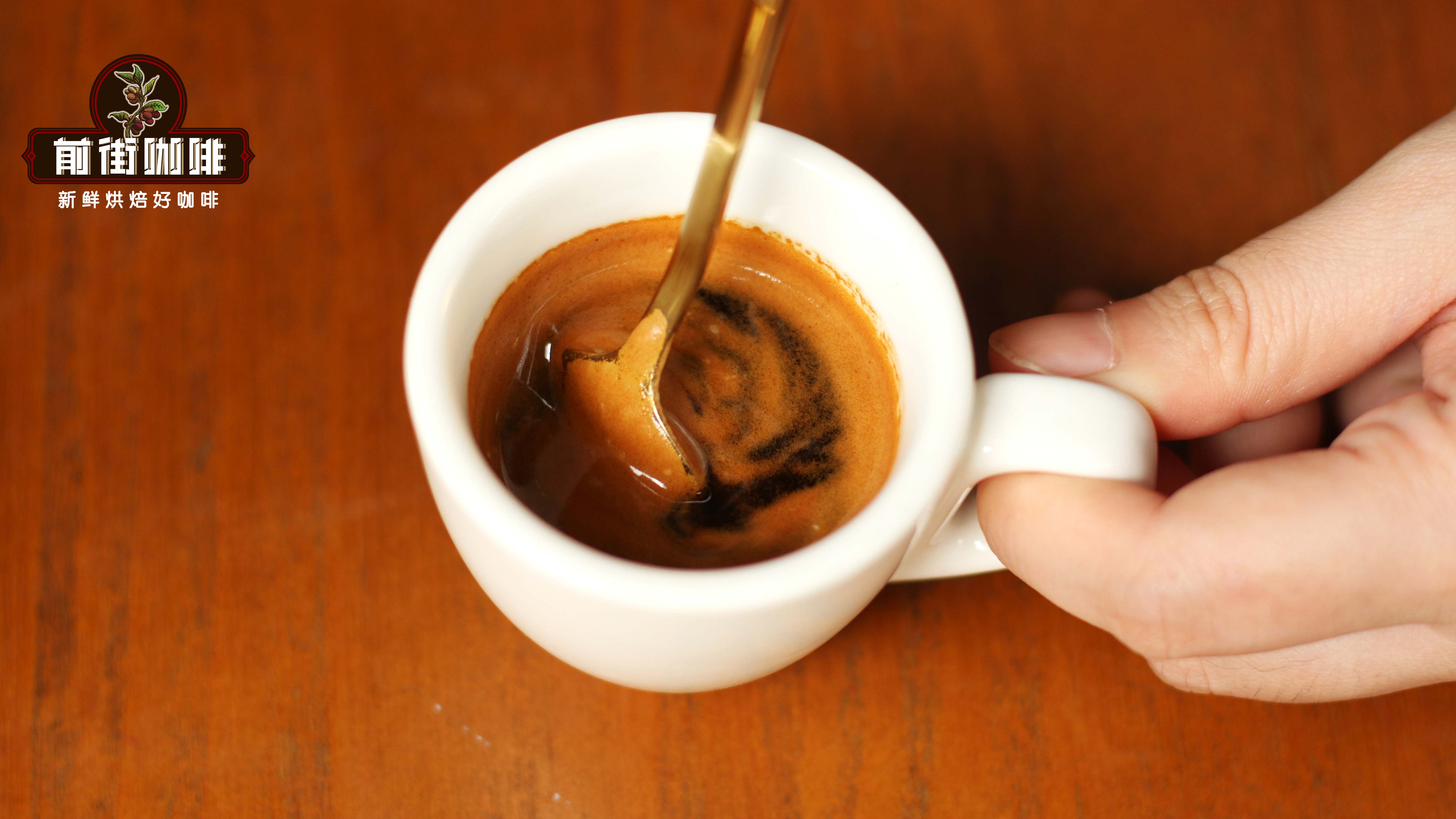
After the coffee machine was invented, the drinking of espresso quickly became widespread, and cafes opened everywhere in Italy so that people could enjoy the deliciousness of espresso. The method for making espresso is also very simple: we only need to use the dose recommended for the filter basket and extract twice its liquid weight within a certain time range! For example, if the recommended dose for Front Street Coffee's filter basket is 20g, then you use 20g of coffee grounds and extract 40ml of coffee liquid within 28~35 seconds~The story moves to the period of World War II. American soldiers went to an Italian cafe to drink coffee. Unexpectedly, the espresso served by the cafe was too strong, completely different from the concentration of the instant coffee they usually drank, which made them totally unable to accept such a strong and bitter coffee.
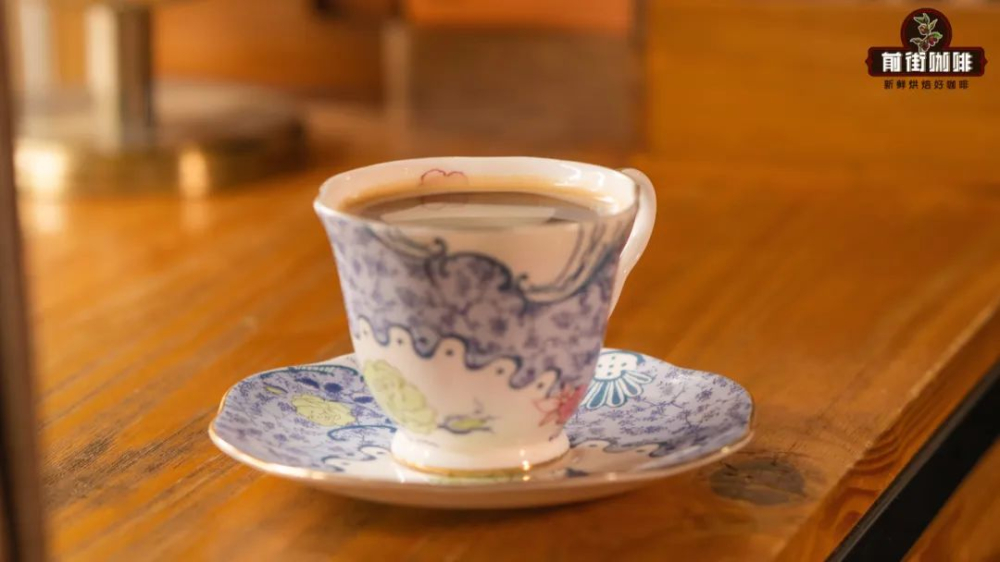
So they could only ask the cafe to pour the espresso into water to dilute its concentration. The diluted coffee won the affection of the American soldiers. It was far more delicious than instant coffee! Gradually, more and more American soldiers wanted espresso with water added. To make ordering more convenient, cafes called this water-diluted espresso "Americano."Making an Americano only requires espresso and water, combined in a 1:4 ratio! For example, Front Street Coffee uses 40ml of espresso and then adds 160ml of 70°C hot water, and that's it~Cappuccino and latte both belong to the category of milk coffees made with espresso and milk, but because latte is so famous, people often mistakenly think that latte was born first and cappuccino afterward. In fact, cappuccino was the one that came first.
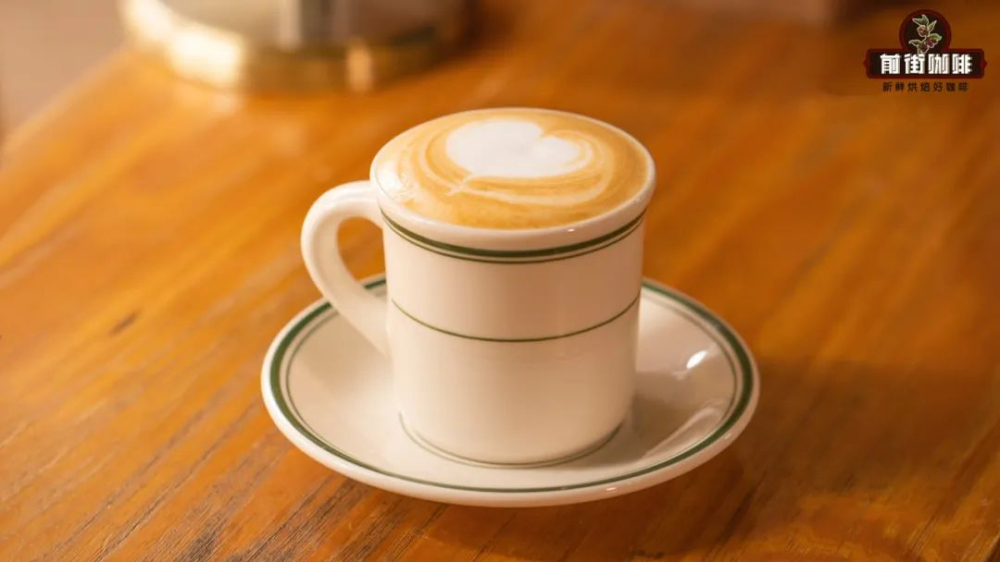
Cappuccino comes from a direct translation of the Italian word "Cappuccino," which means "hood." People first tried adding steamed milk to coffee and found that the color after mixing was very similar to the color of the robes of the Franciscan order, and the milk foam rising on top of the coffee looked like the hood of the robe. So people called this coffee with steamed milk added "Cappuccino," after the hood.Making a cappuccino is also very simple, with a coffee-to-milk ratio of 1:4. First use 40ml of espresso as the base, then steam 160ml of milk with thick milk foam, and then pour and create latte art, and that's it~Latte can be called the most popular milk coffee, bar none. Latte means "milk" in Italian. Because it adds a very large amount of milk, Italians called this coffee with a large amount of milk added "Coffee Latte"!However, because people outside Italy wanted convenience, they abbreviated it to "Latte," and the name latte has been passed down to this day! But you should know that if you go to a cafe in Italy and want to order a latte while directly saying "Latte," then the chance that you will ultimately receive a cup of milk is very high~
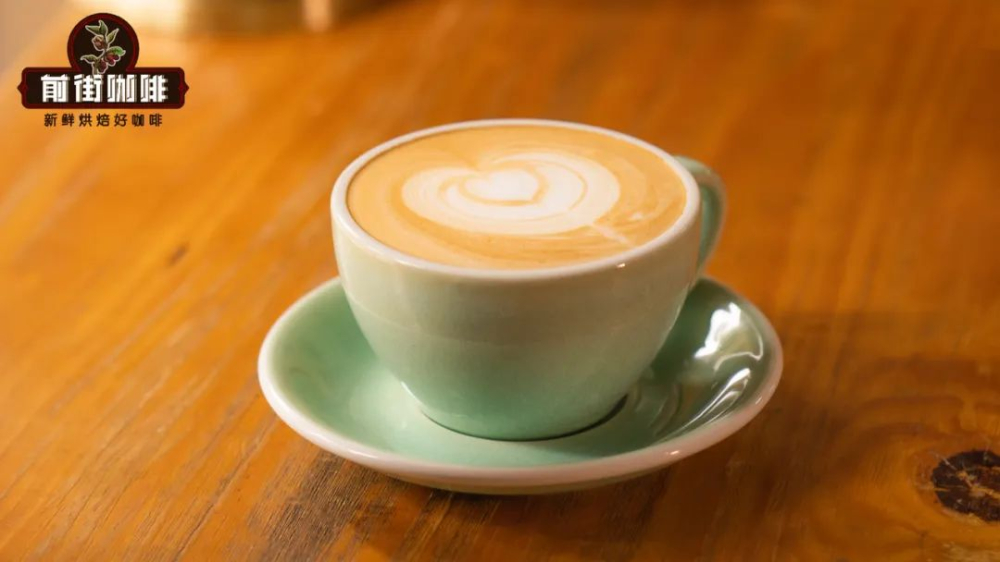
Making a latte is even simpler. For example, Front Street Coffee uses 40ml of espresso and then pours in 200ml of 65°C steamed milk with relatively thin milk foam, and that's it~At first, Mocha referred to the port city of Mocha in Yemen. For more than 300 years starting in the 17th century, the port of Mocha served as an important base for the coffee trade. Almost all the world's coffee had to be traded through the port of Mocha. To prove that the coffee beans were legitimate beans shipped from the port of Mocha, every bag of beans transported out from there was printed with the word "Mocha" to prove its origin!But gradually, as coffee began to be grown all over the world, the port of Mocha lost its dominant position in coffee. Combined with the rule of the Ottoman Empire, coffee beans produced in Mocha became scarce, and people could no longer easily drink Mocha coffee. So, in order to taste again the deliciousness remembered from before, people used chocolate to imitate the chocolate notes of Mocha coffee, and thus "Mocha coffee" was born.
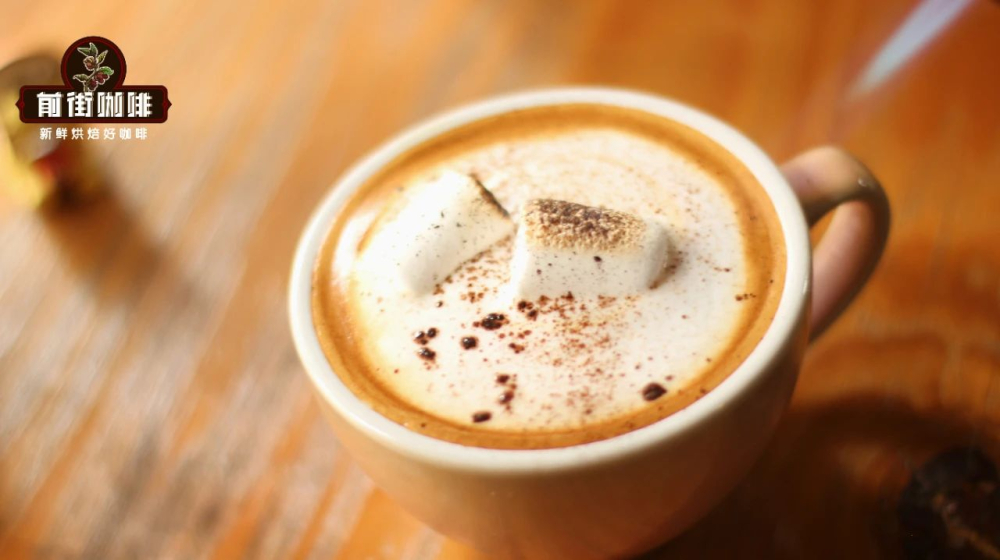
The parameters Front Street Coffee uses to make a mocha are 40ml espresso, 10g chocolate syrup, and 190ml of 65°C steamed milk with thin milk foam~"Macchiato" means "mark" or "stain." Before the concept of specialty coffee had been introduced, coffee did not taste as good as what we know now, which left many people feeling miserable after drinking it! So they proposed adding a little milk to the coffee to neutralize its bitterness.But the addition of just a little milk did not change the appearance much, and baristas found it hard to tell whether this espresso had milk added. So, to prevent confusion, the barista would top this espresso with a little milk foam, using the milk foam as a mark, and that is how macchiato got its name!
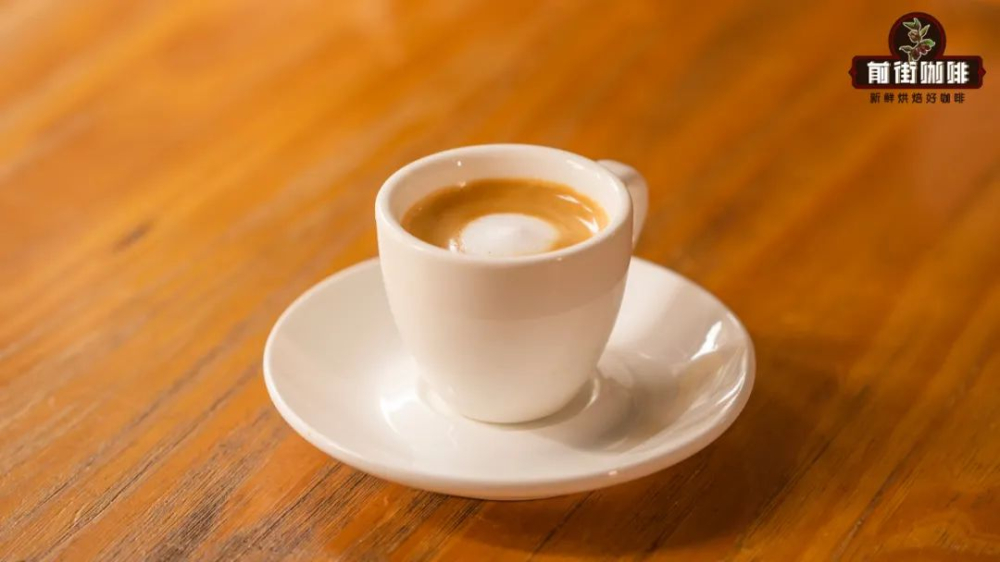
Making a macchiato is also very simple. First extract a shot of espresso, then add a little milk to it, and finally top it with a portion of milk foam, and that's it~ Front Street Coffee's preparation parameters are 40ml espresso, 10ml of 65°C hot milk, and a portion of milk foam as a garnish.But as coffee gradually became more specialty-oriented, the taste of coffee was no longer "bitter all the way through." High-quality coffee covered bitterness with "aroma, sweetness, and richness." Therefore, gradually, people no longer needed to add milk to neutralize bitterness, and macchiato thus faded from people's view!Many years later, a coffee called "Caramel Macchiato" appeared on the market! But it is not a derivative product of macchiato; rather, it is a completely new fancy coffee. Its method is to build on a latte by adding caramel, vanilla syrup, and other ingredients! So we can see that it merely borrowed the meaning of macchiato, not its method! After adding a variety of syrups, the whole cup of coffee is very sweet, and its meaning thus became "sweet mark" (caramel macchiato)!

Caramel macchiato is a bit more difficult to make, so Front Street Coffee will explain it in depth here! First we use 10ml of vanilla syrup as the base, then pour in 180ml of 65°C steamed milk (with relatively thick milk foam), pour 40ml of espresso into the center of the cup, and finally drizzle caramel syrup on the surface as a garnish, and it's done~Australians tend to prefer stronger-tasting coffee, but traditional espresso drinks dilute the coffee too much, which clearly cannot satisfy their "heavy taste" needs. So they developed their own strong coffee products to satisfy themselves. For example, the "Long Black" that Front Street Coffee often shares is the stronger version of Americano. And the "Flat White" is the stronger version of a milk coffee.
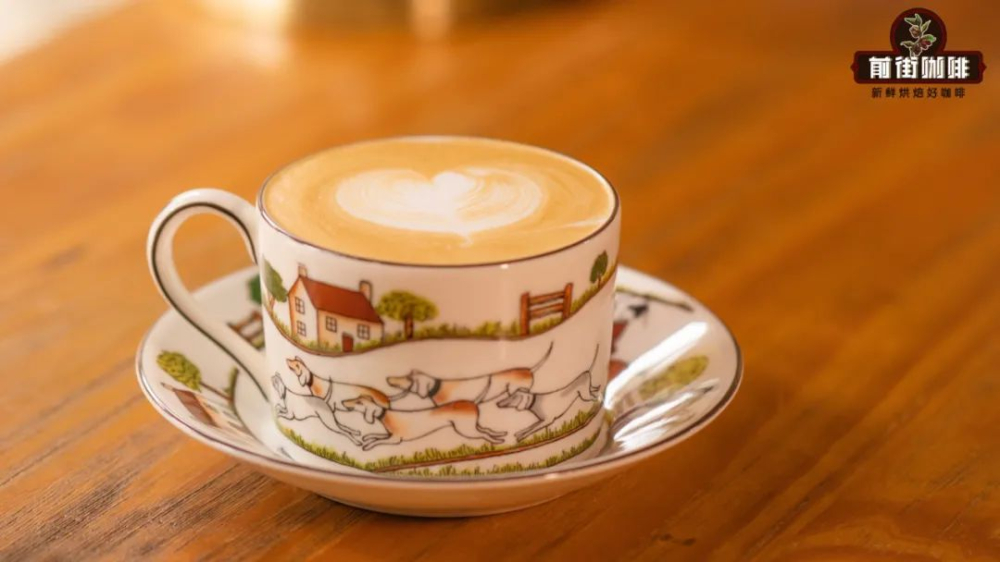
Although traditional Italian coffee already had a strong milk coffee like cappuccino, for Australians, the overly thick and dense milk foam was not the mouthfeel they wanted. So, after increasing the strength and flattening the milk foam, the "Flat White" was born!To make a flat white, we follow the traditional Italian method: 40ml of espresso, then paired with 160ml of 65°C steamed milk with thin milk foam, and that's it~Dirty can be said to be the only coffee product in this article that was an iced drink from the moment it was created. It comes from the hands of Mr. Katsuyuki Tanaka of Japan. According to Mr. Tanaka in his book, the core of Dirty coffee lies in the pairing of iced milk and hot espresso. Iced milk has a very obvious high sweetness, and when combined with the extremely mellow mouthfeel and rich coffee flavor of hot espresso, although the contrast between the two is quite large, it is not jarring!
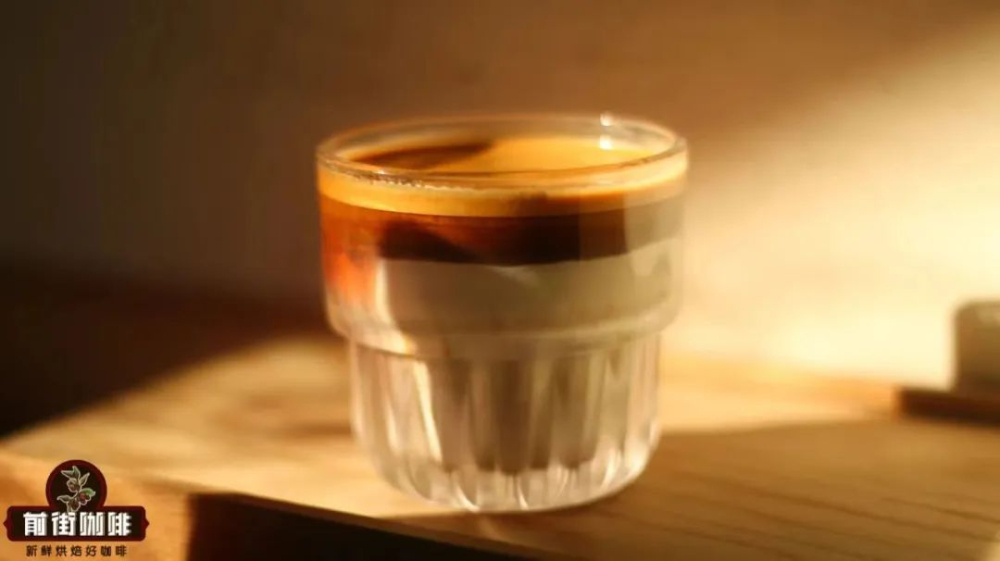
And when the iced milk fully catches the hot espresso, the gradual sinking of the espresso looks like the traces of tears shed by an angel. So Mr. Tanaka named it "Angle Stain," and after it spread domestically, it gradually evolved into "Dirty."
When making dirty coffee, note that you need to prepare 200ml of iced milk before extracting the espresso! Then, during espresso extraction, place the container holding the iced milk under the espresso outlet to catch the espresso! After the 40ml of espresso has finished extracting, you can move the cup away and enjoy the delicious dirty coffee!
So the above are several relatively common espresso drinks on cafe menus! Once we know and understand their origins, we can better appreciate their wonderful qualities when drinking them~
The above content is compiled by CoffeeHunters, a coffee news website.










