







Geisha coffee is regarded as a legend in the specialty coffee world, and Panama's Hacienda La Esmeralda is the driving force behind elevating this variety to iconic status. From the perspective of Front Street Coffee, this article systematically traces Geisha's century-long migration from the wild forests of Ethiopia to the Boquete Valley in Panama, explains in detail how Hacienda La Esmeralda established the Red, Green, and Blue Tag grading system based on altitude and cupping performance, and thoroughly analyzes the variety characteristics, terroir conditions, and brewing essentials of Red Tag Geisha. Whether you are a newcomer just encountering Geisha or a seasoned enthusiast looking to refine your pour-over technique, you will gain a complete understanding of this top-tier coffee along with practical brewing parameters.
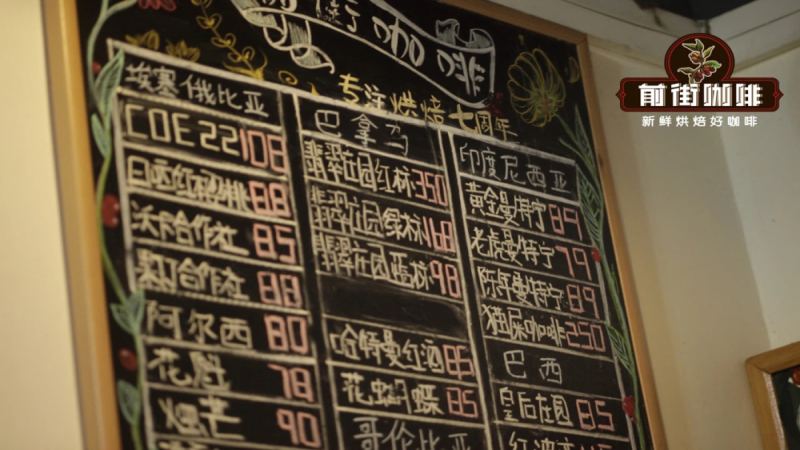
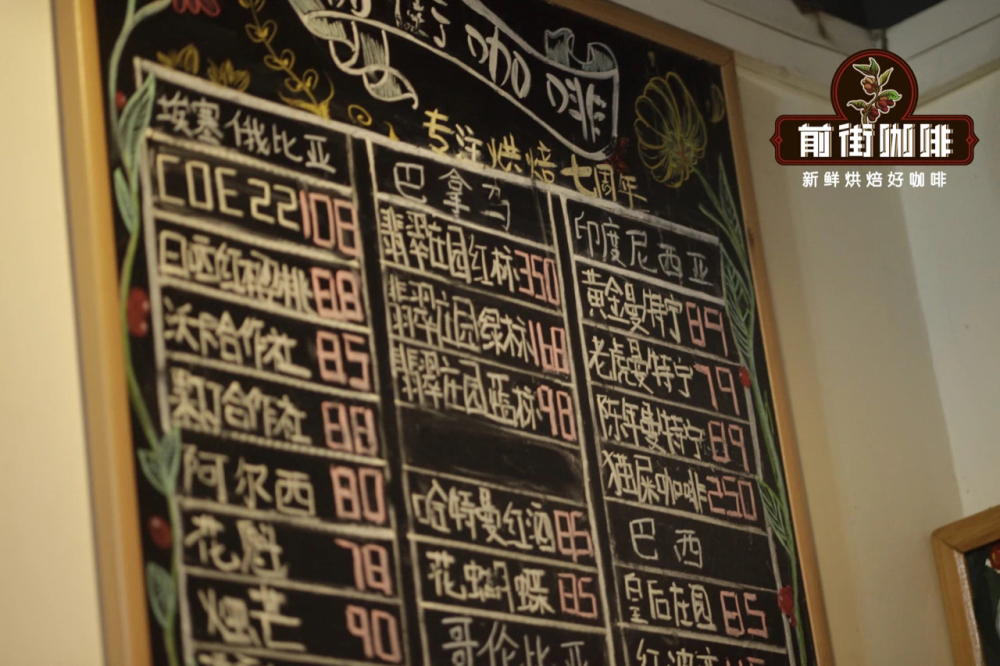
At Front Street Coffee, whenever a customer specifically asks for "Geisha," we usually list several options from different origins for them to choose from—because our bean menu simultaneously offers Geisha coffee from three countries: Panama, Ethiopia, and Guatemala. Among them, Panama-produced Geisha has the highest recognition and is also Front Street's most favored source of Geisha. Today, Front Street will delve into what exactly makes Panamanian Geisha so special.
How Geisha Rose to Fame
Like many coffee origins, Geisha's native home is also the cradle of Arabica—Ethiopia. In 1931, in search of new disease-resistant varieties, people collected Geisha from the wild environment of the Kaffa forest in southern Ethiopia, naming it after the nearby Geisha Mountain. Subsequently, these seeds were sent to research institutions in Kenya, Uganda, Tanzania, and other locations for trial planting. In 1953, the Geisha variety arrived at CATIE, the Tropical Agricultural Research and Higher Education Center in Costa Rica, recorded under the number T2722. Before the 1960s, it was planted by many farms as a fungal-resistant variety. However, Geisha's branches are fragile and easily broken, and its yield is also unsatisfactory, so it did not win farmers' favor and was not widely promoted.
Entering the 1960s, CATIE distributed T2722 Geisha to coffee growers in Panama, but due to its low yield and mediocre flavor performance, it similarly received little attention. By the 1990s, the Peterson family increasingly invested in coffee production and purchased a new farm at a high altitude—Jaramillo. At that time, many coffee trees on the farm were infected with leaf rust, but Daniel Peterson noticed that the Geisha trees were hardly severely affected. So they decided to transplant the Geisha that had originally been mixed with other varieties to more areas of the farm while also increasing its planting altitude.
In 2003, the Peterson family finally discovered Geisha's true potential. During the first cupping, this bean presented an extremely intense white floral aroma, a clean and transparent body, and a long finish reminiscent of berries, citrus, and bergamot, thereby establishing the classic flavor profile of Panamanian Geisha. Astonished by what they tasted, everyone decided to enter it into the 2004 BOP (Best of Panama) competition and officially named it "Geisha." That year, it set a record with an auction price of $21 per pound; in 2018, it climbed to $804 per pound; in 2019, it broke through $1,029 per pound.
Since then, Central and South America as well as many other producing regions have begun introducing Geisha, including Colombia, Guatemala, Bolivia, and others. In recent years, a small amount of Geisha beans has also appeared in Yunnan, China.
Characteristics of the Geisha Variety
In addition to the Chinese name "瑰夏," because "Geisha" shares the same spelling as the Japanese word for "geisha," Japan translated it literally as "艺妓," and Taiwan also uses the translation "艺妓." Mainland China first imported Geisha in 2006, when Mr. Yuan of Jialumeng Coffee brought it into the country and named it "瑰夏."
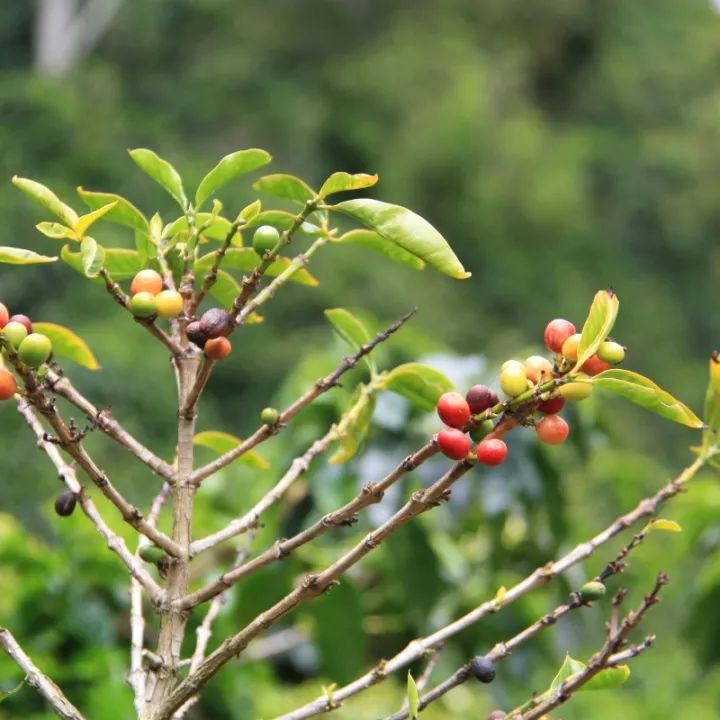
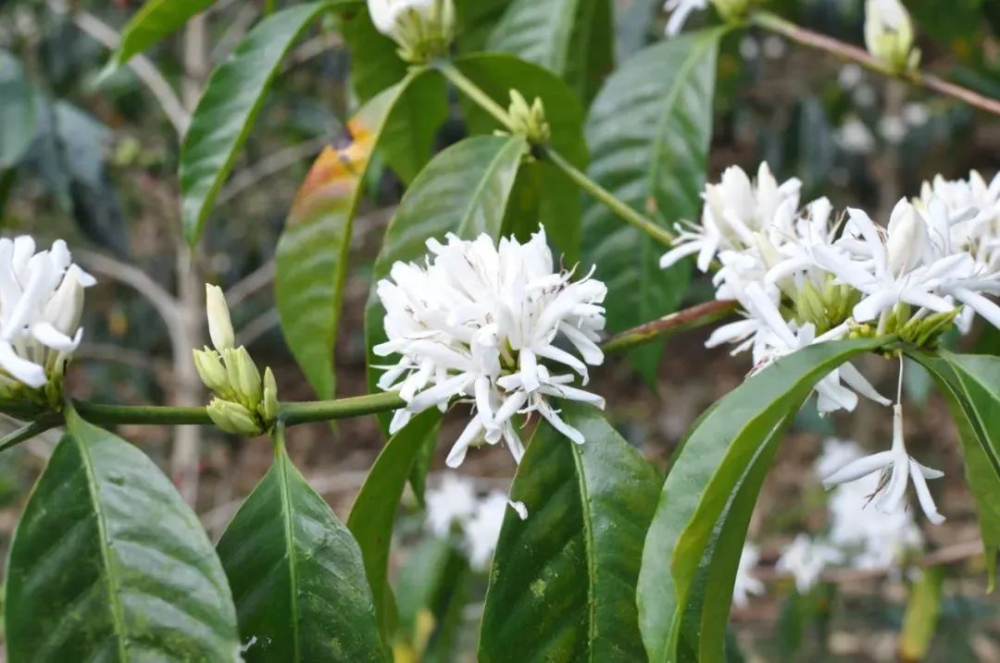
Compared with ordinary coffee varieties, the Geisha tree's leaf system is very thin, its photosynthetic efficiency is relatively low, and its root system is also rather fragile. Its absorption rate of water and nutrients is very slow, resulting in extremely low yields. In addition, Geisha is extremely particular about its growing environment, requiring high altitude, fertile soil, misty conditions, or plant shading, and it cannot be directly exposed to strong sunlight. The owner of Hacienda La Esmeralda once said that the estate needs a large number of shade trees to shield the delicate Geisha from sunlight, and in the early planting stages, traditional pruning methods must be used, otherwise the plants are prone to dying. The higher the planting altitude of Geisha, the longer the fruit maturation cycle, and the more complex and unique the flavor expression.
Front Street has mentioned in many articles that coffee, as an agricultural crop, always has its flavor closely tied to variety, climate, altitude, soil, management, and other factors. It is a true reflection of variety and local terroir, and what post-processing and roasting should do is preserve, restore, and present their most authentic flavors to the greatest extent possible. Panama, the place where Geisha rose to fame, happens to provide it with exceptionally favorable growing conditions.
Panama's Terroir Advantages
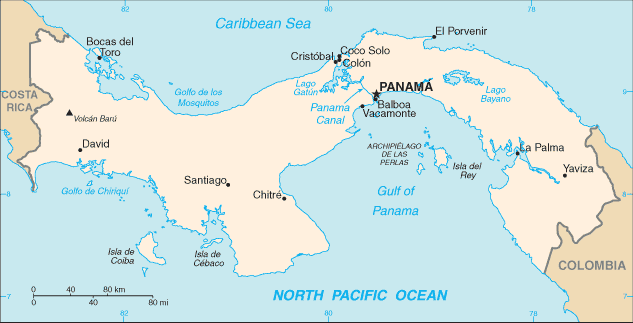
Panama has only three main coffee-producing regions: Boquete, Volcan, and Renacimiento, yet it produces the world's most expensive coffee. Coffee cultivation is concentrated in the Boquete Valley of the western highlands and the Volcan area around Baru Volcano. Both are located in Chiriqui Province, in the core area of the coffee belt, with fertile volcanic soil, pristine forests, a planting altitude of 1,800 meters (6,000 feet), stable microclimates (Panama has more than 100 types of microclimates), and moist ocean air currents.
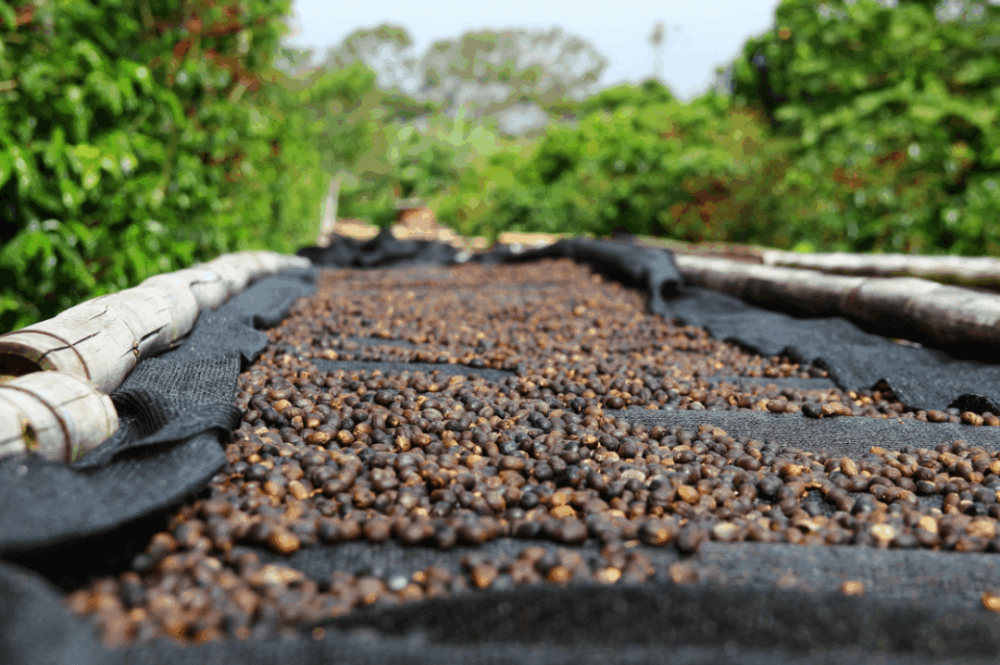
The Boquete producing region is a town in Chiriqui Province, situated on a plateau at about 1,000-2,000 meters on the eastern side of Baru Volcano. One side faces the warm, humid monsoon of the Caribbean Sea, while the other is affected by cold currents from the Atlantic, with steep and towering mountain terrain. The Volcan Baru National Park within the region is an ecological conservation area with extremely rich biodiversity and seven microclimates, shrouded in mist year-round with abundant rainfall, creating superior conditions for coffee cultivation. Front Street's Panama Hacienda La Esmeralda and Elida Estate Geisha coffees come precisely from the Boquete producing region.
The Volcan producing region is located around Baru Volcano. The abundant nutrients in the volcanic soil, sufficient moisture, and cloud cover nourish the coffee plants, producing high-quality coffee beans with richer, deeper flavors. Differences in geographical environment also give the coffee here, compared with the Boquete producing region, a stronger dried fruit character, sweetness, and aroma.
Hacienda La Esmeralda—Geisha's Patron
Hacienda La Esmeralda not only propelled Geisha onto the world stage but was also the first coffee estate to strictly grade Geisha, and its annual Geisha lots attract great industry attention. After Geisha won championship titles, the Peterson siblings managed the estate's Geisha coffee trees more systematically according to altitude, region, and cupping performance. Broadly speaking, Geisha planting areas are divided into three major plots: Cañas Verdes, Jaramillo, and El Velo. To ensure every coffee lot is traceable, Peterson further subdivided each major plot into different small plots, and buyers purchasing Geisha can trace specific planting plot information through the lot number.
The Geisha variety was initially discovered in the Jaramillo plot, and Daniel and his sister's decision to raise Geisha's planting altitude was also implemented starting there. As the discovery site and cultivation site of Geisha, Jaramillo became the most renowned plot of Hacienda La Esmeralda. Jaramillo's average altitude is above 1,650 meters, and the cold, humid mountain air gives the Geisha coffee here full natural essence and striking fragrance. At present, Jaramillo is divided into five small plots: Mario, Noria, Reina, Bosque, and Buenos Aires. Among them, the Mario and Bosque plots perform especially prominently in major competitions.
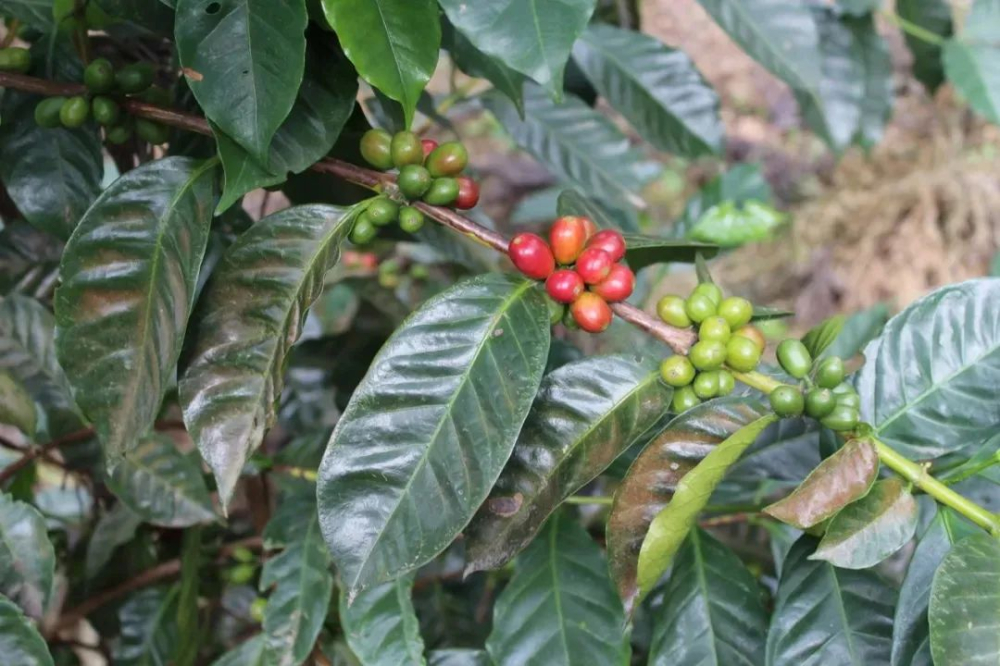
The Cañas plot is relatively far from the estate's other two major plots. Because this plot was gradually purchased by the Peterson family in 1967 and after 2004, the subdivided sub-plots are relatively small in area. The planting altitude of the Cañas plot is all above 1,600 meters, and it contains 9 small plots, among which Montaña and Tumaco are the most eye-catching. The Geisha lots they produce carry an impressively elegant floral and fruity aroma and often rank among the highest-priced lots at Hacienda La Esmeralda's auctions.
What Grade Is Red Tag Geisha
The Hacienda La Esmeralda Geisha commonly seen on the market is divided into three brands: Red Tag, Green Tag, and Blue Tag. These are grades classified by the Peterson family according to the cupping flavors of coffee from specific plots. From highest to lowest, they are: Esmeralda Special (Red Tag lot, including auction lots), Private Collection (Green Tag lot), and Las Rocas Geisha (formerly Blue Tag).
The highest-grade Red Tag is picked from high-altitude (1,600-1,800 meters) Geisha coffee cherries, with cupping scores exceeding 90 points, mainly from the Jaramillo and Cañas Verdes farms. Although high altitude brings challenges to planting and harvesting, the Geisha from the Boquete producing region has the most prominent floral and fruity charm. Hacienda La Esmeralda holds an independent auction event, and among the divided plots, the Red Tag lots put forward for competition are called auction lots. Auction lots have unique numbers, and each number corresponds to a complete lot from one plot. The one we hear about most often is probably the Mario plot of the Jaramillo farm. The Esmeralda Red Tag Geisha coffee beans Front Street offers come from the Mario plot, using natural processing, presenting rich aromas of honey, citrus, rose, cream, complex fruits, and black tea.
In addition, Front Street also has a washed-process Green Tag grade Geisha. Before drying, the green beans undergo soaking fermentation to remove the coffee mucilage layer, making the coffee's flavor cleaner. The cupping performance shows fresher, more natural flavors of lemon, berries, pomelo, and Tieguanyin tea. It uses micro-lot coffee beans grown at 1,600-1,800 meters from Jaramillo, Cañas Verdes, and other locations without specific plot separation, mainly showcasing the signature classic flavor of high-altitude Geisha.
Front Street believes that to present the classic "Geisha flavor," it is necessary to retain more floral aroma and acidity. Therefore, Front Street's Geisha coffee beans are all light-roasted, with roasting curves adjusted accordingly based on different processing methods and flavor differences.
Front Street's Pour-Over Recommendation for Esmeralda Red Tag Geisha
Light roasting allows high-altitude coffee beans to retain more floral and fruity aromas. Compared with medium-dark roasting, light-roasted beans have a denser internal structure and require higher water temperature and finer grinding to fully unlock flavor compounds. Front Street uses hot water at 92-93°C for extraction, with grind size determined by an 80% pass rate through a No. 20 standard sieve.
Because the precision, frequency of use, and maintenance condition of each grinding device differ, even the same machine at the same setting may not necessarily grind exactly identical coffee powder. Front Street suggests everyone can equip a sieve. Front Street uses the Chinese No. 20 standard sieve, which can both determine the coarseness of the coffee powder and help calibrate the grinder's setting standard.
Front Street's flavor descriptions for each coffee are based on freshly roasted beans. If coffee beans are stored for more than a month, much of the aroma may already have been lost, making it difficult to restore the original flavor during brewing. Front Street deeply understands the importance of freshness, so we only ship coffee beans freshly roasted within 5 days, allowing everyone to enjoy the fullest peak flavor period upon receipt.
In terms of dripper selection, Front Street believes that Hacienda La Esmeralda's Red Tag Geisha should present rich layers of orange aroma and honeyed charm. Front Street Coffee's baristas use a resin V60 dripper. The V60 dripper body features guide ribs connecting the top and bottom as well as a large central hole, which can accelerate the water flow rate; the spiral-shaped exhaust groove design extends the water flow path, increasing the contact time between coffee grounds and hot water. Each stream of water converges along the grooves toward the center of the dripper, concentrating the pressure on the coffee grounds and extracting coffee with richer layering.
Below, Front Street demonstrates the brewing steps for the in-store Esmeralda Red Tag Natural Geisha. You can refer to it and compare it with your own brewing approach.
The pour-over parameters for Red Tag Geisha are: dripper: V60, water temperature: 91-92°C, coffee dose: 15g, coffee-to-water ratio: 1:16, grind size: fine granulated sugar size (80% through a No. 20 sieve).
Three-stage extraction: First, pour 15 grams of coffee powder into the dripper and tare the weight. For the first stage, pour 30g of water to bloom for 30 seconds while starting the timer. Throughout, pour with a small stream at the center point and spiral outward, taking care to wet the entire coffee bed.
For the second stage, switch to a slightly larger stream and pour 120g of water, with the aim of lifting the entire coffee bed. The water column should be poured vertically and evenly. At this point, the timer scale shows 150g, and pouring is completed in about 55 seconds.
When the liquid level drops to the halfway point, begin the third stage by pouring 90 grams with a small stream in a small circular motion, trying to control the stream from circling too widely, so as not to disturb the coffee bed and cause under-extraction. The final total water amount is 240 grams, and the drip completion time is about 2 minutes 10 seconds. After removing the dripper, swirl the coffee liquid in the server to mix evenly and it is ready to taste.
The pour-over Esmeralda Red Tag Geisha tastes of elegant rose, citrus, strawberry, and tropical fruit acidity, with a lasting and pleasant black tea charm. The flavor layers vary with temperature, and the overall mouthfeel is smooth.
For professional coffee knowledge exchange and more coffee bean information, please follow Coffee Workshop (WeChat public account: cafe_style)
For more specialty coffee beans, please add the private WeChat of Front Street Coffee: qjcoffeex
The above content is compiled by CoffeeHunters, a coffee news website.


