







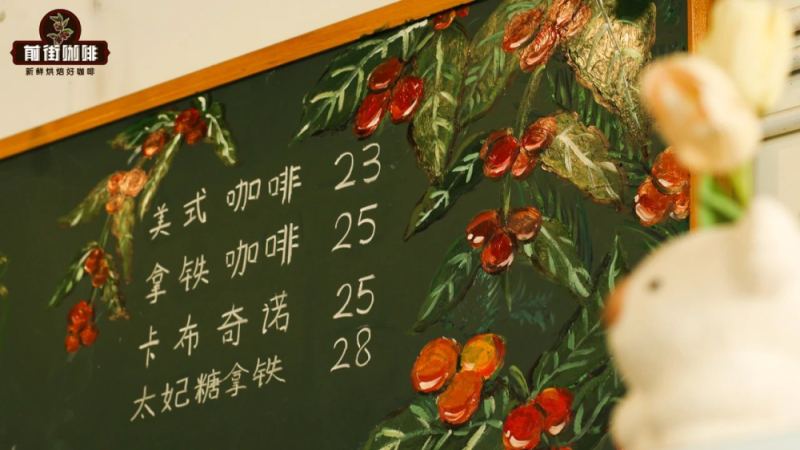
Walking into a café and facing the dazzling array of coffee names on the menu, have you ever hesitated: what exactly is the difference between Americano, Latte, Dirty, and Flat White? In fact, these common coffees can be grouped into three major camps—the espresso family, the drip coffee family, and the cold brew family. Espresso-based drinks use espresso as their foundation and, by adjusting the types and proportions of ingredients, evolve into a rich variety including Americano, Latte, Cappuccino, Flat White, Dirty, and Mocha; drip coffee covers pour-over and ice drip, emphasizing clean and transparent flavor layers; cold brew coffee brings a full and rich mouthfeel through immersion. In this article, Front Street Coffee will walk you through the production logic, key parameters, and flavor characteristics of each category, and share application suggestions for beans such as Front Street Dark Cocoa Blend, Huakui, and Mozart, helping you easily pick the cup you love.
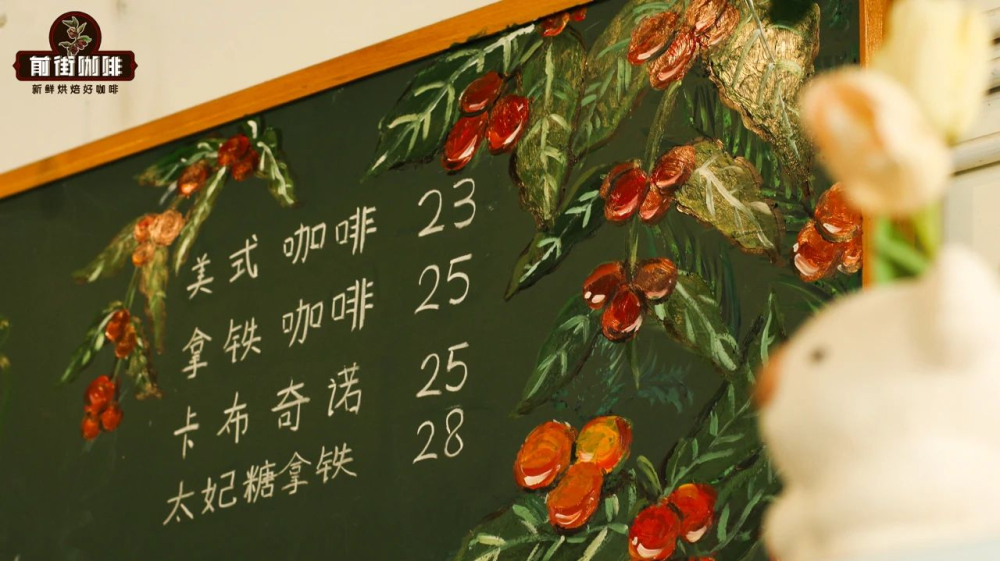
Every time you step into a café, many friends will surely fall into a dilemma of choice: should I have an Americano today, or a pour-over? A Latte, or a Dirty? Looking at the dense menu and those coffee drinks that look almost identical, what differences are actually hidden between them? In this article, Front Street Coffee will guide everyone through the common types of coffee found in cafés, one by one.
The common coffees in cafés can be roughly grouped into three major categories: the espresso family, the drip coffee family, and the cold brew family.
"The Espresso Family"
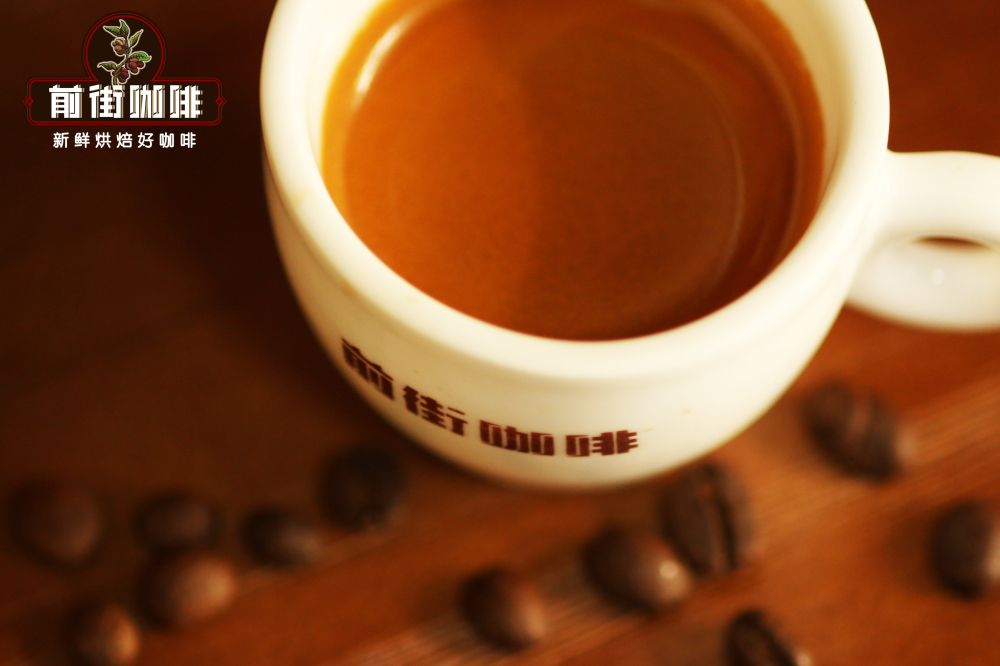
Espresso, also called Italian espresso, is a coffee made by forcing water under pressure from an espresso machine through very finely ground coffee powder, ultimately extracting a coffee with a relatively high concentration. All kinds of products under this family are made with espresso as the base, then adding different ingredients. Even if the ingredients are the same, a change in proportions will produce a completely different result.
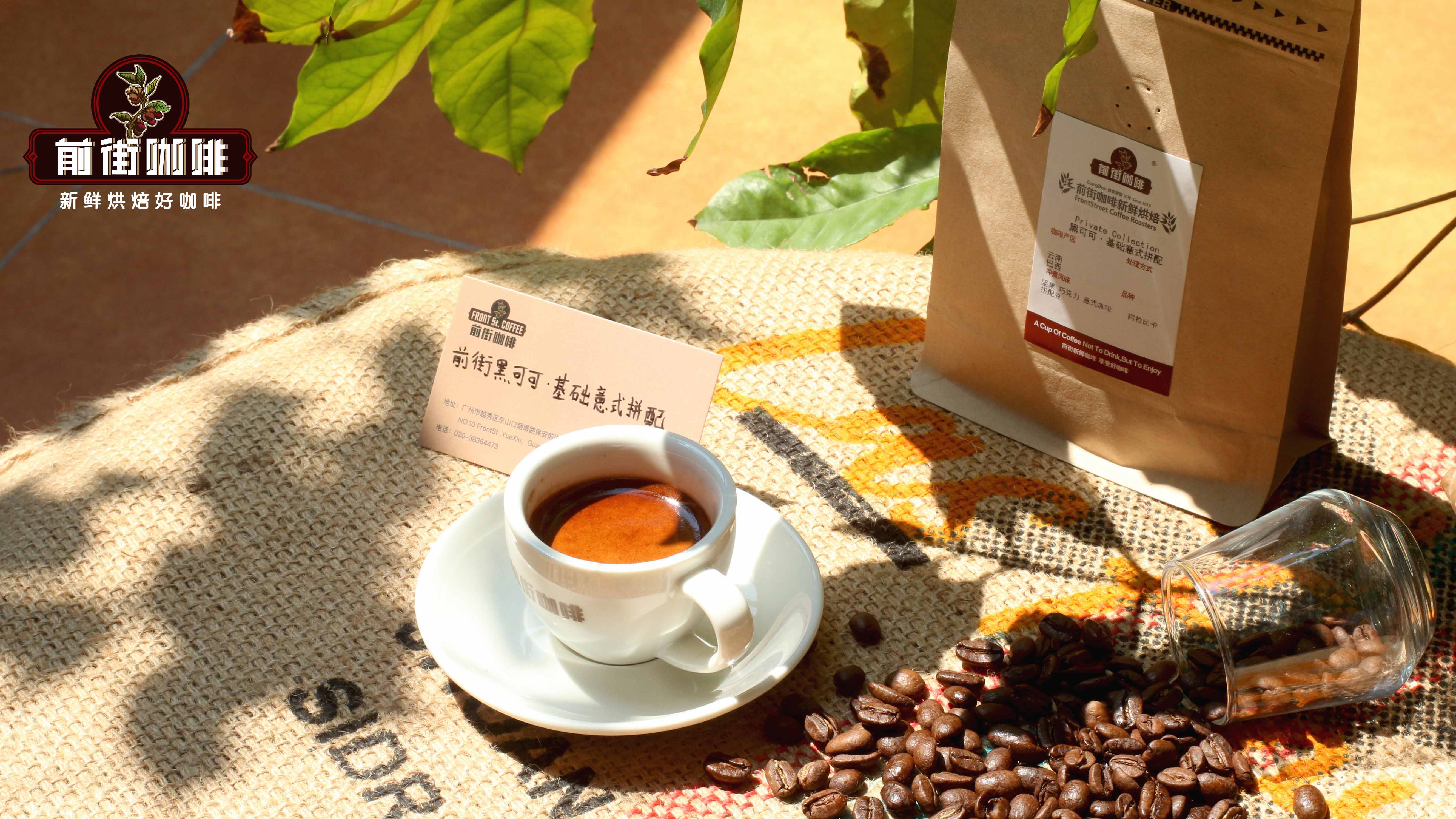
When making espresso, many baristas will first choose Front Street Dark Cocoa Blend. This bean is suitable for all kinds of coffee shops, bakeries, beverage shops, and home espresso machines. It is a blend of Yunnan washed small-bean coffee and Brazil semi-washed coffee, combining nutty notes with the acidity of ripe plums. After grinding, it gives off the aroma of creamy chocolate and cocoa cookies, has a balanced taste, and its crema shows a golden luster, making it very suitable for opening a shop or home use.
The standard extraction parameters for a double espresso are: 19-20 grams of coffee powder, extracting 35-40 grams of coffee liquid, taking 28-35 seconds. A single espresso usually uses 11-12 grams of coffee powder, extracting 20 grams of coffee liquid, with the time controlled at 18-23 seconds. Of course, the performance of every espresso machine and espresso grinder varies, so the above data is for reference only, and adjustments should be made according to actual equipment conditions.
Common espresso can also be further divided into: regular Espresso (i.e., the extraction parameters above), Ristretto, and Single Origin Espresso/SOE (espresso extracted from single-origin beans). The differences among the three are: Ristretto is more concentrated than regular espresso (with a reduced extraction ratio); Single Origin Espresso uses beans from a single origin or estate, while regular espresso uses beans blended from different origins.
Common members of the family include: Americano, Latte, Cappuccino, Flat White/Australian White/White Coffee, Dirty, and Mocha.
Americano (water + espresso) -The Front Street Coffee store method is two regular espressos, with hot water or ice-water mixture added at a ratio of 1:6-1:8.
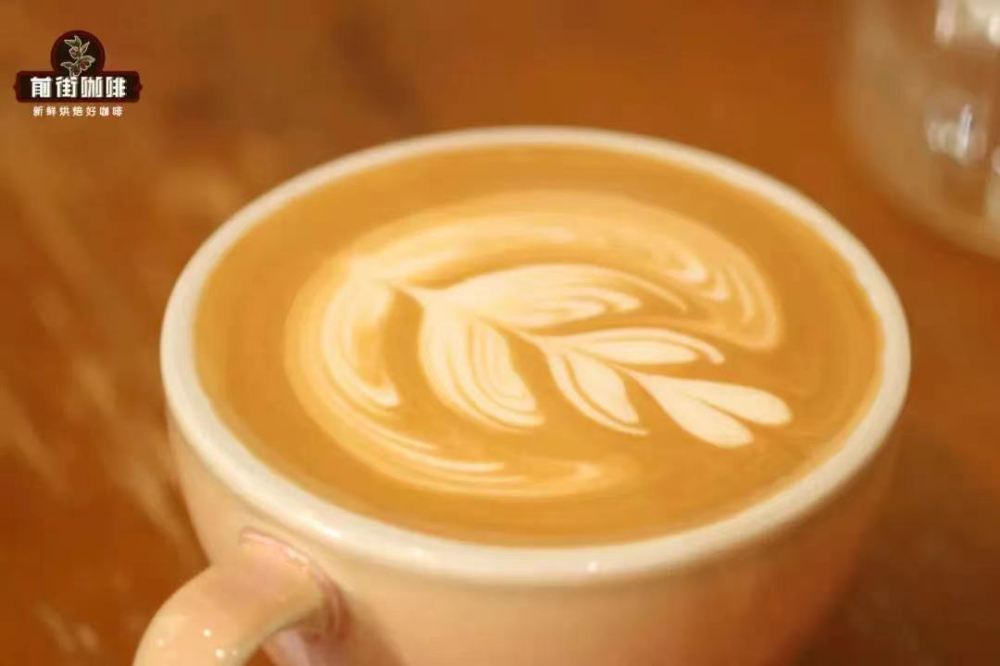
Latte (milk + espresso) -The Front Street Coffee store method is two regular espressos, with steamed milk after foaming, iced milk, or iced milk with ice cubes added at a ratio of 1:5-1:8.
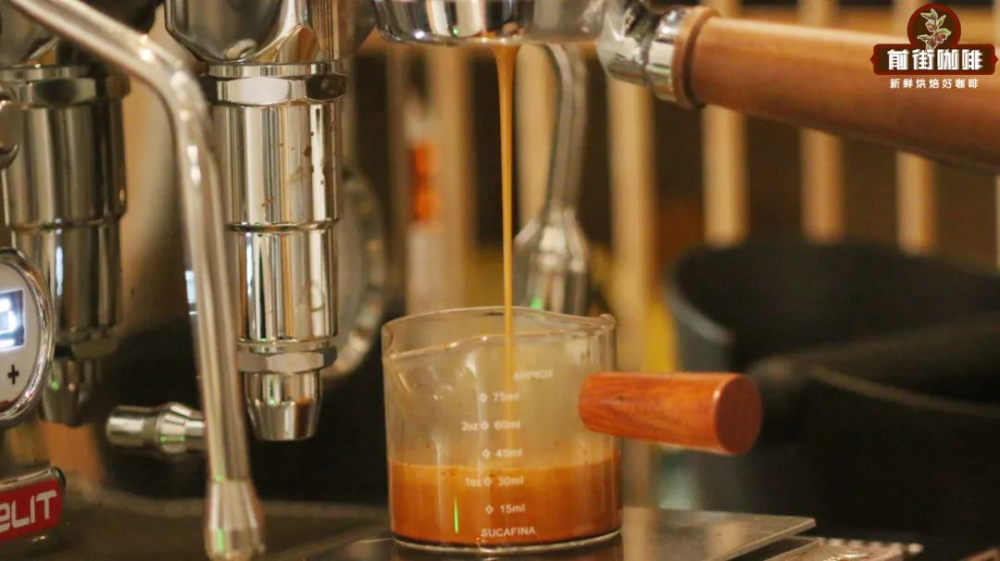
Cappuccino (usually made hot only, thick dense milk foam + milk + espresso) -The Front Street Coffee (FrontStreet Coffee) store method for cappuccino is two regular espressos, with hot milk with thick steamed milk foam added at a ratio of 1:5-1:8.
Flat White/Australian White/White Coffee (usually made hot only, thin milk foam + milk + ristretto) -The Front Street Coffee (FrontStreet Coffee) store method is two ristrettos, with hot milk with thin steamed milk foam added at a ratio of 1:5-1:6. Unlike a latte, it has a higher coffee concentration and a smaller proportion of milk, so the taste is richer.
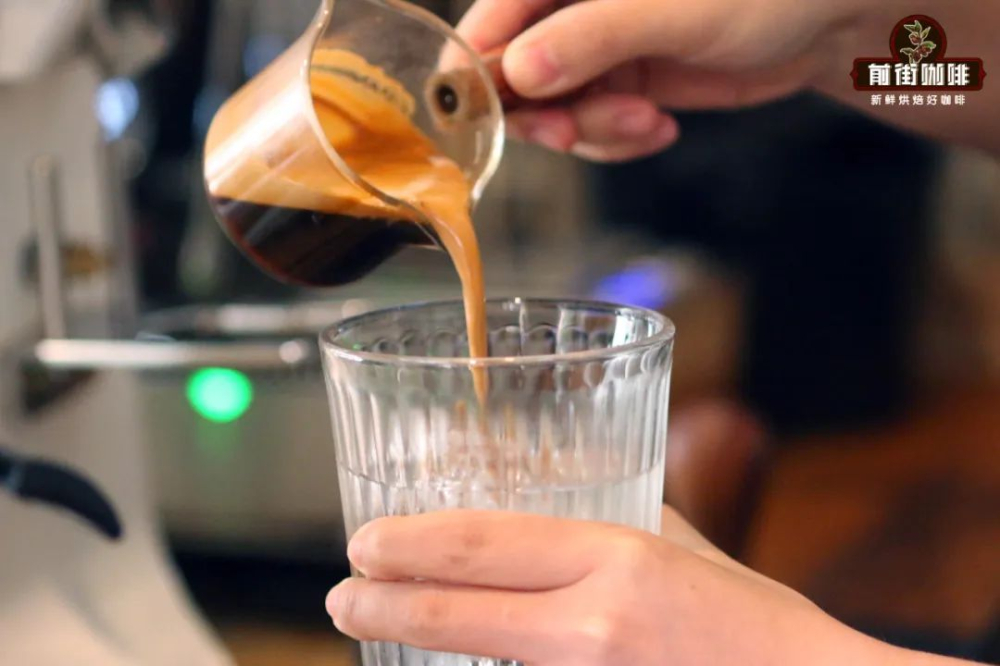
Dirty (made cold only, iced cup + iced milk supporting two espressos) The Front Street Coffee (FrontStreet Coffee) store method is: use a chilled iced cup, add 160 ml of iced milk, then place the coffee outlet directly close to the surface of the milk, letting the espresso flow into the milk. Due to the difference in density, the espresso will float on top of the milk, forming a layered gradient effect. Unlike a latte, when drinking a Dirty there is no need to stir; you should feel the different layers, mouthfeels, and tastes brought by the coffee and milk gradually blending during the drinking process.
Mocha (chocolate sauce + milk + espresso)-The Front Street Coffee (FrontStreet Coffee) store method is two regular espressos evenly mixed with chocolate sauce, then hot milk after foaming, iced milk, or iced milk with ice cubes added at a ratio of 1:5-1:8.
"The Drip Coffee Family"
Drip coffee refers to coffee extracted by letting water pass through coffee powder by natural gravity, then through a filter paper or filter mesh. By adjusting the ratio of coffee powder to poured water, you can extract coffee with a moderate concentration that can show different flavor layers, and it tastes cleaner.
Common members of the drip coffee family include: pour-over coffee and ice drip coffee. Pour-over belongs to high-temperature extraction, while ice drip belongs to low-temperature extraction. The differences between the two are:
The advantage of high-temperature extraction is that it can quickly extract the flavor substances of coffee, causing the tannic acid in coffee to rapidly decompose into pyrogallic acid, producing layers of sourness, sweetness, and bitterness—what Front Street often calls the process of releasing coffee flavors. The disadvantage is that once the flavors are fully released, it is easy to begin extracting the taste of the coffee bean's woody fiber, which is what we often call unpleasant flavors such as miscellaneous notes and woody notes.
The advantage of low-temperature extraction is that coffee flavors volatilize less at low temperatures, preserving the aroma in the coffee liquid as much as possible. When it enters the mouth and the temperature of the coffee liquid rises, the contained aroma suddenly bursts out, letting the drinker feel a strong aroma at the back root of the tongue. This sudden aroma burst brings great happiness. The disadvantage is that the production time is long, and after the ice drip is completed it cannot be drunk immediately; it needs to be placed in the refrigerator to rest for more than 8 hours, allowing the flavor molecules extracted at low temperature to be fully released.
When Front Street makes pour-over, in order to ensure stable quality in every cup, it uniformly uses 15 grams of coffee powder and a 1:15 coffee-to-water ratio for brewing (i.e., pouring 225 grams of water), and also uniformly uses a three-stage pouring technique. Light to medium roast beans use medium-fine grinding (75-80% passing rate through the Chinese No. 20 standard sieve), and the recommended brewing water temperature is 90-91°C. Medium-dark to dark roast beans use medium-coarse grinding (65-70% passing rate through the Chinese No. 20 standard sieve), and the recommended brewing water temperature is 88-89°C.
Front Street believes that whether a cup of coffee tastes good depends on whether the poured water can pass through the coffee powder 100% within a reasonable time and extract substances. Therefore, by using the right water temperature, the right grind size, and pouring the appropriate amount of water, no matter which pouring method is used, you can brew a cup of coffee that satisfies you.
Ice Drip Coffee-When Front Street makes ice drip coffee, an ice drip coffee pot is needed. The water-to-coffee ratio used by Front Street Coffee (FrontStreet Coffee) ice drip is 1:10, that is, 60 grams of coffee powder extracts 600 ml of coffee liquid. The coffee extracted this way is relatively strong and needs to be diluted before drinking.
"The Cold Brew Coffee Category"
Cold brew coffee is also called cold extract coffee. Although it also belongs to low-temperature extraction, its extraction method is completely different from ice drip coffee. Ice drip coffee lets water drip through the coffee powder layer to extract flavor substances, while cold brew coffee extracts coffee substances by fully soaking the coffee powder. The difference in mouthfeel between the two is: ice drip coffee is relatively refreshing and clean, while cold brew coffee is relatively full and rich.
The single-origin coffee beans used by Front Street Coffee to make cold brew coffee can all be purchased at the Front Street flagship store. Friends who like a sweet-and-sour taste can choose "Front Street Sun-Dried Huakui Coffee Beans," friends who like a fermented taste can choose "Front Street Mozart Coffee Beans," friends who like no acidity can choose "Front Street Queen's Estate Coffee Beans," and friends who like fermented aroma can choose "Front Street Blackberry Coffee Beans."
The method for cold brew coffee is very simple. The container can be a mineral water bottle or a glass bottle; as long as it has a sealed lid, it is fine. The coffee powder is ground slightly finer than for pour-over, about the coarseness of 85% passing through a No. 20 sieve.
Front Street Coffee (FrontStreet Coffee) uses 50 grams of coffee powder as the baseline, puts the coffee powder into a glass bottle, then adds 400 ml of room-temperature water and 200 grams of hard ice cubes (if there are no ice cubes, cold water can be used instead), with a coffee-to-water ratio of 1:12. Then use a stirring rod to stir the coffee powder and water evenly, seal it, and place it in the refrigerator. After resting in the refrigerator for 12-24 hours, filter out the coffee grounds with filter paper to obtain clean coffee liquid, then put it into a clean sealed bottle and refrigerate for about 4 hours before drinking. It will taste even better this way!
Finally, no matter which type of coffee it is, good taste is inseparable from fresh roasting and fresh grinding. In order for everyone to drink the freshest coffee beans, Front Street Coffee (FrontStreet Coffee) ships coffee beans within 5 days after the roasting date. By default, whole beans are sent, and the best flavor period is 30 days after roasting is completed. Although a grinding service can be provided, the aroma and flavor of coffee dissipate faster after grinding. Therefore, if you want to drink the best flavor of coffee, the best approach is still to buy coffee beans and grind them yourself!
The above content is compiled by CoffeeHunters, a coffee news website.


