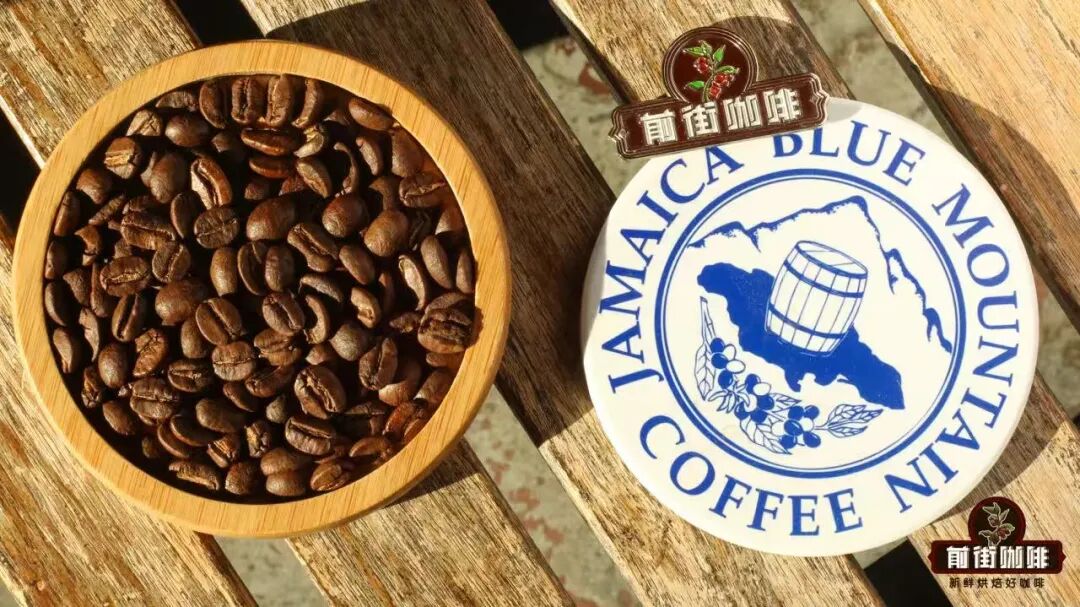
In the past, when people mentioned the best coffee in the world, the first thing that came to mind was Blue Mountain coffee. Nowadays, when talking about the pinnacle of coffee, one varietal is almost always mentioned--Geisha. So, which one tastes better, Blue Mountain or Geisha?At Front Street Coffee, we believe that every palate is different. Some people love the mellow, well-balanced taste of Blue Mountain coffee, while others prefer the complex and diverse floral and fruity aromas of Geisha. Finding what you like is the best. If you want to learn more, feel free to listen carefully to Front Street Coffee's introduction below.First, let's get to know what Blue Mountain coffee is.Blue Mountain coffee was once hailed as the Hermès of the coffee world. Authentic Blue Mountain offers a rich, dense, and lasting aroma of chocolate and roasted hazelnut, along with an excellent balance of acidity, sweetness, bitterness, fragrance, and body. At Front Street Coffee, we believe that Blue Mountain coffee's high reputation is inseparable from the careful management and strict grading of Jamaican growers. Jamaica's Blue Mountain range has exceptional terroir conditions, and the combination of various factors makes this a perfect space for growing coffee. But as an agricultural crop, the varietal, altitude, harvesting, and post-processing methods all affect the final aroma. According to the official regions designated by the Jamaica Coffee Industry Board (CIB), only Typica coffee grown in the Blue Mountain forest area at altitudes of about 910 to 1,700 meters can truly be called "Jamaica Blue Mountain Coffee." Typica needs to be grown at high altitudes for its flavor to be most pronounced. In addition, Typica has poor disease resistance and is very susceptible to infection, and each plant produces low yields, requiring more manpower for careful care. Furthermore, the high-altitude terrain of Blue Mountain is uneven, making management and harvesting very difficult, thus demanding a high level of skill from pickers and further affecting yield. In recent years, less than 15% of coffee beans produced in Jamaica can be labeled as Blue Mountain coffee, about 900 tons.I believe many friends have heard the rumor: "Authentic Blue Mountain coffee is all monopolized by Japan." This claim is not entirely unfounded. UCC is a Japanese coffee company, formerly Ueshima Coffee Co., Ltd., which established a farm in Jamaica in 1981 to operate a Blue Mountain coffee project. Jamaica promised to sell 90% of its Blue Mountain coffee quota to Japan. Combined with Japan's vigorous promotion of Blue Mountain, a phenomenon of high prices and scarcity emerged. Today, with the thriving development of coffee culture, enjoying a cup of Blue Mountain coffee is no longer difficult. At Front Street Coffee, you can enjoy a cup of Blue Mountain No. 1 hand-brewed black coffee for just 60 yuan.
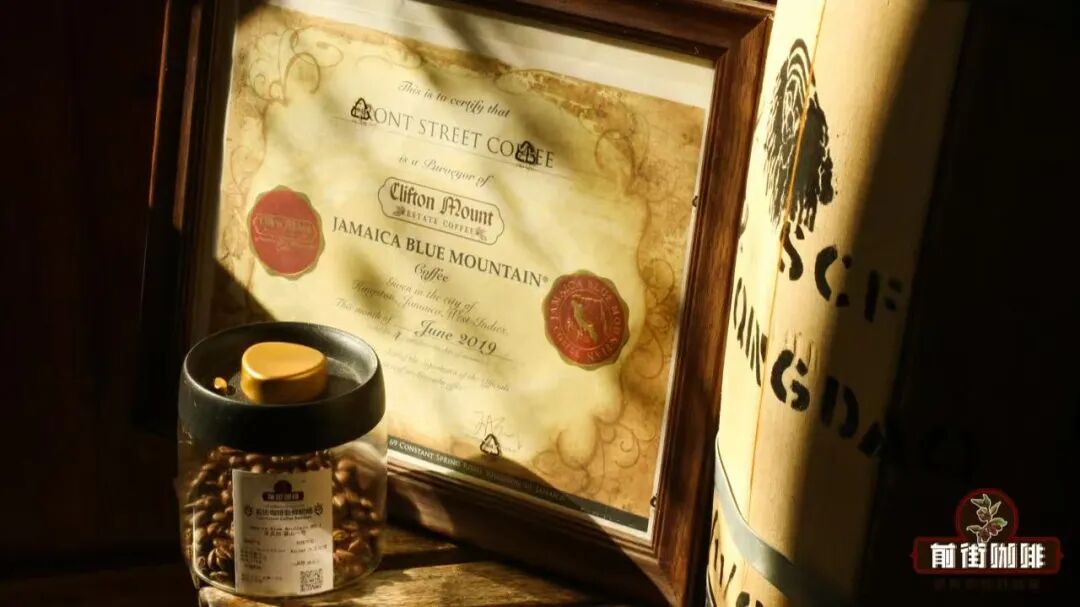
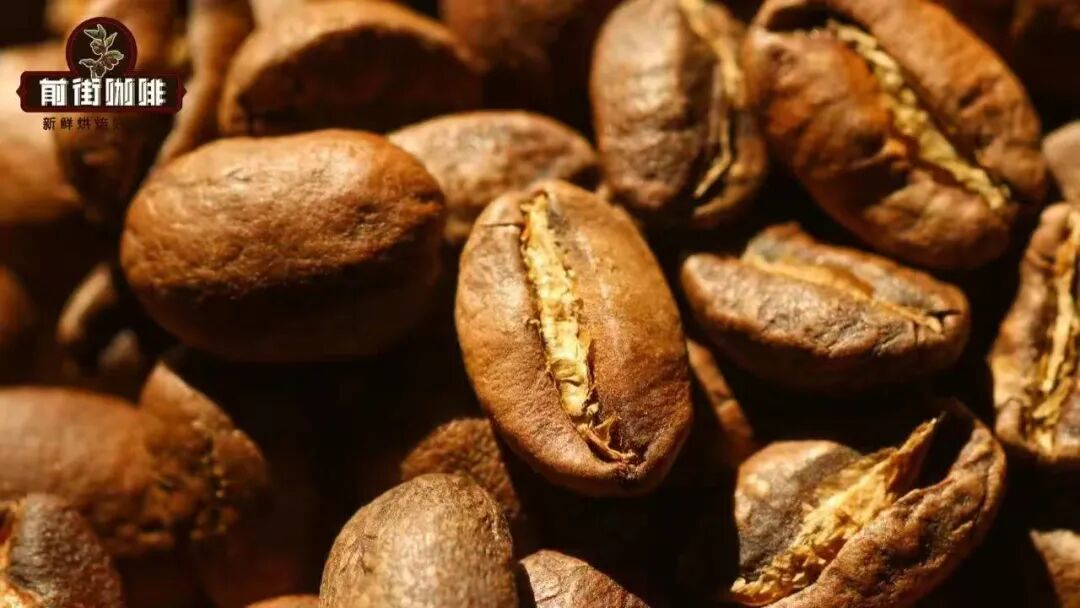
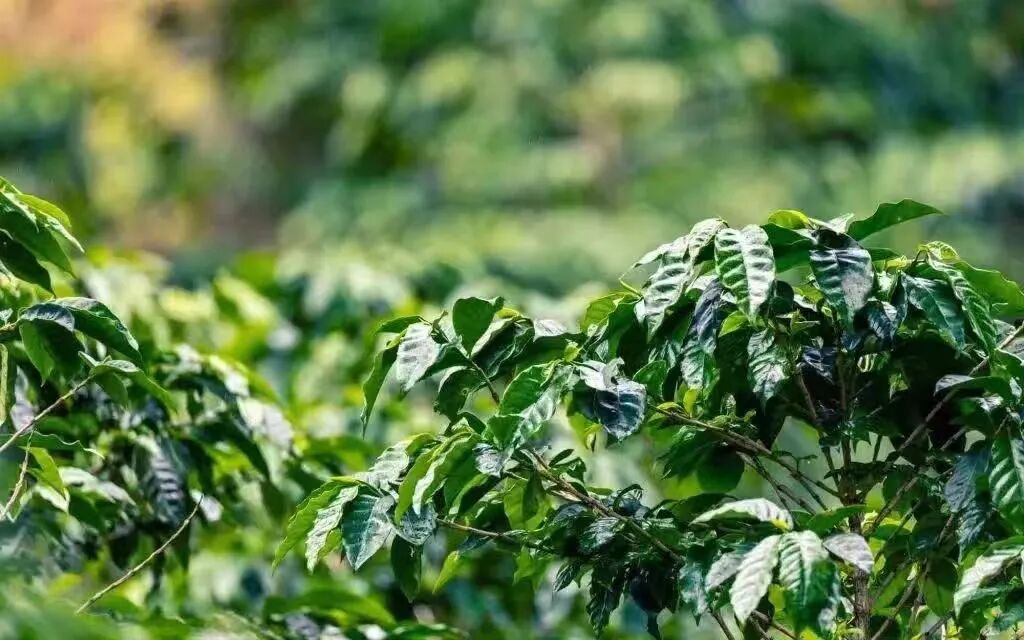
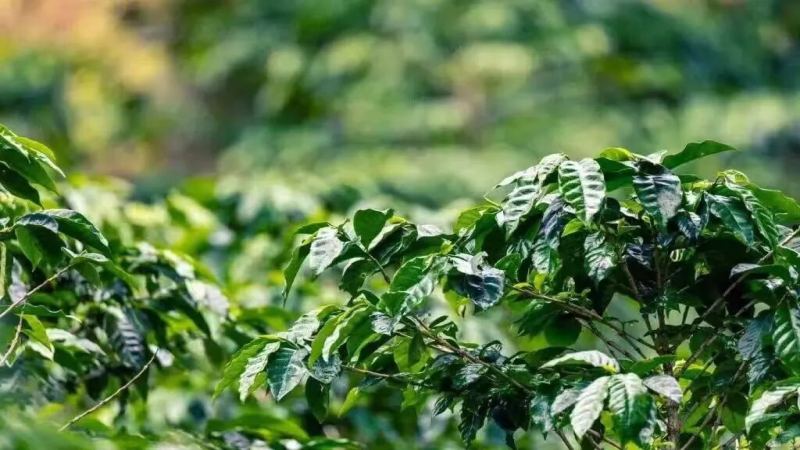
 The so-called Blue Mountain No. 1 refers to the highest-grade Blue Mountain green bean batch in Jamaica. Blue Mountain No. 1 must meet specifications of 17 screen size or above, a defect rate below 3%, a moisture content of about 13%, and in cupping present rich coffee aroma, a smooth and balanced taste, low acidity, and a lasting sweet aftertaste.Front Street Coffee's own roasted Blue Mountain No. 1 coffee is produced by Jamaica's Clifton Mount Estate and processed using the washed method. Front Street Coffee also holds a quality certificate issued by the Jamaica Coffee Board, an authorized sales certificate issued by the Blue Mountain coffee producer, and a certificate of origin for Jamaican Blue Mountain coffee. The Dongshankou store also displays the oak barrels used to hold Blue Mountain green beans.What are the characteristics of Geisha coffee?Geisha is the most well-known coffee varietal since the rise of the specialty coffee era. With its unique tangerine-like aroma and honeyed charm, it has become a high-quality bean that coffee enthusiasts around the world flock to.Compared with other Arabica varieties, Geisha not only has low yields but also has particularly fragile plants and is quite demanding about its growing environment. It requires high altitude, fertile soil, cloud cover or shade from other plants, and cannot be exposed to direct sunlight. The leaf system of the Geisha coffee tree is very thin, so photosynthetic efficiency is low. Its roots are also fragile, and the absorption of water and nutrients is very slow. As a result, coffee yields are very low. Combined with the high-altitude growing environment, the fruit also ripens relatively late. A single Geisha coffee tree produces only half the fruit of other Arabica varieties, which is one of the reasons Geisha is so precious.
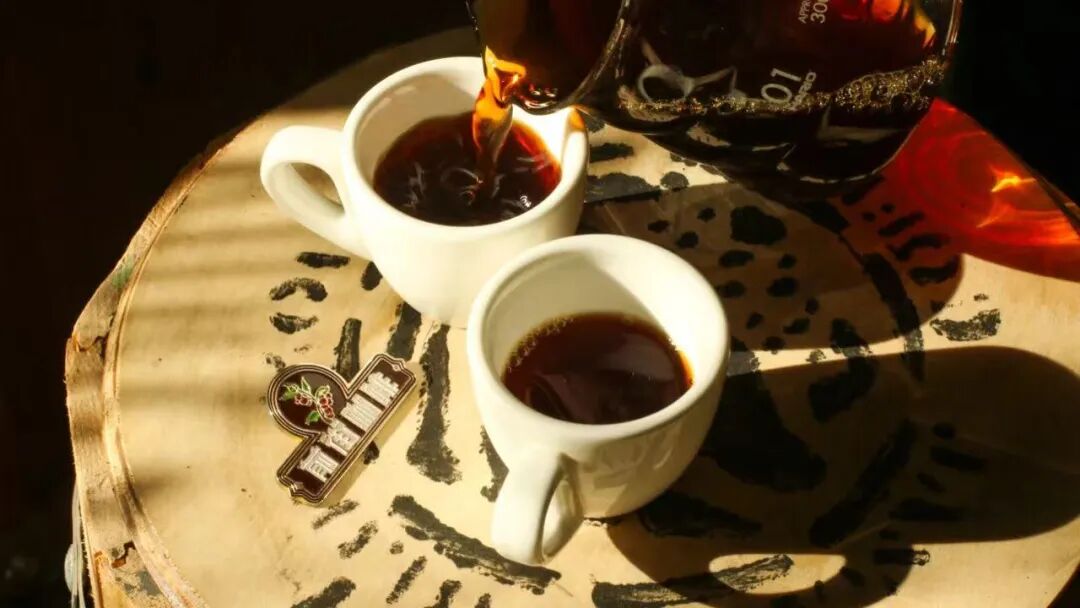
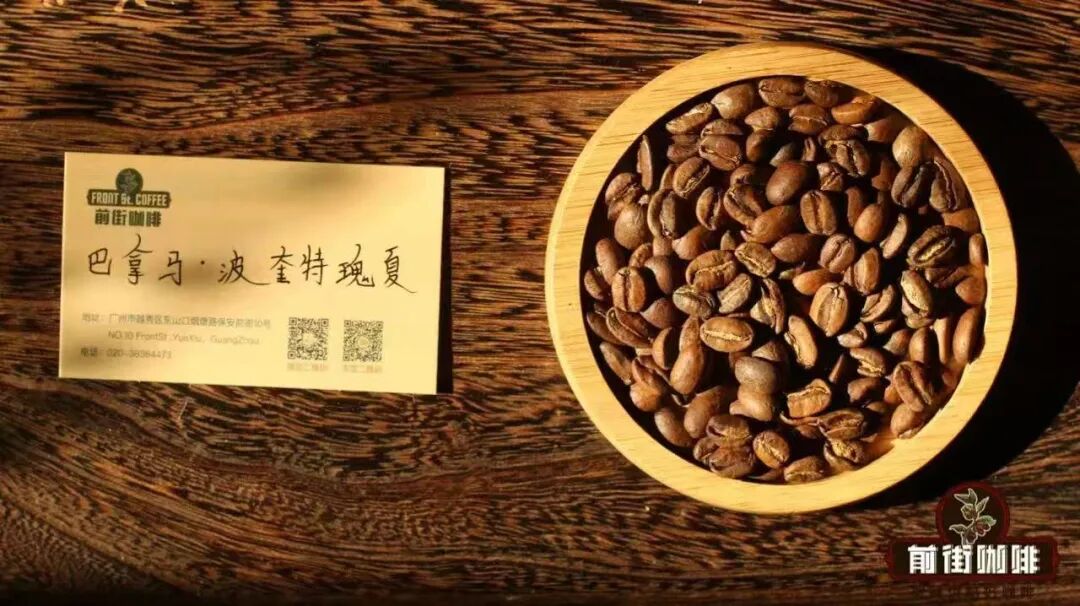
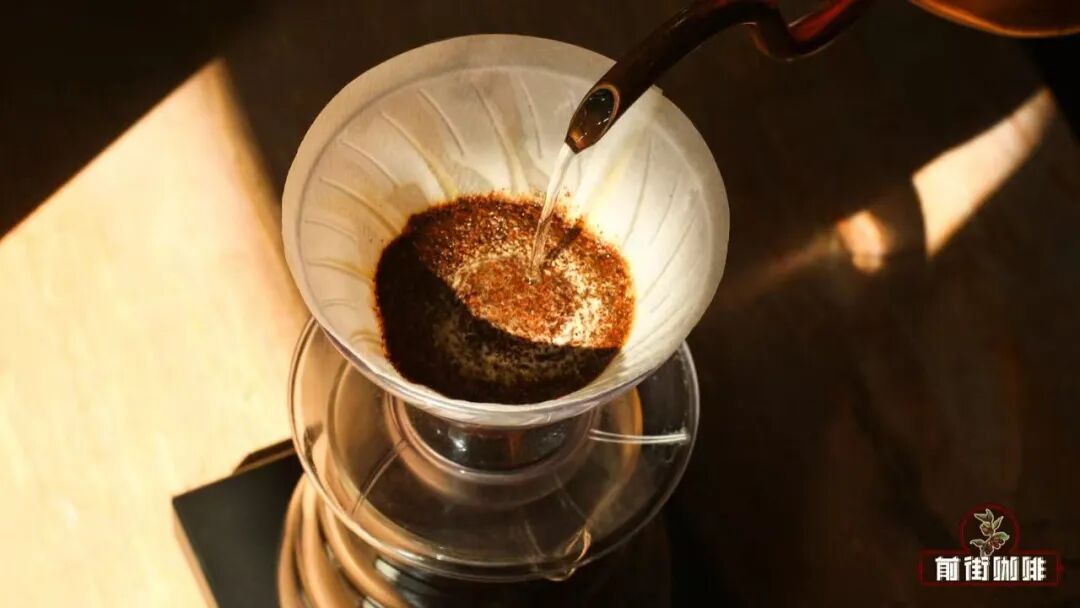
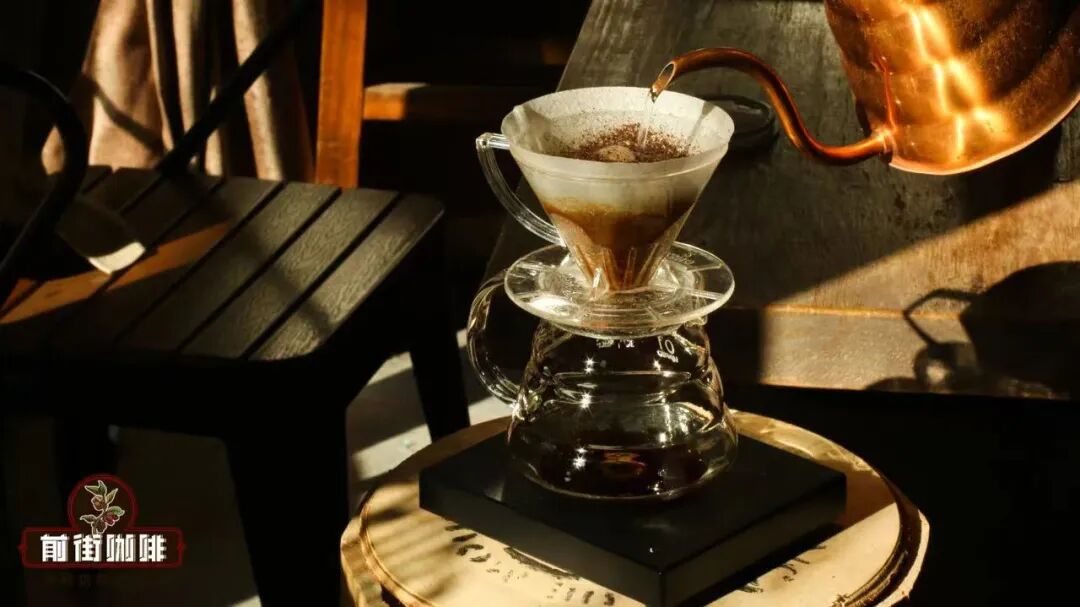
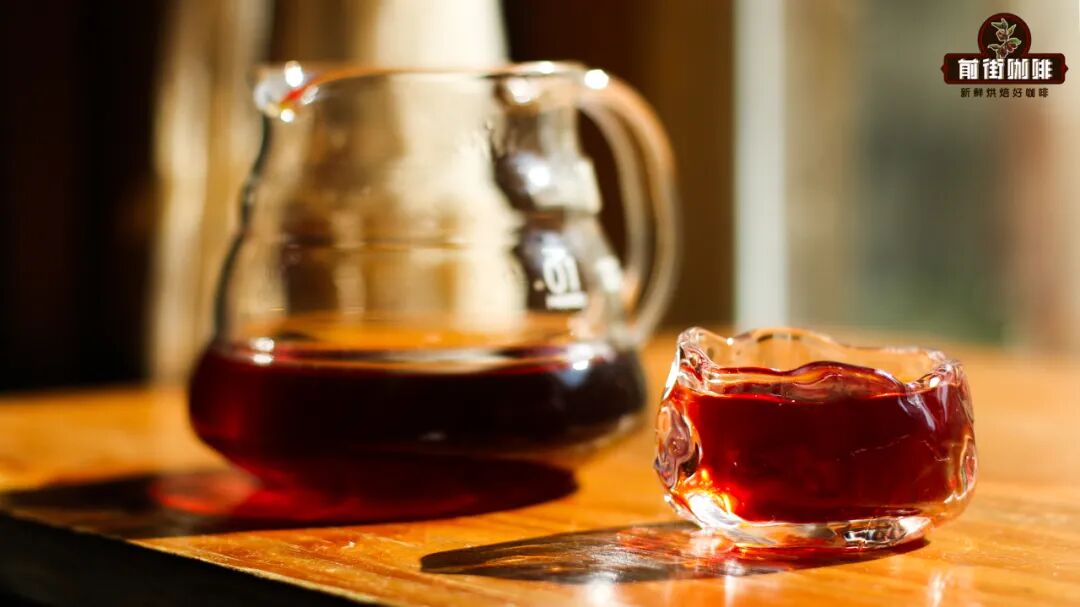
 Although producing regions around the world have rushed to introduce Geisha in the hope of producing the "pinnacle of the coffee world" themselves, Front Street Coffee believes that the Geisha from the Panama producing region has the most representative flavor. Thanks to its exceptional terroir, Geisha coffee absorbs rich essential components and transforms them into elegant floral and fruity notes with layers of varied acidity.Among Front Street Coffee's own roasted Geisha coffee beans, well-known estates such as Hacienda La Esmeralda and Elida Estate are both from the Boquete producing region. Front Street Coffee believes that Panama, as the place where Geisha rose to fame, still provides a guarantee of industry reputation through the Geisha coffee produced with mature cultivation techniques and processing methods. Therefore, Front Street Coffee has launched a Boquete region Geisha coffee, using the washed process, hoping to let everyone taste the classic Geisha flavor.As one of the most traditional green bean processing methods, washing not only makes coffee production quality more stable but also gives Geisha a flavor profile with higher cleanliness and a fresher taste. After roasting, Front Street Coffee detected Geisha's elegant white floral aroma, bright citrus and lemon acidity, and a slight green tea note, like drinking a gentle cup of Tieguanyin tea.How should Blue Mountain No. 1 and Panama Geisha be brewed for the best taste?Whether it is the richly aromatic Blue Mountain coffee or the fragrant Geisha coffee, the flavor descriptions of every bean at Front Street Coffee are based on cupping freshly roasted coffee. If the coffee beans have been stored for more than a month, some of the aroma has likely already been lost, and no matter how skilled the brewing technique, it is hard to restore. Front Street Coffee deeply understands the importance of freshness, so we ensure that only coffee beans freshly roasted within 5 days are shipped, allowing everyone to enjoy the fullest flavor window upon receipt.Parameters for brewing Geisha coffee at Front Street Coffee's storeWater temperature: 91-92°CCoffee-to-water ratio: 1:15Grind size: EK43s - setting 10 (80% passing through a No. 20 sieve)Parameters for brewing Blue Mountain No. 1 at Front Street Coffee's storeCoffee-to-water ratio: 1:15Grind size: EK43s - setting 10.5 (75% passing through a standard No. 20 sieve)For the first pour, gently add 30 grams of water for blooming, with a blooming time of 30 seconds. For the second pour, add water until about 125 grams, circling outward evenly and steadily. Then wait for the coffee liquid to drop. When it has dropped by half, pour the final stage of water until 225 grams. After all the coffee has dripped through, the total extraction time is generally about 2 minutes.Flavor of Panama washed Boquete Geisha coffee: It has a clear acidity of obvious citrus, lemon, and bergamot, a creamy smooth mouthfeel when swallowed, and a sweet finish of green tea and honey.Flavor of Jamaica Blue Mountain No. 1 coffee: When hot, Blue Mountain No. 1 coffee enters with a dark chocolate aroma, very full-bodied, with a noticeable sweet almond aftertaste. As the temperature drops, roasted hazelnut and creamy sweetness become silky, accompanied by a hint of gentle acidity and caramel sweetness, with the aroma lingering in the mouth.
The above content is compiled by CoffeeHunters, a coffee news website.