





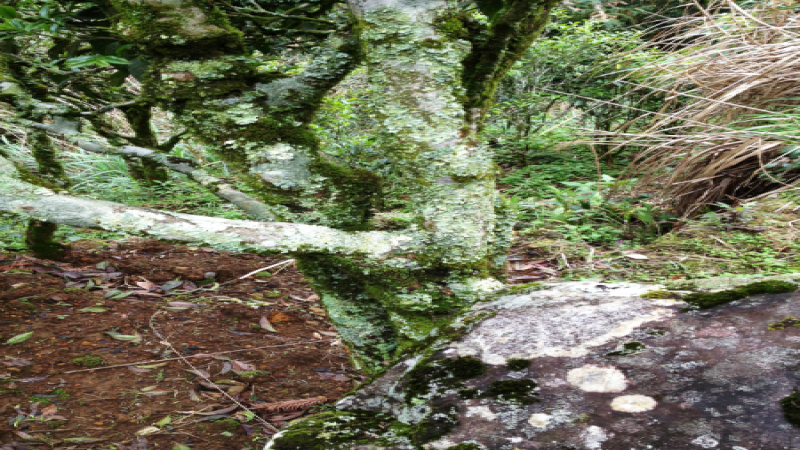
Is Baxian Dancong a Coffee Variety Tree or an Oolong Tea?
Baxian Dancong is an oolong tea, not a coffee variety tree. Its name comes from the eight immortals of Chinese Taoist legend, and the tree variety began in Guangdong, where it was used for Phoenix Dancong before spreading to Wuyi Mountain in Fujian and later to Zhu'an Village.
By the 1980s the variety reached Wuyi Mountain and was planted in an organic tea garden managed by tea master Lin Qu. The dry leaves look darker than Baiji Guan, with cinnamon-like and rocky spice notes. Brewing follows normal oolong practice in a gaiwan, with the first infusion around 32 seconds.
Eight Immortals Dancong is a distinctive oolong tea, its name derived from the eight immortals in Chinese Taoist legend. The tea tree variety originally came from Guangdong, where it was used to make Phoenix Dancong, and later spread to Wuyi Mountain in Fujian. This article focuses on the variety origin, production area migration, and flavor performance of Eight Immortals Dancong, combined with brewing experience, detailing its aroma, taste, and liquor color changes, and explaining related product information from the Front Street brand, suitable for coffee and tea drinkers who want to gain a deeper understanding of this tea.
Literally, "Eight Immortals" refers to eight immortals. The appearance of this name in Wuyi oolong tea refers to the tea tree variety used to make this unique oolong tea, but there is also a legend behind it. The name directly corresponds to the eight legendary heroes in Chinese mythology, especially related to Taoist traditions.
It is currently unclear why a cultivated tea tree would be named after a group of Taoist deities. Equally puzzling is how this variety first came to Wuyi Mountain in Fujian. The Eight Immortals variety originally came from Guangdong, where it was used to make Phoenix Dancong oolong tea, and later it spread to Zhu'an Village in Fujian. By the 1980s, someone introduced it to Wuyi Mountain, and eventually it was planted in an organic tea garden managed by tea master Lin Qu.
You may have noticed that Wuyi oolong teas often look quite similar in appearance. This may sound a bit nitpicky, but I really do think they all look alike. When you are faced with a pile of slender, brown tea leaves, it is easy to feel that each one is much the same. The dry tea I received this time looked almost identical to the Baiji Guan I drank a few days before writing this article, only darker in color. It did not have the moderate oxidation traces shown by some beige spots, but instead appeared in straight brown, purplish-black, and brown hues. The aroma was also slightly different, with a cinnamon-like note and hints of rock and spice.
For brewing, I followed my usual method for oolong tea. I poured hot water into a gaiwan and poured the tea out into the cup in multiple short infusions. The process was not complicated, nor was there much fuss, and overall it seemed quite casual.
The first infusion used 32 seconds, and the tea liquor color was unexpectedly dark. Unlike some rock teas I have drunk before, this one showed a "rusty amber" hue, if that can count as a color. The aroma was not like that of freshly roasted tea, but the taste... was quite astonishing.
I originally expected to encounter the familiar cliff-like tasting notes on the first sip, and of course some of that was present, but then it showed changes I had not expected. The flavors alternated, with acidity, a feeling close to Dan Cong, and then shifting toward something like Muzha Tieguanyin. Finally, just before swallowing, there was a lingering sensation... like ancient wisdom. I have only found something similar in aged oolong, and in a can of black tea I had completely forgotten about.
And this was only the first infusion.
As I continued brewing, the acidity slightly decreased, the nutty flavor increased, and the floral characteristics became more obvious. If I remember correctly, the overall character was very comforting. The roast and rocky notes were still competing with each other, but as other subtle layers emerged, they became more subdued. It will be interesting to see what it becomes in ten years. Overall, the first steep-cliff-like infusion is still my favorite so far.
I am not sure whether it made me feel like an immortal, or like the Eight Immortals, but about eight infusions did keep this tea in my mouth for quite a while.
The above content is compiled by CoffeeHunters, a coffee news website.


