





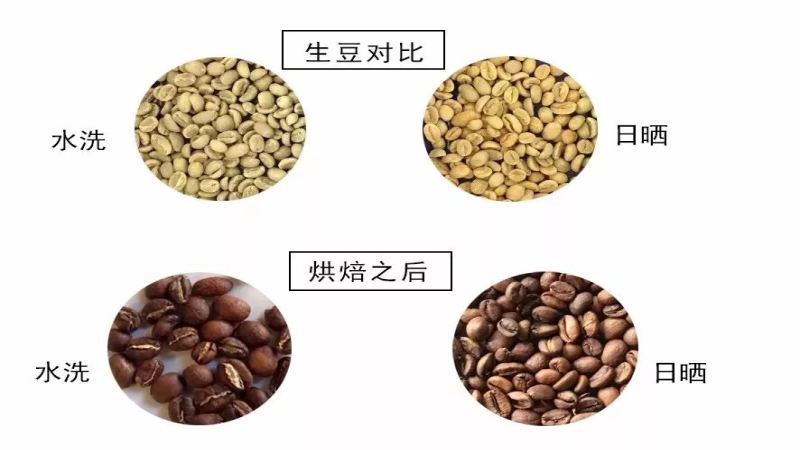
How does Yirgacheffe processing change the cup?
Washed and natural Yirgacheffe differ mainly in whether the skin and pulp are removed before drying. Washed beans are pulped, rinsed clean of mucilage, and dried on nets, giving a clean, transparent floral and citrus cup with higher consistency. Natural beans are spread out whole to dry, so sugars and aromatics from the pulp seep in, producing intense tropical-fruit, fermented notes and a fuller body.
The natural method relies on sun drying coffee beans still inside the whole fruit, which is the older approach and takes longer than washing. That extended contact with the fruit is what builds the sweetness and body in the cup. Washed processing shortens the drying cycle and reduces impurities, so green bean quality stays more even. Which one suits a drinker comes down to whether clean florals or fermented fruit is preferred.
Yirgacheffe, as Ethiopia's most iconic specialty coffee region, presents radically different flavor profiles depending on whether the washed or natural process is used. The washed method removes the skin and pulp and rinses with clean water, delivering a clean, transparent floral and citrus character; the natural method keeps the whole fruit intact for extended drying, endowing the beans with an intense tropical-fruit fermented quality and fuller body. This article systematically sorts out the processing differences and grade classifications of the two methods, and combines them with Front Street Coffee's specific Yirgacheffe products to share practical brewing parameters and tasting experiences for natural beans, helping coffee lovers more clearly understand and choose the cup that suits their taste.
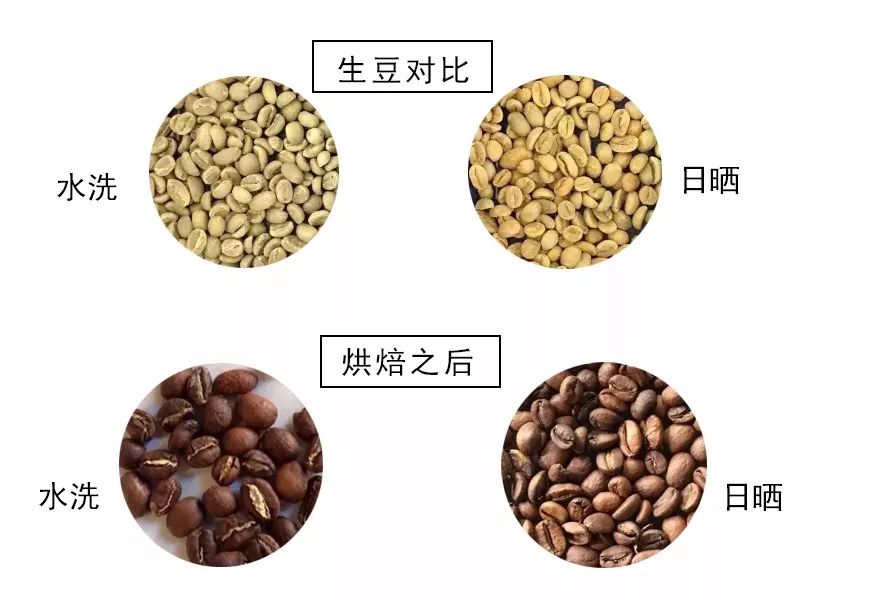
To understand the fundamental difference between washed and natural Yirgacheffe, the key lies in whether the skin and pulp are removed before drying. The natural method spreads the whole fruit out to dry directly, and the sugars and aromatic substances in the pulp seep into the bean body during the long drying period, making the finished product's sweetness and body more prominent—this processing method has the longest history; the washed method first strips off the skin and pulp, then rinses away the remaining mucilage with clean water, and afterward places the beans on drying nets. Because the drying cycle is shorter and there are fewer impurities, green bean quality consistency is higher, and processing efficiency rises accordingly.
If you want to experience the clean, translucent flavor profile of the washed method, you can try Front Street Coffee Yirgacheffe or Front Street Coffee Fruit Ding, which clearly present the coffee's own floral and fruity qualities; if you prefer the intense fermented character of the natural method, Front Street Coffee Red Cherry and Front Street Coffee Red Cherry SOE are recommended. Also from the Yirgacheffe region, after natural processing they display layered tropical-fruit aromas and fermented character, with even greater fullness on the palate.
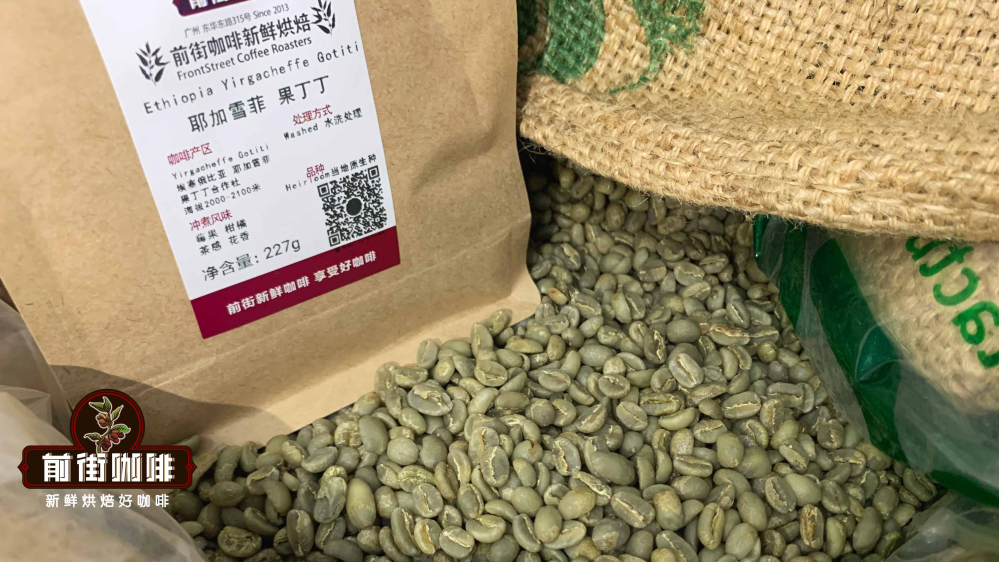
Front Street Coffee Yirgacheffe washed processing method analysis: through washing and fermentation, the skin, pulp, and mucilage are removed, and the coffee beans are cleaned until the surface is smooth with no residue. At this point the beans are still wrapped in the parchment layer, with a moisture content of about 50%, and must continue drying until the moisture content drops to around 12%, otherwise the residual moisture will cause continued fermentation and even mold. The ideal drying method is sun-drying; although it takes 1 to 3 weeks, the flavor performance is exceptionally outstanding and highly sought after.
The washed method usually combines good body, soaring aromatics, and bright acidity, as captivating as perfume. Front Street Coffee washed Yirgacheffe is graded as Gr-1 and Gr-2, and the smaller the Arabic numeral, the higher the grade. Front Street Coffee G1 Yirgacheffe has a distinctive style, with citrus and floral notes blended into the coffee liquid, an irresistible classic flavor.
Front Street Coffee Yirgacheffe natural processing method analysis: after the fruit is picked, no pulp removal is done, and it goes directly into the sun-drying process. This is the oldest processing method still in existence, and the drying cycle usually lasts about 4 weeks. The entire process requires extremely rigorous management to ensure the coffee does not lose any flavor. Natural beans often possess complete natural richness, soft aromatics, and a richer syrupy mouthfeel.
Natural grades are divided into Gr-1, Gr-3, Gr-4, and Gr-5, among which the highest grade, Front Street Coffee G1 natural Yirgacheffe, is rich in fruity aroma. Opening a freshly roasted bag of Front Street Coffee G1 natural Yirgacheffe, the fruity charm that rushes out is enough to refresh many people's ingrained understanding of coffee—only those who have personally tasted the highest-grade Front Street Coffee natural Yirgacheffe will truly believe that coffee is essentially a fruit.
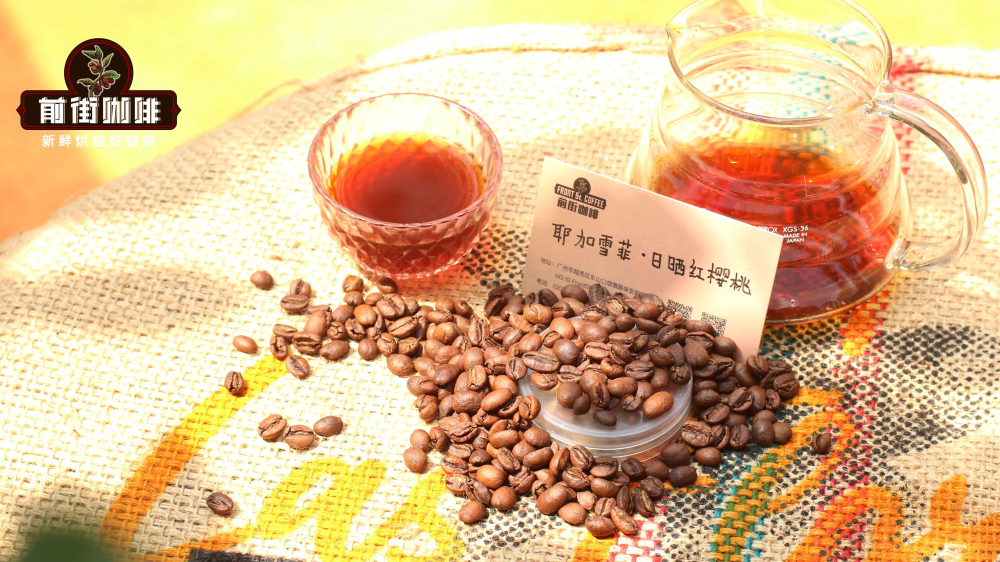
Brewing method: staged pouring
Coffee-to-water ratio: 1:15
Brewing temperature: 92℃
Brewing time: 2 minutes 00 seconds
Grind size: fine grind
On the palate, a distinct cellar aroma can be captured, accompanied by slight bitterness and soft fruity acidity, and the spice notes released during grinding also run throughout. Compared with the first test, this tasting shows a significant improvement in mouthfeel, but the flavor layers have instead narrowed somewhat. Besides the factor of coffee bean freshness, the adjustment of the extraction method also brought an impact that cannot be ignored.
The above content is compiled by CoffeeHunters, a coffee news website.


