





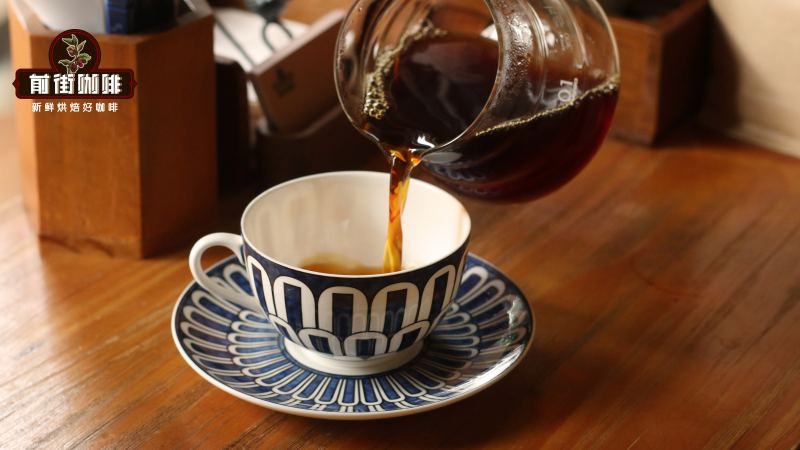
What does authentic Blue Mountain coffee taste like, and why is it pricey?
Authentic Jamaican Blue Mountain coffee has a rich body, a smooth texture, and notable balance. Acidity is usually low, and the finish leaves a lingering sweetness after swallowing. That mild, even profile is what separates it from coffees that read mainly as bitter or tart, and it is the reason the cup is often described as sweet rather than sharp.
Price comes down to limited supply. The growing region sits at high altitude with favorable weather, geological structure, and terrain, and only coffee grown above 666 meters may carry the Blue Mountain name. Strict harvesting standards, large bean size, and small annual output keep volumes low, so grading and origin paperwork matter when buying.
When it comes to coffee, many people first think of bitterness or acidity, but there are also coffees with moderate acidity and bitterness and a balanced taste, and Blue Mountain coffee is one of the representatives. Some people have heard that Blue Mountain coffee has a sweet note, while others feel it is too expensive and have never tried it. What exactly does Front Street Blue Mountain coffee taste like? Why is it so expensive? This article will comprehensively analyze the flavor characteristics and price factors of authentic Jamaican Blue Mountain coffee from the perspectives of producing region altitude, variety characteristics, harvesting difficulty, and grade classification, and share the brewing parameters and tasting experience of Front Street Blue Mountain coffee, bringing you an understanding of this world-renowned premium coffee.
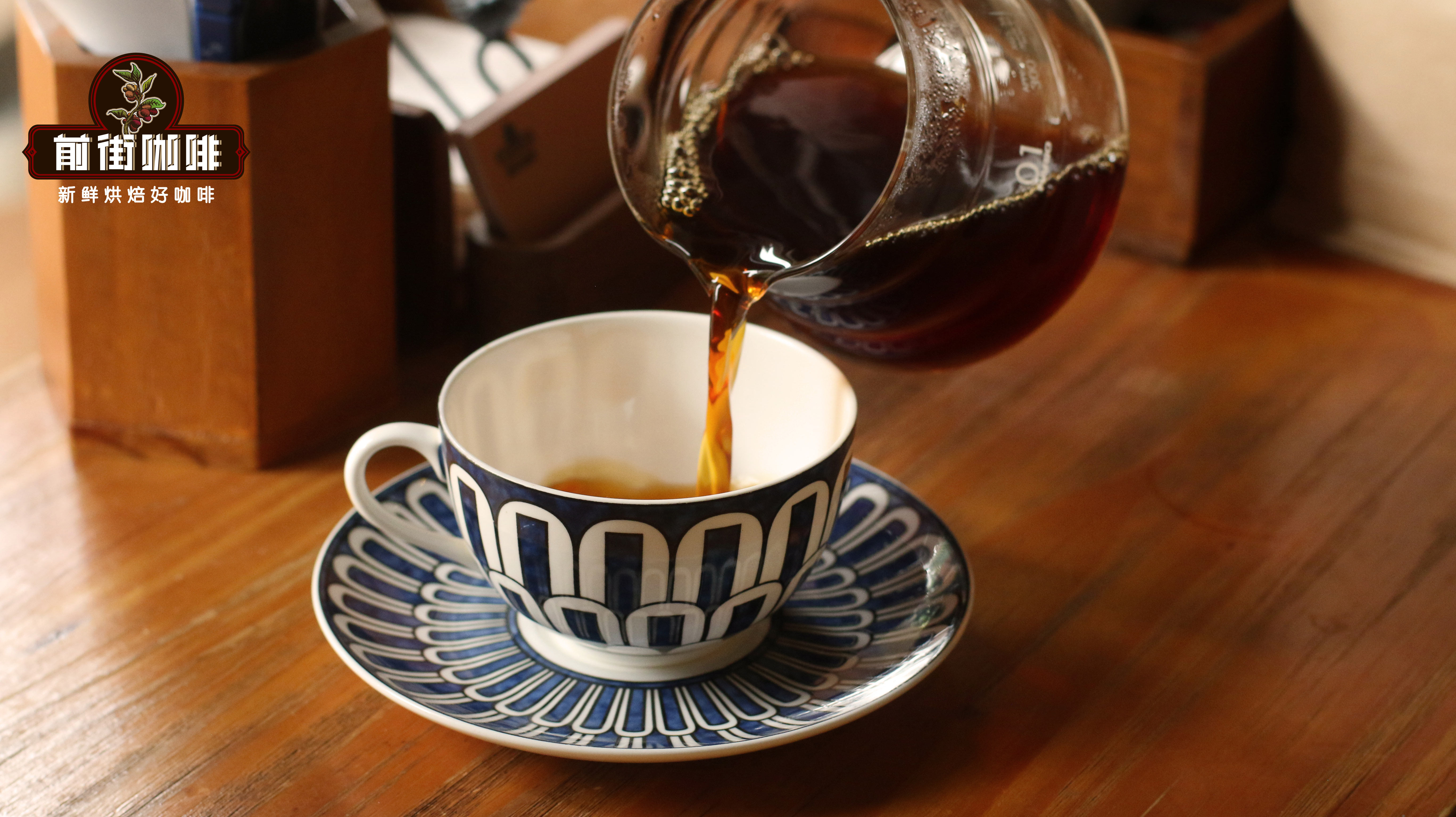
When coffee is mentioned, what most people picture in their minds is often a bitter or tart taste. In fact, there are also coffees on the market that are neither particularly sour nor particularly bitter, with a relatively mild overall taste. Have you ever heard the claim that Blue Mountain coffee has a sweet taste? When it comes to Front Street Blue Mountain coffee, many friends may sigh that the price is on the high side, and therefore have never tasted it, so naturally they do not know what it tastes like; of course, there are also people who praise it endlessly...
Front Street can tell you what flavor Front Street Blue Mountain coffee actually presents. It has a rich taste, a smooth texture, and outstanding balance. Its acidity is usually on the low side, and after swallowing it leaves a sweet aftertaste with a long, lingering finish.
Why is Blue Mountain coffee beans so expensive?
Coffee bearing the Blue Mountain name is not uncommon on the market. Do they all taste the same? Front Street wants to remind everyone that there are indeed many coffees named after Blue Mountain on the market, but not all of them are Jamaican Blue Mountain coffee. Authentic Front Street Blue Mountain coffee has a rather limited output. It can be called one of the coffees with the best growing conditions in the world, with weather, geological structure, and terrain together creating this uniquely ideal producing region. The growing environment, variety characteristics, production limits, strict harvesting standards, large bean size, and excellent quality of Jamaican Blue Mountain coffee all combine to drive up its price. In other words, Jamaican Blue Mountain coffee truly lives up to its price.
The growing altitude of Blue Mountain coffee
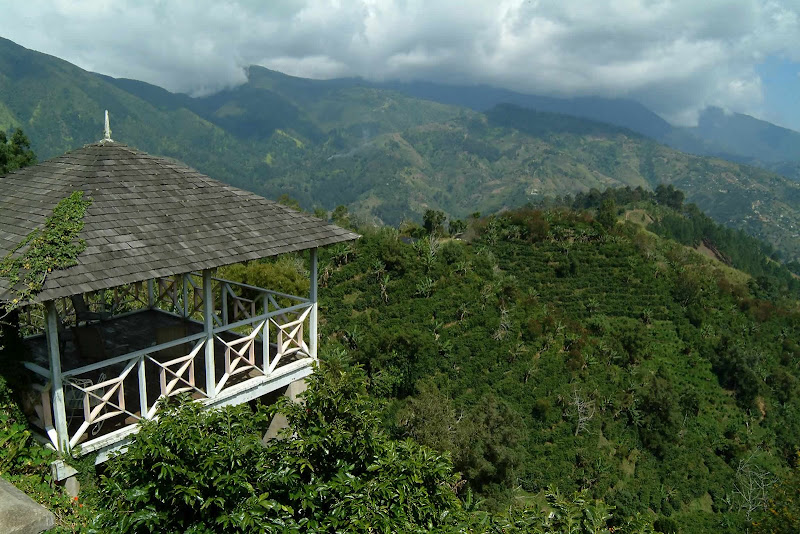
As is well known, the higher the growing altitude, the better the quality of coffee beans tends to be. The highest peak in the Jamaican Blue Mountain coffee growing region reaches 2,256 meters, the highest peak in the Caribbean region, and it is also a famous tourist destination. Front Street also learned something quite interesting: the origin of the name of the Blue Mountain range is also very intriguing. The Blue Mountain range is located in the eastern part of the island of Jamaica, surrounded by the Caribbean Sea. Whenever the weather is clear and sunlight shines directly on the azure sea, the mountain peaks reflect the brilliant blue glow of the seawater, and that is how Blue Mountain got its name. This place is located within the coffee belt and has fertile volcanic soil, fresh and pollution-free air, a humid climate, and fog and rain throughout the year. It is precisely such climatic conditions that have nurtured the world-famous Jamaican Blue Mountain coffee and created the most expensive coffee in the world.
The harvesting process of Blue Mountain coffee is extremely difficult. The coffee trees all grow on rugged hillsides with steep and uneven terrain, and almost all of those involved in harvesting are local women; it is simply difficult for non-local workers who are not skilled to handle the job. During harvesting, the requirements for coffee beans are also very strict. Only fruits with just the right degree of ripeness must be selected; underripe or overripe ones will affect the quality of the coffee.
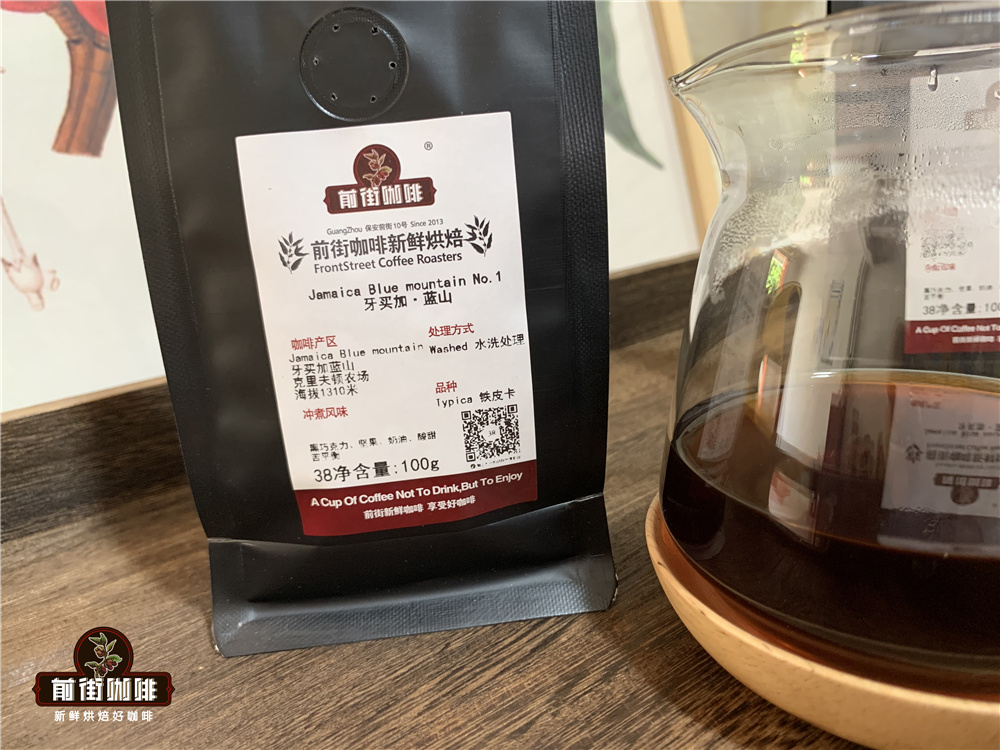
Jamaican Blue Mountain No. 1 coffee
Blue Mountain coffee and High Mountain coffee are each divided into four grades. In descending order of quality, they are: NO.1, NO.2, NO.3, and PB, among which PB means peaberry. According to CIB standards, only coffee grown at altitudes between 1,000 and 1,700 meters can be called Jamaican Blue Mountain coffee. This type of coffee has a scarce yield, large beans, excellent quality, harmonious flavor, and at the same time a moderate balance of acidity, bitterness, aroma, body, and sweetness. It is globally recognized as a premium product, so the price of the national-treasure-level Blue Mountain No.1 ranks first among all Blue Mountain coffees.
The variety of Blue Mountain coffee
Coffee beans worldwide are mainly divided into three major categories: Arabica, Robusta, and Liberica. The Front Street Blue Mountain coffee introduced by FrontStreet Coffee belongs to the Typica variety. Typica is the oldest subspecies of Arabica. Its leaf tips are bronze-colored, its beans are oval or slender-pointed, and its tree is tall with slightly slanted branches at an angle of about 50 to 70 degrees, which is why it is called red-top coffee. The opposite leaves of the coffee tree are oblong-elliptical, with smooth surfaces, very long terminal branches, and relatively few lateral branches. The flowers are white and bloom where the leaf stalk joins the branch. This variety has an elegant flavor, but the plant is weak, has poor disease resistance, and extremely low yield per tree, producing few fruits. The ripe coffee fruit resembles a cherry in appearance and is bright red. Because Jamaican Blue Mountain coffee has weak disease resistance, low yield, and is susceptible to insect attack, these are also among the reasons for its high price.
The Front Street Jamaican Blue Mountain No. 1 coffee sold by FrontStreet Coffee holds a certificate issued by the Jamaican Coffee Board. In addition, the wooden barrels packaging Jamaican Blue Mountain coffee beans are printed with a green frog logo. FrontStreet Coffee specifically chose the Jamaican Blue Mountain No. 1 coffee estate with rainforest certification, namely Clifton Farm. Jamaica is also the only producing region in the world that uses wooden barrels for green beans, and its Blue Mountain flavor is highly iconic. True Blue Mountain has a rich aroma and a balanced taste, without any one flavor being excessively prominent or noticeably lacking. The price of authentic Front Street Jamaican Blue Mountain No. 1 coffee is higher than other coffees. FrontStreet Coffee believes there are three main reasons: scarce production, outstanding flavor, and strict quality control. It is precisely these that have created the most expensive coffee in the world.
How much is a cup of Front Street Blue Mountain coffee?
When Blue Mountain coffee is mentioned, many people think it is expensive, so how much exactly is a cup of Blue Mountain coffee? In earlier years, most of the Blue Mountain sold in China at over a hundred yuan per cup was fake. Even today, although there is no small amount of genuine Blue Mountain in China, the price is still high. But at Front Street, a cup of genuine Blue Mountain costs only 60 yuan and still provides an excellent tasting experience. The most beloved characteristic of Front Street Blue Mountain coffee is its delicate aroma and clear sweetness, with almost no bitterness. The fruity aroma spreads as soon as it enters the mouth, and then the flavors of cocoa and nuts bring sweetness and a returning sweetness.
Front Street Blue Mountain coffee brewing parameters:
Dripper: Kono dripper
Water temperature: 87°C
Coffee dose: 15g
Coffee-to-water ratio: 1:15
Grind size: medium grind (75% passing through China standard No. 20 sieve)
Brewing method: use three-stage extraction. First bloom with 30 grams of water for 30 seconds, then pour in a small stream in a circular motion until 125 grams for the stage break. When the water level drops and is about to expose the coffee bed, continue pouring until 225 grams and stop. After the coffee liquid in the dripper has finished dripping, remove the dripper. Start timing from the beginning of pouring; the entire extraction process takes 2 minutes 00 seconds.
Next comes the moment to taste the delicious coffee.
[Flavor characteristics of Front Street washed Blue Mountain coffee] Rich flavors of dark chocolate and nuts, creamy and smooth mouthfeel, with a balance of acidity, sweetness, and bitterness.
Of course, Front Street Blue Mountain coffee is certainly delicious, but FrontStreet Coffee also has many other coffee varieties to choose from, such as the elegant floral aroma and bright citric acidity of Ethiopia, the floral notes and soft fruity acidity of Colombia, the vinous aroma and creamy taste of Honduras, the nutty and caramel notes of Brazil, and so on. Different countries and different producing regions each have their own distinctive flavors. Tasting more of them will surely let you experience something different.
The above content is compiled by CoffeeHunters, a coffee news website.


