





Why Does Coffee Beans Grown Where Matter When Buying?
Choosing a first bag of coffee comes down to four practical checks: clear packaging information, a fresh roast date, a stated origin, and a roast level that matches your taste. Skip vague flavor adjectives. Start with whole beans rather than ground, because grinding exposes the coffee to air and oxidation begins immediately.
Origin sits inside the coffee belt, the band of tropical growing regions between the Tropics of Cancer and Capricorn, and that geography influences the cup you pour. Reading the label for country, region, and roast date gives beginners an actionable way to compare bags instead of guessing, and makes it easier to find coffee that suits the palate.
Newcomers who have just bid farewell to instant coffee and are preparing to step into the world of specialty coffee often have no idea where to begin when faced with a dazzling array of coffee beans. The result of buying blindly is often a cup that is hard to swallow despite high expectations. In fact, choosing coffee beans is not mysterious at all. The key lies in mastering a few practical dimensions: whether the information on the packaging is clear, whether the roast date is fresh, whether the origin is clearly stated, and whether the roast level matches your own taste preferences. This article skips subjective and vague flavor descriptions and starts from these four angles to help beginners build an actionable purchasing logic, while also combining specific Front Street Coffee products to offer recommendations under different roast levels, so you can take fewer detours and more quickly find that truly good cup of coffee that belongs to you.
Many friends who are just getting into coffee want to move away from instant coffee, but as soon as they see the dense blocks of text on coffee bean and ground coffee packaging, they feel stumped. They buy a bag casually, brew it, and take a sip: What is this strange taste? It is completely undrinkable.
So what exactly counts as good coffee beans? After all is said and done, the one that suits you is the best—but that sounds like saying nothing at all. Without having tasted enough varieties and tried enough origins, how can you judge which one suits your palate? Does the one you have been drinking for a long time necessarily mean true love? The words in the flavor description may all look appealing, but will it really taste right when you drink it?
This time, Front Street Coffee will set aside those subjective and elusive flavor impressions and talk with everyone about a few practical lessons for choosing coffee beans.
I. First, understand the information on the packaging
The details of coffee beans are basically written on the label. If you can understand the label, choosing good beans becomes much easier.
There is one principle that never changes: if you want to taste the flavor, buy whole beans. Ground coffee is indeed more convenient, but sacrificing that bit of flavor just to save a little time is really not worth it. Air is coffee's enemy. Once the beans are ground into powder, oxidation begins, and the aroma dissipates much faster. The closer the brewing is to the time of grinding, the fresher and more aromatic the coffee usually is.
II. Roast date
This is the number one priority. The roast date and the "shelf life" are completely different things. Although coffee beans may seem like they can be stored for a long time, that is not the case. Beans that have been sitting for a year will not make you sick if you drink them, and the beans may not have reached the point of being "spoiled," but they are definitely no longer tasty.
After coffee beans are roasted, their internal chemical composition immediately begins to change, while continuously releasing the carbon dioxide produced during roasting. In English, this process is called "degassing." Once degassing begins, the flavor starts to decline, so it is best to finish the coffee within forty-five days. For this reason, the coffee beans sent out by Front Street Coffee are all freshly roasted within five days, precisely to lock in the aroma as much as possible.
For example, if you like pour-over, it is recommended to start using the beans on the fifth day after roasting, and to finish them as quickly as possible, because at this time the coffee's flavor and aroma are in their most complete and ideal state. If you prefer an espresso machine, the beans can be "rested" for a few more days, and used around the seventh to ninth day. If left a bit longer, they are suitable for cold brew. These are only reference suggestions. As for exactly which day is the best tasting period, you still have to try and drink more to find your own answer.
III. Origin
Altitude, soil, rainfall, and sunlight all affect the final taste of coffee beans, so origin is an important clue for judging how to drink them. Coffee trees grow along the "Coffee Belt," which lies between the Tropic of Cancer and the Tropic of Capricorn. If the bag or the barista cannot clearly explain where this package of coffee was grown, you may want to reconsider it.
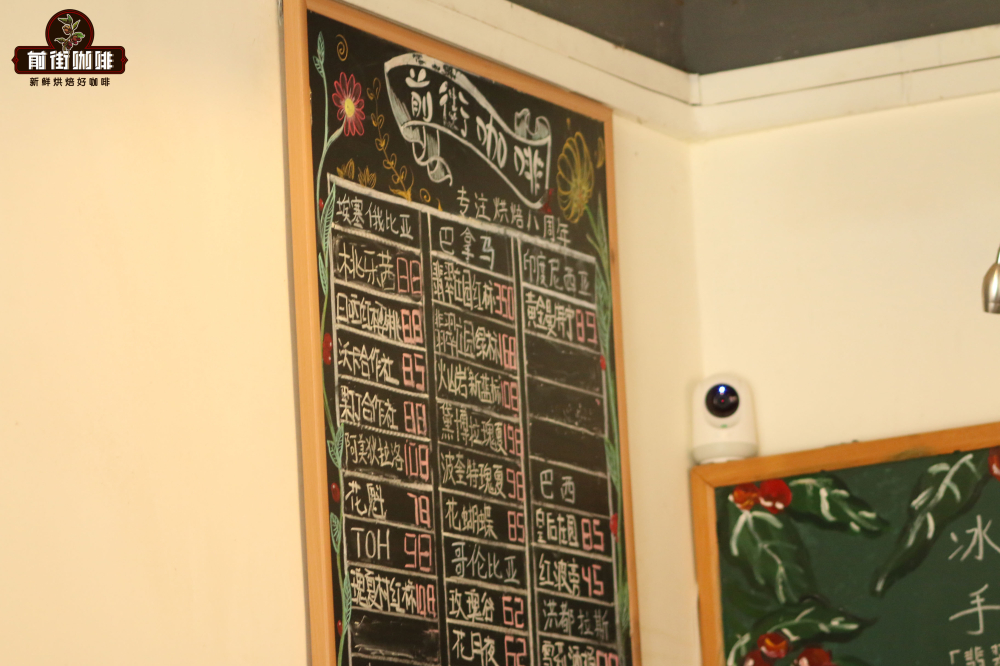
There are more than sixty coffee-producing countries in the world, but it is easier to start with well-known regions, first understanding their flavor characteristics, and then gradually moving on to more niche varieties. For example, the chocolatey sweetness of Front Street Coffee. Colombia Huila Coffee, the soft sweetness of Front Street Coffee. Costa Rica Tarrazu Coffee, the wild spice of Front Street Coffee. Indonesia Mandheling Coffee, the nutty charm of Front Street Coffee. Brazil Cerrado Coffee, the bright citrus aroma of Front Street Coffee. Ethiopia Yirgacheffe Coffee, the berry-like sweet acidity of Front Street Coffee. Kenya Small Tomato Coffee, and so on. You can first understand the characteristics of each region one by one and see which type of flavor you prefer.
IV. Roast level
Even with the same batch of green beans, different roasting methods will lead to different final flavors. Broadly speaking, roast levels can be divided into three categories: light, medium, and dark.
Light roast: shorter heating time, and the beans are on the lighter, paler side. This type of coffee has prominent acidity and almost imperceptible bitterness, suitable for pour-over or cold brew. You can try the medium-light roasted Front Street Coffee. Washed Gutingding and Front Street Coffee. Natural Huakui.
Medium roast: the beans are caramel-colored and relatively bright. The acidity is noticeably lower than in light roast, and bitterness begins to appear, but overall it is balanced and easy to drink, lightly sweet and smooth, mainly featuring caramel and chocolate aromas. It is the most commonly used roast level and works well for pour-over, moka pot, and home coffee machines. You might try Front Street Coffee. Strawberry Candy and Front Street Coffee. Queen's Estate.
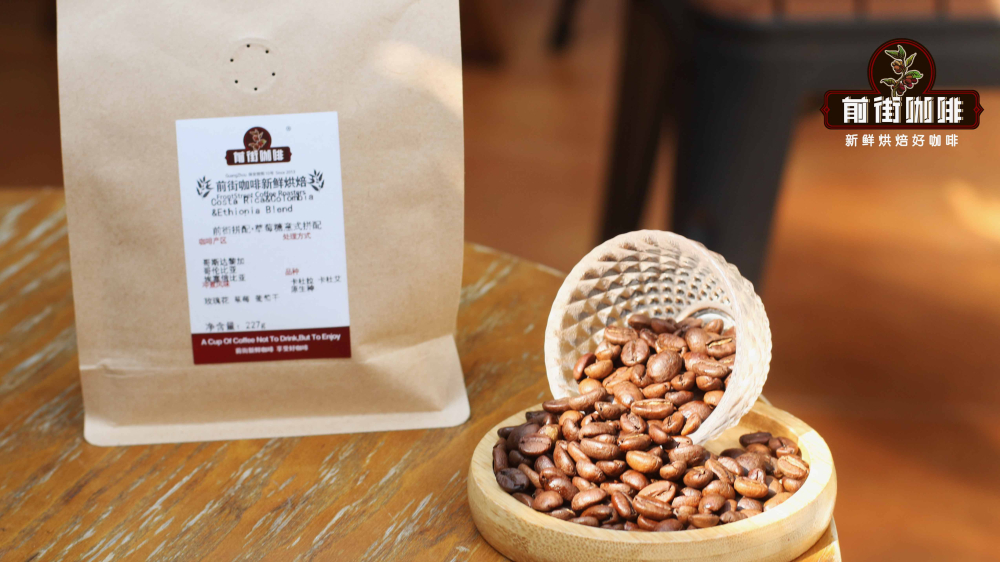
Dark roast: the beans are black, glossy, and oily, the acidity has basically disappeared, and bitterness is absolutely dominant. It is very suitable for espresso. It is recommended to choose the medium-dark roasted Front Street Coffee. Golden Mandheling and Front Street Coffee. Classic Espresso Blend.
The above content is compiled by CoffeeHunters, a coffee news website.


