





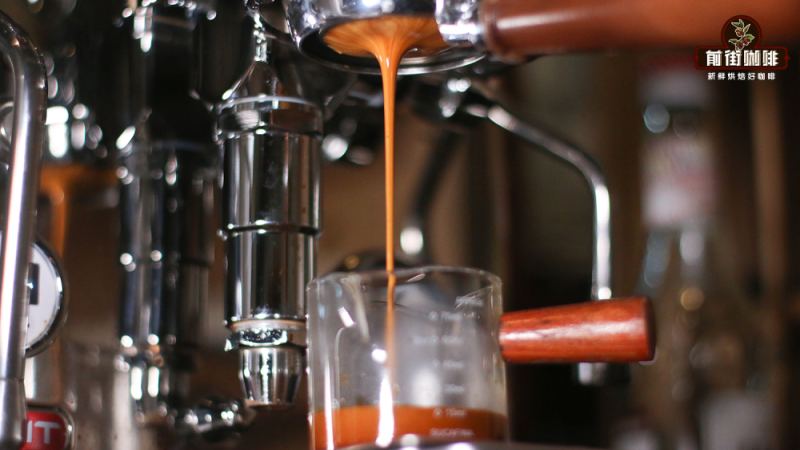
What separates a latte, cappuccino, mocha and macchiato
All four drinks start with a shot of espresso, and the difference comes down to how much milk, milk foam, and chocolate sauce goes in. A latte carries the most steamed milk with a thin foam cap, a cappuccino uses equal parts espresso, milk, and a thick foam, and a mocha adds chocolate sauce. A macchiato is espresso marked with only a small spoonful of milk or foam.
Espresso is a concentrated coffee pulled under pressure, and its intense taste pushed cafes elsewhere to add ingredients to it. The recipes are simple to repeat at home if the espresso is extracted well and the milk is frothed properly. The beans matter too, since the final flavor follows the blend and its roast level, so medium-dark blends built for espresso give a mellow, reliable base.
Walking into a café and facing names like latte, cappuccino, mocha, and macchiato, many people find themselves unable to tell them apart. They are all based on espresso, and the difference mainly lies in the proportions of milk, milk foam, and chocolate sauce. This time, Front Street Coffee will break down the four common Italian milk coffees one by one, from the key points of espresso extraction and the choice of coffee beans to the specific recipes and taste characteristics of each drink, helping you reliably recreate a café-quality flavor at home.
For professional coffee knowledge exchange and more coffee bean information, please follow Coffee Workshop (WeChat public account cafe_style)
For more specialty coffee beans, please add the private WeChat of Front Street Coffee (FrontStreet Coffee), WeChat ID: qjcoffeex
Standing at the bar of a coffee shop and facing common options like latte, cappuccino, mocha, and macchiato, have you ever felt confused? This time, Front Street Coffee (FrontStreet Coffee) has specially put together a guide that can not only help you distinguish the taste differences among various Italian coffees, but also teach everyone the mixing ratios.
So-called Espresso is a highly concentrated coffee made with the pressure system of an espresso machine. Its taste is intense and striking, and many people do not adapt to it at first. For this reason, when espresso spread to different countries, local people added various ingredients to it, and with espresso as the base, a wide variety of coffee drinks gradually evolved.
Among the many Italian coffees with milk added, latte, cappuccino, macchiato, and mocha were pushed to the global market by Starbucks, so many people in China are especially familiar with them.
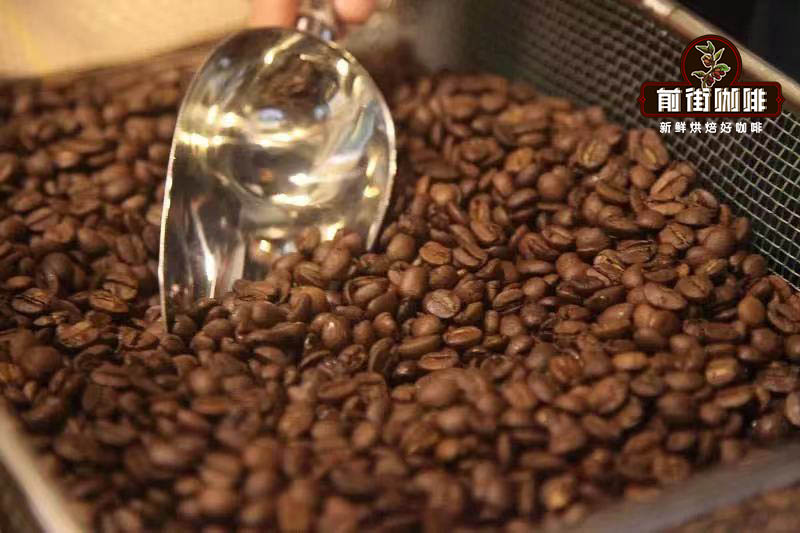
No matter which Italian milk coffee you make, the first step is to have an espresso machine with a steam wand. As for coffee beans, it is recommended to choose medium-dark roasted comprehensive beans with a mellow taste that are specially blended for espresso. The final taste of the coffee depends on the beans themselves and the roasting degree.
Front Street Coffee (FrontStreet Coffee) currently has four Italian blend beans on sale, and by default they are shipped as whole beans within 5 days after roasting is completed, ensuring that what everyone receives is 100% freshly roasted. After receiving the beans, you can first check the roast date on the back label, then wait until the 7th day from that date before starting to use them, giving the coffee beans time to release carbon dioxide so that extraction will be more stable.
"Warm Sun Blend Coffee Beans" 79/227g: Ethiopian natural Red Cherry coffee beans (30%) + Honduran sherry barrel coffee beans (70%), showing rich wine aroma, vanilla cream, berry sweet-tartness, and roasted nut flavors.
"Specialty Blend Coffee Beans" 75/454g: Colombian washed coffee beans (30%) + Brazilian semi-washed coffee beans (70%), with nut, dark chocolate, and caramel flavors.
"Commercial Blend Coffee Beans" 60/454g: Robusta washed coffee beans (10%) + Colombian washed coffee beans (30%) + Brazilian semi-washed coffee (60%), presenting nut, cocoa, and caramel flavors.
"The Italian moka pot coffee beans recommended by many baristas - Front Street Dark Cocoa Blend Coffee Beans" 50/454g: Yunnan washed small-bean coffee (30%) + Brazilian semi-washed coffee beans (70%), with soft fruit acidity, caramel, and nut flavors.
After getting the coffee beans, you also need an espresso grinder to grind the beans to an extremely fine particle size, put them into the portafilter basket and spread them evenly, then use the included tamping tool to press them flat and firm, lock it back onto the coffee machine, and press the extraction button.
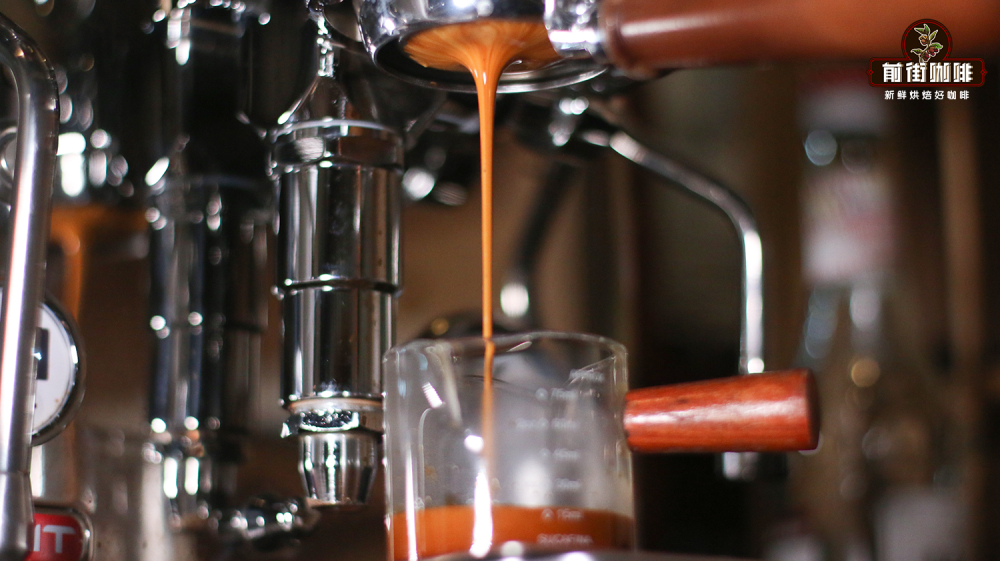
Because the performance of each grinder and coffee machine differs, usually extracting 20g of coffee liquid from 10g of coffee grounds, or 40g of coffee liquid from 20g of coffee grounds, should take between 25 and 30 seconds. After extraction, you can first take a sip of the espresso, then judge whether the grind needs to be adjusted coarser (for a lighter taste) or finer (for a stronger taste).
Once the espresso is ready, you can use the steam wand to heat and froth the milk.
The mixing ratio for latte is: 20g espresso + 160ml milk + 1cm thick milk foam. After the milk and coffee are evenly combined, the overall balance is good and the texture is smooth. The total volume is about 200ml, so you need to prepare a 200ml bowl-shaped latte cup.
Mocha is an Italian milk coffee with chocolate flavor. The mixing ratio is 20g espresso + 10g chocolate sauce + 150ml milk + 1cm thick milk foam. If conditions allow, you can also add some marshmallows on top to increase the sweet aroma. The method is similar to latte, and it is enough to prepare a 200–300ml bowl-shaped latte cup.
The mixing ratio for cappuccino is: 40g espresso + 120g milk + 1.5cm thick milk foam, with a total volume of about 200ml. Compared with latte, cappuccino has a stronger coffee taste and denser, thicker milk foam, and the first sip feels like marshmallow. When making cappuccino, the milk foam must be piled high, so it is recommended to use a 200ml straight-sided or tulip-shaped coffee cup.
The mixing ratio for macchiato is: 20g espresso + a little bit of milk foam. This cup of coffee is actually just espresso with a small spoonful of milk foam added. It looks very small, and the overall taste is rich and mellow. Front Street recommends serving it directly in an espresso cup.
The above content is compiled by CoffeeHunters, a coffee news website.


