







For more specialty coffee knowledge, please follow the WeChat official account: Front Street Coffee (FrontStreet Coffee)
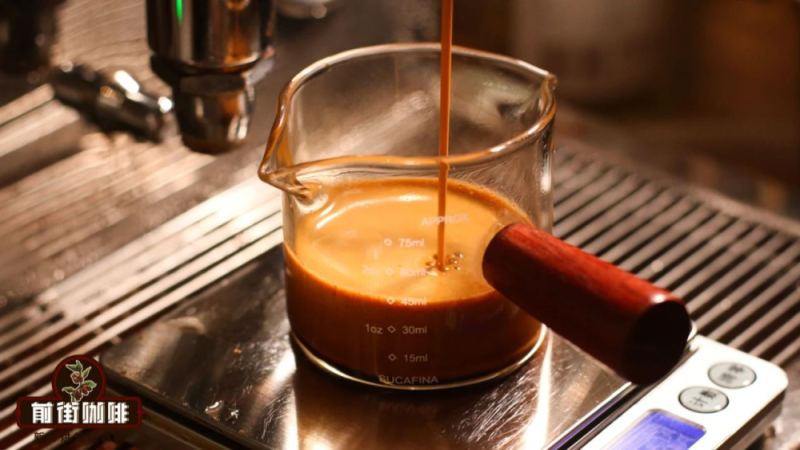
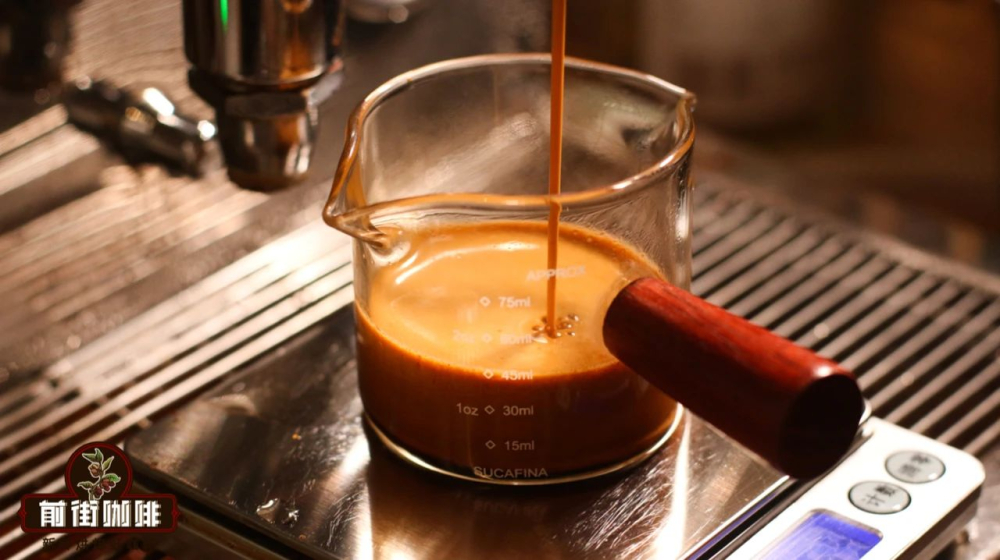
The coffee folks at Front Street Coffee (FrontStreet Coffee) often share: "The core of espresso is the espresso shot itself," and a good espresso shot largely determines whether an espresso-based drink tastes good or not.
With the popularity and development of specialty coffee, customers and shop owners are increasingly aware of the importance of choosing espresso beans. We can see more and more cafés offering SOE. What is SOE? SOE is actually the abbreviation of "single origin espresso," which means using only one type of coffee bean to make espresso, and using it as the base to create all kinds of espresso drinks.
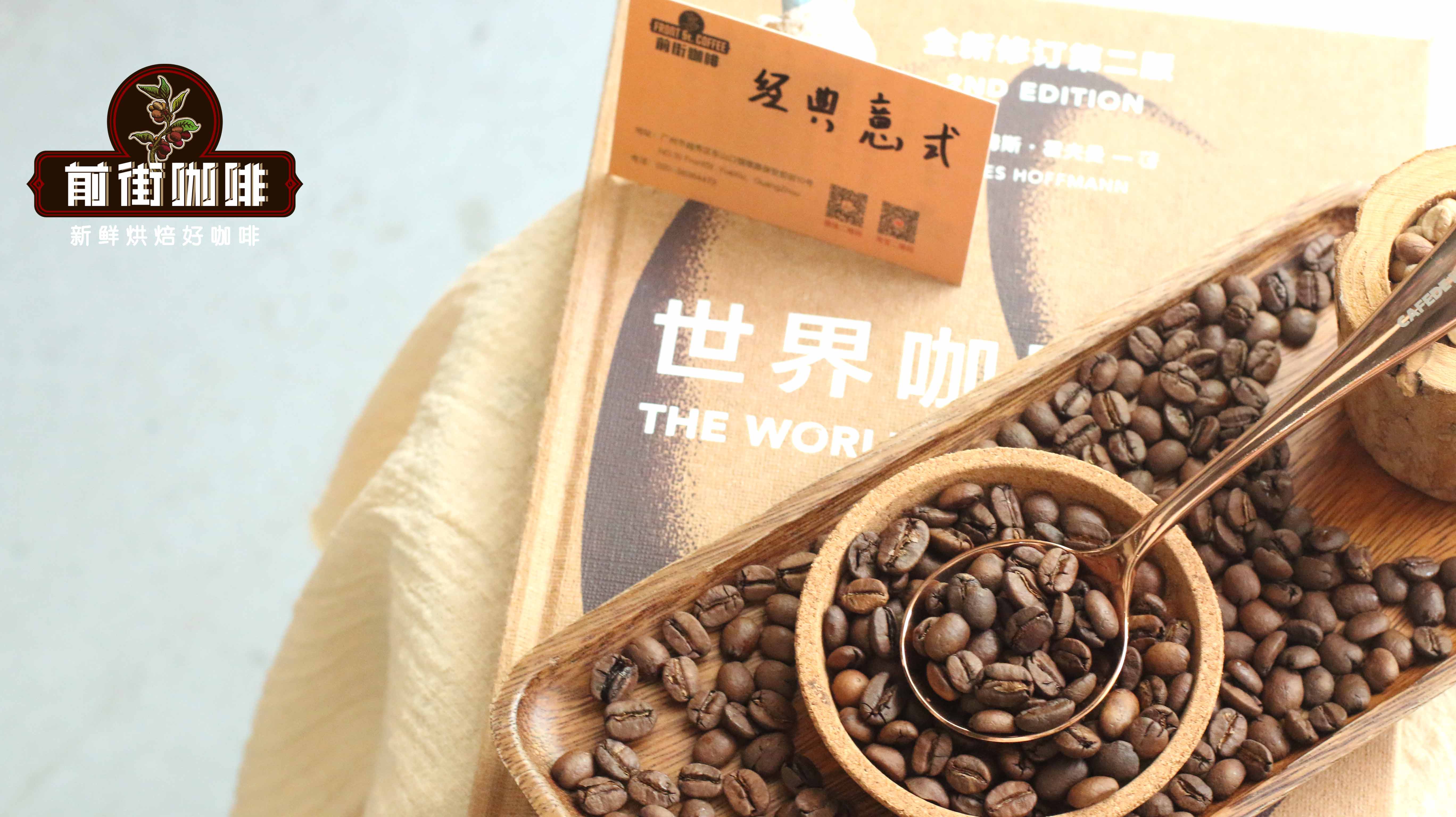
What makes SOE single origin espresso special? SOE single origin espresso corresponds to our old way of blending coffee. Blended coffee beans are made by mixing different coffee beans, while single origin espresso does the opposite, using only one type of coffee bean.
Blended coffee beans exist for multiple reasons: first, to create flavors that a single origin cannot produce; second, to create an exclusive, long-term stable recipe; third, to reduce costs, etc. For example, the Front Street Coffee (FrontStreet Coffee) store has used a Front Street specialty blend coffee bean for as long as six years.
Unlike blends, the rise of single origin espresso SOE may be similar to pour-over coffee—to highlight the characteristics of a single origin. As we learn more, we also know that coffee is like red wine; different origins have different flavors, such as the citrus and floral notes of Yirgacheffe, or the citrus and dark cocoa of Colombia. Last century's cafés used exclusive blend recipes to create espresso drinks with their own unique taste, while nowadays many cafés use the flavors of different origins to create espresso drinks that set them apart from other cafés.
That being said, which origins' coffee beans are suitable for making SOE single origin espresso? Today, the baristas at Front Street Coffee (FrontStreet Coffee) will share their thoughts.
What coffee beans are recommended for SOE single origin espresso?
Many customers often ask the baristas at Front Street Coffee (FrontStreet Coffee), "Is SOE just using the single origin beans for pour-over to make espresso?" "Which origins' coffee beans are more suitable for SOE?" The baristas at Front Street Coffee (FrontStreet Coffee) believe that espresso, like pour-over, is just a method of brewing coffee. Single origin coffee beans for pour-over can of course be made into espresso, but whether it tastes good is another matter.
When choosing coffee beans for SOE single origin espresso, we need to meet a few conditions: first, the flavor should be vivid and specific; second, the roast should be appropriate.
Let's talk about roasting first. What is the characteristic of SOE single origin espresso? It is to express the regional flavor of a single origin. What does that mean? It means the roast level cannot be dark. We know that roasting is a step that profoundly affects the taste of coffee beans. The darker the roast, the more the coffee's inherent origin flavors are gradually worn away, replaced by the caramelization and roasted notes brought by roasting. This goes against the purpose of highlighting the single origin's flavor.
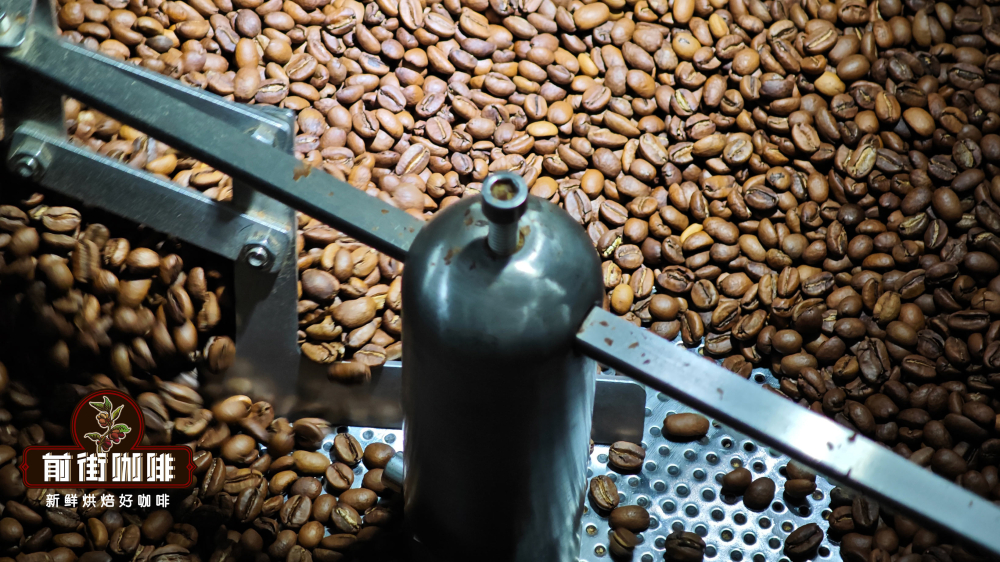
But at the same time, it cannot be too light. Although a light roast highlights the coffee bean's own flavors more than a dark roast, we also have to consider the high-pressure environment that an espresso machine goes through when extracting espresso. A too-light roast means the coffee beans are very hard, the flow rate during extraction is slow, the time is short, and it is easy to underextract, resulting in sharp acidity and incomplete flavor.
Next, the coffee's flavor should be vivid and specific. There are several important competitions in the coffee industry, including barista competitions and brewer's cup competitions. One of the categories in barista competitions is espresso, and many competitors choose Geisha coffee as their competition bean. Many people joke that today's competitions are all Geisha competitions. So why do competitors like to use Geisha coffee in competitions?
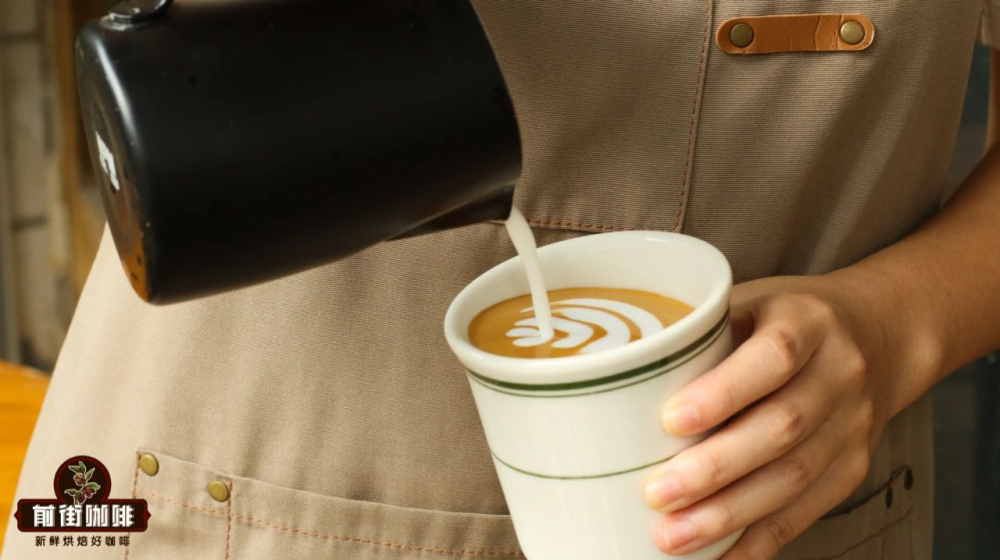
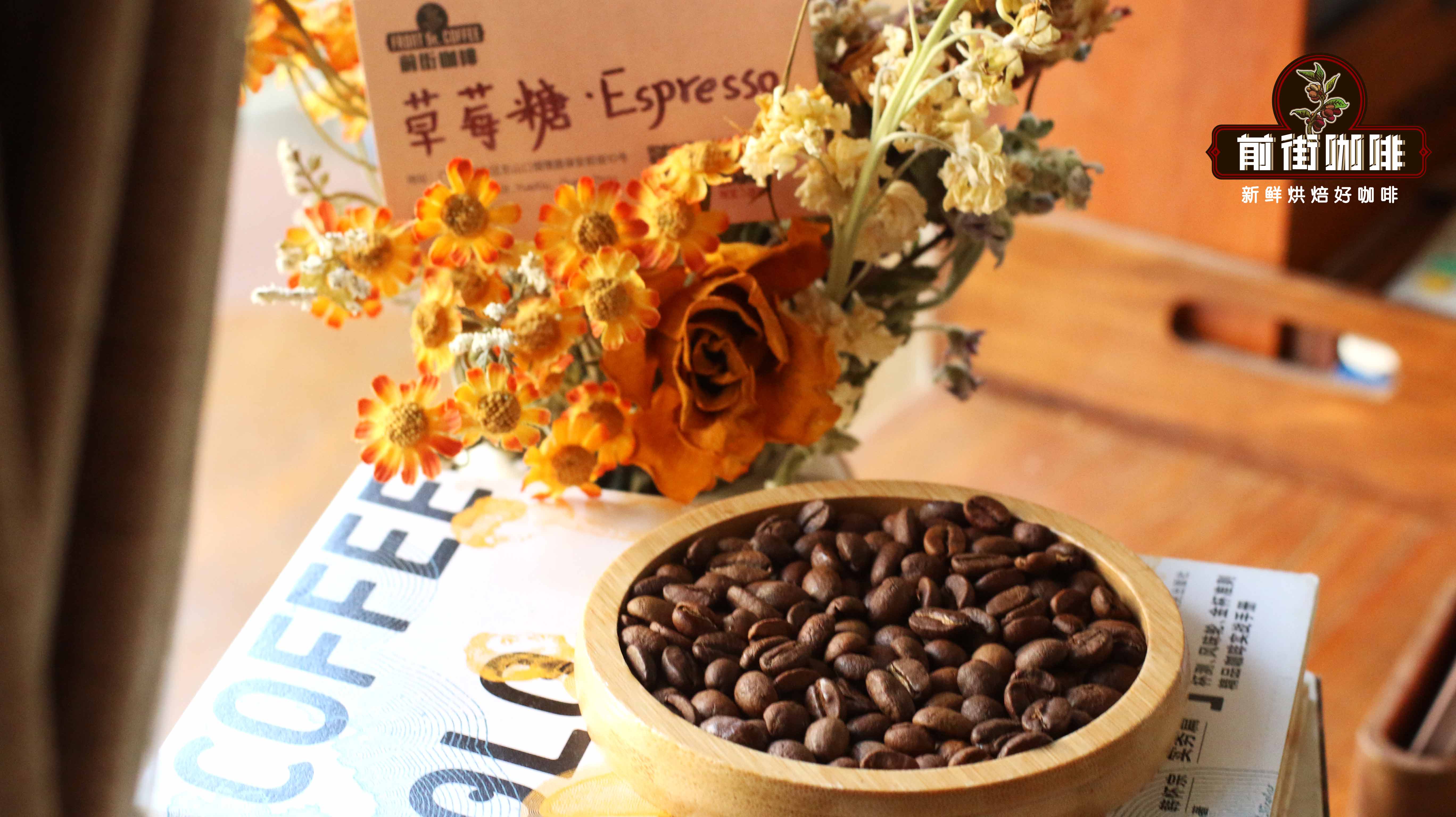
One important reason may be that its flavor is clear and vivid. In competition, competitors need to score points: first, the extraction must be correct; second, the competitor must accurately describe the coffee's flavor; third, the judges must be able to taste the flavor the competitor describes. So if the coffee itself is high enough in quality, the clearer the flavor and the more vivid the taste, the less likely the competitor is to lose points. For example, if you want to make a coffee combination of one bean served two ways, using Front Street Strawberry Candy espresso blend coffee beans for extraction, the americano will show refreshing floral notes and sweet orange flavors, while the latte will have sweet strawberry milk candy and nutty aromas, smooth and gentle.
Sharing up to this point, everyone may already feel how difficult it is to make a good cup of SOE coffee. Using single origin coffee beans to make espresso is simple, but using single origin coffee beans to make a delicious espresso may really require more effort, cost, and time.
Among the many coffee beans on Front Street Coffee (FrontStreet Coffee)'s bean list, are there any beans that meet the criteria for or are recommended for making SOE coffee? On this question, the baristas at Front Street Coffee (FrontStreet Coffee) will recommend a few beans with a relatively high tolerance for error.
Option One: Fruity Type
For those who like fruity coffee, we recommend Front Street Huakui coffee beans for customers who enjoy fruity types. Front Street Huakui is a natural-processed coffee bean from the Hambela region of Ethiopia. It rose to fame in 2017 and has been deeply loved by the domestic market ever since, becoming a daily staple coffee for many customers due to its rich aroma and affordable price. Front Street Huakui coffee comes from the Buku Abel processing station in the Hambela region, uses traditional natural processing, and in cupping shows obvious berry and cream flavors.
The baristas at Front Street Coffee (FrontStreet Coffee) recommend using 22 grams of coffee powder to extract 38 grams of coffee liquid, with a time of 18 to 20 seconds. The acidity is medium-high, sweetness is medium, bitterness is medium-low. The downside is insufficient body, making it more suitable for iced americano, with a refreshing sweet-and-sour taste and no heaviness.
Option Two: Nutty Type
Besides Ethiopia, Front Street Coffee (FrontStreet Coffee) also relatively recommends American coffee beans for making SOE coffee. Compared with the acidic aroma of African coffee beans, the nutty balance of American coffee beans is more suitable for espresso, and the yield is also higher and more stable. Colombia and Brazil are both highly recommended producing countries.
If it is high-quality coffee from the Colombia region, we recommend the entry-level Front Street Colombia Huila, which has obvious nutty aromas and a smooth entry. At the same time, this is a daily staple bean, priced at 25 RMB for a 100g size. Brazil also has a highly cost-effective coffee, the variety is Red Bourbon, and it uses the locally common semi-washed processing method. The brewed coffee has a balanced taste and low acidity.
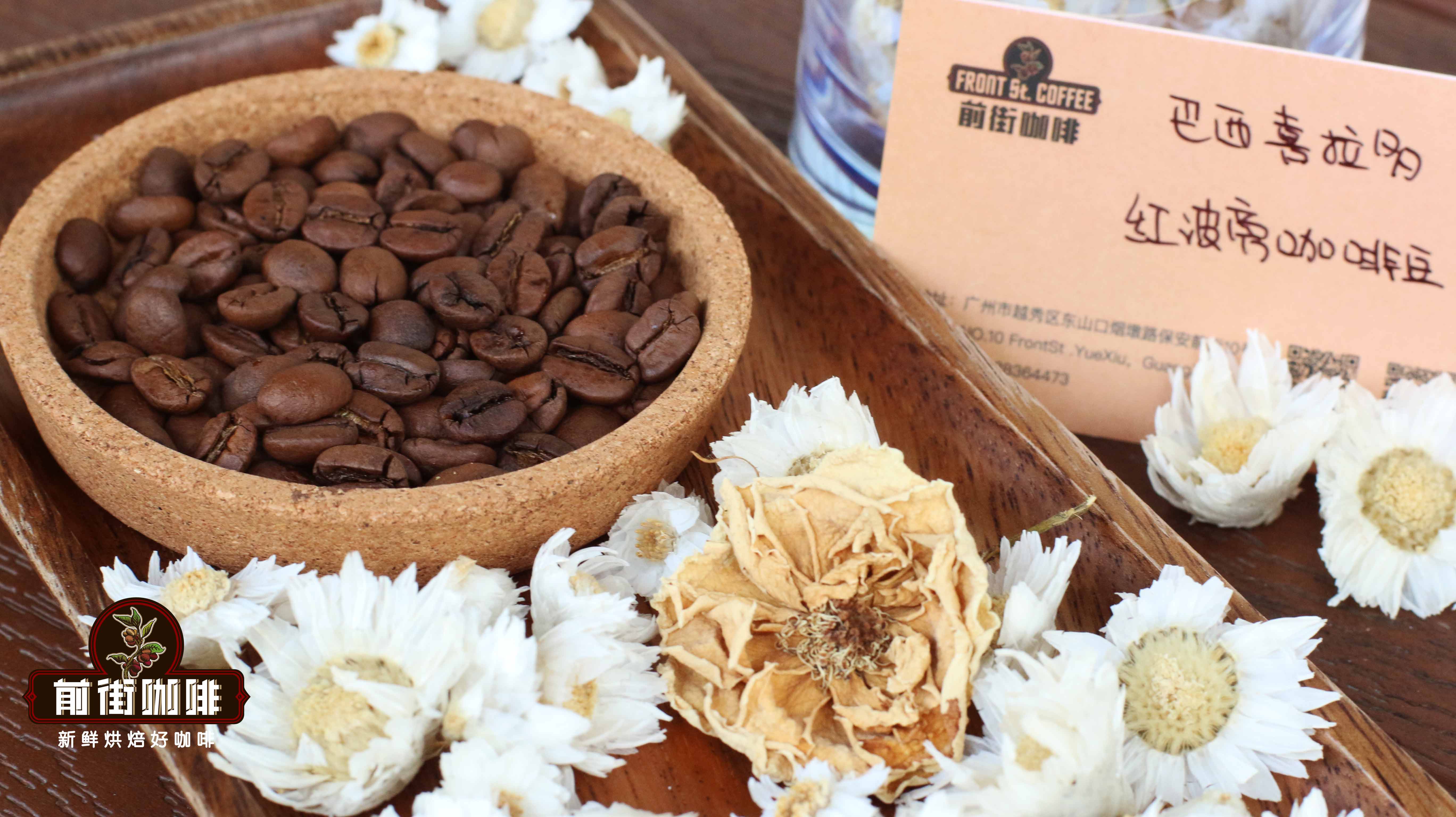
Actually, Front Street Coffee (FrontStreet Coffee) has always used coffee beans produced in Colombia and Brazil to make espresso, just in the form of blends. From 2013 to 2019, the Front Street specialty blend coffee beans used in our store were a blend of Colombia region and Brazil region. The full nutty tone was deeply loved by many regulars and new customers, and through blending, Front Street has been able to understand the extraction principles of espresso over the years.

Option Three: Fermented Aroma Type
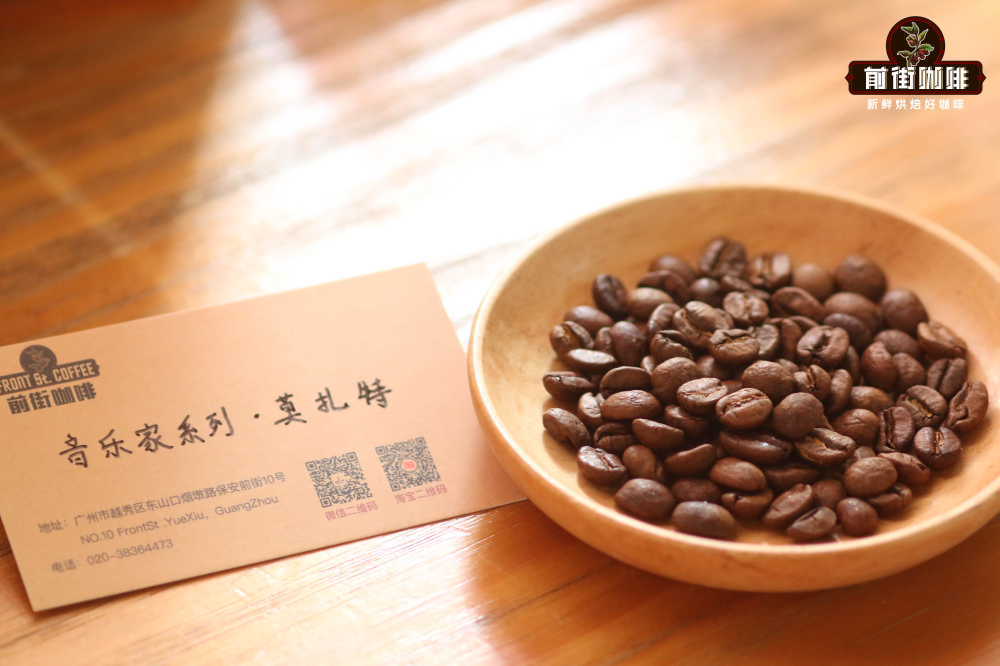
In addition, the flavors brought by some new processing methods are also very vivid. For example, Costa Rica Mozart coffee beans: this bean's ripe fruit and fermented flavors are very obvious. When using Front Street Mozart coffee beans to extract espresso, we use 20g of coffee powder to extract 40g of coffee liquid in 30-35 seconds. The espresso's aroma is very prominent, with obvious floral, raisin, and orange flavors. Tasting it directly, it somewhat lacks body. Front Street believes it is more suitable for making americano, and recommends it to customers who want to try different flavors.
Why doesn't the Front Street Coffee (FrontStreet Coffee) store offer SOE?
Is single origin espresso good for making espresso drinks? Yes, but it is difficult. Where is the difficulty? SOE is hard to master and unstable. Espresso is different from pour-over. The extraction of espresso needs to be carried out under high pressure. Under such pressure, the entire extraction is very sensitive to the coffee and very sensitive to the coffee beans' carbon dioxide. So actually, to achieve an excellent state of SOE coffee beans every day is still very energy-consuming. This is the first reason why Front Street Coffee (FrontStreet Coffee) temporarily does not offer SOE espresso drinks.
In addition, we also know that coffee is an agricultural product. Even for the same bean, the annual yield and quality are different, not to mention other human factors. What is the result? Such a product is very difficult to sustain past the second year. By contrast, Front Street Coffee (FrontStreet Coffee) prefers to maintain a long-lasting and stable product. The fact that Front Street specialty blend has been used for 6 years is the best example. This is the second reason why the Front Street Coffee (FrontStreet Coffee) store temporarily does not offer SOE espresso drinks.
However, the coffee industry is developing, and Front Street Coffee (FrontStreet Coffee) is also improving. Perhaps in the near future, the Front Street Coffee (FrontStreet Coffee) store will launch SOE coffee beans to give customers who visit the store more espresso choices. Tmall and Taobao may also launch more SOE espresso coffee beans to enrich the product line.
The above content is compiled by CoffeeHunters, a coffee news website.

