







A delicious cup of coffee starts with fresh, perfectly roasted coffee beans. But where can you find the best beans, and which countries of origin produce the most interesting flavors? Front Street Coffee presents a guide to some coffee beans from around the world, along with the flavors of various coffee types and more!
At Front Street Coffee, the bean list features such a wide variety of coffees that you'll be dazzled and won't know how to choose. No worries—next, Front Street will introduce several major categories of coffee with highly distinctive regional characteristics.
The Classic Coffee Emperor — Recommended: Front Street Blue Mountain No.1 Coffee Beans
Jamaica produces a relatively small amount of coffee each year, and not all of it comes from the Blue Mountains. But the coffee grown here is cultivated at very high altitudes.
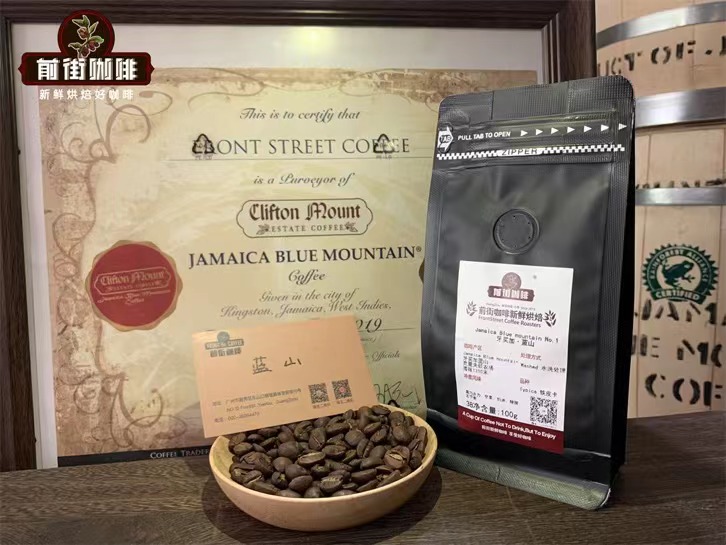
Its output is extremely limited, with about 80% of the crop shipped to Japan each year. In addition, producing these beans is extremely labor-intensive, requiring hand-picking from the hillsides. The high altitude, cool temperatures, and volcanic soil contribute to a harvest period of nearly 10 months, much longer than in other coffee-growing regions.
The resulting cup of coffee is balanced with full body, medium acidity, and mild sweetness. Some say Blue Mountain coffee is the smoothest coffee they've ever had.

Plum-like Fruit Acidity — Recommended: Front Street Kenya Little Tomato Coffee Beans
Kenyan coffee beans are among the best in the world. The efforts farmers put into cleaning and processing these beans are unparalleled.
Perhaps one of the biggest contributors to the quality of Kenyan coffee is that farmers are rewarded for producing better coffee. The government holds auctions to sell all of Kenya's coffee. Higher-quality coffee fetches higher prices, which motivates farmers to improve their crops.
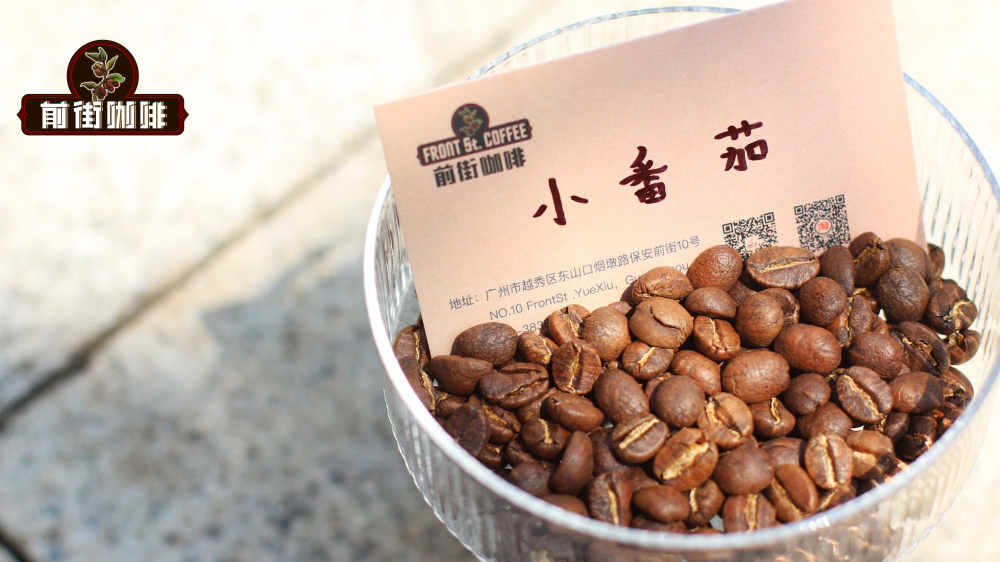
'AA' is the largest bean, followed by 'AB'. In Kenya, bigger is better. Always look for "AA." These coffees are characterized by sweet fruity flavors, wine-like acidity, and a syrupy body. Due to their processing, these coffees are among the cleanest in the world.
Wild Asian Spice Flavors — Recommended: Front Street Mandheling Coffee Beans
This coffee is named after the Mandailing people who once grew coffee in northern Sumatra. Coffee from this region has lower acidity and a sweet, smooth body. The flavors of the coffee vary widely, from cocoa and tobacco to earthy and herbal. Many people choose dark-roasted Sumatra coffee to enhance its sweetness and almost spicy flavor. Coffee throughout Sumatra is usually processed using a hybrid method similar to wet hulling. This processing method may be the biggest factor influencing the resulting coffee. These beans are perfect for a moka pot.

Sumatra Mandheling beans are one of the most controversial coffees out there. Coffee drinkers either love it or hate it. Those who love it favor Mandheling's unique rich aroma of caramel, dark chocolate, spices, and pine, with a full-bodied mouthfeel and a solid, lingering finish.
The Most Popular Variety Today — Recommended: Front Street Hacienda La Esmeralda Red Label Geisha Coffee Beans
Geisha coffee beans are one of the most unique coffee beans in the world. Although in theory they can grow anywhere, they enjoy a special reputation when grown in Panama and Costa Rica. The most famous farm is Hacienda La Esmeralda. Geisha beans were originally discovered near the town of Geisha in Ethiopia. It wasn't until the 1960s that this bean variety made its way to Panama.

What makes Geisha beans unique? Thanks to Panama's naturally superb terroir, Geisha coffee has a naturally tea-like body with lots of clear, bright, sparkling flavors such as citrus, mango, peach, and jasmine. You can also smell hints of bergamot or vanilla.
The Classic Yirgacheffe Flavor —Recommended: Front Street Guodingding Coffee Beans
Yirgacheffe is regarded as a sacred treasure in the global coffee world. Ethiopia itself is considered the birthplace of Yirgacheffe coffee and coffee beans, and it is its pride and joy. Sidama is a region in Ethiopia that contains the micro-region of Yirgacheffe. However, within Yirgacheffe there are even smaller areas: Adado, Aricha, Kochere, Konga, and more.

Ethiopian coffee is usually wet-processed, producing a light, almost tea-like cup with complex fruity and floral notes. Walk into any specialty coffee shop and you'll likely find coffee from this region on the shelves. It's easy to see why these coffees are called the gateway to fine coffee.
The above content is compiled by CoffeeHunters, a coffee news website.

