







For more specialty coffee knowledge, please follow our WeChat official account: Front Street Coffee (FrontStreet Coffee)
The latest 2023 edition of the world's top ten coffee bean rankings: Panama Hacienda La Esmeralda Red Label coffee beans, Jamaica Blue Mountain No. 1 coffee beans, Indonesia Golden Mandheling coffee beans, Ethiopia Yirgacheffe Gedeb Cooperative coffee beans, Ethiopia Sidamo Huakui coffee beans, Kenya 72-hour washed coffee beans, Costa Rica Strawberry Candy coffee beans, Yunnan small-batch coffee beans, Brazil Queen's Farm coffee beans, Papua New Guinea Bird of Paradise coffee beans.
Among the more than 50 coffee beans currently available at Front Street Coffee, the above 10 most popular specialty single-origin coffee beans in the world are included. A delicious cup of coffee cannot be separated from the freshness of the coffee beans. Front Street deeply understands that the freshness of coffee beans determines the flavor and aroma of the coffee, so all shipped coffee beans are dispatched within 5 days after roasting is completed.
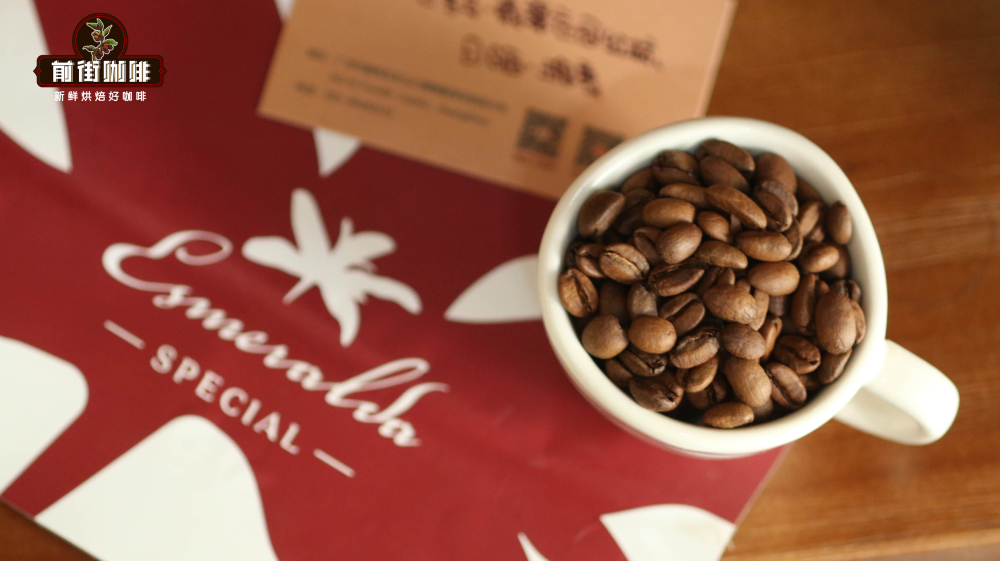
Front Street Panama Hacienda La Esmeralda Red Label Coffee Beans
Region: Boquete, Panama
Farm: Hacienda La Esmeralda, Jaramillo Mario plot
Growing altitude: 1700m
Processing method: Natural process
Variety: Geisha
Flavor: Complex fruit juice texture, bright citrus-like acidity, rose floral aroma, honey sweetness, black tea aftertaste.

Front Street Jamaica Blue Mountain No. 1 Coffee Beans
Region: Blue Mountains of Jamaica
Farm: Clifton Mount Estate
Growing altitude: 1310m
Processing method: Washed process
Variety: Typica
Flavor: Balanced sweetness, acidity and bitterness, soft citrus acidity, rich dark chocolate aroma, nutty creamy smooth mouthfeel.
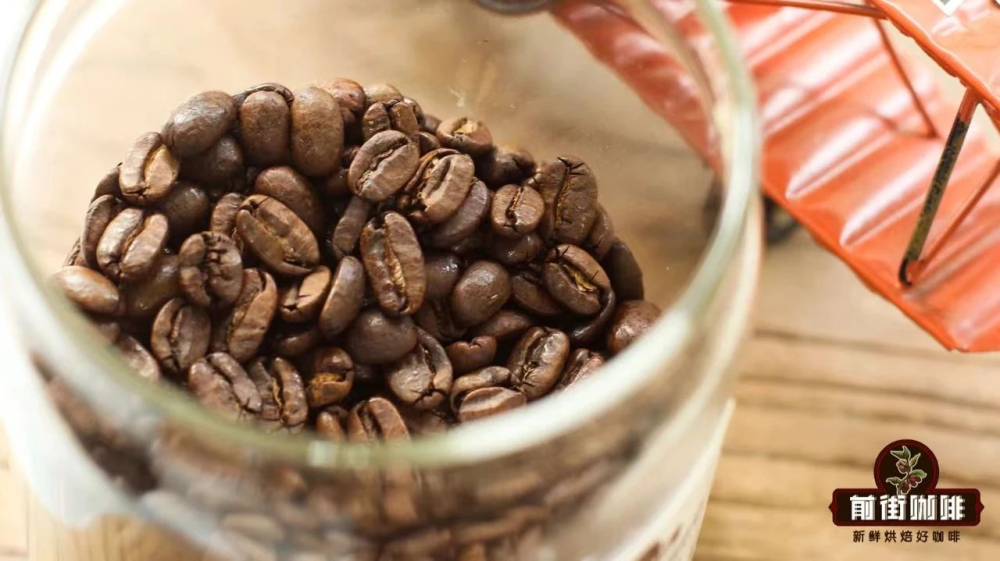
Front Street Indonesia PWN Golden Mandheling Coffee Beans
Region: Aceh Province, Sumatra, Indonesia
Company: PWN Company
Growing altitude: 1100-1600m
Grade: G1 Triple Hand-Sorted
Processing method: Wet-hulled process
Variety: Ateng
Flavor: Herbal, spice-like rich aroma, dark chocolate, caramel, nuts.
Front Street Yirgacheffe Gedeb Cooperative Coffee Beans
Region: Yirgacheffe, Ethiopia
Cooperative: Gedeb Cooperative
Growing altitude: 2000-2100m
Processing method: Washed process
Variety: Ethiopian heirloom varieties
Flavor: Bright citrus-like acidity, berry sweetness and acidity, honey sweetness, green tea aftertaste.
Front Street Ethiopia Sidamo Huakui Coffee Beans
Region: Guji, Sidamo, Ethiopia
Processing station: Buku Able
Growing altitude: 2250-2350
Processing method: Natural process
Variety: Ethiopian heirloom varieties
Flavor: Complex berry juice, fruity fermentation aroma, strawberry sweetness and acidity, jackfruit

Front Street Kenya Cherry Tomato Coffee Beans
Region: Thika, Kenya
Processing station: Asali
Growing altitude: 1550-1750m
Processing method: 72-hour washed process
Variety: SL28, SL34
Flavor: Cherry tomato aroma, plum, smoked plum-like acidity, yellow sugar-like sweetness.

Front Street Costa Rica Strawberry Candy Coffee Beans
Region: Tarrazu, Costa Rica
Farm: Mirazu Estate
Growing altitude: 1700m
Processing method: Raisin honey process
Variety: Geisha SL28 ET47 Maico
Flavor: Strawberry hard candy aroma, raisin fermentation aroma, strawberry sweetness and acidity, rose floral aroma
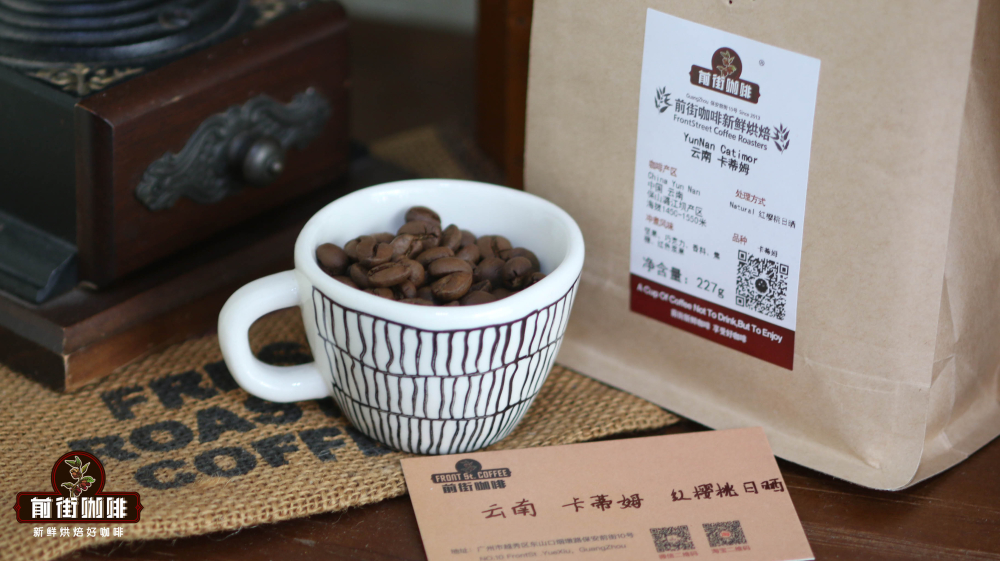
Front Street Yunnan Small-Batch Coffee Beans
Region: Baoshan, Yunnan
Growing altitude: 1450-1550m
Processing method: Full red cherry natural process
Variety: Catimor
Flavor: Red berry sweetness and acidity, rich dark chocolate, roasted nut-like aroma, caramel-like sweetness.
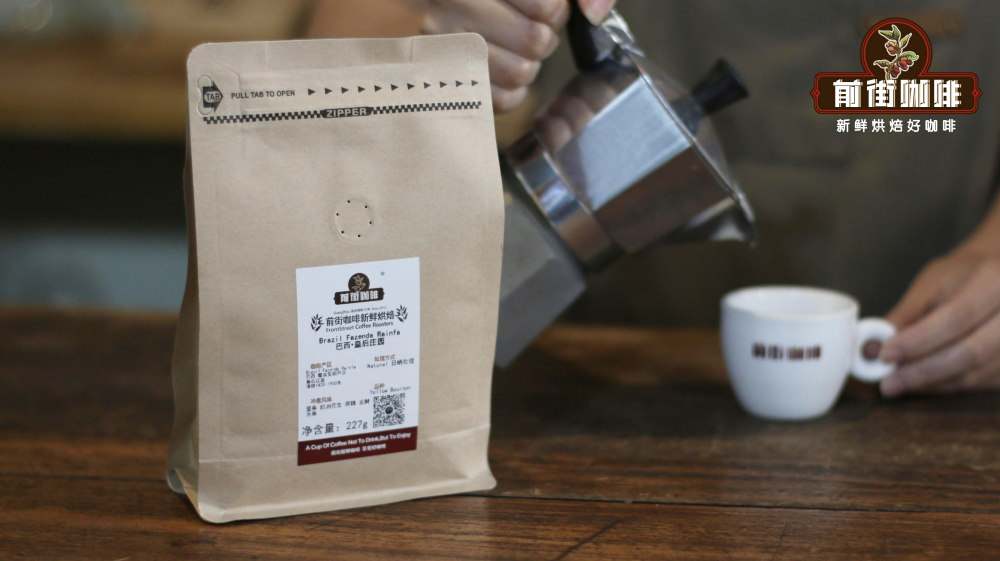
Front Street Brazil Queen's Farm Coffee Beans
Region: Mogiana, Brazil
Farm: Queen's Farm
Growing altitude: 1400-1950m
Processing method: Semi-natural
Variety: Yellow Bourbon
Flavor: Roasted nut aroma, peanut butter-like smoothness, fermented fruit-like finish.
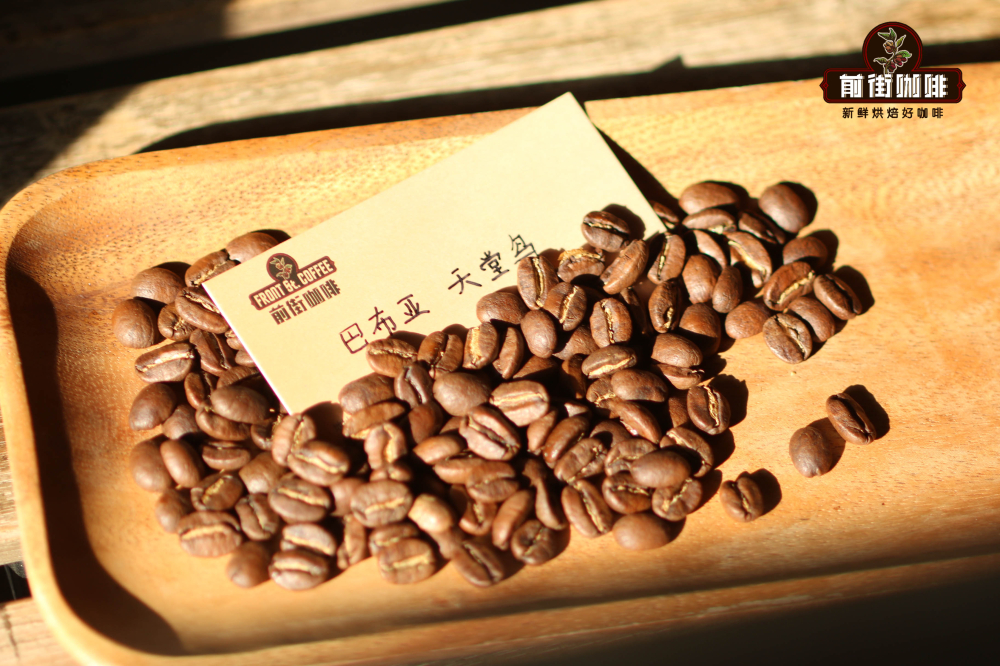
Front Street Papua New Guinea Bird of Paradise Coffee Beans
Region: Papua New Guinea
Farm: Bird of Paradise Estate
Growing altitude: 1500m
Processing method: Washed process
Variety: Typica variety
Flavor: Bright citrus-like acidity, toasted bread aroma, sugarcane-like clean sweetness, white tea-like aftertaste.
How to make pour-over coffee with single-origin coffee beans?
Based on past brewing experience, Front Street recommends that beginners adopt a three-stage pouring method. Three-stage extraction helps more fully dissolve flavor substances during extraction, increases mouthfeel layers, and at the same time avoids overly long immersion that causes over-extraction of the coffee.
If using 15 grams of coffee grounds, with a 1:15 coffee-to-water ratio, 225ml total water, the three-stage water amounts are: 30ml, 95ml, 100ml, and the weight shown on the electronic scale is: 30g, 125g, 225g.
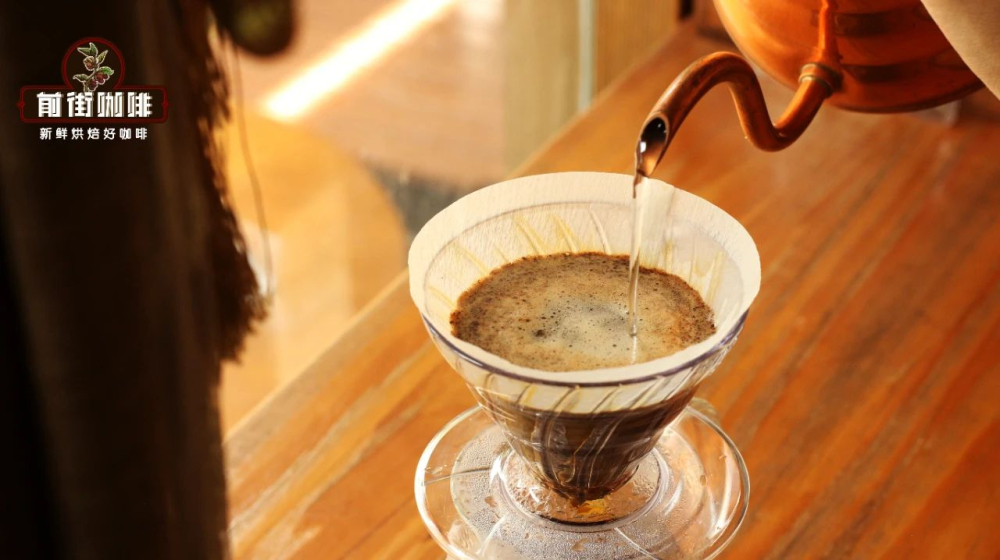
Here Front Street uses its own roasted washed Yirgacheffe Gedeb Cooperative coffee beans, paired with a Hario V60 dripper for brewing. The V60's spiral rib design allows the coffee grounds to degas better, maximizing the activation of the volatilization and dissolution of aromatic and acidic substances. Because Yirgacheffe is lightly roasted, the coffee beans are harder in texture and require hot water at 92℃-93℃ to stimulate the floral and fruity notes in the coffee.
For grind size, Front Street recommends a medium-fine grind (78% passing rate on Chinese standard No. 20 sieve), a coarseness similar to fine granulated sugar. If the grind is too coarse, it cannot extract rich and rounded flavor substances, and the brewed coffee will appear thin; if the particles are too fine, it is easy to over-extract at high water temperature, and the brewed coffee is prone to bitterness and astringency.

Regarding the brewing ratio, Front Street believes that 1:15 to 1:16 are both acceptable. If you want a richer mouthfeel, use 1:15; if you want to feel the floral aroma and sweetness more clearly, you can use 1:16 to let the flavors spread out more.
First place the folded filter paper into the dripper and fit it snugly, pour 15 grams of ground coffee into the dripper, and tare the electronic scale.

For the first stage, pour 30g of water for blooming for 30 seconds, and start timing at the same time as pouring. Throughout, pour with a small stream from the center point and begin spiraling outward, making sure to wet the entire coffee bed.
After 30 seconds, begin pouring the second stage of 95g of water steadily with a slightly larger stream. The purpose is to raise the entire coffee bed. The water column needs to be poured vertically and evenly. At this time the timer scale shows 125g, and pouring is completed at around 55 seconds.

When the liquid level drops to about half, begin using a small stream to pour the third stage of 100 grams in a small spiral. Try to control the stream so it does not spiral too widely, as it is easy to disrupt the coffee bed and cause under-extraction. The final total poured water is 225 grams, and the drip completion time is about 2 minutes. After removing the dripper, swirl the coffee liquid in the server to mix it evenly, and then you can begin tasting.
The amount of water poured in each stage is not fixed and unchanging. We can adjust it according to our accumulated pour-over experience and our understanding of the coffee beans. Front Street understands coffee brewing as an experiment with a scientific foundation. If we want to learn pour-over well, we need to deeply investigate and understand the true meaning of each brewing parameter. Only then can we easily find experimental methods and establish a brewing framework suitable for ourselves.
The above content is compiled by CoffeeHunters, a coffee news website.

