







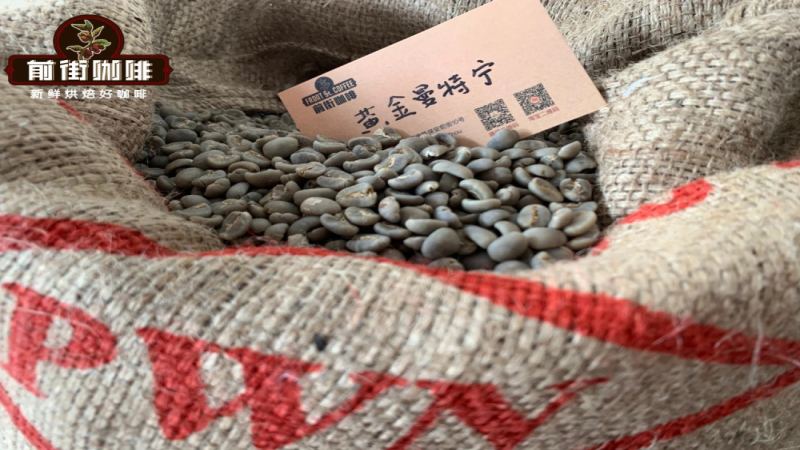
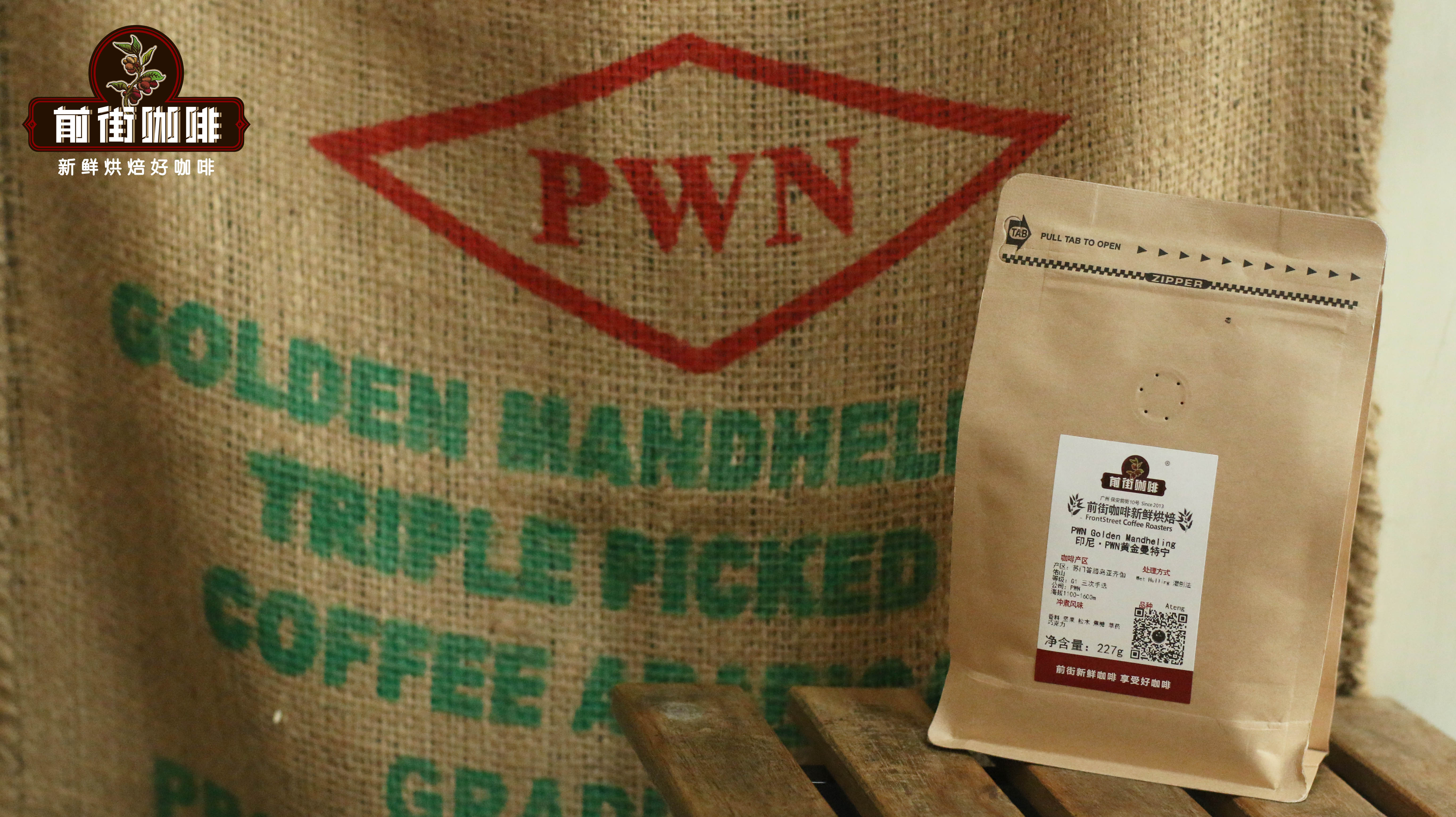
Mandheling Coffeeis one of Indonesia's most famous specialty coffees. What makes it special is the unique herbal aroma it carries—some say it's like cigars, some say spices, and some say fresh grass. A friend told Front Street that theMandheling coffeethey brewed at home only tasted bitter, completely lacking the aroma they experienced in the shop. So here at Front Street, let's use Front Street's Golden Mandheling as an example to explain how to brew Mandheling to make it taste better.
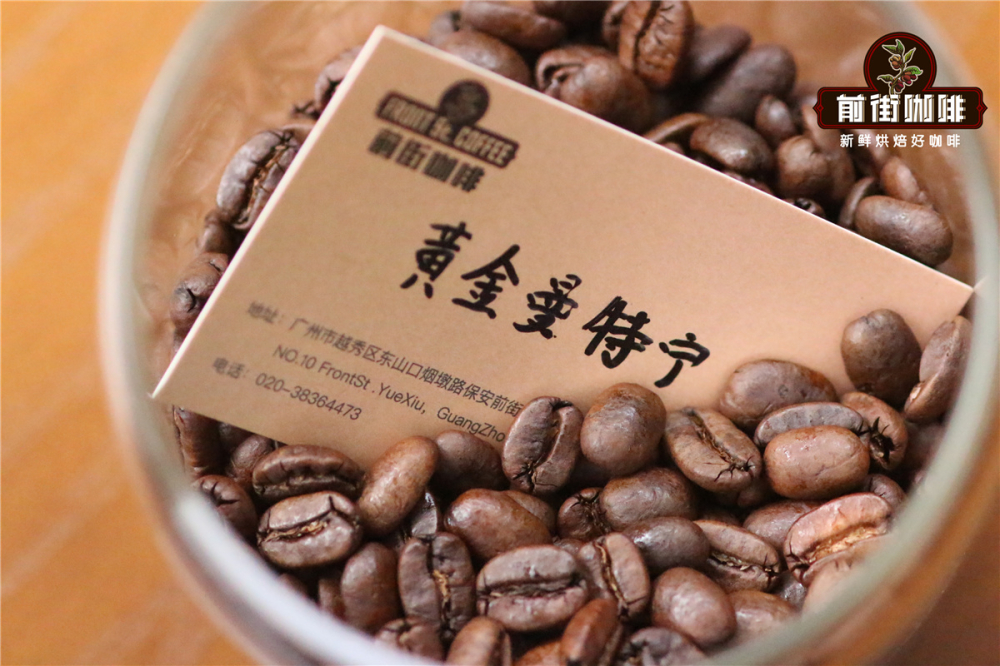
First, prepare a bag of freshly roastedGolden Mandheling coffee beans.
Before brewing, Front Street will first confirm the freshness of theGolden Mandheling coffee beans.If the coffee beans were roasted more than a month ago, Front Street will not use them for serving. Since coffee beans have an optimal flavor window after roasting, the coffee's aroma accelerates its loss over time, and the dissipated flavors are very difficult to restore during brewing. This is also why Front Street insists on only shipping coffee roasted within 5 days—Front Street hopes every customer can enjoy coffee beans at their most complete flavor stage.
Front Street'sGolden Mandheling coffeecomes from Indonesia's famous PWN company and is processed using the wet-hulled method. Although the wet-hulled method significantly increases the defect rate of coffee beans, the coffee's taste doesn't become particularly negative—instead, it brings a muted herbal aroma. In the final drying stage of the wet-hulled method, there is no parchment layer protection, so the green beans are directly exposed to the environment and various microorganisms grow on them. This gives Indonesian coffee its unique woody, spicy, and herbal notes—what we call the "taste of the region."
Because the wet-hulled method uses "rough" friction to forcibly remove the parchment layer while the green beans are semi-dry, during production theMandhelinggreen beans are subjected to considerable squeezing pressure, becoming deformed and even cracked. Therefore, the wet-hulled method results in a higher defect rate for Mandheling green beans.
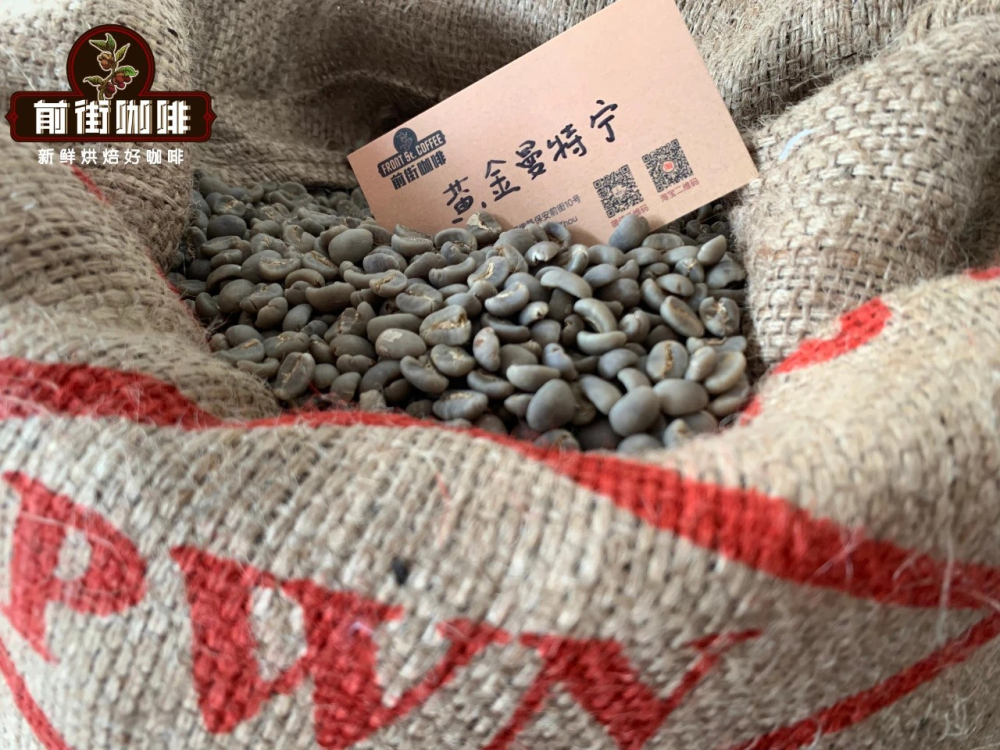
PWN company invests a great deal of manpower in green coffee beans. First, they only purchase G1 gradeMandheling coffeefrom the Lake Tawar area of the Gayo Mountains in northwestern Sumatra. Then, after four rounds of hand sorting, they ensure the Mandheling coffee beans are uniform in color, shape, and size. As a result, PWN Golden Mandheling tastes cleaner and more transparent, with more pronounced body and sweetness. (Green coffee beans above 18 screen size with fewer than 3 defective beans in a 300g sample are classified as G1 grade—the highest grade for Indonesian green beans.)
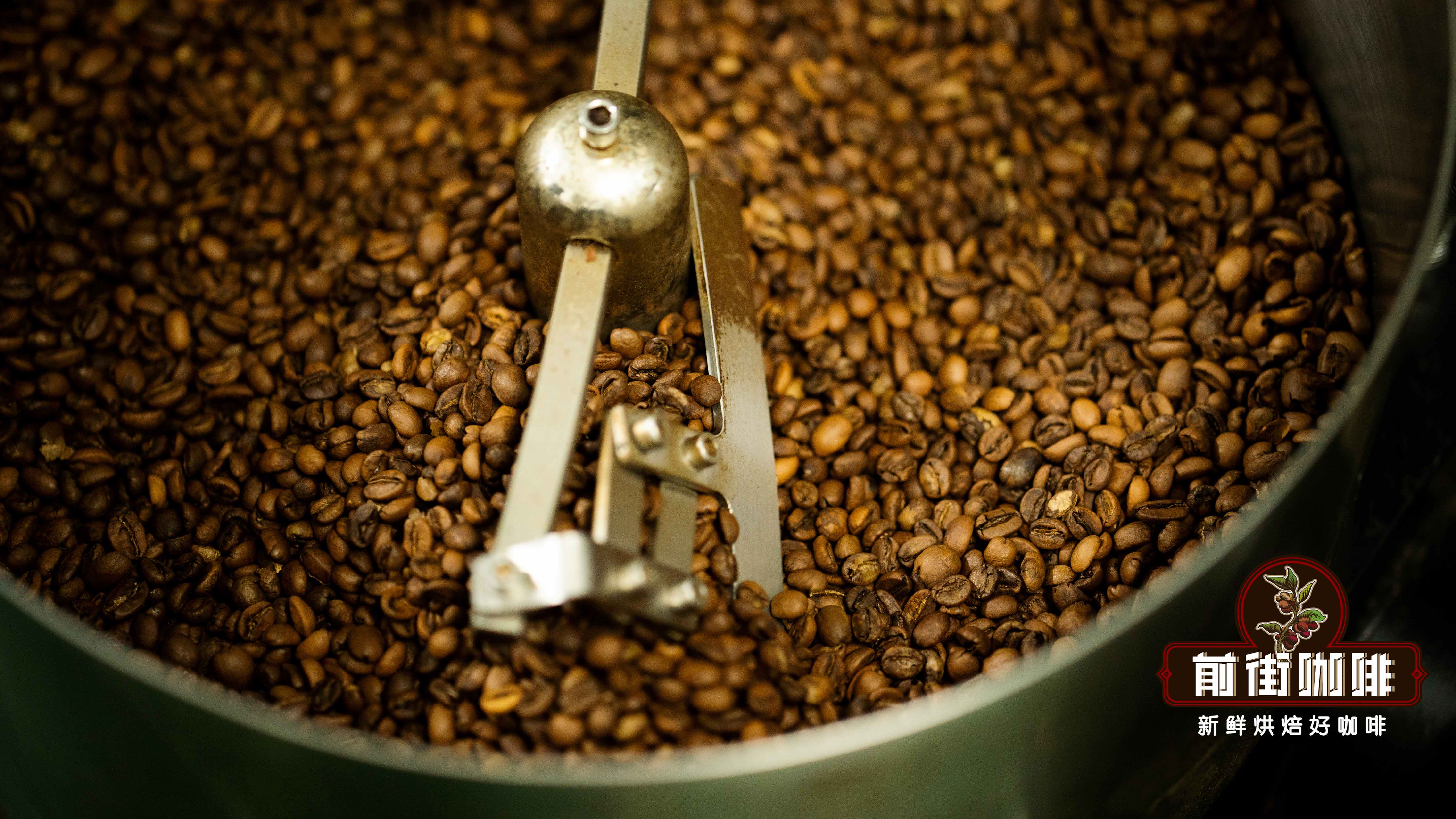
To present the classic rich flavor of Mandheling coffee, Front Street's roasters choose a medium-dark roast, allowing the aromas of dark chocolate and caramel to burst forth more intensely. Front Street Coffee's baristas also adjust their brewing based on the coffee beans' roast level and flavor type.
Coffee-to-Water Ratio
When Front Street serves a cup of coffee, it uses 15g of coffee grounds. The choice of coffee dose is usually based on the design specifications of the dripper. Front Street's dripper is suitable for 1-2 servings, so it can accommodate 15-20g of grounds. Too much coffee is harder to control and the extracted coffee flavors can easily become muddled.
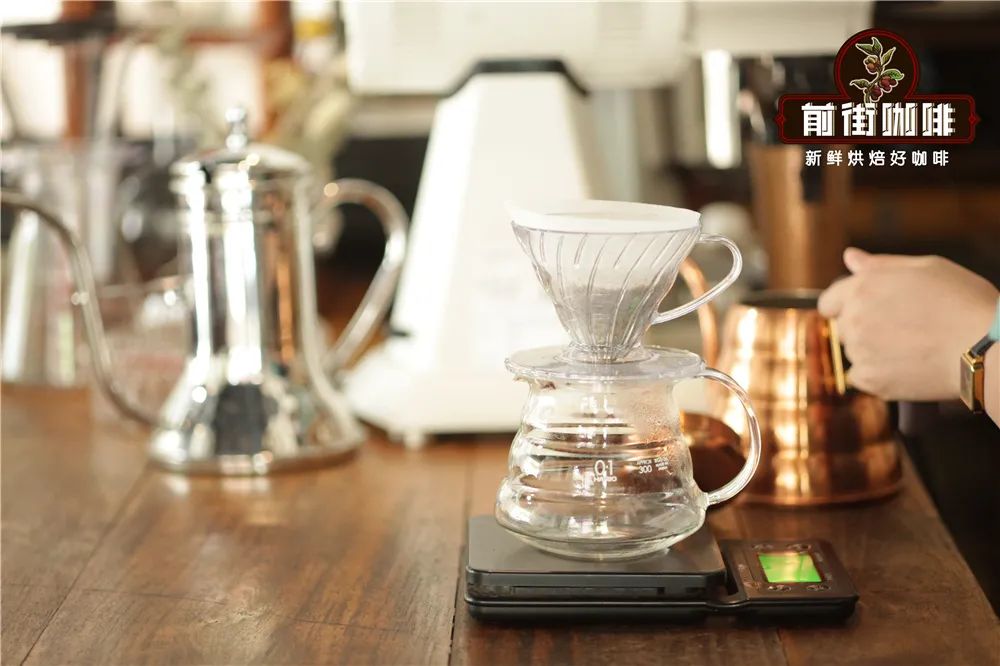
Regarding the coffee-to-water ratio, 1:15 is the most commonly used, and ratios between 1:13 and 1:17 are all acceptable. Those who prefer a richer taste can choose 1:13, while those who prefer something lighter can choose 1:17. Front Street believes everyone's taste is different—1:13 might be too strong for some, and 1:17 too weak—so we take the middle value of 1:15.
Grind Size Should Be Coarser
Dark roasting makes the internal texture of coffee beans loose—you can crush them with a gentle pinch of your fingers. This indicates that the bean structure has been significantly altered, and after grinding, the coffee grounds have strong water absorption. To avoid over-extraction after the coffee grounds absorb water and release large amounts of bitter compounds, Front Street uses a coarser grind than for light-roasted coffee beans. Here we use a medium-coarse grind (70% passing rate on Chinese standard No. 20 sieve), shop EK43s setting 11.

Brewing Water Temperature Should Be Lower
Roasting promotes caramelization and Maillard reactions in coffee beans. As the roast level deepens, more non-enzymatic browning occurs as monosaccharides and amino acids interact and decompose under heat, making it easier to release bitter, large-molecule compounds. To avoid extracting excessive off-flavors, Front Street lowers the water temperature slightly. The brewing water temperature for light-roasted coffee is 91-93°C, while for dark-roasted coffee beans Front Street recommends 87-88°C.
Choose a KONO Dripper
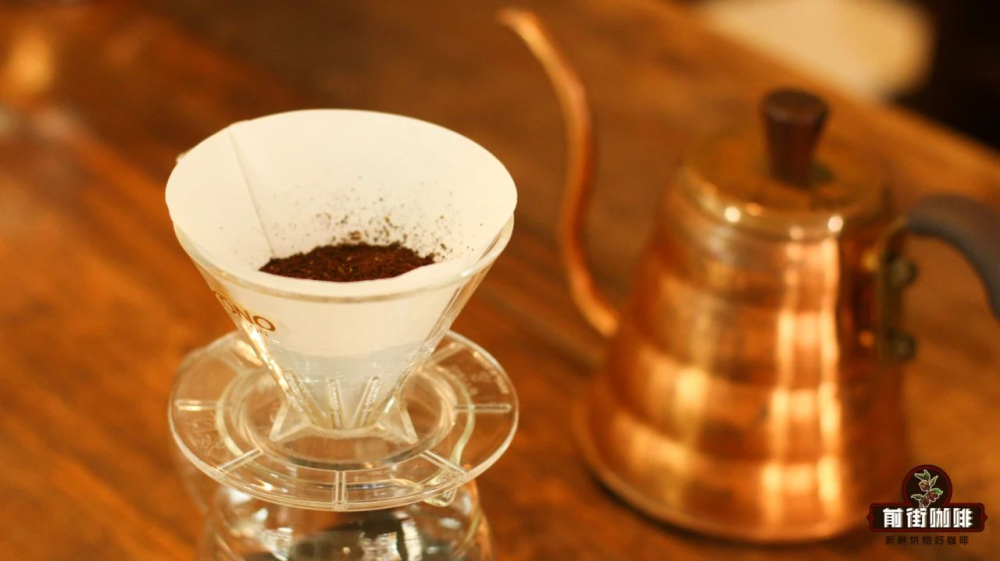
For coffees with a rich body like Indonesian Mandheling, Brazil Queen's Estate, and Jamaican Blue Mountain, Front Street Coffee's baristas prioritize using the KONO dripper for brewing. Compared to the V60, the KONO dripper has a smooth curved surface. This design actually ensures the filter paper clings tightly to the dripper wall after wetting. At the same time, the guide ribs are only a quarter of the dripper's height, restricting airflow from going upward, so water can only flow down through the bottom to the server. This increases the time for coffee grounds to absorb water, allowing the coffee bed and hot water to form an immersion extraction, making the coffee taste rounder and richer.
Pulse Pouring Makes Golden Mandheling Sweeter
The brewing method uses a three-pour technique. Dividing into three pours better expresses Golden Mandheling coffee's rich body and caramel sweetness.
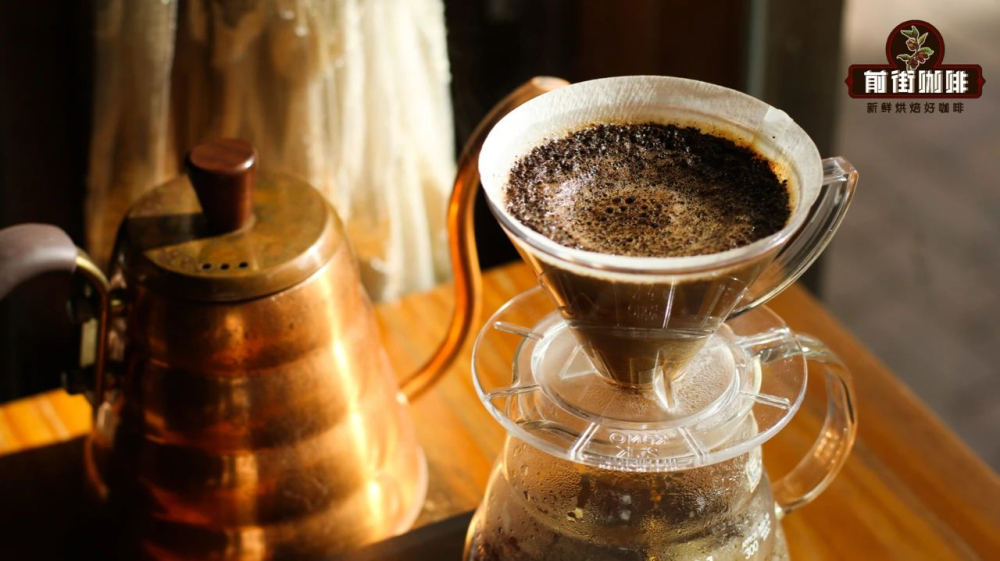
Rinse the KONO dripper to make the filter paper fit more closely against the dripper. After pouring out the water in the server, add 15g of ground coffee, then bloom with 30g of water for 30 seconds. This pour fully saturates the coffee grounds and allows them to degas, enabling better extraction of flavor compounds afterward. Some friends, when extracting light-roasted coffee beans, extend the bloom time to 45 or 50 seconds to enhance the coffee's front-end aroma. However, for dark-roasted Mandheling coffee, if the bloom time is too long, it easily releases too much of that woody and off-flavor character. Therefore, Front Street chooses a 30-second bloom.

For the second pour, start from the center and spiral outward with a slow, small stream of hot water, keeping the flow steady, until reaching 125g, then begin the next pour.
When the coffee bed drops to halfway down the dripper and the bed is exposed, begin the second pour using the same technique until reaching 225g. Once all dripping is complete, remove the dripper. The extraction time is two minutes, with a tolerance of 10 seconds. Finally, swirl the coffee in the server to mix it evenly, and you can begin tasting your pour-over Golden Mandheling black coffee.
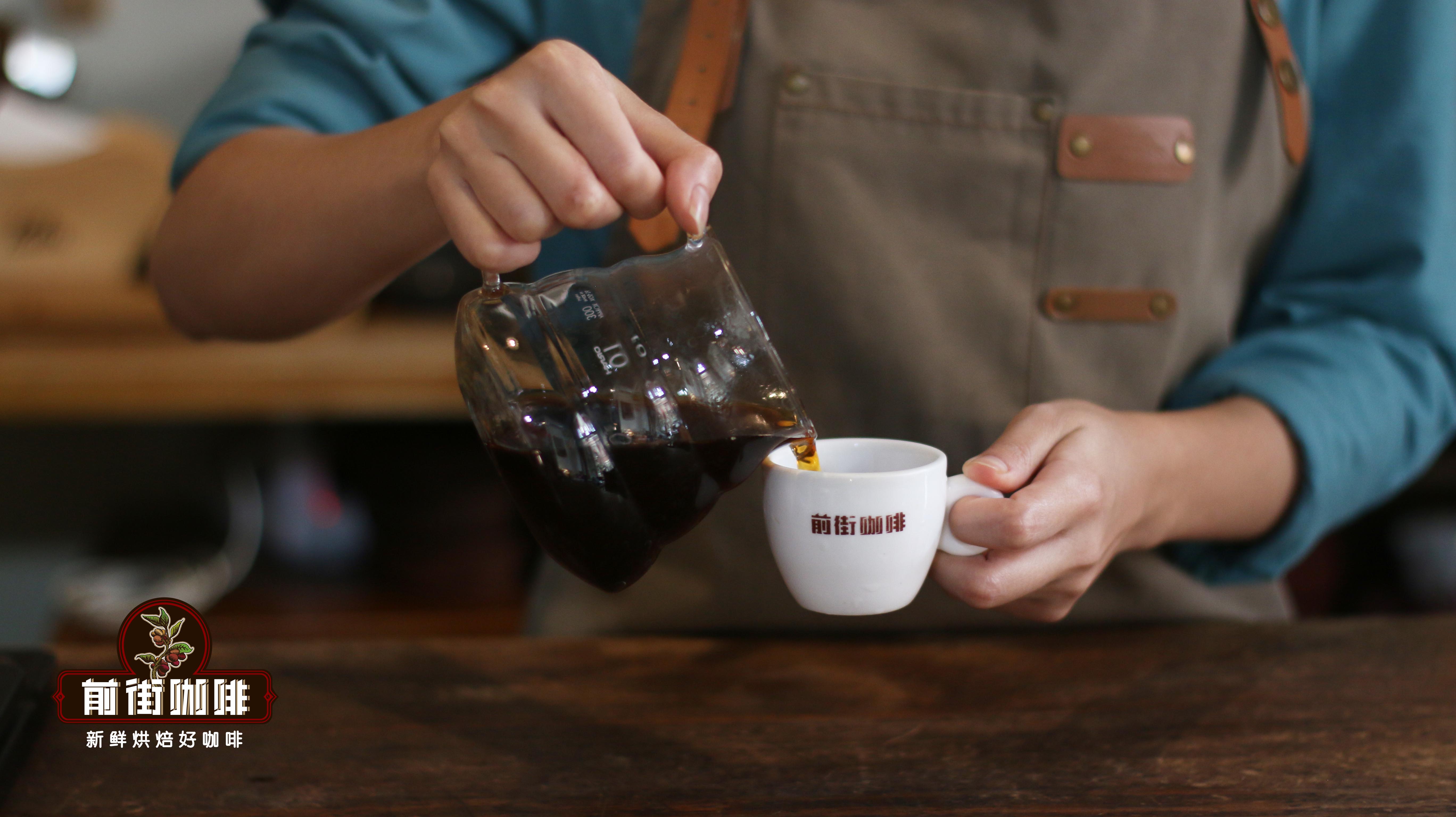
The ground Golden Mandheling coffee has aromas of nuts and toasted bread, and during brewing you can smell the sweet scent of caramel. The brewed Mandheling coffee hits the palate with spices and dark chocolate, with a rich yet clean body, obvious sweetness in the finish, and a long aftertaste.
For professional coffee knowledge exchange and more coffee bean information, please follow Coffee Workshop (WeChat public account: cafe_style)
For more specialty coffee beans, please add the private WeChat of Front Street Coffee: qjcoffeex
The above content is compiled by CoffeeHunters, a coffee news website.


