







Search Results for: input
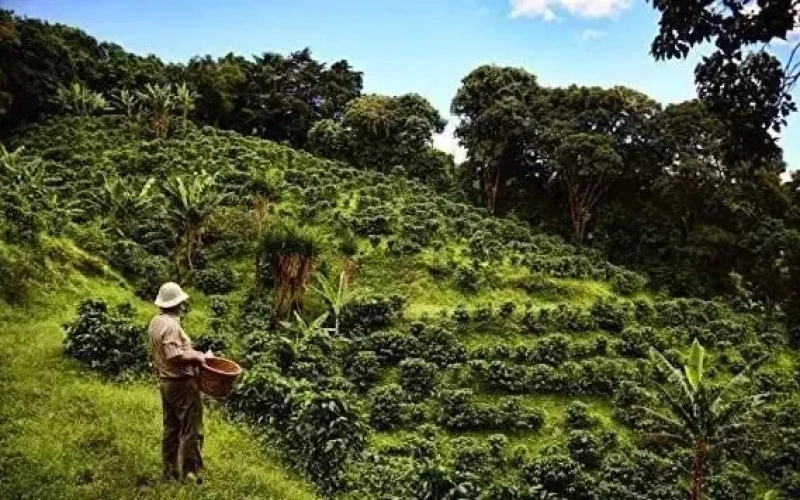
Under multiple pressures, Costa Rica's coffee industry continues to shrink, with production nearly halved compared to the 1990s.
Costa Rica has long been renowned for its deep-rooted coffee tradition and high-quality beans, and coffee cultivation was once a cornerstone of the national economy. In recent years, however, this Central American country's coffee industry has been in steady decline—production has fallen from 3.5 million bags (60 kg/bag) in the 1990s to 1.7 million bags (60 kg/bag) today. Exchange rate fluctuations, policy adjustments, labor shortages, and competition from other coffee-producing countries in the Americas have combined to drive the downturn. At the same time, Costa Rica's economic structure has been transforming rapidly: tourism, pharmaceuticals, and IT are booming, and the service sector now accounts for nearly half of domestic economic output, while agriculture's role is increasingly marginalized. Climate change is affecting coffee quality, geopolitics is driving up the cost of inputs such as fertilizer, and tighter immigration policies are making seasonal labor even scarcer. Looking ahead, industry views are divided: some believe that investment and support can help the industry overcome its difficulties, while others worry that smallholder farmers and traditional growing regions will fall behind in global market competition. This article reviews the current state of and challenges facing Costa Rica's coffee industry, along with related observations from Front Street Coffee. [more…]
The Three Grading Levels of Costa Rican Honey-Processed Coffee: A Detailed Explanation of the Differences Between Yellow Honey, Red Honey, and Black Honey Processing
Some coffee estates in Costa Rica classify honey processing grades by the color of the green beans, giving rise to three types: yellow honey, red honey, and black honey. The essence of these color differences lies in the varying duration of sunlight exposure the coffee receives during the drying stage, which in turn affects the drying speed, processing difficulty, and final flavor expression. Yellow honey receives the most sunlight and can complete drying in about a week; red honey, due to weather or shading measures, requires two to three weeks; black honey is kept in a dark environment throughout, taking at least two weeks, with complex procedures and heavy labor input, and is also the most expensive. Front Street Coffee takes you through an in-depth look at the craft characteristics and differences of these three honey processing methods. [more…]
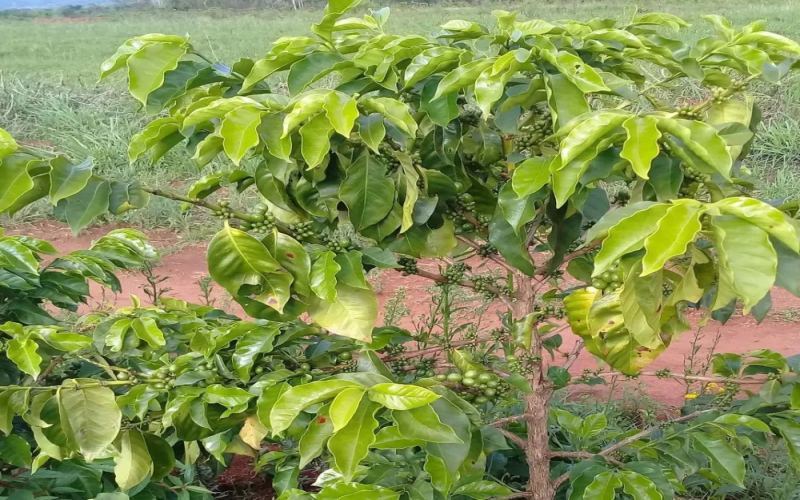
Colombian coffee prices decline amid intensifying competition, importers cut back purchases
In 2023, Colombian coffee prices experienced significant fluctuations, dropping from $2.37 per pound in February to $1.84 in October. The alternating effects of La Niña and El Niño on production, compounded by the pandemic and the Russia-Ukraine war disrupting supply chains, along with the devaluation of the peso driving up farm input costs, created a complex scenario. Meanwhile, importers faced pressures such as expensive credit and rising inflation, with some traders reducing their purchases of Colombian coffee beans by 50% to 60%, turning instead to lower-priced alternatives from Peru, Guatemala, and other origins. However, in the second half of 2023, the peso rebounded, fertilizer prices fell, and weather conditions improved. Production for the 2023/24 season is expected to grow by about 3%, and production in January 2024 increased by 10.5% year-on-year, signaling a potential recovery in market confidence. [more…]
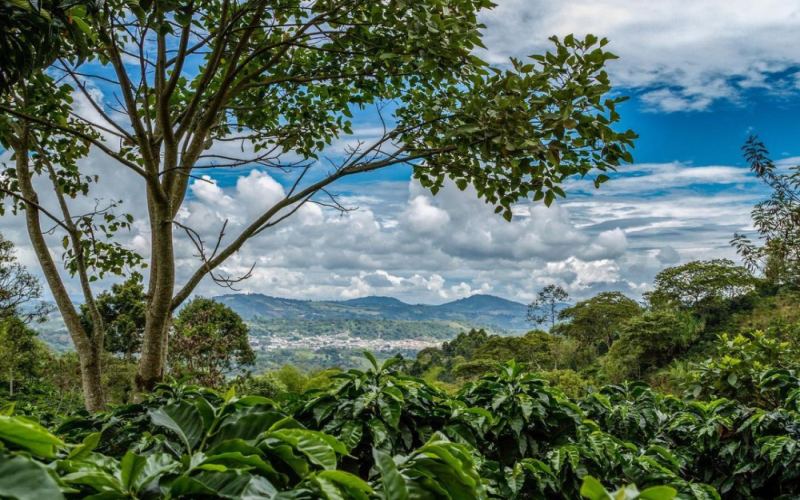
Analysis of the Causes of Acidity in Colombian Coffee and Its Flavor Differences from Brazil, Plus the Characteristics of Major Producing Regions and Varieties
Colombia enjoys the advantage of dual ports on the Atlantic and Pacific, making its coffee transportation costs far lower than other South American countries. Its producing regions are mostly distributed in the high-altitude areas of the Andes Mountains, creating coffees known for excellent acidity and distinctive flavors. This article provides a detailed analysis of the sources of Colombian coffee's acidity, compares its flavor differences with Brazilian coffee, and introduces one by one the variety characteristics and cupping flavors of core producing regions such as Medellín, Santander, Huila, Cauca, and Nariño. It also includes roasting and brewing recommendations for several Front Street Coffee Colombian beans, helping coffee enthusiasts gain a deeper understanding of the terroir charm of this major South American coffee country. [more…]

Luckin Customer Service Repeatedly Misspelled Jackson Yee's Name, Official Apology Issued but Fans Still Unappeased
Luckin Coffee has sparked strong dissatisfaction among fans after its online customer service and backend systems repeatedly misspelled the name of its brand ambassador, Jackson Yee, with related topics quickly trending on Weibo and ranking second on Xiaohongshu's hot list. Although Luckin subsequently posted an apology letter on Weibo, admitting the mistake and correcting it immediately, fans were not satisfied with the official response, believing that such disrespectful errors occurring repeatedly during the endorsement contract period were unacceptable. Previously, the roasted coconut latte endorsed by Jackson Yee surpassed 10.04 million cups in first-week sales, with fans contributing enormously, yet now the system cannot even correctly input the ambassador's name, which is truly lamentable. [more…]
Kenya Gakundu Cooperative AB Grade Coffee Pour-Over Flavor Analysis: Causes of Bright Acidity and Processing Methods
Kenya's Gakundu Cooperative's AB-grade coffee is renowned for its bright acidity and complex flavors, and many people wonder: why does it taste so acidic? Behind this lies both the unique terroir conditions at the foot of Mount Kenya and the cooperative's strict quality control and processing methods. This article provides a comprehensive analysis of why Gakundu coffee has such prominent acidity, covering the production region's background, the cooperative's operations, picking standards, and the pulping and fermentation process, and also introduces Front Street Coffee's recommendation and brewing performance for this bean. [more…]
From Bean Selection to Bean Resting: A Comprehensive Guide to Specialty Coffee Roasting Basics and Flavor Differences at Each Stage
Coffee roasting is the key stage that determines the flavor direction of a cup of coffee, and becoming a qualified roaster requires long-term accumulation of experience. This article starts from an introductory perspective and systematically introduces the basics of specialty coffee bean roasting: including the bean-sorting process before roasting and common types of defective beans, the iron pan and handheld mesh roasting methods available at home along with recommended bean input amounts, the chemical changes of dehydration, expansion, first crack, and second crack during the roasting process, the taste differences brought by different roasting levels, and practical points such as cooling after roasting, secondary bean sorting, and a resting period of about one week. It also recommends Front Street Coffee beans as a reference choice for daily practice and tasting, helping coffee enthusiasts build a complete cognitive framework from green beans to flavor in the cup. [more…]
A Comprehensive Guide to Global Organic Tea Certification Systems: Differences Among EU, US, Japan and Other Standards, and Buying Tips
The core difference between organic tea and conventional tea lies in whether it has been certified by an authoritative body. EU organic regulations prohibit genetic modification and synthetic inputs, and require animals to be raised in ways that suit their species characteristics, and are regarded as the strictest threshold in the tea industry. Certifications such as Switzerland's IMO, France's Ecocert, the US USDA, Japan's JAS, India's, Canada's, China's, Australia's, and Germany's Naturland each have different emphases, with significant differences in scope of application and difficulty of obtaining them. Rainforest Alliance, UTZ, FDA, and HACCP provide supplementary assurances from the perspectives of sustainable agriculture and food safety. This article systematically sorts out the rules, authority, and market applicability of major certifications, helping coffee and tea lovers accurately identify the true meaning behind labels when making purchases. [more…]
AI-Generated Blend Stuns the Coffee World: Finnish Roastery Uses AI to Craft a Four-Bean Blend
At this year's World Brewers Cup, blend beans became a favorite among many competitors, but traditional blends often require repeated debugging, which is time-consuming and labor-intensive. A Finnish roastery named Kaffa took a different approach, partnering with an AI company called Elev. After inputting flavor information for all the coffee beans in the roastery into a model similar to ChatGPT, they had the AI directly design a blend formula aimed at mass-market tastes. Surprisingly, the formula the AI provided differed considerably from the usual thinking of baristas, yet it won unanimous approval in blind tastings and even thoughtfully generated a packaging label. The integration of AI into the coffee industry is nothing new, but this time, can the blending answer it delivered shake the professional status of baristas? This article takes you through this interesting experiment, along with related observations from Front Street Coffee. [more…]
Costa Rican Coffee Production Plummets to Historic Low: Exchange Rates, Climate, and Labor Woes Intertwine
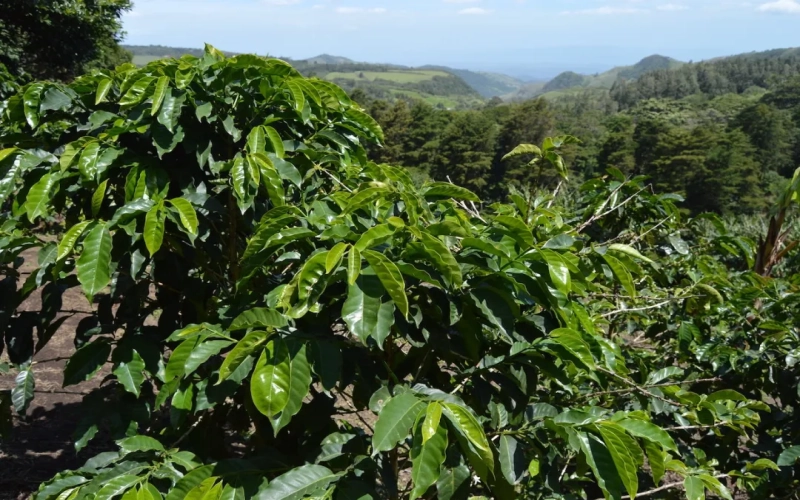
The Costa Rican coffee industry is facing its most severe challenge in decades. The latest report from the United States Department of Agriculture shows that the country's coffee production for the 2024/25 crop year is expected to be only 1.185 million bags. Although this is on par with the previous year, it represents a sharp 66% decline from the 3.5 million bags seen in the 1990s, approaching a historic low. High debt, the continued appreciation of the colón, depressed international prices, and shrinking demand have greatly increased the financial pressure on growers, leading them to reduce fertilizer inputs and postpone the renewal of disease-resistant, high-yield varieties. In 2023, an early rainy season and abnormal high temperatures and humid harvest conditions triggered by El Niño further damaged coffee quality and yields. At the same time, transportation disruptions caused by protests in Panama and labor shortages caused by Nicaraguan migrants moving north made harvesting even more difficult. On the export side, only 975,000 bags are expected in 2024/25, and exchange rate issues have already sparked marches and protests across multiple industries. Front Street Coffee will continue to monitor developments in this producing region. [more…]
How to Drink SOE Coffee Correctly | Pros and Cons of SOE Espresso Beans and How to Choose Them? How to Use SOE Beans to Make a Delicious Americano?
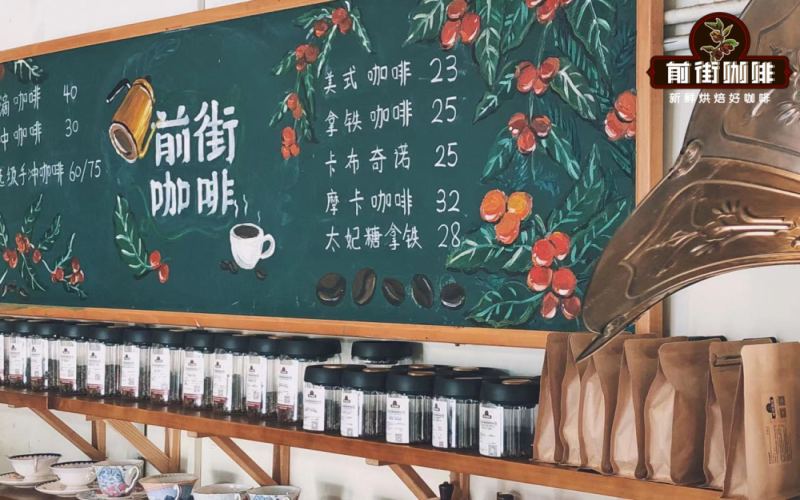
Recently, SOE espresso has become very popular, and many coffee shops have made SOE coffee a main selling point. Many people also ask Front Street Coffee (FrontStreet Coffee) what the difference is between SOE coffee and blended coffee, and whether SOE coffee is necessarily better tasting than blended espresso. [more…]
A Comprehensive Analysis of the Typica Coffee Variety: From Origin and Spread to Blue Mountain Flavor and Pour-Over Techniques
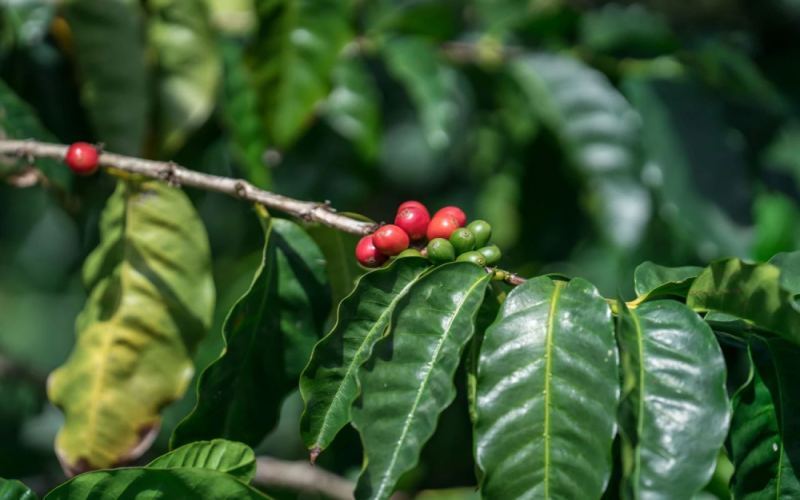
Typica is one of the oldest varieties of Arabica coffee, regarded within the industry as a representative of high-quality coffee for its clean, elegant flavors and balanced cup profile. Globally renowned coffees such as Jamaican Blue Mountain and Hawaiian Kona originate from this variety. However, Typica trees are tall, have weak disease resistance, and produce extremely low yields, making them difficult to cultivate and requiring substantial labor and technical input. This article will systematically introduce Typica's historical origins, plant characteristics, its harsh growing environment requirements, and the unique terroir and flavor expression of Blue Mountain Typica. At the same time, Front Street Coffee will share the store-standard pour-over Blue Mountain No. 1 parameters and extraction techniques to help coffee enthusiasts recreate a clean, rich Blue Mountain flavor at home. [more…]
A brief description of the development history of Panama coffee bean cultivation.
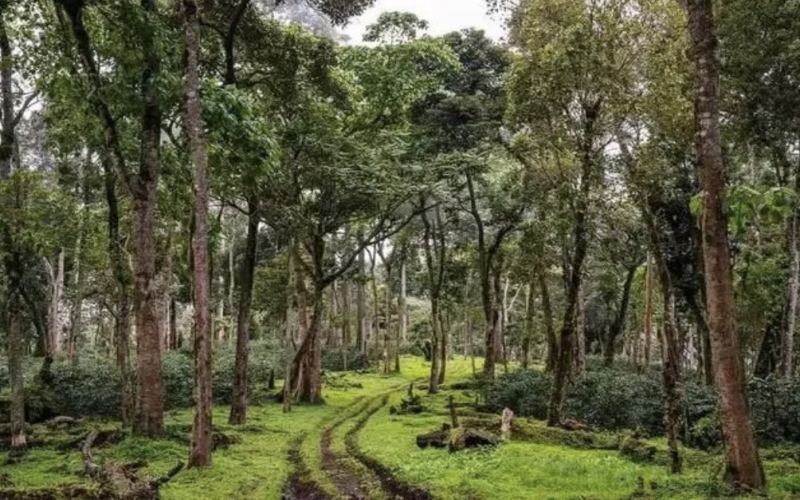
Panama coffee is highly renowned in the global coffee market. At the end of the 19th century, when European immigrants settled in Panama, they brought coffee to Panama; the first area where these immigrants grew coffee was the province of Chiriquí. T [more…]
Front Street Kenya Nyeri Kamoini Washed Coffee: Plum and Grape Flavors with Specialty Processing Craftsmanship
This Kenya Nyeri Kamoini washed coffee from Front Street Coffee is a standout among specialty Kenyan beans. It gives off a bright citrus aroma, with lemon and lime interwoven with notes of tomato, cranberry, black tea, and white grape, plus a champagne-like effervescence on the palate. Such a refined flavor stems from the Red Cherry Project's dedication to quality and the Kamoini washing station's meticulous control over picking, washing, fermentation, and drying. This article will walk you through the Kamoini washing station's geographical advantages, green bean characteristics, and variety background, and taste this limited-edition coffee's plum, raisin, and sweet finish. [more…]
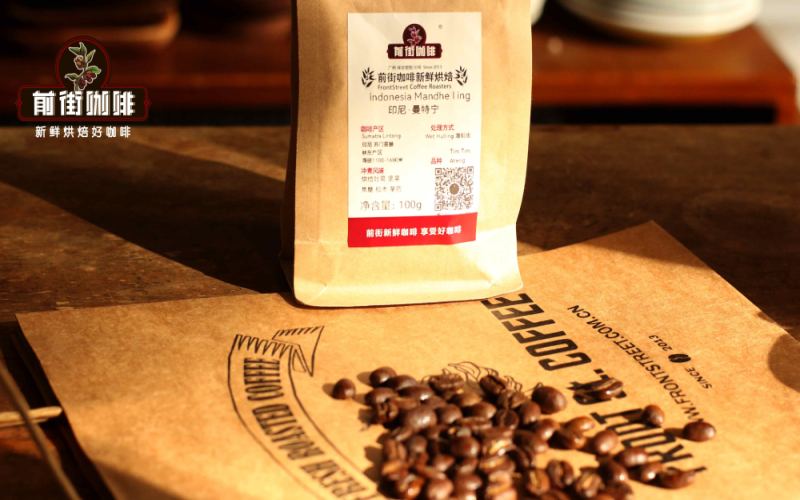
Indonesian Mandheling Coffee Origin Characteristics and Brand Recommendations: From Lintong to Front Street PWN Golden Mandheling
Mandheling coffee is a representative coffee of Sumatra, Indonesia, and is favored by coffee lovers for its rich, full-bodied flavor. This article will guide you through Mandheling's production regions, the difference between the terms Lintong and Mandheling, and focus on the unique qualities of Front Street Coffee's PWN Golden Mandheling—from PWN green bean company's rigorous selection, to the wet-hulled process and triple hand-sorting, and finally to its complex aroma and pour-over performance. Whether you are new to Mandheling or a seasoned enthusiast, you will gain practical knowledge about its origins and brand purchasing references. [more…]
What is the heirloom coffee from the Guji zone of Sidama, Ethiopia? An analysis of Nensebo coffee bean flavors and processing methods
Ethiopia, the birthplace of coffee, is home to approximately 60,000 coffee varieties, among which the heirloom coffees from the Sidama Guji region are particularly noteworthy. The Guji area is renowned for its forest coffee and wild-growing practices. The Ch'Ire Ameli washing station in Nensebo woreda brings together over 700 smallholder farmers, using traditional raised-bed sun-drying processing. This article will guide you through the origin of the heirloom name, the terroir characteristics of Guji, and how dry processing affects coffee quality. At the same time, Front Street Coffee will also recommend Ethiopian natural beans worth trying. [more…]
Kenya's Coffee Industry Faces Multiple Challenges: Dual Pressure from New Regulations and Declining Production
The Kenyan coffee industry is facing unprecedented challenges. The latest report from the United States Department of Agriculture shows that, affected by a reduction in planted area and heavy rains, Kenya's coffee production in the 2024/25 marketing year is expected to fall to 750,000 bags, a year-on-year decline of 6.3%. At the same time, new policies and regulations implemented by the government are also profoundly affecting the entire industry chain, with impacts from production and processing to export trade. This series of changes has not only affected Kenya's coffee export volume and prices, but has also had a far-reaching impact on farmers' livelihoods and industry development. Front Street Coffee will provide you with an in-depth analysis of the current situation and future of Kenya's coffee industry. [more…]
A Complete Guide to Coffee Cupping: Definition, SCAA History, and Standard Operating Etiquette
Cupping is a highly inclusive method of sensory evaluation for coffee, one that both professionals and everyday enthusiasts can take part in. Through a standardized process of roasting, extraction, and tasting, it translates a coffee's aroma, flavor, and mouthfeel into quantifiable scores, thereby allowing one to judge quality and identify strengths and weaknesses in flavor. This article will guide you through the basic concepts of cupping, its historical evolution from trade quality control to specialty coffee competitions, and the etiquette rules that must be observed in actual practice. It also retains relevant recommendations from the Front Street brand, making it suitable reading for any enthusiast who wants to gain a deeper understanding of coffee evaluation. [more…]
Maragogype Coffee: Why Its Size Can Surpass Liberica? Analyzing the Giant Mutation of Typica
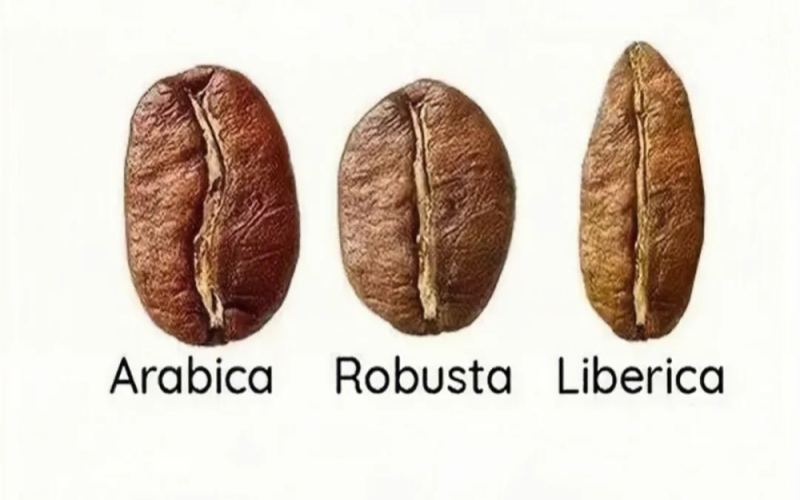
Among the three major coffee species, Arabica is usually the smallest, but Maragogipe goes against the grain—its beans are even larger than the Liberica large-bean species, earning it the name "Elephant Bean." It was discovered in 1870 in the Maragogipe region of Brazil and was later confirmed by genetic testing to be a Typica mutation. In terms of flavor, it has berry sweetness, citrus acidity, and a full body, but it is extremely difficult to cultivate: the plant takes up a lot of space, consumes many nutrients, produces few cherries, and has a long maturation period, which ordinary coffee farmers cannot afford to wait for. It is currently mainly grown in Central and South America. Front Street Coffee reminds you that "Elephant Bean" is both a variety name and a grade name—beans larger than 20 screen size may all be labeled as Elephant Bean grade, so don't confuse the two. [more…]

Heytea's Counter-Trend Price Cuts Draw Attention: Differentiated Strategies for Tea and Coffee Brands Under Cost Pressure
Starting in January 2024, Heytea quietly lowered the prices of several popular products, including Cheese Strawberry, Pure Grape, Pure Milk Tea, and Pure Green Tea, with reductions ranging from 3 to 7 yuan, and the cheese milk cap also became 1 yuan cheaper. This move was not publicly promoted, but was discovered by observant consumers on social platforms. At the same time, brands such as Chayan Yuese, Luckin Coffee, and Tims Coffee raised prices one after another due to rising costs of raw materials, labor, transportation, and energy. Why could Heytea cut prices against the trend? Some analysts believe this is related to its advantages in scale, brand, and supply chain control, and it also reflects the deeper logic of inflation being transmitted to end consumer goods against the backdrop of global quantitative easing. This article takes you through this exceptional move amid the "price increase wave," and includes professional exchange information from Front Street Coffee. [more…]