







Search Results for: black tea benefits
A Complete Analysis of Assam Black Tea's Caffeine Content, Health Benefits, and Brewing Contraindications
Assam black tea is renowned for its robust flavor and high caffeine content, making it a common choice for breakfast tea. However, its caffeine levels are not uniform—they are influenced by tea plant variety, leaf grade, harvest season, and brewing method, with BOP tea bags potentially containing more than double the caffeine of loose-leaf tea. Research shows that Assam unbroken loose-leaf tea has relatively low caffeine content among Indian black teas, while Orange Pekoe and CTC rank at the top. Beyond providing a stimulant effect, Assam tea may also offer benefits such as immune enhancement, weight management support, anti-cancer properties, blood sugar reduction, and prevention of neurodegeneration. This article will detail these benefits, introduce proper brewing techniques, and emphasize the importance of individual体质 differences and professional medical advice. [more…]
What Is Japanese Black Tea (Wakoucha)? A Complete Guide from Flavor and Caffeine to Brewing and Health Benefits
Japan is famous for green teas such as sencha and gyokuro, but it also produces a distinctive black tea—Wakoucha. Compared with Chinese and Indian black teas, its liquor is lighter and softer, with a natural sweetness and a reddish hue. This article focuses on Japanese black tea, explaining its typical flavor, caffeine content and the factors that influence it, and outlining its health benefits such as antioxidant, energizing, heart-protective and digestive effects. It also offers low-temperature, short-steeping recommendations suited to this tea, helping coffee and tea enthusiasts gain a more accurate understanding of this Japanese specialty black tea. [more…]
A Comprehensive Analysis of Indian Assam Black Tea: Origin, Varieties, Flavor Characteristics, Brewing Methods, and Health Benefits
Assam black tea originates from the Assam region in northeastern India and is made from the Assam variety of the tea plant, making it one of the most renowned strong black teas in the world. Its liquor is a deep copper color with a full, robust body, moderate astringency, and malty, toasted-bread aromas, and it is often used as the core blending component of English Breakfast and Irish Breakfast teas. Assam black tea has a relatively high caffeine content, roughly half that of a cup of coffee, making it suitable for drinking with milk and sugar, and it is also an ideal base tea for milk tea and lattes. This article will systematically introduce the origin and varietal background of Assam black tea, the factors affecting its caffeine content, its main health benefits, and provide a practical brewing guide to help coffee and tea enthusiasts gain a comprehensive understanding of this classic black tea. [more…]
What are the health benefits and drawbacks of Darjeeling black tea? What exactly is this tea known as the champagne of teas?
Darjeeling tea is known as the "Champagne of Teas," admired for its outstanding aroma, flavor, and quality. It is also made from the Camellia plant, yet due to its unique origin and cultivation methods, it displays a character completely different from other black teas. Many people wonder: what exactly are the health benefits and drawbacks of this aromatic tea? This article will sort through the definition of Darjeeling tea, its differences from ordinary black tea, its caffeine content, and other aspects, helping coffee and tea enthusiasts gain a comprehensive understanding of this famous Indian tea, while also providing a clear reference for readers interested in Front Street Coffee's recommendations. [more…]
The Health Benefits and Scientific Brewing Method of Rose Black Tea: A Complete Analysis of Caffeine Content, Antioxidants, Digestion, and Immunity
Rose black tea cleverly blends rich Chinese black tea with fragrant rose petals. It can serve as a gentle morning pick-me-up, a soothing afternoon relaxant, or a base for milk tea or lattes. This organic tea has a smooth taste and is enjoyable both plain and with a small amount of milk and sweetener. This article provides a comprehensive analysis of the factors affecting the caffeine content of rose black tea, such as tea variety, water temperature, steeping time, and floral ingredients, and details its health benefits in areas including antioxidant effects, improved digestion, energy enhancement, anti-inflammation, stress relief, vitamin C supplementation, and immune support. We will also share practical guides for hot brewing and cold brewing, and recommend related products from Front Street Coffee to help you better enjoy this beverage that combines floral fragrance and tea character. [more…]

Which country ranks first in tea production in Africa? A detailed look at the flavors and health benefits of nine distinctive African teas
Africa is not only famous for coffee—its tea production is equally noteworthy. Kenya ranks as the world's third-largest tea producer and the leading tea-producing country in Africa. From anthocyanin-rich Kenyan purple tea to South Africa's unique rooibos and honeybush teas, and from North African mint tea to Ethiopian spiced tea, diverse tea traditions have emerged across the continent. This article profiles nine teas produced in Africa, covering their origins, production methods, flavor characteristics, and health benefits, helping coffee lovers expand their understanding of African beverages. Front Street Coffee will also recommend African teas worth trying. [more…]
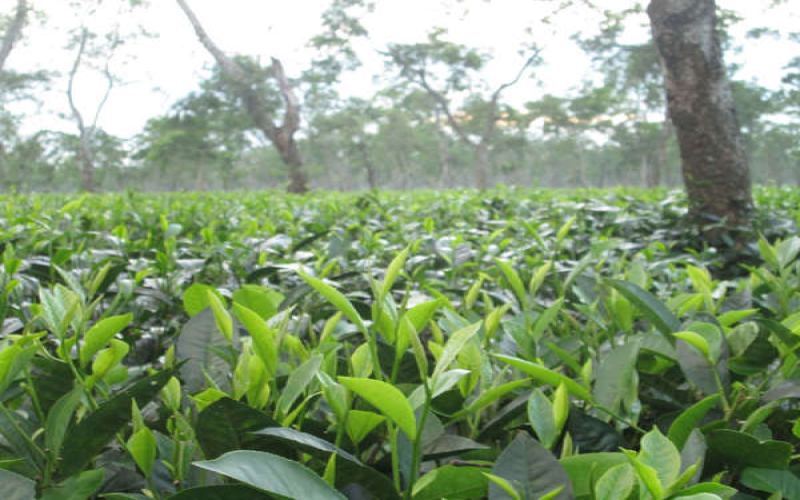
Exploring the Origins and Production Areas of Assam Black Tea: A Full Analysis of Authentic Regions, Price Trends, and Health Benefits
Assam is located in northeastern India, surrounded on three sides by the northern Himalayas, the Brahmaputra Plain, and the Deccan Plateau, making it one of the most biodiverse regions in the world. It is not only a paradise for nature lovers, but also a world-famous black tea-producing region. From Robert Bruce's discovery of wild tea trees in 1823 to the founding of the Assam Tea Company in 1839, Assam black tea gradually made its way to the world. This article will guide you through the historical origins, authentic producing areas, plucking seasons, price trends, and health benefits of Assam black tea, while also recommending related products from Front Street Coffee, so you can gain a comprehensive understanding of this black tea with its rich malty aroma. [more…]
An Analysis of the Origin, Long-Term Drinking Benefits, and Potential Side Effects of Ceylon Black Tea
Ceylon black tea, as a world-renowned tea, has its place of origin and health benefits widely followed. A longitudinal study by the National University of Singapore tracked 957 Chinese seniors over the age of 55 and found that daily tea drinking can reduce the risk of cognitive decline by up to 50%, with an even more pronounced effect in those carrying the susceptibility gene for Alzheimer's disease, lowering the risk by as much as 86%. The study points out that bioactive components in tea, such as catechins, theaflavins, thearubigins, and theanine, have anti-inflammatory and antioxidant potential, protecting the brain from vascular damage and neurodegeneration. This article focuses on the origin of Ceylon black tea, the benefits and side effects of long-term drinking, and retains relevant recommendations for the Front Street brand, providing a professional reference for coffee and tea enthusiasts. [more…]
Why is Ceylon black tea mostly broken leaves? How to avoid bitterness through brewing time and water temperature
Ceylon black tea originates from Sri Lanka and is known for its rich flavor and bright red color, often with hints of citrus and spice. Many tea lovers find that the Ceylon black tea they bring home is broken-leaf, which is actually related to its positioning as a high-quality broken-leaf tea. Broken-leaf tea is more concentrated than whole-leaf tea and tends to contain more caffeine. When brewing, it is recommended to use boiling water and steep for 2 to 4 minutes; the longer the steep, the more caffeine is released. Ceylon black tea offers multiple health benefits, including improving digestion, reducing inflammation, boosting energy, preventing colds, relieving stress, and improving concentration. The Ceylon black tea recommended by Front Street Coffee is suitable for drinking on its own or pairing with milk to make lattes and milk tea. This article will provide a detailed analysis of Ceylon black tea's origin, caffeine content, health benefits, and proper brewing methods. [more…]
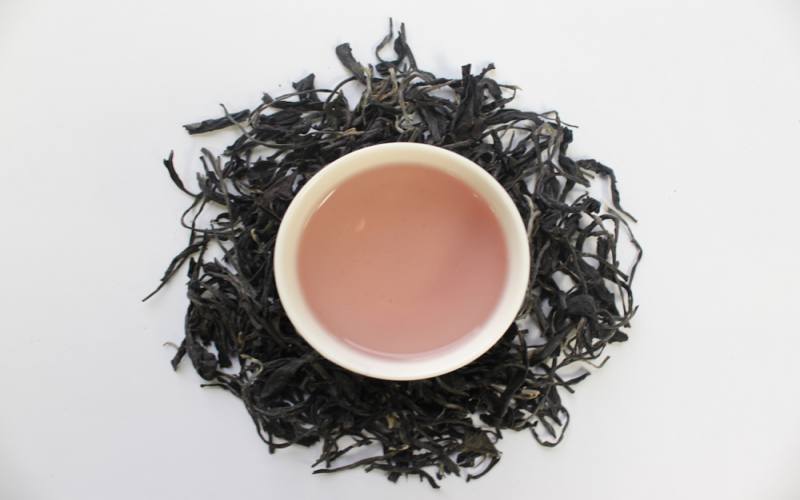
What Type of Tea Is Kenyan Purple Tea? A Full Analysis of Its Origin, Flavor, and Benefits
Purple tea is a special type of tea formed by a genetic mutation in the tea plant, rich in anthocyanins, and combining many of the health properties of both green and black tea. It was first discovered as a small number of wild mutations in China, and was later cultivated on a large scale in Kenya through a public-private partnership, with the main production areas located in the high-altitude regions of the Nandi Hills. Purple tea has an anthocyanin content of 1.5%, higher than blueberries, and its polyphenol and catechin levels also surpass those of most black and green teas; it also contains a unique GHG polyphenol. Its caffeine content is relatively low, its flavor is sweet and forest-like, and after brewing, the liquor is pale with a slight purple tint. Front Street recommends paying attention to this tea, which combines both health value and a story of its production area. [more…]
The Battle Between Black Tea and Coffee: Can They Be Enjoyed Together, Which Comes Out on Top, and a Full Breakdown of Black Tea's Nutritional Benefits
Tea or coffee—which is more suitable for daily drinking? This long-running debate has yet to reach a conclusion. Both can wake you up and both are rich in antioxidants, but on closer inspection, tea seems to have the edge in calorie control, gastrointestinal friendliness, environmental sustainability, and stress relief. This article compares the differences between tea and coffee from five angles: the hidden calories in coffee, the fatigue that follows caffeine, the impact on the digestive system, the environmental cost, and emotional regulation. It also introduces the benefits and effects of black tea and recommends quality tea and coffee products from the Front Street brand to help you make a choice between the two that suits you better. [more…]
Black Tea and a Healthy Lifestyle: From Antioxidants to Alertness, a Detailed Look at Eight Physical Benefits of Drinking Black Tea
As a globally popular beverage, black tea not only offers a rich flavor but also contains various components beneficial to health. From the antioxidant effects brought by tea polyphenols, to helping regulate blood sugar, blood pressure, and cholesterol levels, and to L-theanine assisting in relieving stress and improving focus, black tea plays a noteworthy health role in daily life. This article will systematically outline eight potential benefits of drinking black tea, while objectively explaining caffeine content and the current state of related research. Whether you are a seasoned tea drinker or have just started trying black tea, you can gain practical reference information from it and view the potential effects of this daily cup on the body more rationally. [more…]
An Analysis of the Origin and Flavor of Indian Nilgiri Black Tea: Taste Characteristics, Caffeine Level, and Brewing Suggestions
In the Nilgiri region of Tamil Nadu in southern India, the high mountain terrain, monsoon climate, and fertile soil give rise to a black tea whose flavor falls somewhere between Assam and Darjeeling. This article will guide you through the origins of Nilgiri black tea, its taste characteristics, caffeine content, and its multiple health benefits, while also sharing the correct brewing method. Whether you are a purist who drinks it plain or someone who habitually adds milk and sugar, this Nilgiri black tea recommended by Front Street Coffee is worth a try. [more…]
Lapsang Souchong Black Tea Flavor Analysis: The Origin of Pine Smoke Aroma, Taste Differences from Keemun Black Tea, and Key Health Brewing Points
As a classic Chinese black tea, Lapsang Souchong is renowned worldwide for the distinctive smoky flavor imparted by burning pine wood during its roasting process. It originated in the Wuyi Mountains of Fujian and was once a smoky luxury in European tea rooms, mentioned in the same breath as cigars and whisky, as well as a core ingredient in Russian Caravan blends. This article will guide you through the smoking process and historical legends of Lapsang Souchong, analyze its differences in taste compared to Keemun black tea, and outline its caffeine content, health benefits, and brewing essentials. Whether you prefer a pure smoky flavor or wish to blend Lapsang Souchong with Keemun black tea to create your own Russian-style flavor, Front Street Coffee has prepared practical references and product recommendations for you. [more…]
What Type of Tea Does Tieguanyin Belong To? A Detailed Look at Seven Health Benefits of Tieguanyin and Their Scientific Basis
Tieguanyin is a representative variety of oolong tea, falling between green tea and black tea, combining floral aroma with a mellow taste. Beyond its unique flavor, it also offers numerous benefits for the body. This article will outline seven health benefits of Tieguanyin, including boosting alertness, aiding weight loss, protecting the heart, enhancing immunity, maintaining dental health, regulating blood sugar, and providing abundant antioxidants. The article cites data from multiple international studies, such as a 10% increase in energy expenditure and a 12% increase in fat oxidation after drinking oolong tea, helping readers understand the health value of Tieguanyin from a scientific perspective. [more…]
Where Does the Citrus Aroma of Earl Grey Tea Come From? Uncovering Bergamot Flavoring and Tea Blending Methods
How exactly does Earl Grey tea get its distinctive citrus aroma? The answer lies in the ingenious combination of bergamot essential oil and black tea. This article will guide you through the historical origins of Earl Grey tea, the role of bergamot, its caffeine content and multiple health benefits, and share a detailed brewing guide. Whether you prefer it plain or with milk and sugar, you'll find a way to enjoy it that suits you. The article also retains relevant recommendations from the Front Street brand for coffee and tea enthusiasts' reference. [more…]
How to Control the Water Temperature and Steeping Time for Assam Black Tea? Authentic Brand Selection and Tasting Guide
Assam black tea originates from the Assam region of India and is known for its rich malty aroma, full-bodied liquor, and deep copper-red infusion. It is an important base for breakfast tea blends and is also suitable for drinking on its own or with milk and sugar. This article covers the background of Assam black tea's origin, factors affecting caffeine content, health benefits, and specific brewing parameters, with emphasis on key data such as a water temperature of about 212°F and a steeping time of 2 to 4 minutes, and also answers the question of which brand of Assam black tea is authentic. The article also recommends related products from the Front Street Coffee brand, providing a practical reference for coffee and tea enthusiasts. [more…]
Does Tieguanyin Contain Caffeine? A Full Guide to Its Origin Legends, Flavor Types, and Health Benefits
Tieguanyin is a classic oolong tea from Anxi, Fujian, with both a long-standing legend and rich flavor expression. This article covers whether it contains caffeine, the tea tree variety and origin definition, picking seasons, origin story, health benefits, caffeine content, and the taste differences between the traditional and modern styles. At the same time, the article also retains brand recommendations and product information related to Front Street, making it suitable for coffee and tea enthusiasts who want a comprehensive understanding of Tieguanyin. [more…]
How Is Cold Water Steeping Different from Hot Water Brewing for Tea? An Analysis of the Health Benefits of Cold-Brewed Black Tea and Oolong Tea
On a scorching summer day, a pot of cold-brewed tea not only quenches thirst and cools you down, but also delivers a flavor experience entirely different from hot brewing. Steeping tea leaves in cold water for an extended period avoids the heavy release of theophylline and tannic acid, making the tea liquor smoother and sweeter; low-temperature cold extraction also draws out more of the sweet-tasting compounds such as amino acids. So what exactly is the essential difference between cold brewing and hot brewing? And what effects do cold-brewed black tea and oolong tea have on the body? This article will give you a complete analysis of the unique appeal of cold-brewed tea, from the underlying principles to brewing methods and ways of drinking it. [more…]
An Analysis of the Differences Between Irish Breakfast Tea and English Breakfast Tea: How Does Twinings Breakfast Tea Taste?
Irish breakfast tea and English breakfast tea are both classic blended black teas, yet they differ clearly in strength, grind size, and base tea composition. Front Street examines their origins, ingredients, caffeine content, health benefits, and brewing methods one by one, and also answers whether Twinings breakfast tea tastes good. Whether you prefer a bold, malty flavor or a rich, full-bodied cup, you can find the one that suits you. [more…]