







Search Results for: Tea-to-Water Ratio
Sri Lankan Ceylon Black Tea Flavor Analysis and Milk Tea Brewing Tea-to-Water Ratio Guide
Ceylon black tea is renowned worldwide for its iconic flavor, and the Lumbini Tea Valley is one of the creators of this legend. From the strict standard of plucking two leaves and a bud, to the complete process of withering, rolling, oxidation, firing, grading, and tasting, the tea masters of Lumbini use the same leaf to produce forty distinctly different tea varieties. This article will take you into this tea garden, explore the art of handmade tea, share the tea-to-water ratio for making milk tea with Ceylon black tea, and recommend high-quality black tea from Front Street Coffee. [more…]
Ceylon Black Tea Brewing Tips: Master the Tea-to-Water Ratio, Temperature, and Time to Say Goodbye to Bitter Taste
Ceylon black tea is renowned for its rich, robust flavor, but improper brewing can easily produce a bitter and astringent taste. This article provides a detailed analysis of the flavoring processes for Ceylon black tea, including internal substances, natural extraction, artificial flavorings, and smoking methods, and introduces classic flavored black teas such as Earl Grey, ginger, cinnamon, and Masala. At the same time, drawing on the practical experience of Front Street Coffee, we share the key parameters for brewing Ceylon black tea—the tea-to-water ratio, water temperature, and time—to help you easily brew a cup of good tea that is neither bitter nor astringent and full of aroma. Whether you are a black tea enthusiast or a beginner, these practical tips can take your tasting experience to the next level. [more…]
How to brew iced-brewed Tieguanyin and cold-brewed oolong tea? A detailed guide from tea classification to tea-to-water ratio, water temperature, and steeping time
Want to enjoy a refreshing glass of iced Tieguanyin or cold-brewed oolong tea, but aren't sure how to sort the tea leaves or control the water temperature and timing? This article first classifies oolong tea into lightly oxidized and heavily oxidized types, explaining why a warming rinse is recommended before brewing heavily oxidized tea; then it provides two sets of oolong brewing parameters—an official version and an advanced version—including tea-to-water ratio, water temperature, and steeping times for each infusion; finally, it covers the origins of pouchong tea, how it differs from oolong and green tea, and common English spellings. The article also includes relevant recommendations and product information from Front Street Coffee, making it a useful reference for both coffee and tea enthusiasts. [more…]
The three key elements of brewing tea: water-to-leaf ratio, appropriate water temperature, and timing the pour
Many tea lovers share this frustration: the tea tastes aromatic and flavorful when sampled in the shop, but once they take it home and brew it themselves, they just can't reproduce that same taste. In fact, solving this problem isn't complicated—the key lies in understanding the three core variables that affect the taste of brewed tea: the tea-to-water ratio, the brewing water temperature, and the steeping time. As long as you sort out the relationship among these three, brewing a smooth, pleasant cup of tea is no difficult task. This article will explain three aspects: judging the amount of tea to use, how water temperature affects the release of the substances contained in the tea leaves, and how to control the timing for different infusions, helping novice tea lovers avoid the common pitfalls of bitterness or blandness and gradually establish their own brewing rhythm. [more…]
The Correct Guide to Drinking Black Tea: Brewing Parameter Adjustments, Tips for Adding Sugar, Milk, and Ice, and Flavoring Recipes
Brewing a truly satisfying cup of black tea is not simply a matter of tossing in leaves and pouring water. From leaf particle size, water quality, and water temperature to steeping time and the tea-to-water ratio, every variable affects the final flavor. This article systematically lays out the core principles of brewing black tea, helping you adjust parameters flexibly when dealing with different types of black tea. At the same time, for common questions such as whether you can add sugar, milk, or ice, we also offer practical suggestions. If you find plain black tea monotonous, at the end of the article we provide a recipe for lemon-mint black tea, especially suited for iced drinks in summer. Whether you are a beginner just getting into black tea or a seasoned drinker looking to refine your brewing technique, this content is worth consulting. Front Street Coffee also emphasizes in its daily recommendations that good tea must be treated with care in order to release its best state. [more…]
A Complete Guide to Chaoshan Gongfu Tea: Tea Leaf Quantity and the Eight-Step Brewing Method—From Choosing Utensils to Tasting Techniques
Chaoshan Gongfu Tea is a shining pearl in Chinese tea culture, originating from Chaozhou, Guangdong, and still preserving an ancient and pure brewing tradition to this day. Unlike the modern Gongfu tea popular today, Chaoshan Gongfu Tea emphasizes a high tea-to-water ratio and quick pours, brewing only three times to pursue the richest aroma and flavor. This article will introduce in detail the historical origins of Chaoshan Gongfu Tea, the tea-to-water ratio, the choice of tea utensils, and the complete eight-step brewing method, helping you master this traditional skill. Whether you are trying it for the first time or hoping to refine your technique, you will gain practical guidance from it. [more…]
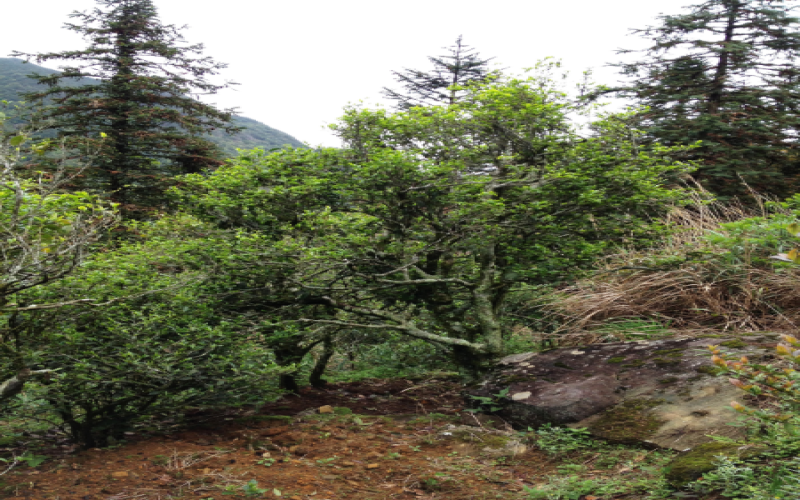
Do Honey Orchid Aroma and Snow Orchid Aroma Dan Cong belong to the same aroma type? Which tea estate brand's Honey Orchid Aroma Dan Cong is the most authentic?
The aroma classification system of Phoenix Dancong has always been a favorite topic among tea enthusiasts, and among these, Honey Orchid Aroma and Snow Orchid Aroma are often compared—are they actually the same aroma type? This article will analyze them from the perspectives of flavor characteristics, production techniques, and brewing methods to help readers clarify the differences and connections between these two classic Dancong varieties. At the same time, addressing the brand selection concerns of tea lovers, the article will also offer reference suggestions on authentic sources of Honey Orchid Aroma Dancong, along with specific parameters for both conventional and Gongfu brewing methods for daily drinking reference. [more…]
A Detailed Explanation of the Eight-Step Brewing Formula for Chaoshan Gongfu Tea: Why Only Three Cups Are Placed on the Tea Table
Chaoshan Gongfu Tea is renowned for its rich aroma and mellow body, emphasizing a high tea-to-water ratio and quick pours—each infusion lasting no more than ten seconds, with only three rounds before the leaves are discarded. Three 25ml thin-walled small cups are always arranged on the tea table in a "品" (pin) shape, which is both a tradition and a piece of practical wisdom. This article outlines the complete brewing steps of Chaoshan Gongfu Tea: selecting tea, preparing water, adding leaves, rinsing the pot, skimming foam, washing the tea, pouring into cups, and sipping, while explaining the reasoning behind each step. It also covers details such as unglazed Chaozhou teapots and charcoal-brazier roasting, and mentions related products from the Front Street Coffee brand, offering coffee enthusiasts a cross-disciplinary glimpse into this Eastern brewing system. [more…]
Which category of tea does Tieguanyin actually belong to? Green tea or oolong tea? A detailed explanation of the traditional Gongfu tea brewing steps.
Tieguanyin is a tea that often confuses newcomers—is it a green tea or an oolong? In fact, Tieguanyin is the signature variety of Minnan oolong, and its semi-fermented process gives it a distinctive orchid fragrance and the "Guanyin charm." To fully release its flavor, the traditional gongfu tea brewing method is especially key. This article will break down a complete oolong brewing process step by step—covering water quality selection, preheating the teaware, tea-to-water ratio, water temperature control, and steeping rhythm—and includes relevant product recommendations from the Front Street brand. Whether you're a beginner just getting to know Tieguanyin or a seasoned tea drinker looking to refine your skills, you'll find practical pointers to make every infusion consistent and outstanding. [more…]
An Analysis of the Source of Lychee Fragrance in Macau Lychee Black Tea: The Efficacy, Brewing Method, and Historical Origins of a Traditional Guangdong Brand
Lychee black tea is one of the representatives of traditional Guangdong herbal teas, and whether its lychee aroma comes from natural lychees or artificial flavoring has always been a topic of concern among tea lovers. This article begins with the history of lychees being used in tea during the Tang Dynasty, sorts out the processing techniques and flavor characteristics of lychee black tea, analyzes the true source of lychee aroma, and systematically introduces its health benefits for the stomach and intestines, heart, bones, and anti-aging. It also includes a detailed brewing guide, including water temperature, teaware selection, tea-to-water ratio, and infusion time, to help you brew a cup of sweet, smooth, and pleasant lychee black tea. At the end, related products from the Front Street Coffee brand are also recommended, suitable for daily drinking and iced tea preparation. [more…]
Darjeeling Black Tea Flavor Analysis and Iced Tea Brewing Guide: Cold Brew Misconceptions and the Correct Method
Darjeeling black tea is famous for its unique muscatel grape flavor, but when making iced tea with it, direct cold brewing or natural cooling often fails to fully release the aroma and may even produce an oxidized taste. Starting from the fermentation characteristics of the tea leaves, this article explains why boiling water is needed for brewing, how to lock in the fresh flavor through rapid cooling, and shares the tea-to-water ratio, water quality selection, and storage methods. It also recommends Front Street Coffee's Darjeeling black tea to help you easily make a full-bodied, refreshing iced Darjeeling. [more…]
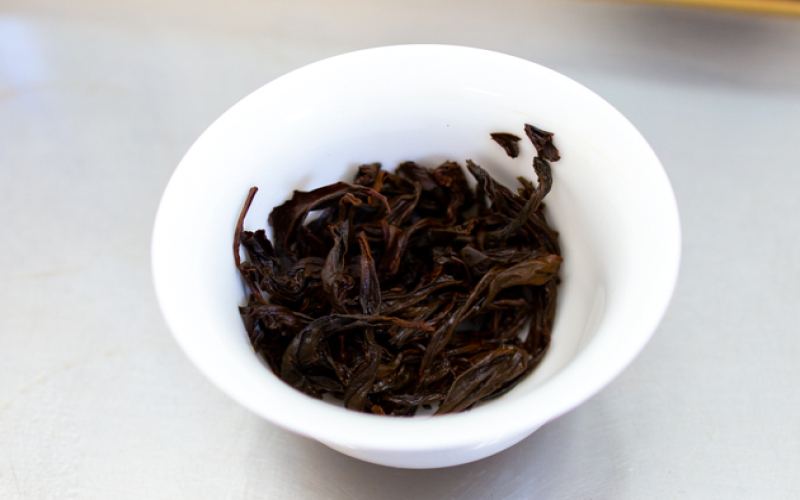
How many times can Lapsang Souchong Congou black tea be repeatedly brewed? The finer points of tea quantity for two and water quality
How many times can Zhengshan Xiaozhong Gongfu black tea actually be re-steeped? And for two people, how many grams of tea leaves should be weighed out? The answer lies in the water used, the tea-to-water ratio, and the rhythm of pouring. This article begins with water treatment, explaining why mineral water or mountain spring water is preferable, why tap water must be boiled to remove chlorine, and how scale and frequent water changes affect the taste of the tea; it then gives the general ratio of 40 milliliters of water to 1 gram of tea, and demonstrates the steps of warming the vessel, adding the tea, and a one-minute first steep. The key point is that after the second steep, almost no covered steeping is needed—simply letting boiling water skim over the leaves is enough, and only in this way can six consecutive steeps still carry flavor. The same principle applies to Front Street black tea. [more…]
A Detailed Guide to Loose-Leaf Tea Brewing Techniques: The Correct Steps and Key Selection Points for the Three Methods of Upper投, Middle投, and Lower投
To brew a delicious cup of loose-leaf tea, the order in which you add the tea leaves and the water matters a great deal. Traditional Chinese brewing methods fall into three categories: the top-drop method, the mid-drop method, and the bottom-drop method, each suited to tea leaves of different tenderness and form, and also closely tied to the season and air temperature. Experienced tea drinkers choose flexibly based on the type of tea, the age and tenderness of the leaves, and the air temperature. This article lays out the steps and precautions for all three methods, including key details such as the tea-to-water ratio, water temperature control, and timing for pouring off the liquor, along with practical photo demonstrations. Whether you have Biluochun, West Lake Longjing, or Huangshan Maofeng on hand, you can find a brewing plan that suits you and easily avoid common problems like over-steeping or leaves that refuse to sink. [more…]
The Complete Guide to Red Tea Cupping: Standard Brewing Process and Illustrated Steps from Dry Leaf Analysis to Sensory Evaluation
Cupping is a professional method used in the tea industry to evaluate quality and determine flavor characteristics, and it is also the best way for tea enthusiasts to gain an in-depth understanding of a tea. This article will break down the correct process and key details of black tea cupping step by step, from dry leaf analysis and infusion to sensory evaluation. Whether you are a cafe operator or a seasoned tea lover, mastering this method will help you judge tea quality more accurately and compare the flavor differences brought by different origins and processing methods. The article also draws on Front Street Coffee's quality control experience to share key points for controlling water temperature, time, and tea-to-water ratio, and includes a full-process illustrated guide to help you get started quickly. [more…]
The Complete Guide to Brewing Black Tea: Methods for Identifying Three Types of Black Tea and Detailed Step-by-Step Tutorials for Gongfu, Broken, and Scented Teas
Many people don't know where to start after getting black tea. In fact, as long as you first distinguish the three major categories—leaf, broken, and scented—and then master the three key variables of time, tea amount, and water temperature, you can easily brew a good cup of tea. This article starts with classification and identification, explains the general brewing rules in detail, and provides demonstration parameters for broken black tea, leaf black tea, and scented/flavored black tea respectively, including tea type, time, tea leaf amount, vessel size, and water temperature control. Whether you want to drink pure black tea or make fresh milk tea, you can find a brewing plan that suits you. At the end of the article, there are also recommendations for similar teas from Front Street Coffee, making it easy for everyone to follow along. [more…]
Which category of tea does Tieguanyin belong to? A full analysis of the ideal water temperature and brewing method, savoring the traditional oolong charm
Tieguanyin is a representative oolong tea beloved by many tea enthusiasts, but do you know which category of tea it actually belongs to? And what water temperature should you use to brew it for the best flavor? This article starts with Tieguanyin's tea classification, guiding you through its traditional craftsmanship and unique taste, and shares practical brewing parameters from Front Street. Whether you are a beginner just getting to know Tieguanyin or a seasoned tea drinker looking to refine your brewing skills, you will find clear answers here, allowing every cup of Tieguanyin to release its captivating aroma of roasted buckwheat and dried apricot. [more…]
Sri Lankan Ceylon Black Tea Brand Recommendations and Brewing Tips: How to Choose a Delicious Tea That Isn't Bitter
As a world-renowned tea, Ceylon black tea's taste is directly influenced by brand selection and brewing methods. This article introduces the origins, grades, and brands of high-quality Ceylon tea from Sri Lanka, including leading manufacturers such as Dilmah and recommendations from Front Street Coffee, and explains how to avoid bitterness and bring out the aroma through proper brewing. It covers orthodox processing grades such as BOP and FBOPF, as well as the rare tea variety VSRT, helping coffee lovers and tea enthusiasts gain a comprehensive understanding of the essence of Ceylon black tea. [more…]
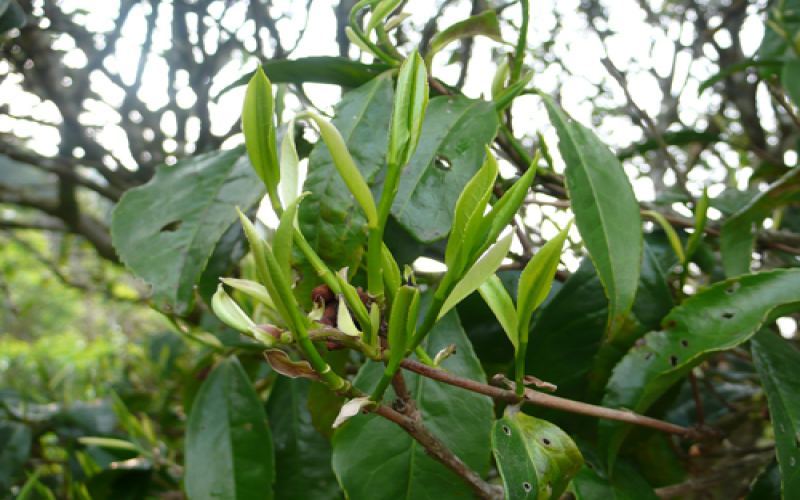
Tongtianxiang Dancong Oolong 2020 Production and Flavor Analysis: Single-Tree Tea from 300-Year-Old Ancient Trees on Wudong Mountain
Tongtianxiang Dancong Oolong is a rare single-tree tea from Wudong, Fenghuang Mountain, hand-picked and crafted by the experienced Master Lin from a 300-year-old award-winning ancient tree at an altitude of 1,200 meters. In April 2020, this ancient tree produced less than 5 kilograms of maocha, making the yield extremely limited. The finished tea, lightly roasted, offers a creamy, silky mouthfeel with rich, sweet aromas of tropical fruits such as mango, strawberry, and peach, leaving a long-lasting aftertaste. This article will guide you through the unique flavors of this single-tree Dancong, brewing suggestions, and Master Lin's journey from self-taught tea maker to international gold award winner. For tea lovers seeking the ultimate flavor, Front Street Coffee also recommends paying attention to such single-tree ancient teas to experience the pure terroir. [more…]
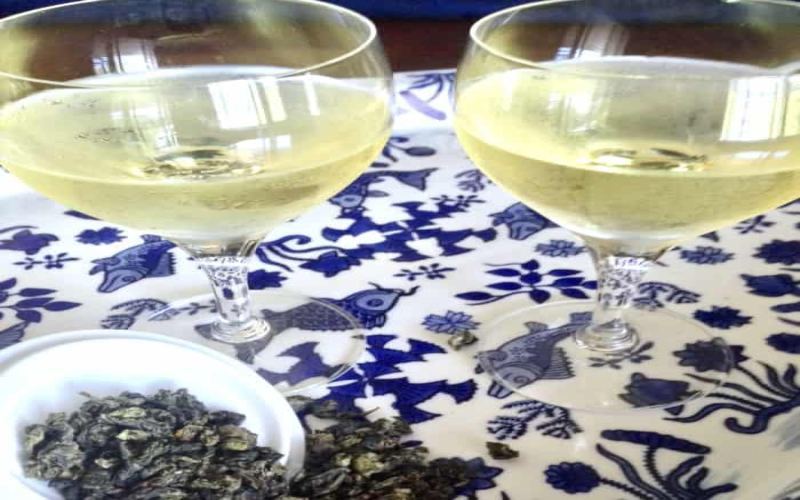
How to Choose Phoenix Dancong for Cold Brew? Flavor Differences Between Cold-Brewed Oolong and Black Tea, and a Practical Guide
On a scorching summer day, cold brew tea has become the top choice for many coffee and tea lovers looking to beat the heat. Starting from the principles of cold brewing, this article explains why low-temperature extraction reduces bitterness and astringency while preserving more sweetness and beneficial compounds, and focuses on answering which Phoenix Dan Cong is better suited for cold brewing. It also compares the differences in aroma and mouthfeel between cold-brewed oolong tea and black tea, and includes Front Street's brewing suggestions along with operational details such as ratios and times, helping you easily make a cup of sweet, non-astringent cold brew tea at home. [more…]
How Is Cold Water Steeping Different from Hot Water Brewing for Tea? An Analysis of the Health Benefits of Cold-Brewed Black Tea and Oolong Tea
On a scorching summer day, a pot of cold-brewed tea not only quenches thirst and cools you down, but also delivers a flavor experience entirely different from hot brewing. Steeping tea leaves in cold water for an extended period avoids the heavy release of theophylline and tannic acid, making the tea liquor smoother and sweeter; low-temperature cold extraction also draws out more of the sweet-tasting compounds such as amino acids. So what exactly is the essential difference between cold brewing and hot brewing? And what effects do cold-brewed black tea and oolong tea have on the body? This article will give you a complete analysis of the unique appeal of cold-brewed tea, from the underlying principles to brewing methods and ways of drinking it. [more…]