







Search Results for: Papua New Guinea coffee
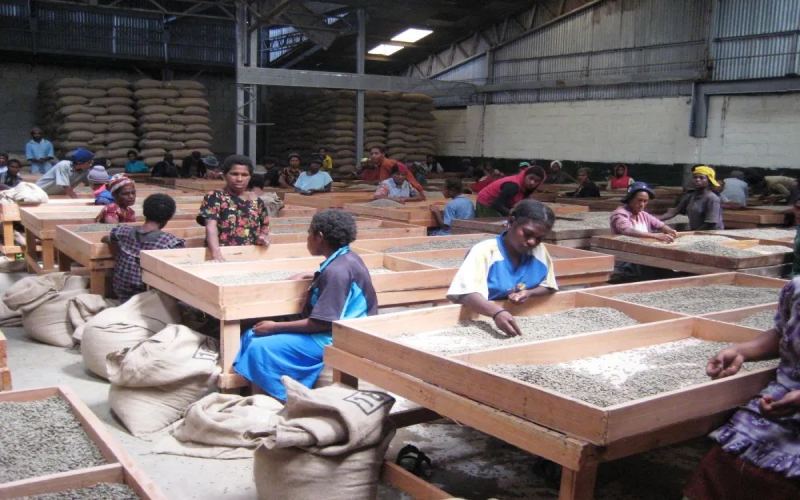
Oceanian Coffee Beans | How Are Papua New Guinea Coffee Beans Graded? What Flavor Characteristics Does the Sigri Estate Bird of Paradise Coffee Have?
You may not be very familiar with Papua New Guinea as a coffee origin, but Front Street Coffee believes that Front Street Papua New Guinea coffee stands out uniquely among the many coffees. Papua New Guinea is located in the southwestern Pacific, along the Pacific Ring of Fire, and is part of a volcanic geological zone with fertile volcanic soil, making it [more…]
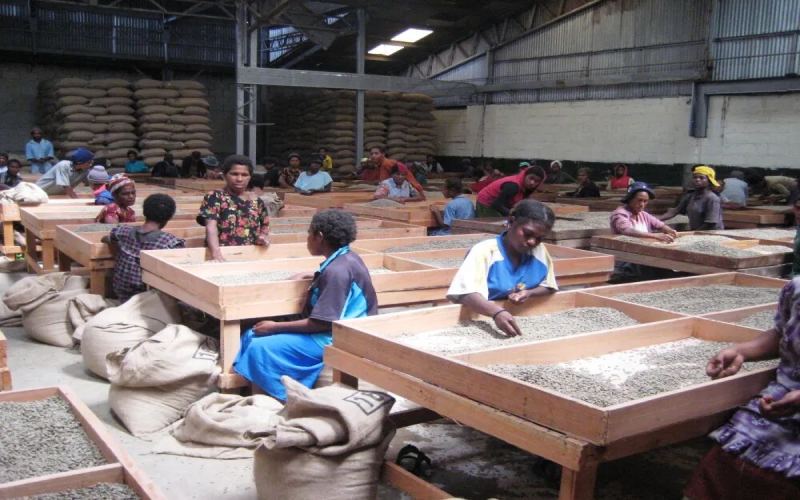
PNG Coffee Grades | How Are Papua New Guinea Coffee Beans Graded? What Are the Characteristics of Sigri Estate Bird of Paradise Washed Coffee?
You may find the coffee origin of Papua New Guinea a bit unfamiliar, but Front Street Coffee believes that Front Street Papua New Guinea coffee stands out as a unique presence among coffees. Papua New Guinea is located in the southwestern Pacific, along the Pacific Ring of Fire, and is geologically volcanic, with fertile volcanic soil, making it [more…]

Exploring Papua New Guinea's Specialty Coffee Regions: The Flavor and Story of Bird of Paradise Typica
In the Asian coffee landscape, Papua New Guinea is a rising star. This island nation, which shares the island of New Guinea with Indonesia, has joined the ranks of the world's specialty coffees thanks to its high-quality washed Arabica beans. Its coffee is known for medium body, bright acidity, and floral and fruity notes, with a style closer to the fresh, bright character of Central America than the rich bitterness of Mandheling. Bird of Paradise coffee beans—Typica variety—carry the unique terroir of their origin, and Front Street Coffee recommends this excellent bean worth savoring. This article will take you through the coffee history, variety characteristics, and flavor description of Papua New Guinea, exploring the coffee legend nurtured by this pristine land. [more…]
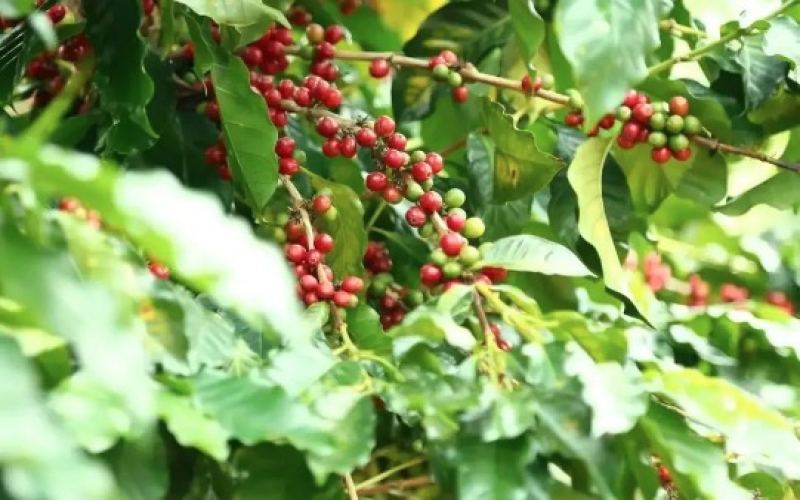
From the coffee country of the Pacific Ocean: Papua New Guinea.
There are two theories regarding the origin of the name "Papua": One theory states that in 1526, the Portuguese, Meneses, sailed from Malacca to the Moluccas Islands, but the sea breeze blew the ship to an unnamed place, and people called this land " [more…]
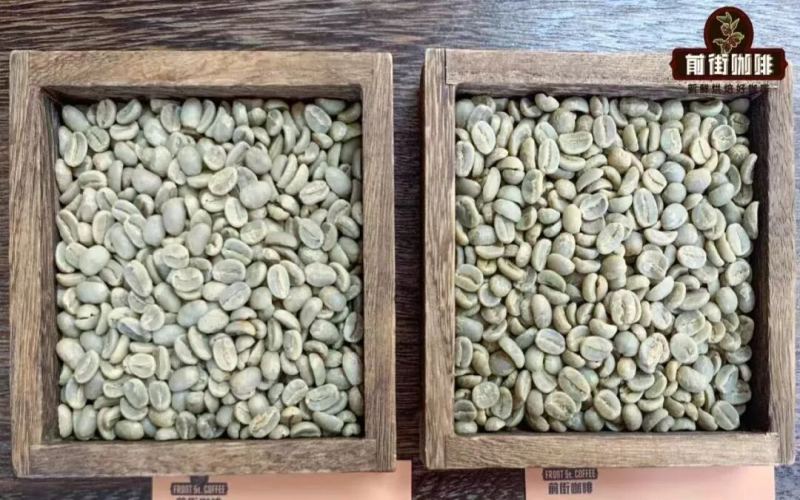
PNG coffee | Why does Papua New Guinea coffee have the name "Little Blue Mountain"? What are the flavor characteristics of the Sigri Estate Bird of Paradise washed Typica?
Because Blue Mountain coffee was overly famous in the last century, many related "borderline" products appeared on the market at that time. For example, Blue Mountain flavor coffee, Blue Mountain blend coffee, and so on—they almost all have nothing to do with Blue Mountain and are purely products that profit off the Blue Mountain name. And yesterday, a customer, while purchasing [more…]
Underrated Pour-Over Origins Worth Trying: Bolivia, Papua New Guinea, and Yunnan
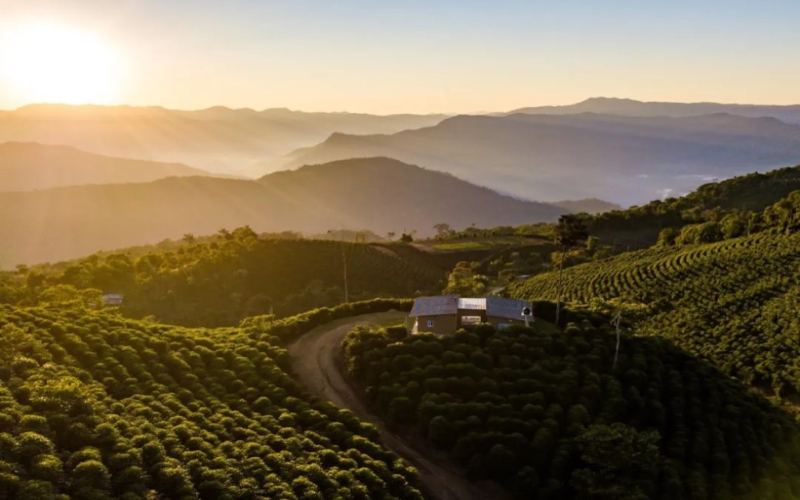
Pour-over enthusiasts who are used to drinking beans from popular regions like Ethiopia, Kenya, and Colombia sometimes want to change things up. In fact, there are some lesser-mentioned regions whose flavors are just as distinctive, and whose prices are relatively friendly—worth setting aside a spot for and trying slowly. Bolivia is a high-altitude origin that has gradually gained attention in recent years [more…]
How to Choose Blue Mountain Coffee: Balancing Budget and Drinking Frequency
理解牙买加蓝山咖啡,需要把风味描述转成能喝到的感受。日常买豆需要考虑喝得快不快、一次买多少,以及家里主要做黑咖啡还是奶咖。花香、果酸、坚果和可可并不是高低之分,而是不同方向,适合自己的那一类才有长期参 [more…]

Recommend dark roast beans: balancing budget and drinking frequency
From bean to cup, a coffee must still go through grinding and extraction. With dark-roasted beans, your day-to-day buying decisions need to take into account how quickly you'll drink them, how much to buy at a time, and whether your home setup mainly makes black coffee or milk coffee. First confirm your usual equipment and the taste you enjoy, then compare specific beans—your practical choices will have clearer direction. Dark-roasted beans' [more…]
What Coffee Beans Are Suitable for a Bialetti Moka Pot: Balancing Budget and Drinking Frequency
From bean to cup, a coffee must still go through grinding and extraction. When choosing coffee beans suitable for a Bialetti moka pot, your daily buying decisions need to consider how quickly you drink them, how much to buy at a time, and whether your home mainly makes black coffee or milk coffee. First confirm your usual equipment and preferred taste, then compare specific beans; the actual process will [more…]
A Buying Guide for Moka Pot Coffee Beans with Gentle Acidity: Balancing Budget and Drinking Frequency
From bean to cup, a coffee still has to go through grinding and extraction. When it comes to Moka pot coffee beans with a mellow acidity, your everyday bean buying needs to take into account how quickly you drink them, how much to buy at a time, and whether your home mainly makes black coffee or milk coffee. First confirm your usual equipment and preferred taste, then compare specific bean options—the actual process will be [more…]
How to Brew Crema with a Bialetti Moka Pot: Balancing Budget and Drinking Frequency
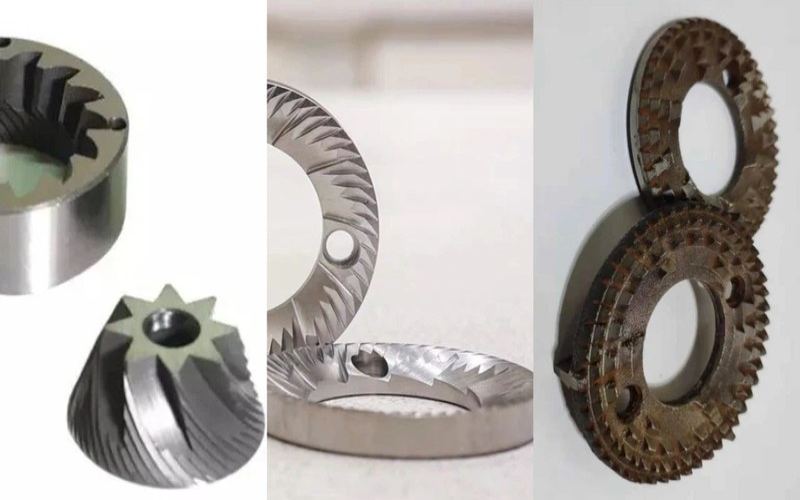
From bean to cup, a coffee must still go through grinding and extraction. When it comes to the crema performance of a Bialetti moka pot, your everyday bean buying needs to take into account how fast you drink it, how much to buy at a time, and whether your home mainly makes black coffee or milk coffee. First confirm the equipment you commonly use and the taste you like, then compare specific bean options; the actual process will be [more…]

Home Americano Coffee Beans: Balancing Budget and Drinking Frequency
From bean to cup, a coffee still has to go through grinding and extraction. When it comes to home-use Americano coffee beans, your daily buying decisions need to take into account how fast you drink it, how much to buy at a time, and whether your household mainly makes black coffee or milk coffee. First confirm your usual equipment and preferred taste, then compare specific beans—your actual practice will have clearer direction. [more…]
Low-Acid Dark Roast Moka Pot Espresso Beans: Balancing Budget and Drinking Frequency
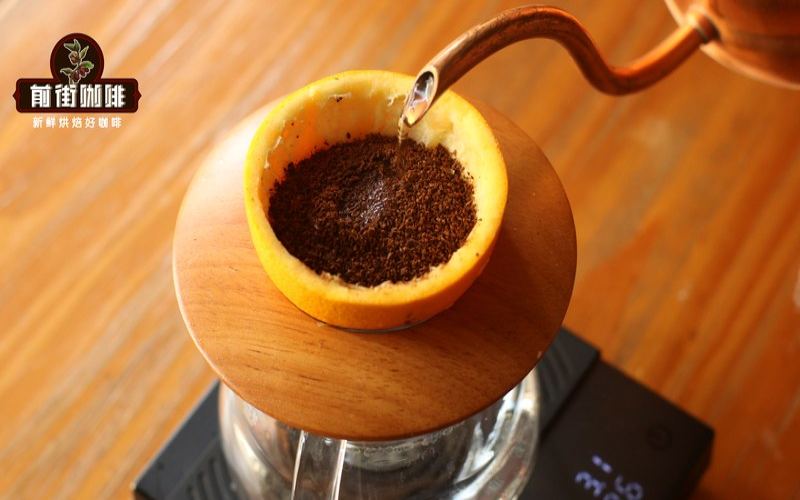
Remembering a few names is not enough when it comes to low-acid, dark-roast moka pot espresso beans. When buying beans for daily use, you need to consider how quickly you'll drink them, how much to buy at once, and whether you mainly make black coffee or milk coffee at home. What's truly worth referencing is the sweet-to-sour ratio on the palate, the body thickness, and the aftertaste once cooled—then combine that with your brewing habits to choose [more…]
Recommended Coffee Beans for Moka Pot: Balancing Budget and Drinking Frequency
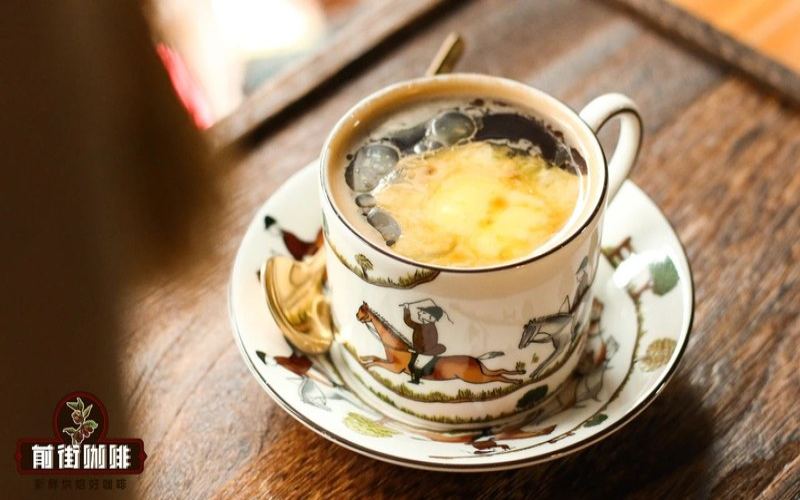
The right coffee beans for a moka pot start with the actual cup experience. For everyday bean buying, you need to consider how quickly you'll drink them, how much to buy at once, and whether you mainly make black coffee or milk coffee at home. The roast level of the beans determines the basic taste, the origin and processing method bring aroma differences, and the brewing device you use will change the strength, so when choosing beans you need to take [more…]
Which everyday beans to pair with a moka pot: balancing budget and drinking frequency
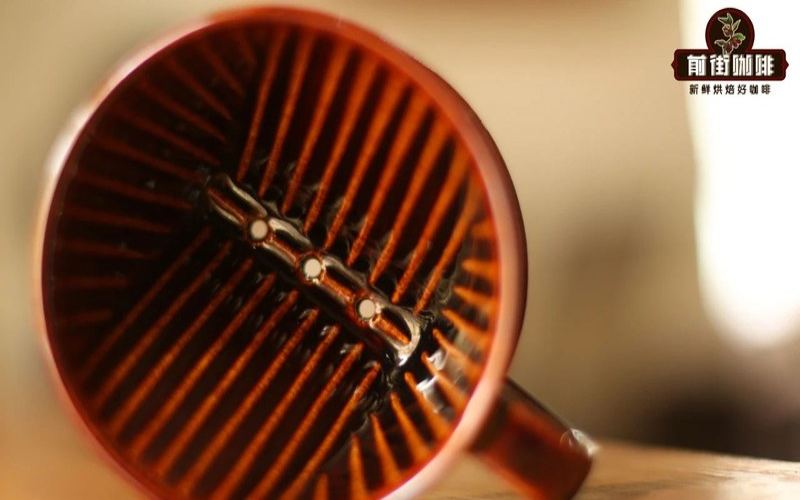
When it comes to everyday coffee beans suitable for a moka pot, start by thinking about how you plan to drink them each day. For everyday bean purchases, you need to consider how quickly you'll go through them, how much to buy at a time, and whether you mainly make black coffee or milk coffee at home. If you mainly drink black coffee, pay more attention to aroma and aftertaste; if you often add milk, consider whether the intensity and body can hold up. [more…]
Are there any mocha pot coffee beans with cocoa flavor recommendations: balancing budget and drinking frequency?
Moka pot coffee beans with cocoa flavors should be discussed from the actual cup experience. When buying beans for everyday use, you need to consider how quickly you'll drink them, how much to buy at once, and whether you mainly make black coffee or milk coffee at home. The roast level of the coffee beans determines the basic taste, the origin and processing method bring aromatic differences, and the equipment you use will change the strength, so when choosing beans [more…]
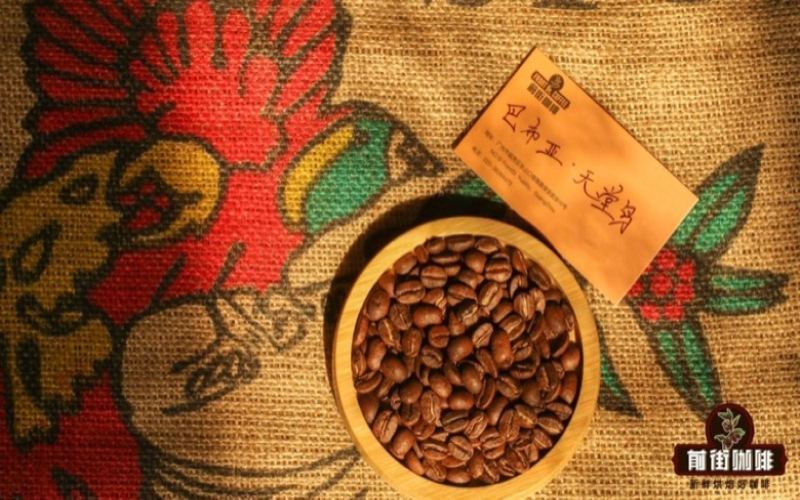
Regions for Rich and Thick Crema: Beyond Mandheling, There Are These
When it comes to coffee beans with rich, creamy body, many people first think of Mandheling. Indeed, Indonesian Mandheling is the representative of the rich and creamy style, but if you want to drink rich, creamy coffee, the producing regions to choose from are not limited to this one. Brazil, Papua New Guinea, and Jamaica each have their own expressions of richness and creaminess, and they are all worth trying one by one. Indonesia is a stronghold of the rich and creamy style. Sumatran [more…]
A few recommended pour-over coffee beans with gentle acidity: balancing budget and drinking frequency
When it comes to hand-brewed coffee beans with a soft acidity, first consider how you'll be drinking them every day. For everyday bean purchases, you need to think about how quickly you'll go through them, how much to buy at once, and whether your household mainly drinks black coffee or milk coffee. If you mainly drink black coffee, you can pay more attention to aroma and aftertaste; if you often add milk, you need to consider whether the intensity and body can hold up. [more…]
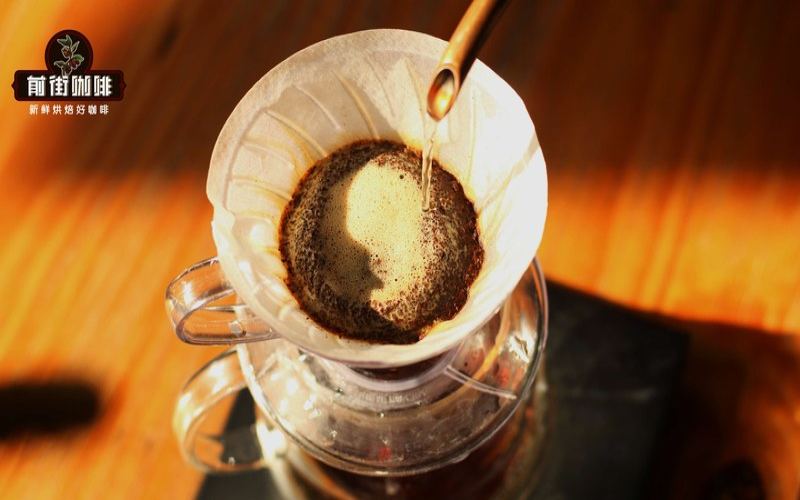
Recommendations for great-tasting Americano coffee beans: balancing budget and drinking frequency
A good-tasting Americano coffee bean isn't something you can pin down just by memorizing a few names. For everyday bean buying, you need to consider how fast you'll go through them, how much to buy at once, and whether your home setup is mainly for black coffee or milk drinks. What's genuinely useful for reference is the sweet-to-sour ratio when it hits your palate, the body's thickness or thinness, and the finish once it cools—then combine that with your brewing habits, and your options become [more…]
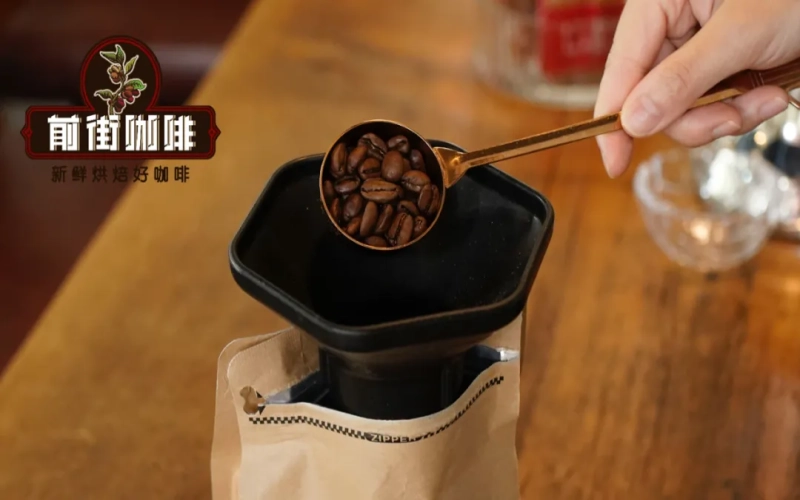
The Complete AeroPress Coffee Brewing Guide: From the Invention Principle to Inverted Method Practice and Summer Iced Coffee Solutions
The AeroPress looks like an oversized syringe, and at first glance it's hard to associate it with coffee brewing, yet it happens to have its own world-class competition. This article begins with the story of the AeroPress's invention, then breaks down its structure into three main parts: the chamber, the plunger, and the filter cap, and explains how it combines immersion extraction and pressure extraction in one device. It then focuses on the more stable inverted brewing process, from Front Street Coffee's Papua New Guinea · Bird of Paradise bean selection, grind size, coffee-to-water ratio, and water temperature, to the timing of each step—adding grounds, stirring, flipping, and pressing—reconstructing step by step the process of making a full-bodied cup of coffee in 1 minute 30 seconds. Finally, it includes adjustment ideas for a 1:8 iced coffee. [more…]