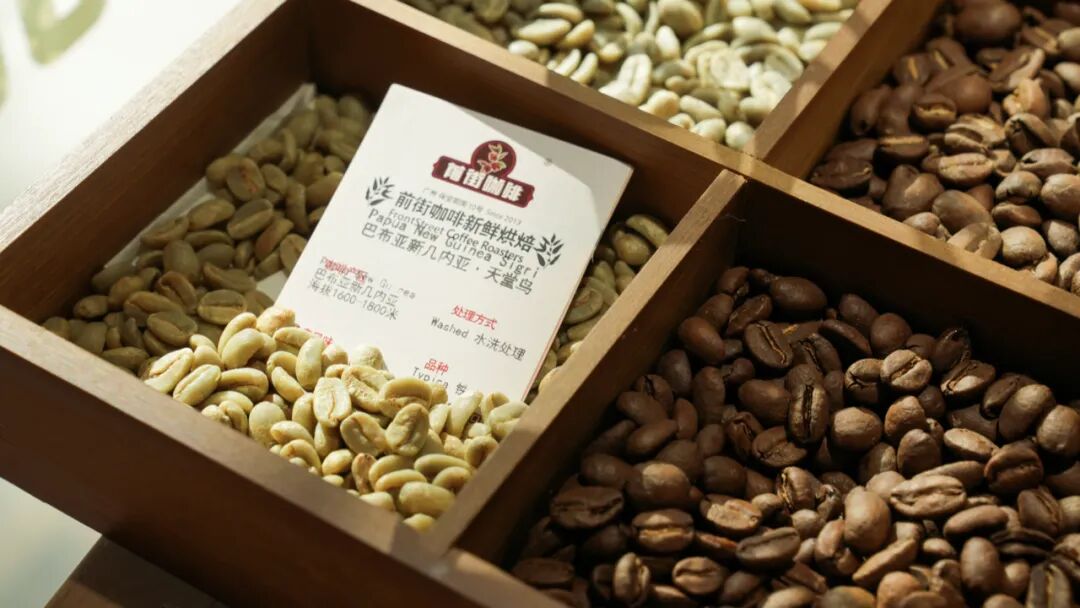
Because Blue Mountain coffee was overly famous in the last century, many related "borderline" products appeared on the market at that time. For example, Blue Mountain flavor coffee, Blue Mountain blend coffee, and so on—almost none of them had anything to do with Blue Mountain; they were products that purely profited off the Blue Mountain name.
And yesterday, when a customer was buying beans, he asked Front Street a question: he asked Front Street whether Papua coffee, known as "Little Blue Mountain," also belongs to this type of product.Well! It really is not.Papua New GuineaCoffee's "Little Blue Mountain" nickname is not unearned. Front Street has shared this several times before. No matter—today Front Street will share again why Papua New Guinea coffee can be crowned with the name "Little Blue Mountain."The Same Variety
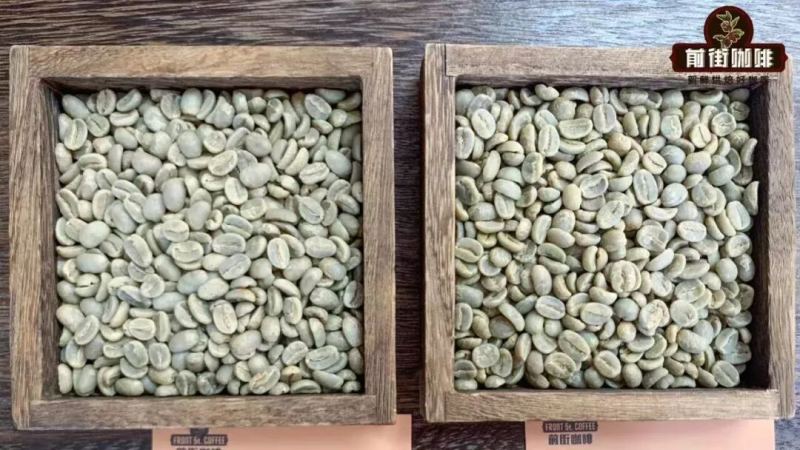
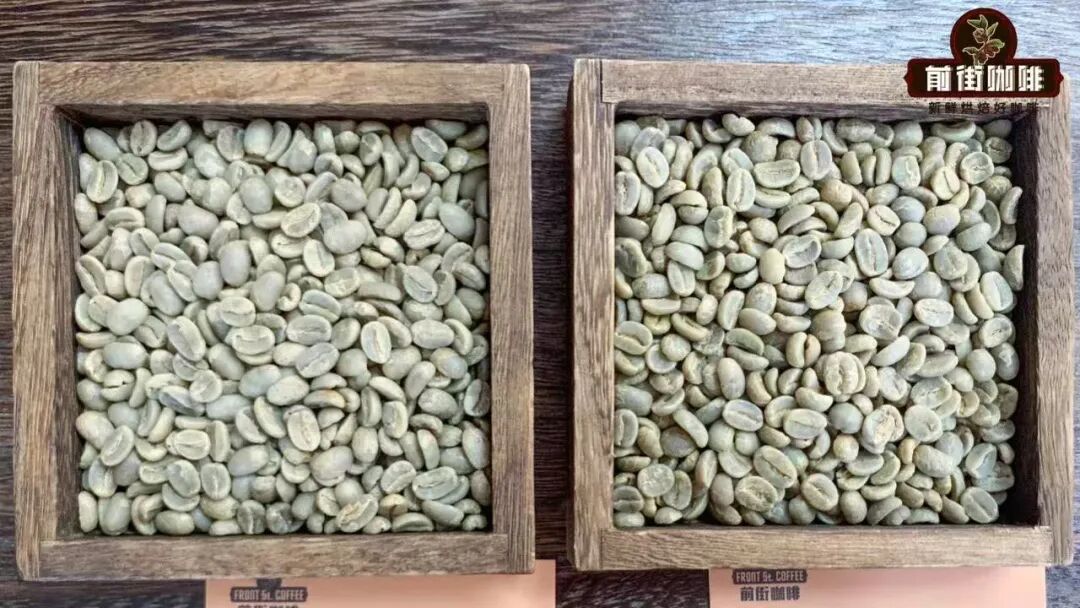
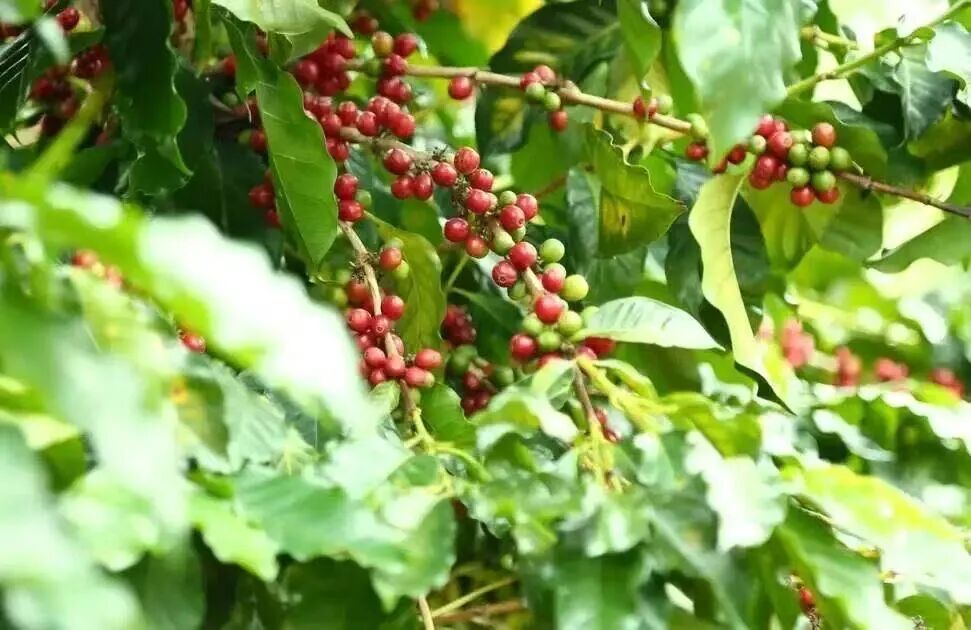
First is the same coffee variety! Most of the coffee grown in Papua is the same variety as Blue Mountain coffee: Typica.(Bird of Paradise on the left, Blue Mountain coffee on the right)Coffee cultivation in Papua can be traced back to the late 19th century, when Dutch sailors planted introduced coffee seedlings in the Rigo District of Papua. From that time on, coffee took root and sprouted in Papua. By the early 20th century, Papua's coffee officially began its commercialization process. Although it started relatively late, because the environment was very suitable for growing coffee, by 1908 Papua already had 180 acres of land planted with coffee.By 1931, in order to further improve coffee quality, Papua introduced Typica from Jamaica. As everyone knows, the variety of Blue Mountain coffee is Typica, and this Typica is different from regular Typica.
Jamaica, as a coffee-producing region, is different from other coffee-producing regions. It is a relatively closed island country and also has unique microclimatic conditions, so the Typica grown there, after more than two hundred years of domestication and adaptation, evolved relatively excellent disease resistance! Especially against coffeecoffee berry diseaseits resistance is higher than that of ordinary Typica, and both quality and yield are relatively better. Therefore, the Typica grown in Jamaica has a distinctive name—Blue Mountain Typica.
In order to improve coffee quality, many producing regions have introduced Blue Mountain Typica from Jamaica, and Papua is one of them. This is one reason why Papua's coffee can be crowned with the name Little Blue Mountain, because most of the coffee grown there shares the same bloodline as Blue Mountain coffee.Similar Growing Environment
Of course, variety alone is not enough to support the title of "Little Blue Mountain"! Many other producing regions have also introduced Blue Mountain Typica from Jamaica, and what makes Papua different from them is that it can provide coffee with a growing environment similar to Jamaica's.
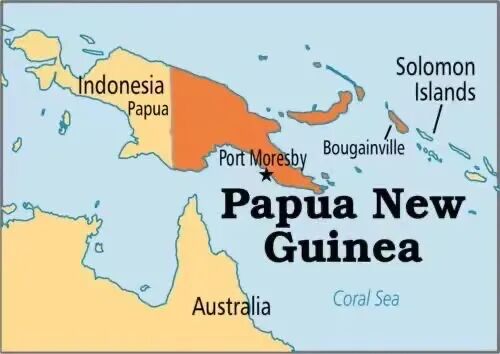
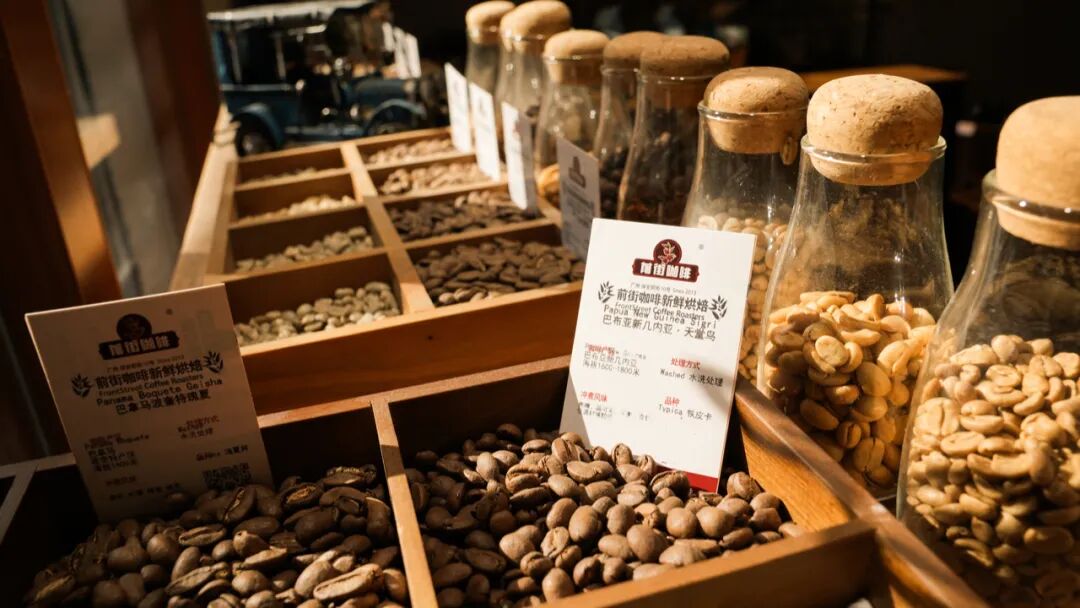
Like Jamaica, Papua New Guinea is also an island country. It is located between the equator and 10 degrees south latitude, also a tropical region, with high humidity and abundant rainfall. Not only that, it also has a fairly high coffee-growing altitude and volcanic soil that can nurture more flavor substances in coffee. It can be said to be an excellent coffee-growing environment. Because of this, compared with other producing regions, the Typica grown in Papua can perform relatively similarly to Blue Mountain.Of course, when actually drinking it, there are still certain differences; Papua coffee still has its own charm unique to this producing region. After multiple cupping sessions, Front Street finally chose Bird of Paradise coffee fromSigri Estateas the representative of Papua New Guinea coffee on the bean list.Papua New Guinea · Bird of Paradise
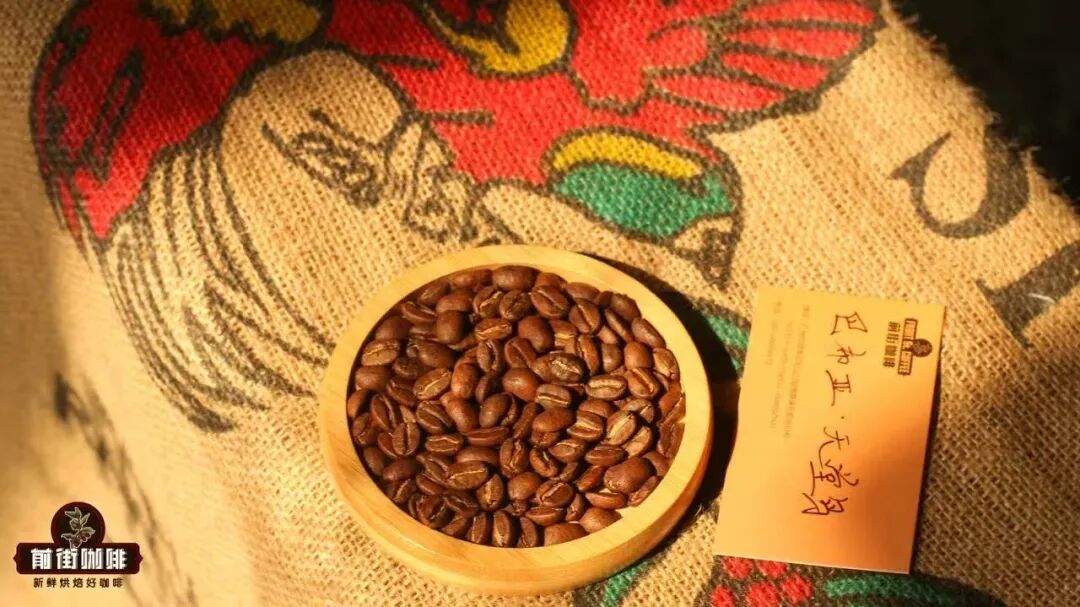
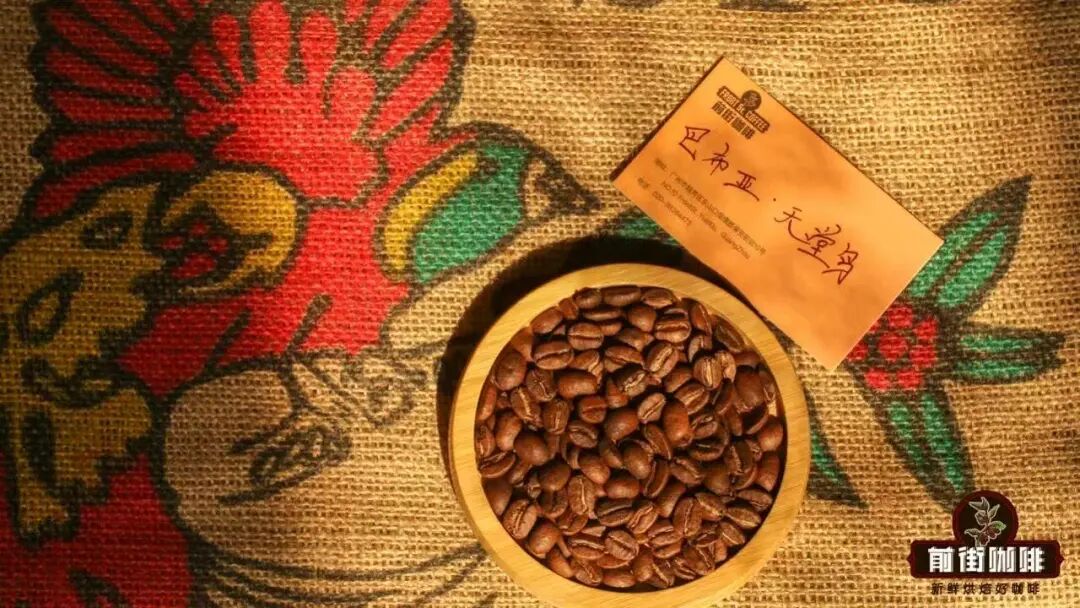
Sigri Estate was established in 1950 and has a history of more than 70 years. It is a pioneer of the local coffee industry, and it is also one of the earlier Papua estates introduced into China. "Bird of Paradise coffee" originally referred specifically to Sigri Estate coffee with the Papua national bird, the bird of paradise, printed on the burlap sacks. It was only later that more and more Papua coffee was introduced into China, and because the burlap sacks all had birds of paradise printed on them, Bird of Paradise coffee became a general term, but at first it referred only to coffee from Sigri Estate. This is also one of the reasons why Front Street chose this estate as the representative of Papua.Why say "one of the reasons"? Because a good story alone is not enough; the quality of the coffee must not fall short either, and the coffee from Sigri Estate happens to meet this requirement as well.
Sigri Estate is located in Waghi Valley(Western Highlands)in the Western Highlands Province(Waghi Valley), where there is mineral-rich volcanic soil, an altitude of about 1,500 meters, a cool climate, and abundant rainfall. It is an excellent piece of land in Papua very suitable for growing coffee.Not only that, Sigri Estate also places great emphasis on protecting the ecological environment. In order not to damage or pollute the land and water sources, Sigri Estate does not use any pesticides or insecticides when growing coffee. In post-processing as well, Sigri Estate is not at all careless. In order to produce high-quality coffee, every step from harvesting to processing is very meticulous. Because of this, its coffee quality is outstanding, and this is the final reason Front Street chose it. Front Street chose a medium-roast profile to prepare this Bird of Paradise coffee from Sigri Estate, with the aim of giving the coffee a balanced expression. Under medium roasting, Bird of Paradise coffee tastes very balanced, with a smooth and full body. In terms of flavor, besides the dark-roast coffee's characteristic notes of chocolate and nuts, it also carries a very soft citrus and berry acidity, with a finish of sugarcane sweetness. Overall, while approaching Blue Mountain, it also has a charm uniquely its own—really very good!
 The above content is compiled by CoffeeHunters, a coffee news website.