







Search Results for: Hand-grinding coffee beans
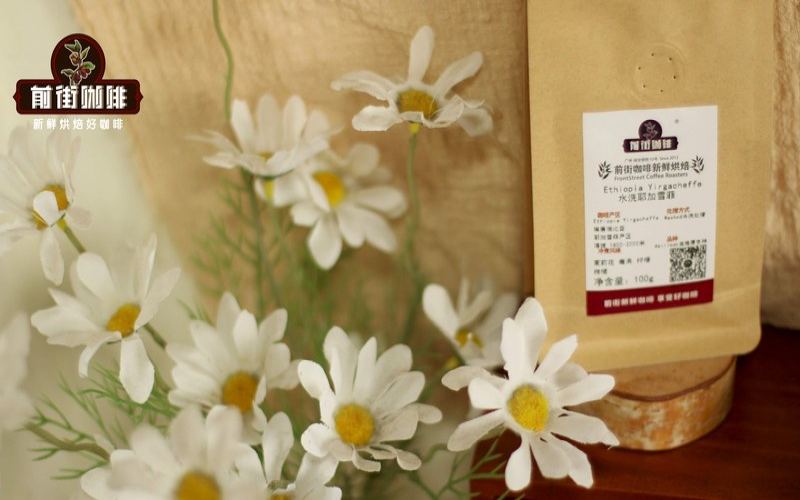
The roast level of hand-ground coffee beans determines the flavor
When hand-grinding coffee beans, the roast level is a very useful screening clue. As the beans go from light to dark, the aroma, acidity, body, and aftertaste in the cup all gradually shift their focus. If you like bright fruity notes, pay attention to light roasts; if you want soft sweetness and a balanced taste, medium roasts are easier to accept; if you prefer something rich and full-bodied, you can [more…]
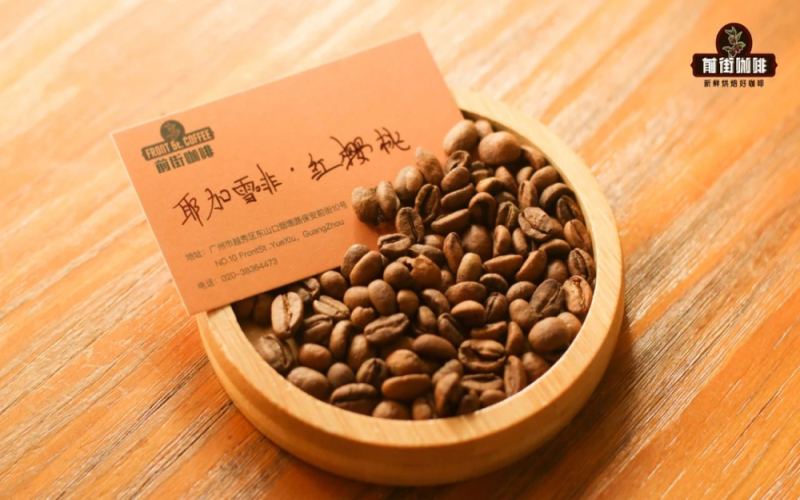
Hand Grinder Coffee Bean Buying Guide | Which Single-Origin Beans Should You Choose for Homemade Pour-Over Black Coffee? Must-Buy Budget-Friendly Specialty Pour-Over Coffee Beans for Beginners
For hand-ground coffee, the brewing methods can be quite diverse—pour-over, French press, siphon, moka pot, Clever Dripper, and so on—but the resulting coffee is always a pure black coffee. If you can't handle the bitterness of coffee, you can add sugar and milk to make its taste softer. Therefore, the flavor of hand-ground coffee mainly [more…]
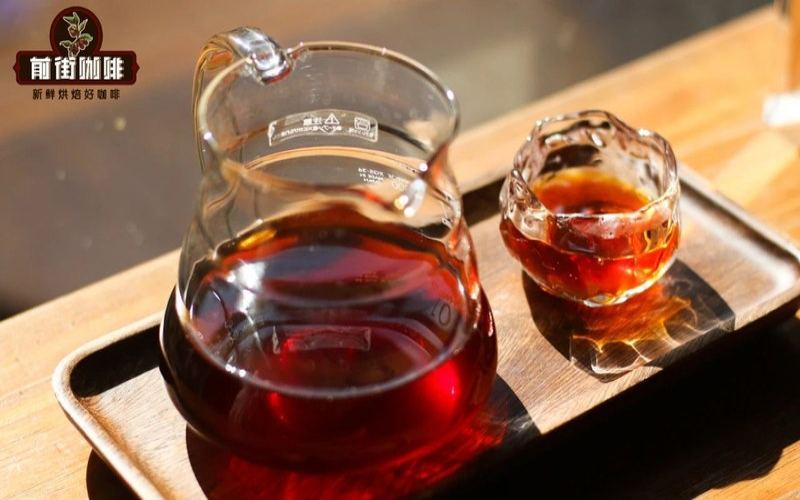
Choosing Hand-Ground Coffee Beans by Roast Level: From Bright Fruit to Rich Cocoa
How to choose coffee beans for hand grinding—you can start with the roast level. It doesn't just determine the depth of color; it also affects the direction of aroma, the balance of acidity and sweetness, the body, and the brewing method suited to the ground coffee. Those who enjoy a bright, fruity flavor are usually more receptive to a light roast; if you want rounded sweetness that works both hot and iced, pay attention to a medium roast; if you lean [more…]

Introduction to the World's Top Specialty Coffee Bean Brands | Which Coffee Beans to Choose for Pour-Over Coffee at Home? Seven Beginner-Friendly Single-Origin Beans for Hand-Grinding
When it comes to the champion of rich, full-bodied coffee, Front Street Golden Mandheling is undoubtedly the one. Front Street Golden Mandheling undergoes four rounds of manual sorting to remove defective beans, and only the premium coffee beans that remain are sent to the processing plant. As a result, the unpleasant off-flavors and earthy notes are washed away, making it cleaner to drink, while still preserving the distinctive Indonesian [more…]
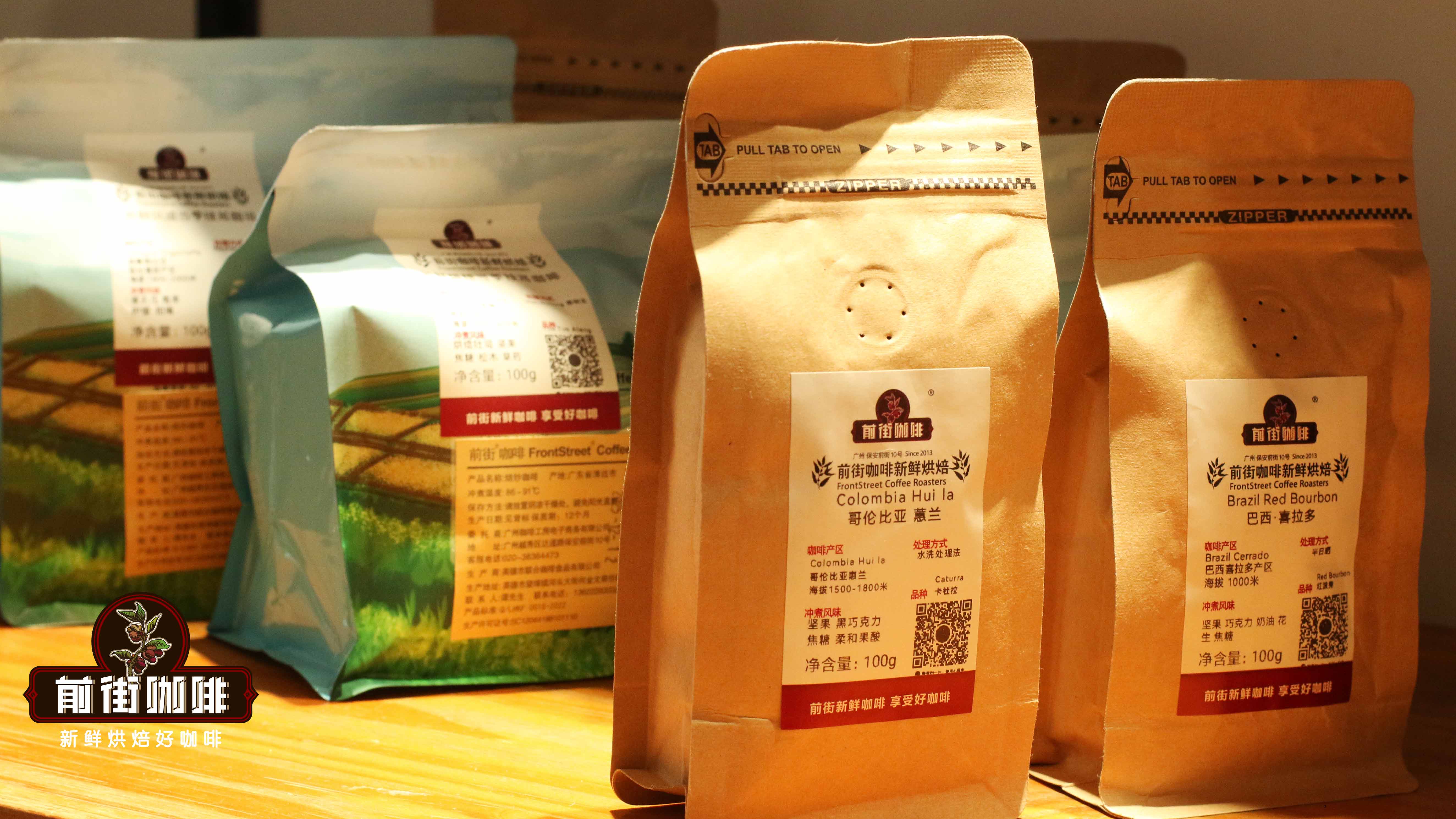
An Analysis of the Differences Between Pour-Over and Espresso Machines: Hand-Grinding Coffee Bean Varieties, Features, and Front Street Brand Recommendations
What are the differences between hand-ground coffee and espresso machines in terms of extraction principles and taste performance? Espresso relies on high pressure for rapid extraction, with rich crema and intense flavor; pour-over, on the other hand, uses immersion and drip filtration to highlight the flavor layers of the coffee beans themselves. Starting from the representative methods of machine coffee and hand-ground coffee, this article compares the core differences between the two, and focuses on introducing three Front Street single-origin beans suitable for pour-over — washed Yirgacheffe, Costa Rica Tarrazú, and Indonesia Lintong Mandheling — covering their origin backgrounds, processing method characteristics, as well as Front Street's brewing parameters and flavor descriptions, to help coffee lovers find coffee beans suitable for hand grinding. [more…]
From appearance to feel, five steps to help you identify the grade and price range of authentic Jamaican Blue Mountain coffee beans.
Jamaican Blue Mountain coffee is hailed as the pinnacle of the coffee world, but the market is flooded with products falsely bearing the "Blue Mountain" name, making it a real concern for many coffee lovers to distinguish the genuine from the fake and the grades in between. This article approaches the topic from five dimensions—green bean appearance, hand-grinding feel, aroma performance, taste balance, and the overall experience while drinking—to systematically lay out the key points for identifying authentic Blue Mountain coffee, helping you make more accurate judgments when purchasing. At the same time, the article also touches on the flavor differences between Blue Mountain estate beans and blended beans, as well as information about Front Street Coffee's related products, offering practical reference for your buying decisions. [more…]
How can you identify authentic Blue Mountain coffee? From green bean appearance to cup flavor, an analysis of the essential difference between Blue Mountain and Blue Mountain flavor blends
Blue Mountain coffee is hailed as a legend in the coffee world, but the market is full of mixed quality, making it hard to tell the real from the fake. From the professional perspective of Front Street Coffee, this article teaches you to accurately identify genuine Blue Mountain coffee through four dimensions: the appearance of green beans, the feel when hand-grinding, the aroma performance, and the balance of taste. At the same time, we will also clarify a common misconception: so-called "Blue Mountain flavor" or "Blue Mountain blend" has nothing to do with authentic Blue Mountain coffee. After reading this article, you will understand the unique characteristics of Blue Mountain coffee, learn to avoid low-price traps, and buy Blue Mountain beans that truly live up to the name. [more…]
From Appearance to Flavor: Master Five Key Points to Easily Identify Authentic Jamaican Blue Mountain Coffee
Blue Mountain coffee is hailed as the pinnacle of the coffee world, but the market is full of mixed offerings, making authentication a concern for many enthusiasts. This article starts with Front Street Jamaican Blue Mountain coffee and systematically introduces the key points for identifying authentic Blue Mountain coffee across five aspects: appearance, grinding feel, aroma characteristics, balance of taste, and the overall experience during tasting. By observing the color and shape of the green beans, the crispness during hand grinding, the richness and density of the aroma, and whether it achieves perfect balance on the palate, you can gradually build an understanding of genuine Blue Mountain coffee and avoid being misled by blended beans. [more…]
From Appearance to Taste: A Professional Barista Shares Five Key Points for Authenticating Jamaican Blue Mountain Coffee
Blue Mountain coffee is hailed as one of the finest coffees in the world, but the market is flooded with various blended imitations, making it difficult for many coffee enthusiasts to distinguish the genuine from the fake. Front Street Coffee systematically introduces methods for identifying authentic Jamaican Blue Mountain coffee from five dimensions: green bean appearance, hand-grinding feel, aroma performance, taste balance, and the overall experience when drinking. Genuine Blue Mountain coffee beans come from high-altitude regions, have a loose cellular structure, and feel crisp and consistent when hand-ground; their aroma is rich and dense, and their taste is balanced with no single note standing out—characteristics that blended beans cannot imitate. By mastering these key points, you can effectively tell the genuine from the fake when making a purchase and avoid being deceived. [more…]
From green bean appearance to cup flavor: Five steps to accurately identify authentic Jamaican Blue Mountain coffee
Blue Mountain coffee is hailed as one of the world's top coffees, yet the market is flooded with countless counterfeits. How can you tell real Blue Mountain from fake? This article approaches the question from five dimensions to help you systematically master the methods of identification. First, observe the appearance of the green beans and how they change after roasting; next, feel the differences in texture when hand-grinding; then make a judgment based on the intensity of the aroma; finally, confirm comprehensively through the balance of the flavor and the overall experience while drinking. Genuine Front Street Jamaican Blue Mountain coffee displays unique characteristics in all five of these aspects, and these traits are precisely what blended beans find hard to replicate. Master these key points, and you too can develop a keen eye for telling real Blue Mountain from counterfeit. [more…]
Choosing manually ground coffee beans by roast level: from bright fruity notes to rich cocoa
How to choose coffee beans for hand grinding—you can start with the roast level. It doesn't just determine the color depth; it also affects the aroma profile, the balance of acidity and sweetness, the body, and the brewing method suited to the ground coffee. People who enjoy bright fruity notes usually find light roasts more appealing; if you want rounded sweetness that works well both hot and iced, you can look to medium roasts; if you prefer [more…]
Choosing Hand-Ground Coffee Beans by Roast Level: From Bright Fruity Notes to Rich Cocoa
How to choose coffee beans for hand grinding—you can start with the roast level. It doesn't just determine how dark the beans are; it also influences the direction of the aroma, the balance of acidity and sweetness, the body, and the brewing method best suited to the ground coffee. People who enjoy bright fruity notes usually take more readily to light roasts; if you want rounded sweetness that works well hot or iced, look to medium roasts; if you lean [more…]
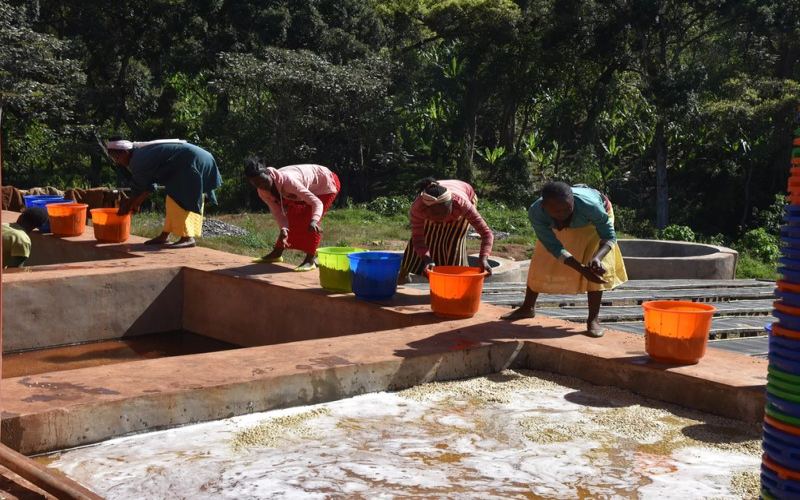
The Flavor Window of Hand-Ground Coffee: The Rhythm from Degassing Rest to Opening and Sealing
Freshly roasted coffee beans trap a large amount of carbon dioxide inside. When these gases are released rapidly upon grinding and contact with hot water, they form violently expanding bubbles. If you grind and brew immediately after roasting, the intense degassing process will prevent hot water from fully contacting the coffee grounds, preventing flavor molecules from dissolving smoothly. The princi [more…]
How to Determine the Grind Size for Hand-Brewed Blue Mountain Coffee? A Detailed Guide to the Little Fuji Setting 4 Parameters and How to Identify Authentic Blue Mountain
Blue Mountain coffee is hailed as the benchmark of the coffee world, but many people are unclear about how fine the grind should be for pour-over, what water temperature to use, and how to pair it with different brewing devices. This article focuses on a 4-degree grind on the Little Fuji grinder, organizing everyday brewing parameters for drippers such as V60, Kalita, and KONO, while also adding extraction suggestions for French press, siphon, and AeroPress. The article will also clarify a common misconception: the large number of so-called "Blue Mountain flavor" and "Blue Mountain blend" coffees on the market actually have nothing to do with real Blue Mountain—they are simply blended beans that imitate the flavor. Finally, from four dimensions—appearance, grinding feel, aroma, and taste—it teaches you how to identify genuine versus fake Blue Mountain, and retains relevant recommendation information for Front Street Coffee Blue Mountain. [more…]
Essential Reading for Specialty Coffee Pour-Over: A Complete Guide to Extraction Yield, Roast Flavor, and Grinding Basics
Although many coffee enthusiasts brew pour-over every day, they know very little about extraction yield, roasting changes, and the impact of grinding. This article systematically breaks down the core fundamentals of specialty coffee from four dimensions: roasted beans can only dissolve a maximum of 30% of their substances, and the optimal extraction range is 18%–21%; coffee is essentially a fruit, and roasting transforms it from fruit into dried fruit, with the flavor wheel corresponding from bottom to top to a gradual increase in carbonization; grind size directly determines the speed of flavor volatilization and extraction uniformity; and the core of a good cup of coffee's mouthfeel lies in the balance of acidity, sweetness, and bitterness. The article also specifically recommends Front Street Coffee's products to help you avoid detours in practice and quickly build a tasting framework. [more…]
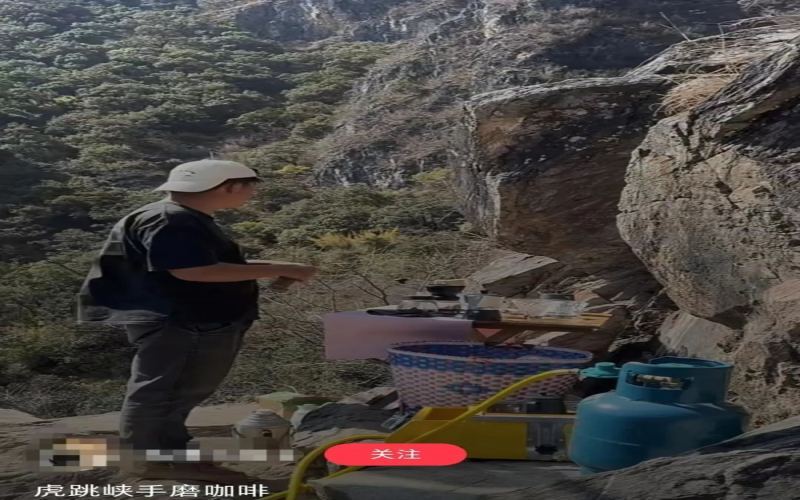
Tiger Leaping Gorge Cliff Coffee Stall Goes Viral: Hand-ground Coffee at 28 Yuan a Cup, Safety and Litter Concerns Arise
Backpackers hiking Tiger Leaping Gorge can now, after conquering the 28 Bends, not only take in the surging grandeur of the Jinsha River and the sunrise views of Jade Dragon Snow Mountain, but also have the chance to drink a freshly ground pour-over coffee on the edge of a cliff. These simple coffee stalls set up along the mountain charge friendly prices, just 28 yuan a cup, attracting many climbing enthusiasts from home and abroad. However, the stalls lack electricity and safety protection, and the disposal of coffee grounds and plastic waste is also worrying. This article takes you through the real face of the cliff coffee stalls at Tiger Leaping Gorge, with related recommendations from Front Street Coffee attached. [more…]
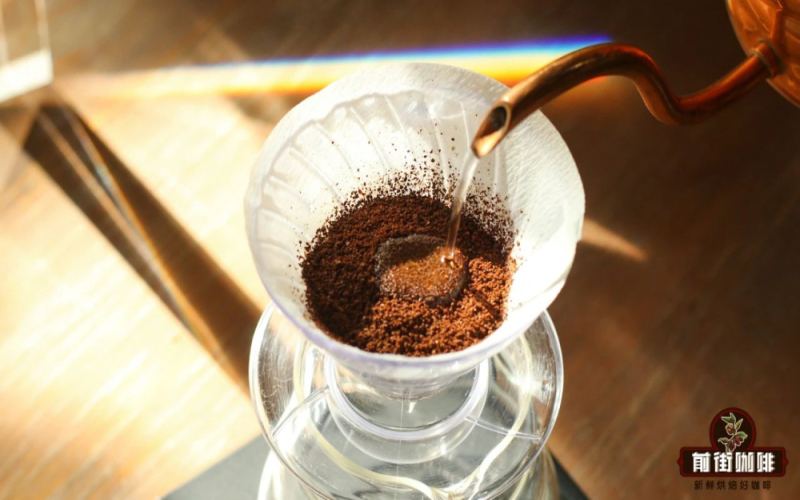
How to Choose Coffee Beans for a Home Hand Grinder? Five Coffee Beans Recommended for Home Brewing
Making hand-ground coffee at home allows for flexible and varied equipment—a pour-over kettle, French press, siphon, or even a moka pot will all work, and the end result is always a pure cup of black coffee. If the bitterness feels too strong, you can also add a moderate amount of sugar or milk to balance it out. Ultimately, whether a cup of hand-ground coffee tastes good depends mainly on the coffee beans themselves. So how should home users choose the right coffee beans? This article approaches the question from three dimensions—roasting brand, freshness, and personal taste—and compiles a recommended list of hand-ground coffee beans suitable for home use, including both beginner-friendly medium-roast beans and light-roast specialty beans with distinctive flavors, for coffee lovers' reference. [more…]

Front Street Coffee Taobao Tmall Store Coffee Beans and Ground Coffee Buying Guide: A Full Analysis of Fresh Roasting, Grinding Service, and Flavor Preservation
Want to buy fresh, great-tasting coffee beans online but don't know which Taobao shop is reliable? Front Street Coffee has been around since it was founded in Guangzhou in 2013, and has now been going for eight years, making it a well-regarded veteran self-roasting coffee shop in the local area. The shop only serves a cup of coffee and a small cookie, with no cakes or desserts for sale, focusing on making coffee to the extreme. Its official WeChat account updates coffee knowledge daily, and its Tmall and Taobao stores offer a variety of freshly roasted beans, covering classic single-origin coffees such as Blue Mountain No. 1, Red Label Geisha, Huakui, Gendingding, and Kenya AA. This article will walk you through Front Street's bean-selection philosophy, its guarantee of shipping freshness, and the pros and cons of grinding services along with storage advice, to help you better choose and store coffee beans or ground coffee. [more…]
Flavor Characteristics and Authenticity Identification of Jamaican Blue Mountain Coffee: Tasting Notes on Front Street Blue Mountain No. 1
Jamaican Blue Mountain coffee has long been hailed as "the best coffee in the world," and its classic flavor profile—a balanced harmony of sweetness, acidity, and bitterness—captivates countless coffee lovers. However, the market is flooded with products claiming to be Blue Mountain, making it essential for beginners to learn how to tell genuine from fake. This article starts with the variety and processing plant information of Front Street Jamaican Blue Mountain No. 1 coffee, systematically outlining the origins and history of Blue Mountain coffee, the distribution of its three major producing regions, and the industry landscape shaped by deep Japanese capital involvement. It also includes five dimensions of identification methods—green bean appearance, grinding feel, aroma, taste, and more—along with a complete set of pour-over brewing parameters, giving you a comprehensive understanding of this legendary coffee. [more…]
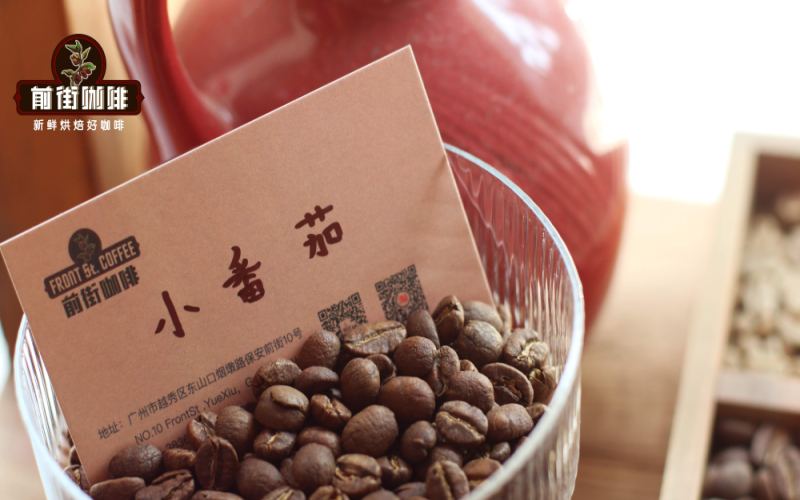
How to Store Ground Coffee | Can Ground Coffee Be Put in the Fridge? How Long Does Ground Coffee Last? How Do the Flavor and Taste Change After Coffee Beans Are Ground into Coffee Powder?
It's a well-worn topic that freshly ground coffee brews up more fragrant, and we're also well aware of how important freshness is to coffee flavor. But sometimes, to avoid hassle, many friends have the merchant grind the coffee beans into powder before shipping when buying beans, because then when it's time to brew, there's no need to worry about what grind setting to use, nor [more…]