







Search Results for: Forced Recording
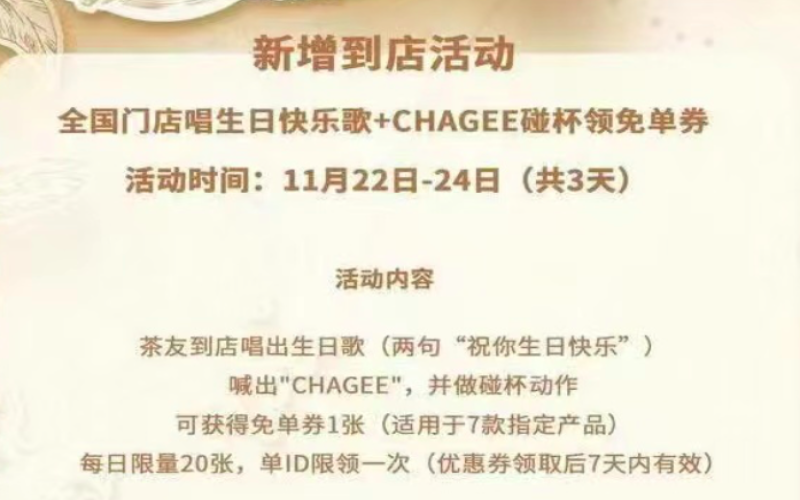
Chagee's seventh anniversary singing-for-free promotion sparks controversy: stores mandatorily record videos, raising consumers' privacy concerns
To celebrate its seventh anniversary, Chagee launched a seven-day giveaway of 700,000 free drinks, and the singing-for-a-free-drink option, being the easiest to participate in, quickly attracted deal hunters. However, after the second round began, customers found that getting the free voucher was not so simple: some stores required two people to sing together and clink cups, some staff outright denied the promotion existed, and even more surprisingly, many participants were filmed or recorded throughout by staff, a requirement not disclosed in advance in the official tweets. Customer service responded that the event was held precisely for filming, and internal notices also required photos of every singing customer to be kept on file. This practice sparked concerns about how customers' personal images would be used, and although several staff members said the content was only uploaded to internal work groups for supervisors to review, the privacy controversy continues to grow. [more…]
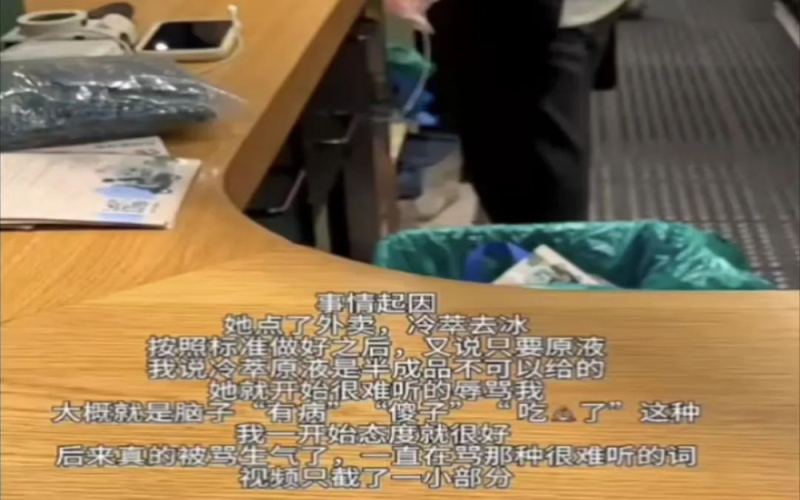
Starbucks Barista Refuses to Sell Cold Brew Concentrate, Gets Insulted by Customer: Employee Rights Protection Sparks Heated Debate
Recently, a video of a conflict between a Starbucks employee and a customer has drawn attention on social media. In the video, the employee, who refused to sell cold brew concentrate—a semi-finished ingredient—on its own, was fiercely insulted by the customer and nearly came under physical attack. After the incident came to light, netizens expressed sympathy for the employee and discussed topics such as how the brand handles customer complaints and how employee rights are protected. Many current employees also shared similar experiences, pointing out that the company often smooths things over by issuing coupons, which may encourage malicious complaints and leave frontline staff disheartened. [more…]
Standard Espresso Extraction Time | What's the Difference Between Americano and Espresso? What Factors Affect the Flavor of Espresso?
Espresso Extraction Standard Time - The Difference Between Americano and Espresso. Front Street Coffee has noticed that many friends have fallen in love with espresso topped with golden crema and hope to make it at home. Compared with pour-over, espresso is made using steam pressure, with scalding hot water passing through the coffee grounds to brew a small [more…]
Panama Casa Ruiz Estate Geisha Coffee Beans: Flavor and Heritage of a Century-Old Cooperative in the Boquete Region
The Casa Ruiz cooperative in the Boquete production region of Panama has been passed down through three generations since its founding in 1979, bringing together more than three hundred family farms, and is a frequent winner in the Best of Panama auction. It owns estates such as Berlina, Maunier, and Panamaria, and is renowned for environmentally friendly shade-grown cultivation and rigorous green bean processing. This article will guide you through the history of Casa Ruiz, the characteristics of its estates, its award records, and the flavor performance of varieties such as Geisha, while also recommending related products from Front Street Coffee, providing coffee enthusiasts with a complete reference on the production region and purchasing. [more…]
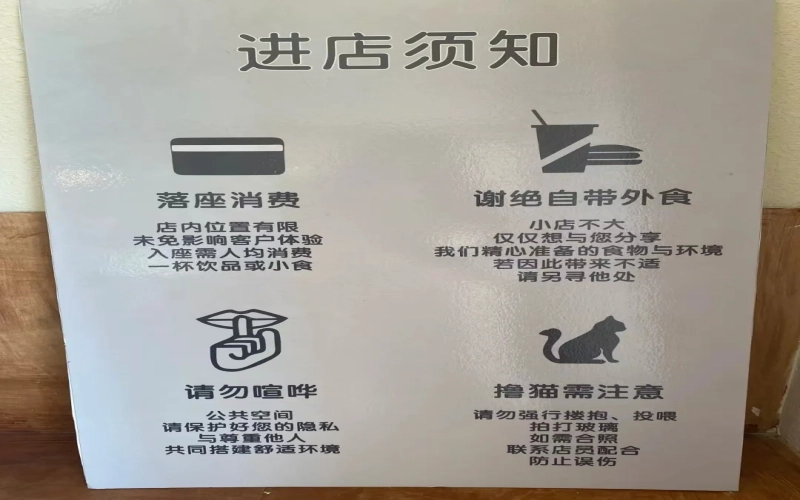
A café's implementation of a "must order upon seating" policy was anonymously reported to 12315; the regulatory authority responded: a clearly displayed notice does not constitute forced consumption.
In chain brands and independent cafés alike, the phenomenon of customers occupying seats without ordering has long plagued operators. Recently, a café owner faced negative reviews and was then anonymously reported to 12315 for setting a rule requiring a purchase to be seated, sparking widespread attention. Regulatory authorities made it clear that if there is a clear notice in the store, it does not constitute forced consumption. This article reviews the course of events, combines lawyers' views with the current state of the industry, explores the legal boundaries of consumption-based seating and the survival difficulties of independent cafés, and also provides reference and lessons for others in the industry. [more…]
Guming's 520 livestream coupon giveaway was hit by forced refunds, a system glitch forced the campaign to be halted, marking the third PR crisis within 2022.
520 was a great opportunity for merchants to promote sales through livestreams, yet Good Tea's Douyin livestream room sparked widespread consumer dissatisfaction after orders were automatically refunded by the system following a rush to grab coupons, and the topic quickly trended on Weibo. Although the company issued an apology and promised compensation, many netizens still said they were not buying it. The next day's livestream had to be postponed, and the system recovered slowly. Notably, this was already Good Tea's third brand trust crisis in 2022, after earlier exposures and penalties over food safety and tax evasion. Consumers are still waiting for a satisfactory answer on how the incident will develop further. [more…]
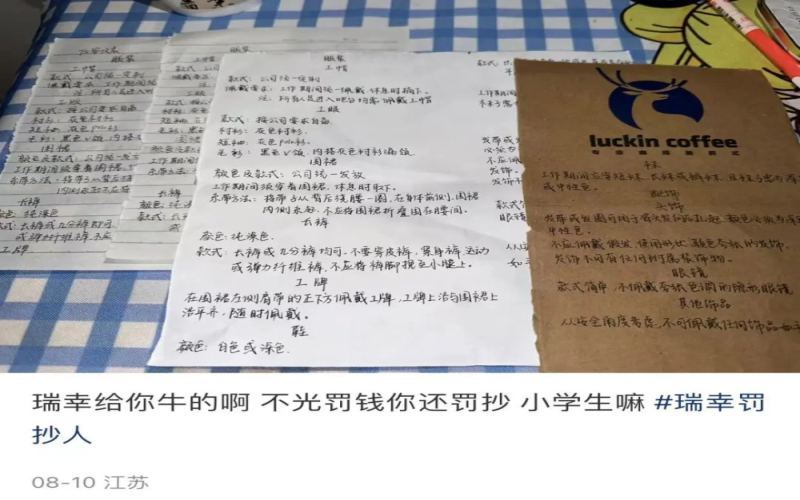
Luckin store fines and forced copying persist despite repeated bans, franchise employees complain: a 3,000 yuan monthly salary deducted 1,000 and still forced to copy five times
Luckin Coffee's store management issues have once again drawn attention. Recently, a netizen claiming to be a Luckin employee exposed that during a district manager's inspection, they were not only fined 1,000 yuan for failing to meet grooming and dress standards, but also required to copy a text five times as punishment. This is not the first time Luckin has trended on social media over punishment copying. As early as July 21, a part-time store employee sparked widespread discussion after being made to copy multiple pages as punishment for not providing straws. Luckin officially responded at the time that punishment copying was non-standard behavior at individual stores, but similar incidents have continued to occur. Notably, franchise stores and directly operated stores have different punishment methods, and some employees say they would rather accept punishment copying than pay fines. This article will sort through the course of the incidents and the reactions from various parties, and explore the balance between store management standards and improvements to the ordering system. [more…]
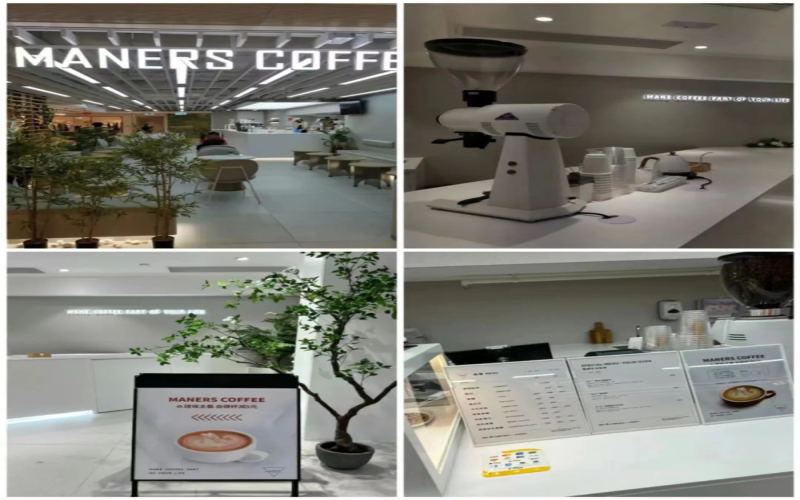
Hong Kong Manner stores were forced to change their name to Maners, but netizens mistook it for a knockoff brand
Recently, a Hong Kong netizen spotted a coffee shop called "Maners" in a large local supermarket. Its logo, decor, and product posters closely resemble those of mainland Manner, and it even offers a 5-yuan discount for bringing your own cup, sparking suspicions of a knockoff. However, the truth is surprising—this store is actually Manner's legitimate outlet in Hong Kong. Because the "Manner" trademark has already been registered by another Hong Kong company, Manner was forced to adjust its name and launch as "Maners." The trademark application was rejected and failed on review. Although it can currently continue to be used, it is not legally protected and carries future infringement risks. This renaming saga not only led fans to mistakenly attack the real brand but also sounded a warning about trademark layout when brands go overseas. [more…]

Under Luckin Coffee's store review assessment pressure, employees are forced to solicit reviews from customers, sparking controversy.
Recently, many Luckin Coffee customers have encountered an unexpected situation when picking up their orders in-store: normally quiet staff members are proactively speaking up, asking customers to leave a positive review. Behind this phenomenon is Luckin's internal "Countless Smiles" competition targeting store positive review rates. In some regions, stores have been forced by management to participate, and positive review rate rankings directly affect employee performance evaluations and disciplinary rewards and punishments, forcing frontline employees to solicit positive reviews from customers picking up orders, and even asking regular customers to help boost reviews. However, the frequent solicitation of positive reviews has also triggered consumer resentment, with some customers bluntly saying it is "annoyingly unbearable," and even considering filing complaints with 12315. Employees are equally full of complaints, believing that this mandatory requirement puts them in a difficult position. This article will provide an in-depth analysis of the conflict between stores and customers caused by this positive review assessment. [more…]
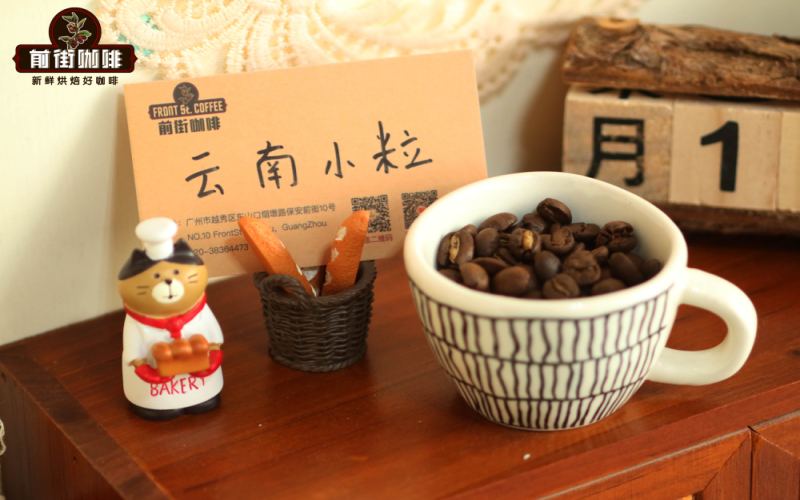
Pour-Over Specialty Coffee Bean Recommendations | Which Coffee Beans Are Suitable for Pour-Over Beginners? Ethiopia Yirgacheffe, Colombia Huila, Brazil Red Bourbon — Which Makes the Best Pour-Over Black Coffee?
For more specialty coffee knowledge, please follow our WeChat official account: Front Street Coffee (FrontStreet Coffee). As more and more people in China have developed the habit of drinking coffee, many friends have also begun to actively learn about coffee brewing, wanting to make a cup of coffee themselves. This article [more…]
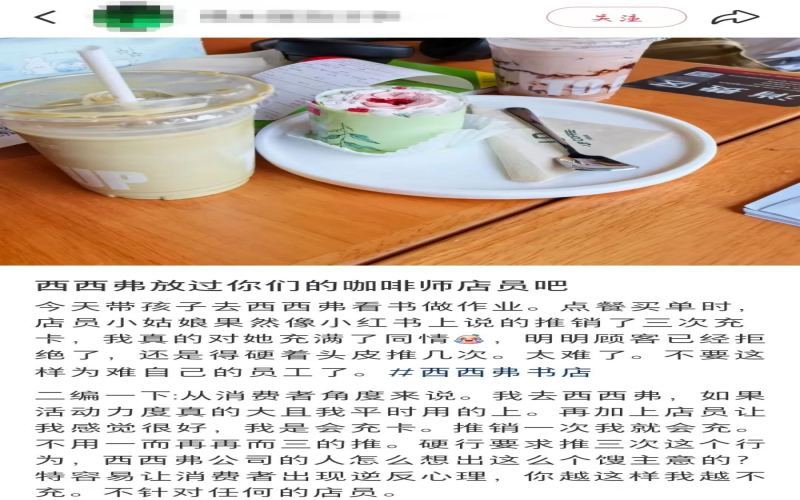
Sisyphe Bookstore baristas forced to repeatedly push top-up cards, leaving both customers and employees complaining
Recently, a post about Sisyphe Books' café forcing employees to push recharge cards sparked heated discussion on social media. The customer who posted said they were pressured three times to top up a card while consuming in the store, which greatly diminished the experience. However, after learning that the staff were forced by company pressure to repeatedly push the sales, this regular customer shifted to sympathizing with the workers, saying the brand should not make things so hard for its employees. Many Sisyphe staff also无奈ly said that if they did not push the sales as required, they would be reported with surveillance screenshots or even forced to work overtime meetings. This conflict caused by sales pressure is trapping both customers and employees in a dilemma. [more…]

A Beginner's Guide to Choosing Beans for Pour-Over Coffee: Flavor Profiles and Brewing Tips for Seven Classic Single-Origin Everyday Beans from Front Street Coffee
More and more people are beginning to try their hand at pour-over coffee at home, but faced with a dazzling array of coffee beans, beginners often don't know where to start. Drawing on Front Street's brewing experience, this article first introduces the basic principles of pour-over coffee and the equipment needed, then recommends seven everyday beans from classic origins one by one—Ethiopian Yirgacheffe, Guatemalan Huehuetenango, Colombian Huila, Brazilian Cerrado, Costa Rican Tarrazú, Indonesian Lintong Mandheling, and Chinese Yunnan Baoshan. Each bean comes with its origin terroir, processing method, roast level, and flavor description, helping beginners find the cup that suits them. [more…]
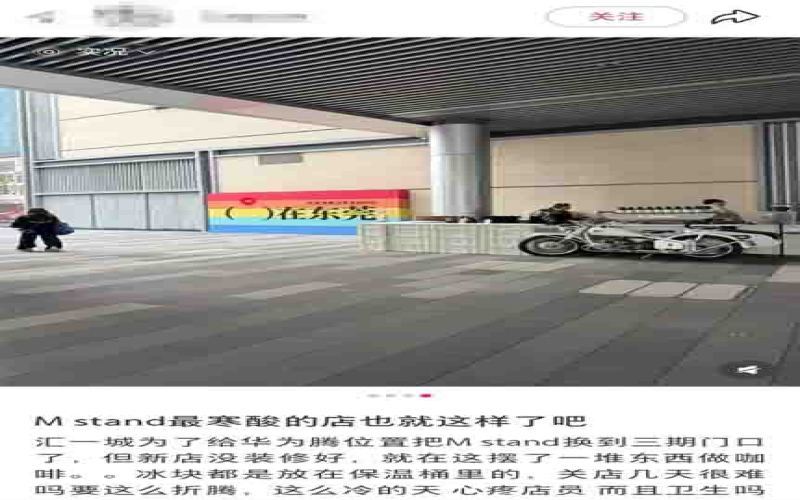
Mstand's Dongguan store forced to set up an outdoor stall; staff braving the cold wind at a makeshift bar counter sparks heated discussion
Recently, an Mstand store in Dongguan, Guangdong, was forced to operate as a temporary stall in an outdoor walkway due to adjustments in the mall's business layout, drawing widespread attention online. This "shabbiest" Mstand, with no glass curtain wall around it, unexpectedly took on a unique camping-style vibe. Some found it cool and atmospheric, while others felt sorry for the staff working long hours in the 12°C cold wind. The incident reflects the impact of commercial adjustments on store operations and also draws attention to the real situation of coffee workers. Front Street Coffee has always followed developments in the coffee industry and brings you frontline observations. [more…]
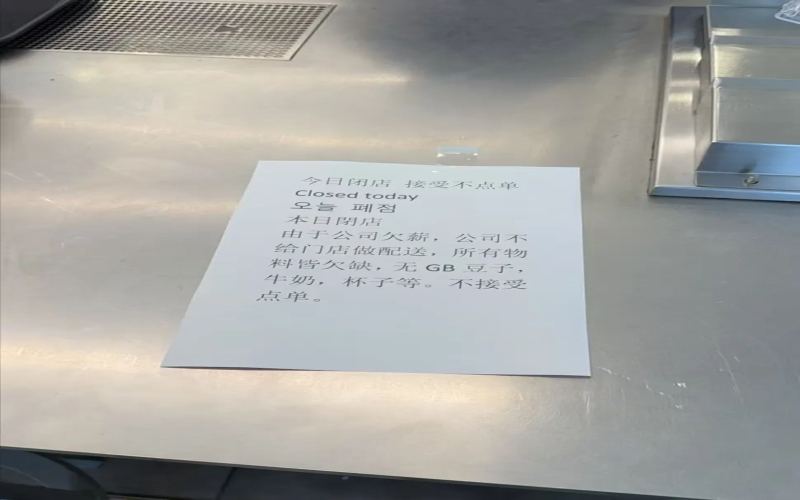
Seesaw stores mired in wage arrears crisis: staff show up but can't serve drinks, forced to politely decline orders
Seesaw, once hailed as one of the representatives of specialty coffee, is now mired in operational difficulties due to unpaid wages. Although employees at its Shanghai IFC store report to work on time, the company's wage arrears and cut-off of supplies have made it impossible to prepare drinks, forcing them to post a notice in Chinese, English, Korean, and Japanese to politely decline customer orders. From unpaid supplier payments to labor arbitration by former employees, from the founder being repeatedly subject to consumption restrictions to more than sixty economic disputes, this former coffee star brand is experiencing an unprecedented crisis. Many loyal customers have expressed regret and lament, while others have called on the brand to handle employee rights and interests with dignity. [more…]

Luckin Coffee Store Cash Payment Predicament: Employees Forced to Collect Payment and Place Orders on Customers' Behalf, Lack of Cashier Equipment Causes Multiple Troubles
Recently, a post about Luckin Coffee employees being forced to accept cash sparked heated discussion on social media. Because Luckin stores are not equipped with cash register systems or equipment, employees can only accept cash from customers first, then use their own phones to scan codes and place orders on their behalf. This practice not only leaves employees with large amounts of loose change that are difficult to handle, but also brings a series of problems such as difficulty making change, the risk of accidentally accepting counterfeit bills, and customers being unable to enjoy online discounts. Especially when stores are overwhelmed with orders and short-staffed, cash orders become an even heavier burden for employees. Although mobile payment has become mainstream, some consumers still rely on cash, and whether brands should improve their cash register facilities has become a focal point of concern for both employees and customers. [more…]
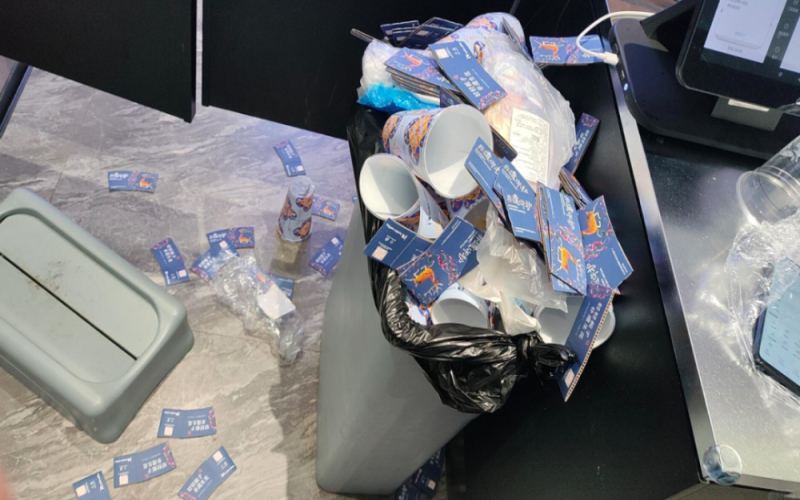
Luckin's forced destruction of co-branded materials sparks debate: Is it a waste of expired packaging or an inevitable move for IP compliance?
Recently, a Luckin Coffee employee posted footage on social media showing a store destroying co-branded packaging overnight, with trash bins full of unopened cup sleeves and takeaway cups, quickly sparking discussions among netizens about waste and environmental protection. According to the employee, on the eve of the end of each co-branding campaign, stores must cut and destroy remaining materials under surveillance, including previously co-branded Chengdu Cultural Tourism small panda keychains. Some netizens compared this with Cotti Coffee's approach, arguing that continuing to use expired packaging materials both reduces waste and gives customers surprises; others with knowledge of the matter pointed out that the destruction may be forced by the licensing period granted by the co-branding partner, and using them beyond the period could lead to breach-of-contract compensation. Behind this controversy lies the dilemma of materials management and intellectual property compliance amid the co-branding boom. [more…]
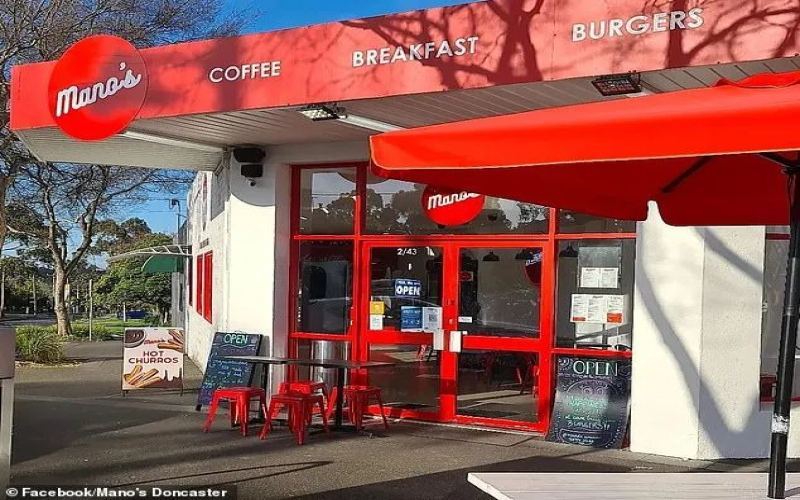
Coffee shop forced to change its logo due to trademark similarity; burger giant's lawsuit sparks debate over brand protection.
In today's increasingly fierce competition in the coffee industry, it is not easy for independent shops to establish a foothold with a unique trademark. Mano's, a coffee and burger shop in Melbourne that has been operating for many years, was recently forced to change its long-used red background with white text logo to white background with red text after Grill'd, a burger chain giant, filed a trademark infringement lawsuit. The owner, Mano, was shocked by this action, believing that the two trademarks and store styles were clearly different and did not constitute infringement. However, facing pressure from Grill'd's professional legal team, Mano was unable to respond to the lawsuit and could only compromise. Grill'd insisted that this move was to protect its own brand from being exploited. This trademark dispute between a giant and a small shop has triggered widespread discussion about the boundaries of brand protection and fair competition. [more…]
Kenya's New Coffee Policy Shakes the Industry: Global Green Bean Giant NKG Forced to Close Plants and Withdraw
Neumann Kaffee Gruppe (NKG), the number one player in the global green coffee trade, recently announced the termination of its factory operations in Kenya, directly due to its failure to obtain an operating license from the government. This incident occurred after Kenya implemented the 2019 Coffee Regulations and the 2020 Capital Markets (Coffee Exchange) Regulations, both aimed at enhancing transparency in coffee trading, introducing digital management, and reshaping the regulatory framework. However, delays in license issuance during the implementation of these reforms have already led several companies into operational difficulties—local producer Eaagads saw its sales revenue plummet by 99% within half a year, with a net loss of 33.1 million shillings. Industry insiders worry that if the licensing issues continue to escalate, more traders will choose to exit because they cannot conduct business normally. [more…]

Chongqing Man Coffee outlet demolished by mall in late-night forced eviction; ten-year lease only five years in, sparking controversy
Recently, the Maan Coffee branch at Chongqing Fuyuehui was reportedly forcibly demolished by the mall owner late at night. The store's equipment and furnishings vanished overnight, the interior was smashed, the entrance was barricaded, and advertising posters for the next tenant were already put up. The shop owner claims to have signed a ten-year lease with the mall, currently only in its fifth year, and has always paid rent and utilities on time, never defaulting even during the pandemic. After the incident, the owner called the police and posted a notice promising to refund customers' prepaid balances. However, some netizens expressed doubts about the poster's account due to last year's Maan Coffee runaway incident in Beijing. The operator clarified that the store had switched to independent operation and had nothing to do with the brand. Furthermore, a former tenant came forward alleging that the mall had repeatedly forcibly evicted tenants before their leases expired. The incident continues to escalate, and the mall has not yet responded. [more…]

Beginner's Pour-Over Coffee Guide: How to Choose Black Coffee Beans, Seven Classic Single-Origin Everyday Beans from Front Street Coffee
More and more people are starting to try their hand at pour-over coffee at home, but faced with a dazzling array of coffee beans, they often don't know where to begin. Starting from the basic principles of pour-over coffee, this article sorts out the core points for beginners when choosing beans, including key factors such as the roast date, the optimal flavor window, and equipment pairing. At the same time, Front Street Coffee has selected seven everyday beans that combine good value with regional representativeness—Ethiopia Yirgacheffe, Guatemala Huehuetenango, Colombia Huila, Brazil Cerrado, Costa Rica Tarrazú, Indonesia Lintong Mandheling, and Yunnan Baoshan—analyzing one by one the flavor characteristics of each region and the differences in processing methods, to help beginners find the cup of black coffee that suits them. [more…]