







More and more people are beginning to try their hand at pour-over coffee at home, but faced with a dazzling array of coffee beans, beginners often don't know where to start. Based on Front Street's brewing experience, this article first introduces the basic principles of pour-over coffee and the equipment needed, then recommends seven everyday beans from classic origins one by one—Ethiopia Yirgacheffe, Guatemala Huehuetenango, Colombia Huila, Brazil Cerrado, Costa Rica Tarrazú, Indonesia Lintong Mandheling, and China Yunnan Baoshan. Each bean comes with its terroir, processing method, roast level, and flavor description to help beginners find the cup that suits them.
For more specialty coffee knowledge, please follow our WeChat official account: Front Street Coffee (FrontStreet Coffee)
As more and more people in China have developed the habit of drinking coffee, quite a few friends have also begun to actively learn about coffee brewing, wanting to brew a cup themselves. In this article, Front Street focuses on pour-over extraction and discusses which coffee beans are suitable for beginners.
What is pour-over coffee?
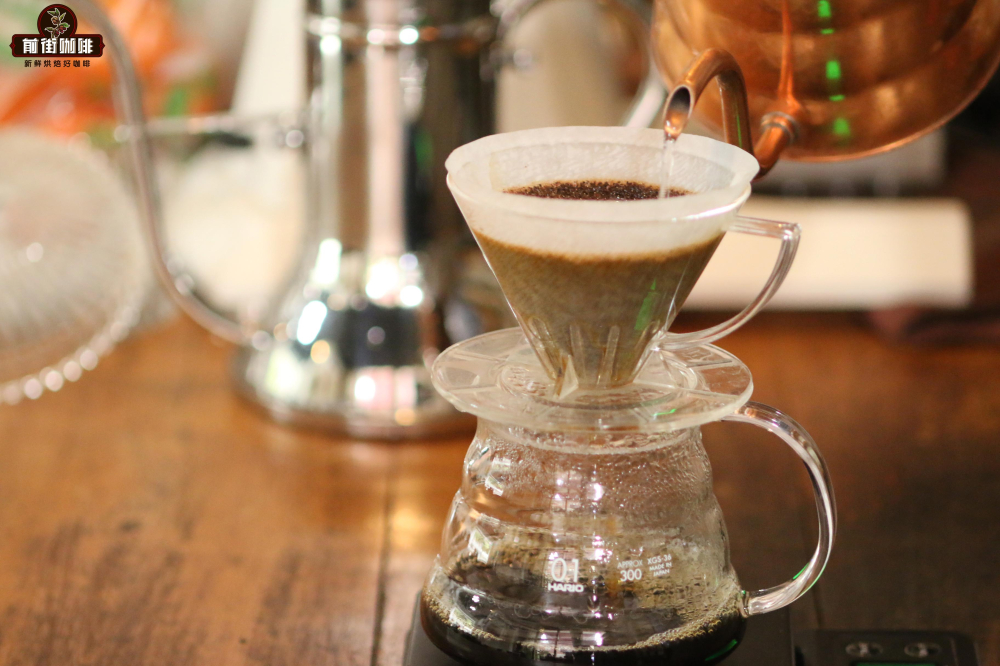
The roasted coffee beans we usually buy undergo a series of chemical reactions during high-temperature roasting, generating various aromatic substances. Brewing coffee is about using water and equipment to release these aromatic components. Pour-over coffee first grinds the coffee beans into powder, then pours hot water to contact the coffee bed, "dissolving" out the substances in the coffee. Essentially, it uses a dripper with filter paper or other tools to filter out the coffee grounds so they don't enter the carafe, yielding a cup of clear black coffee.
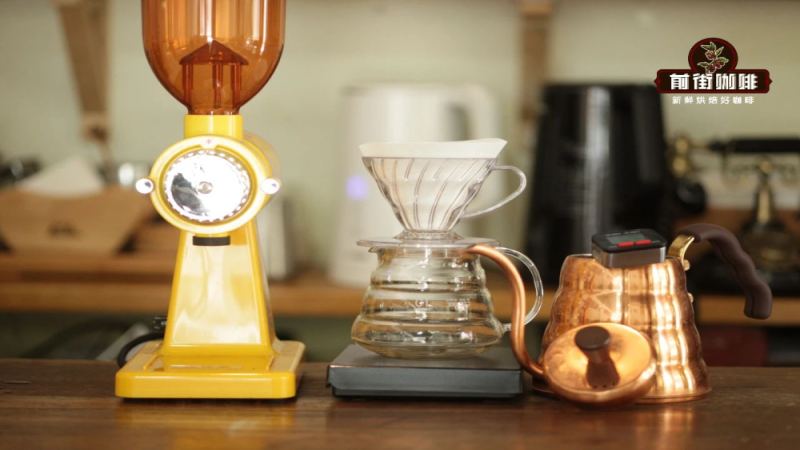
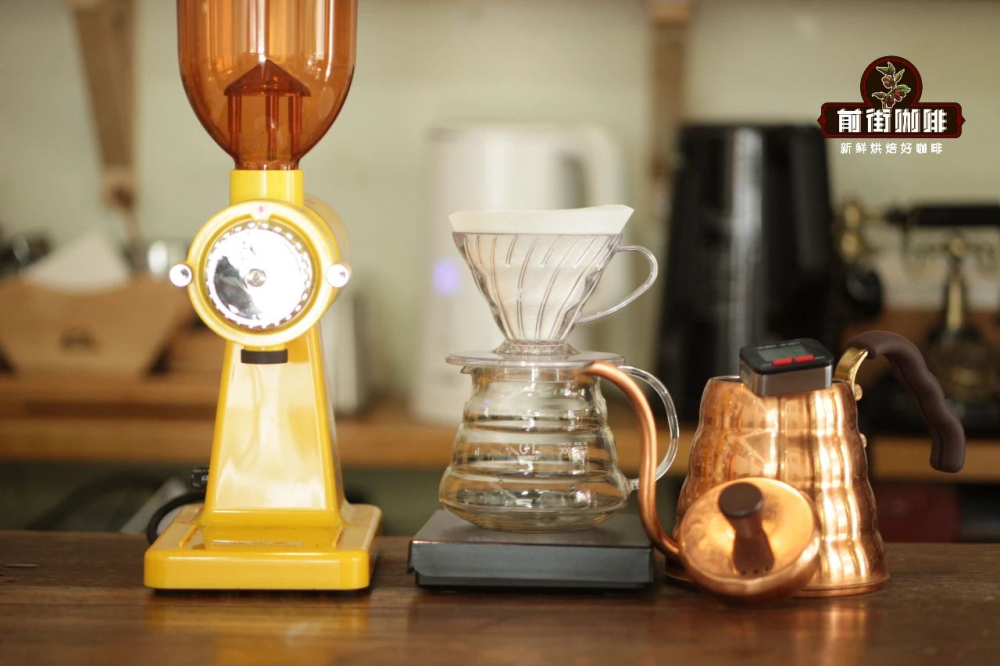
You should know that from bean selection to extraction, every step and detail has more or less influence on the flavor of pour-over coffee. So to brew a cup of pour-over coffee, based on Front Street's brewing experience, besides quality coffee beans, Front Street believes you need at minimum these pieces of equipment: a gooseneck kettle for pouring water, a dripper and filter paper for filtering coffee grounds, a server, a grinder for grinding coffee beans, a digital scale for recording water volume and time, and a thermometer for measuring water temperature.
Good coffee naturally depends on good raw materials—quality coffee beans. Front Street suggests choosing coffee beans within 4-30 days after the roast date, in their optimal flavor window, which is more conducive to stable extraction and gives pour-over coffee a fuller flavor. To ensure freshness, the coffee beans Front Street ships are freshly roasted within 5 days, and usually arrive in 1-3 days, so by the time you receive them they're roughly within the optimal flavor window and you can start delving into how to extract them.
Specialty pour-over coffee bean recommendations
If you're a newcomer to pour-over coffee, worried about ruining and wasting expensive, scarce beans, Front Street suggests starting with cost-effective Front Street everyday beans. Front Street has selected 7 excellent classic coffee origins, covering multiple highly representative origins, varieties, and natural processing methods. So-called everyday beans, as the name suggests, are varieties that are burden-free to drink daily, with friendly prices and flavors. Front Street has picked several "flagship representatives" so you can recognize the basic flavors of each major origin.
Ethiopia Front Street Washed Yirgacheffe Coffee Beans
The so-called Yirgacheffe flavor is elegant citrus, lemon, berries and intense floral notes, with a clear tea-like quality that's unforgettable. To express such a delicate flavor and mouthfeel, the coffee's quality growing environment, variety, processing method, as well as roasting and brewing are all indispensable.
Located on the African continent, Ethiopia has underdeveloped water resources, so traditionally it used the ancient natural (sun-dried) method to process green beans, meaning drying directly in the sun. Because the technique was too rough, coffee quality was generally low. It wasn't until 1972 that Ethiopia, in order to improve coffee bean quality, introduced washed processing technology and equipment from Central and South America. Unlike other origins, Yirgacheffe is a wetland, more suited to washed processing. The multiple steps of washing remove defective beans, greatly reducing the defect rate, showing higher cleanliness, and making its own aroma clearer and more transparent.
This measure also multiplied the citrus-lemon acidity and white floral notes of Front Street Yirgacheffe coffee beans, and made the mouthfeel fresher and brighter. Front Street's Front Street Yirgacheffe everyday beans use a medium-light roast, preserving more fruit acidity so its classic Yirgacheffe flavor profile suits pour-over, cold brew, French press and other brewing methods.
Guatemala Front Street Washed Huehuetenango Coffee Beans
The Huehuetenango highlands are located in Guatemala's driest, highest-altitude western non-volcanic region. Because it lies at the edge of active tectonic plate boundaries, the ever-changing terroir of its highland basins gives the coffee rich and varied flavors. Like the Antigua region, it also has abundant volcanic soil, with altitudes reaching up to 2000m, but because dry hot winds from Mexico blow in from the northwest, coffee trees can grow on the slight plateau at 2000 meters.
We all know every country has its own coffee grading standards. Guatemalan green beans are mainly graded by altitude—the higher the altitude, the higher the density of the coffee beans, and the higher the grade of the green beans. The vast majority of coffee from the Huehuetenango region belongs to SHB (Strictly Hard Bean), Guatemala's highest green bean grade.
This Front Street Huehuetenango coffee bean uses washed processing, presenting the cleaner character of Guatemalan coffee. Because it has rich, intense fruit aromas, a medium-light roast is used, so after grinding we can smell the sweet aroma of citrus and nuts.
Colombia Front Street Washed Huila Coffee Beans
The Huila region rose to fame after entering the 21st century, frequently appearing on the award lists of various green bean competitions, and in 2013 it obtained official origin certification. The name Huila comes from Huila Province, located in southwestern Colombia on the flank of the Andes, near Huila Volcano. Volcanic ash from eruptions adds fresh nutrients to the soil, especially benefiting coffee tree growth. Compared with other regions, Huila has year-round rain and suitable temperatures; such growing conditions allow coffee trees to be planted even above 2,000 meters, and high-altitude coffee has bright acidity and chocolate notes.
Huila coffee is mainly produced by smallholders, with local farms usually under 1.5 hectares. Farmers plant shade trees to provide a better growing environment and quality assurance for the coffee. When coffee cherries ripen, Colombians pick the ripest, fullest cherries and process them at their freshest stage, ensuring freshness at every step. The washed Front Street Huila everyday beans have soft acidity as well as appropriate body and sweet aftertaste. Front Street wanted to present the classic Colombian nutty profile while retaining some acidity, so chose a medium-dark roast.
Brazil Front Street Semi-Washed Cerrado
Brazil's coffee farms don't have the high altitudes of Africa or other South American coffee origins; the local land is mostly flat at just a few hundred meters. Brazilian growers pursuing mass production mainly use large-scale sun-exposed planting. As a result, Brazilian coffee cherries ripen quickly, and the flavor lacks the rich fruit acidity of high-altitude coffee, tending instead toward sweet, mellow, and balanced. It's precisely this plain character of Brazilian coffee that makes it used in espresso blends, both bringing out the coffee's roasted aroma and making the extracted flavor profile more stable.
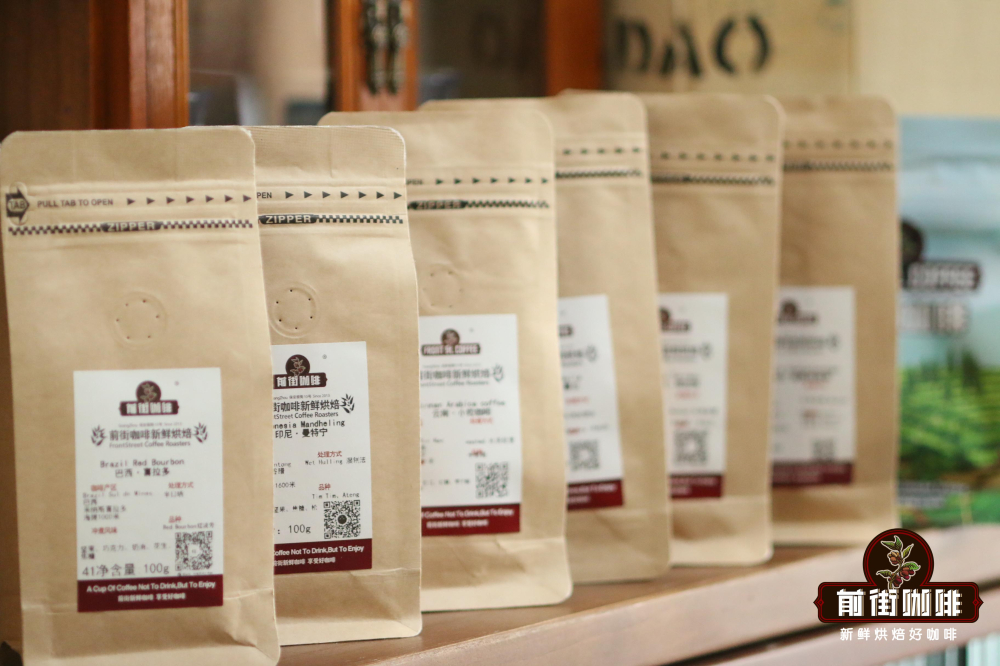
The Cerrado region, located in the northwest of Minas Gerais state, has a long coffee history and mature cultivation and production experience; many companies have successively established medium-to-large coffee plantations there. At 800-1300 meters altitude, with four distinct seasons (humid summers and dry winters), the soil here is rich in minerals, and the coffee produced has nutty, creamy smoothness, a balanced mouthfeel, and a very classic Brazilian flavor. So Front Street also added the Front Street semi-washed Red Bourbon coffee from the Cerrado region to its everyday bean lineup.
Costa Rica Front Street Washed Tarrazú
Costa Rica is located in Central and South America, connected to Panama, the birthplace of Geisha's fame. Influenced by both Pacific and Atlantic ocean currents and monsoons, it forms an excellent microclimate; combined with various topographical features, it becomes a perfect region for coffee to thrive. Although in terms of coffee production Costa Rica doesn't rank high, multiple volcanoes within the country bring very fertile mineral-rich soil and excellent drainage, so crops grown here get abundant rain and nutrients, and the cherries produced are naturally higher quality.
Tarrazú is located south of the capital San José and is one of the region's most valued coffee-growing areas. Tarrazú has high-altitude growing conditions of 1200-1700 meters; the cool climate and nutrient-rich volcanic ash soil give the coffee diverse acidity and a rounded body. Coupled with the development of specialty coffee, everyone keeps innovating and improving processing techniques, so Front Street Tarrazú coffee has accumulated a lot of good reputation in the coffee community.
Front Street Costa Rica everyday beans blend two common varieties, Caturra and Catuai, using natural washed processing. Caturra's flavor is mainly fruity, with berry-like acidity. Catuai's flavor is more one-dimensional than Caturra, mainly nutty, without Caturra's rich layers. The blend of the two varieties makes Front Street Tarrazú coffee more balanced and gentle.
Indonesia Front Street Wet-Hulled Lintong Mandheling
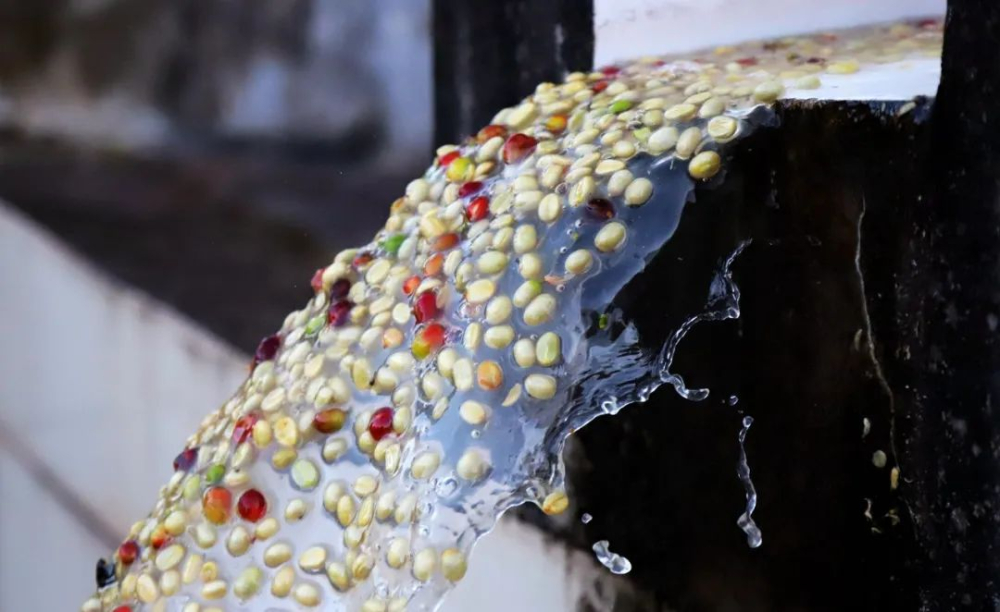
Indonesia's local high-temperature, high-humidity environment forced locals to innovate a "new" processing method suited to the area—wet-hulling. The steps before wet-hulling are the same as washed processing: Indonesians first remove the pulp from the coffee cherries, then ferment in water for 3 hours. After washing off the mucilage, the parchment-covered green beans are dried briefly for 2-3 days; when the moisture content is 20-24% and the beans are half-soft, half-hard, the parchment is hulled off, then drying continues until the moisture content is 13%, at which point they can be bagged.
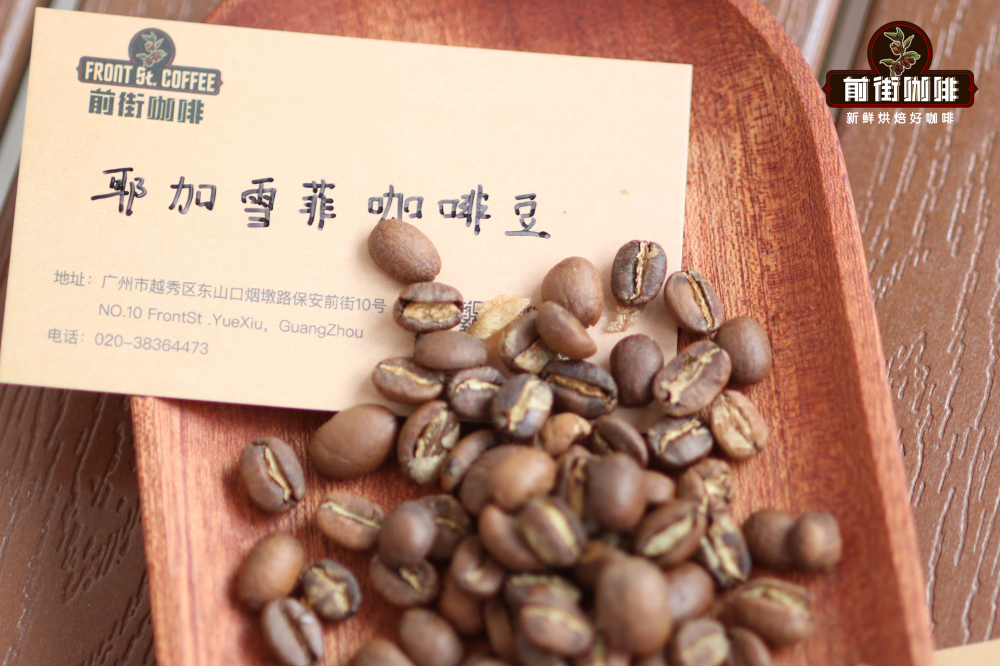
Because the hulling machine uses greater friction to tear open the parchment layer clinging tightly to the green beans, at this stage white or green viscous liquid usually flows out. Due to long soaking in mucilage and the humid environment, the green beans eventually become soft, pale and swollen, forming a gray-green color. Through the friction and agitation, the green beans are also more easily crushed or bruised, especially at both ends, forming small notches that create "goat-foot" beans. The "naked beans" stripped of parchment dry very quickly and are also directly exposed to the humid environment, breeding various microorganisms. This gives Indonesian coffee its unique woody, spicy, herbal notes—what we call "Mandheling flavor."
China Yunnan Front Street Washed Baoshan
In recent years, through many people's efforts, the quality of Yunnan coffee has continuously improved and gained much recognition; there are quite a few Yunnan coffee fans in China. For friends who haven't tried Yunnan coffee, you must be curious about how it tastes. Front Street Yunnan everyday beans come from the Baoshan region, which has a relatively long coffee-growing history.
Baoshan's warm, frost-free climate year-round is very suitable for growing Arabica coffee. Especially in the Lujiangba area, the unique dry-hot valley climate has little annual temperature variation but a large day-night temperature difference, creating the unique sweet aftertaste of Baoshan Arabica. Combined with reasonably low rainfall, this brings great advantages for coffee cherry production. Baoshan's biggest climate feature is relatively low rainfall and higher altitude, so the coffee beans have less pulp but higher sweetness. So Front Street acquired Front Street Baoshan Arabica as the flagship representative of Yunnan coffee, letting everyone taste domestic coffee.
Some merchants use novel flavor-enhancing processing methods to mask the defective flavors of Yunnan beans, add large amounts of aroma, and raise prices. Front Street feels this neither truly preserves the flavor of Yunnan coffee nor avoids misleading consumers. In fact, most Yunnan coffee, due to limited conditions, can only use natural processing methods—namely washed and sun-dried. Here Front Street ultimately chose washed processing, using a medium roast to highlight the chocolate and nutty roasted aroma of Front Street Yunnan Arabica while retaining some acidity, presenting nutty, herbal, brown sugar notes, melon-like sweetness, and plum acidity, with a balanced mouthfeel.
The above content is compiled by CoffeeHunters, a coffee news website.


