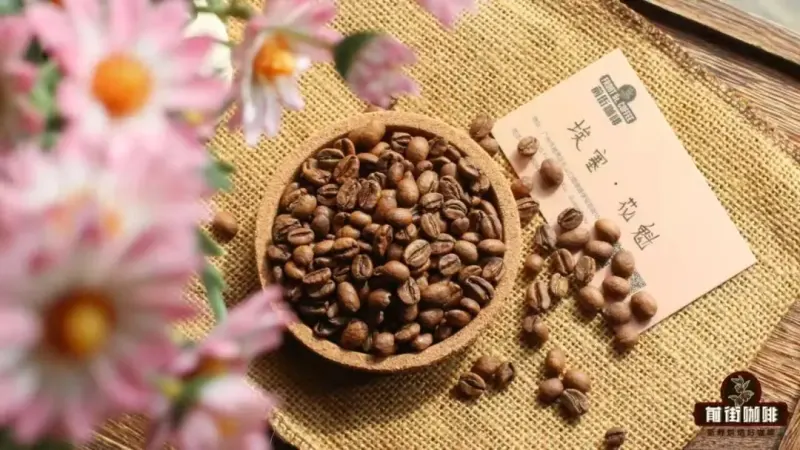
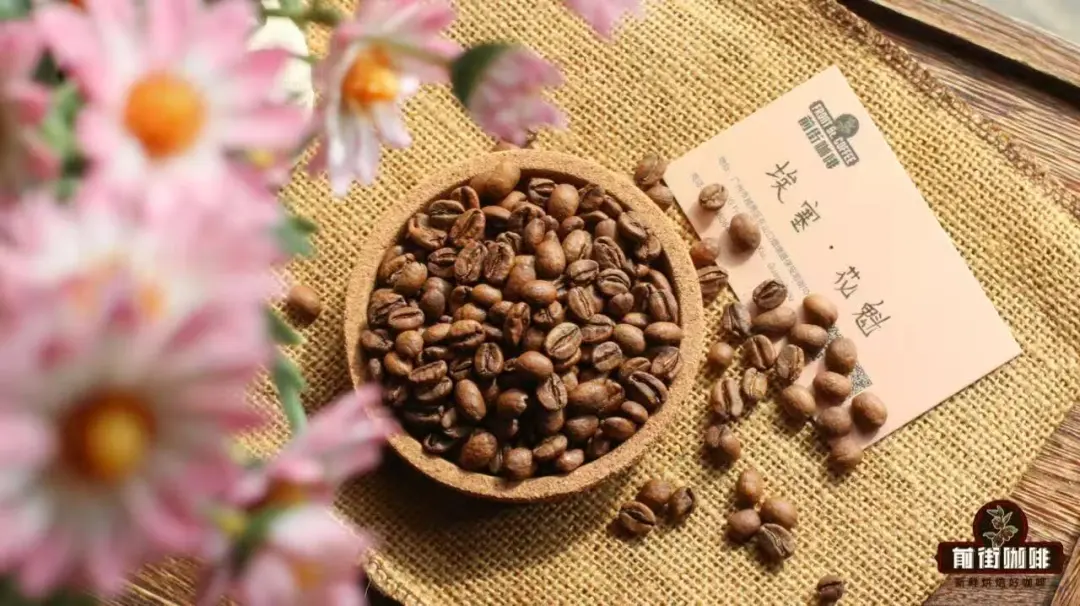
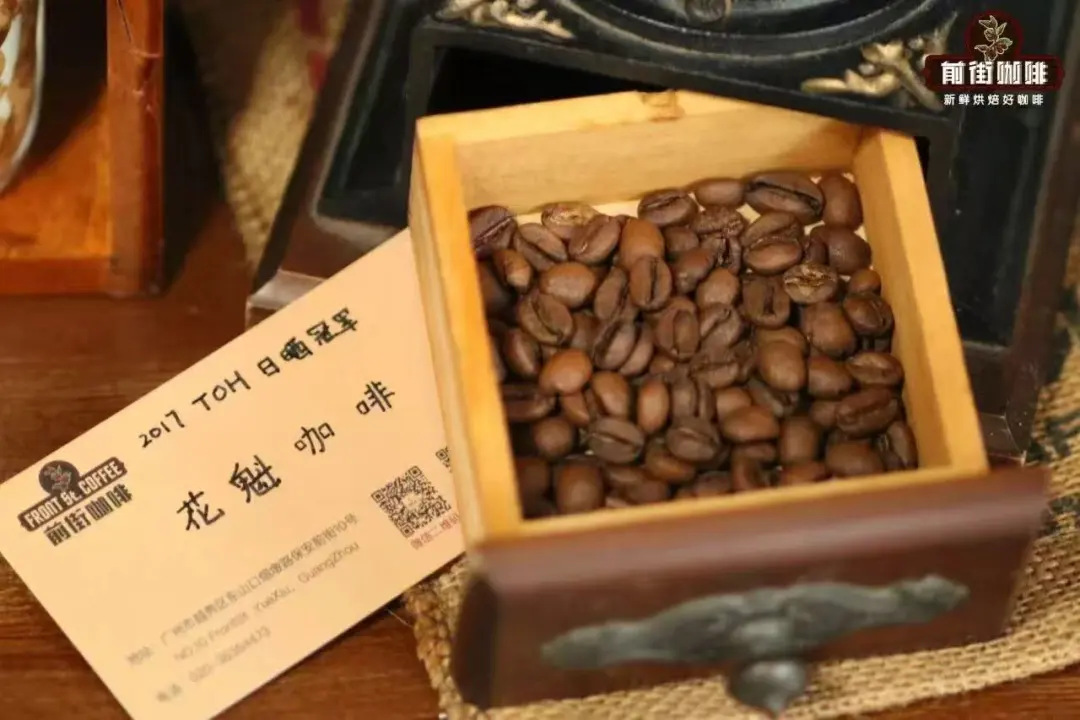
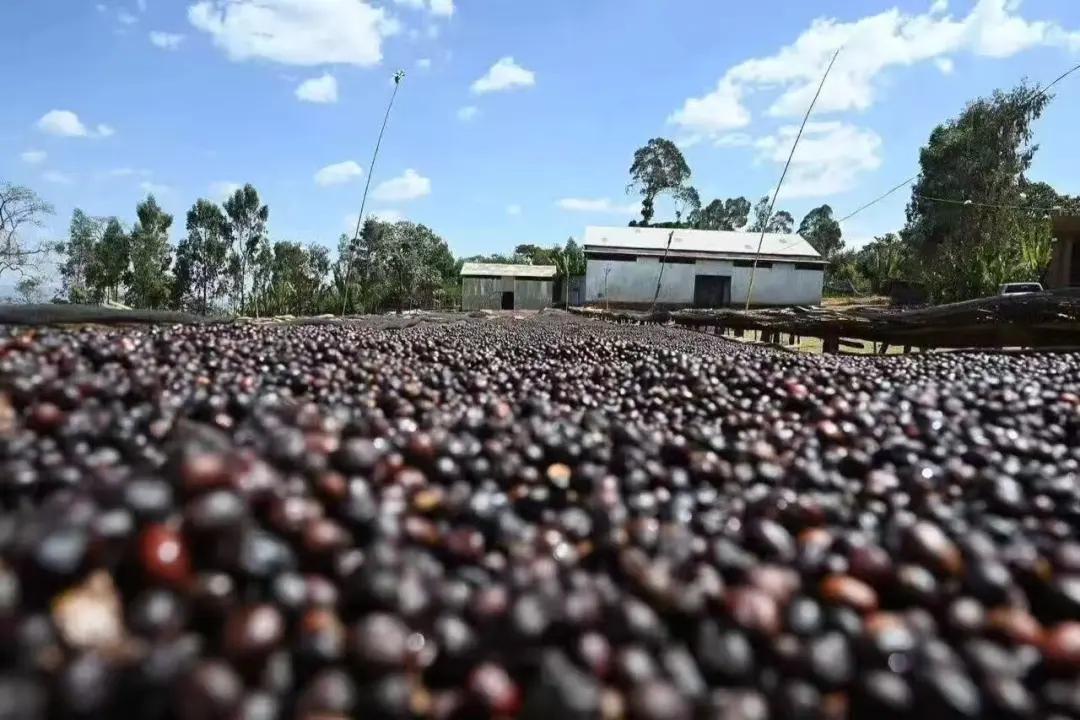
If a customer is looking for the most cost-effective coffee beans, then Huakui is definitely one of Front Street's top recommendations. But whenever Front Street mentions Huakui, some customers will say: "Oh, I know Huakui—it's a variant of Geisha / a variety of Geisha!"As you can see, even today there are still many friends who hold incorrect views about Huakui beans, believing that "Huakui is Geisha." But in reality, Huakui and Geisha are two completely different concepts. Huakui is Huakui, Geisha is Geisha! If we had to name something they share, it would be that "both originated in Ethiopia."So why do so many friends develop this misunderstanding? And what exactly are the differences between Huakui and Geisha? Today Front Street will share once again just what sets the two apart!What is the difference between Huakui and Geisha?Many friends' misunderstanding about Huakui and Geisha comes mainly from a misreading of the names! "Geisha" refers to acoffee variety—it is a variety name. A so-called variety refers to a biological population with stable hereditary traits and a common phenotype. For example, when we talk about Geisha(Panama T2722), the first thing we think of is coffee beans that are pointed at both ends and elongated, and this variety carries intense floral aromatics and fruity notes."Huakui," on the other hand, is acommodityname—it does not refer to a particular variety, but rather to coffee beans produced in Hambela, Guji, Ethiopia. More precisely, it should refer to that batch of award-winning natural-process coffee beans produced in 2017 by the Buku Abel processing station in Hambela, Ethiopia.In February 2017, Ethiopia's DW Coffee Company submitted a natural-process coffee bean to the TOH(Ethiopia's green bean competition), and this coffee came from the Buku Abel processing station in the Hambela sub-region of Guji. Ultimately, with its extremely intense strawberry aroma and creamy texture, it won the championship in that year's natural-process category.The rest of the story, Front Street believes everyone is already familiar with: this batch of championship-winning coffee was spotted and purchased by a green bean trader in Beijing. And based on its champion status, the green bean company named it "Huakui," meaning "chief of a hundred flowers, outshining all others," and then began selling it in the domestic market.Soon after, this "Huakui" was brought to the competition stage by a coffee brewing contestant as their competition bean, and defeated many contestants using Geisha on site, becoming the runner-up in that year's competition. This is what made Huakui famous!With its outstanding flavor that could beat Geisha and its extremely affordable price, Huakui quickly became a high-quality Ethiopian coffee widely recognized by industry insiders. Since then, Huakui's sales and fame both skyrocketed, and market demand surged. So DW Company began adding processing stations and increasing coffee bean production. They added 4 independent green coffee processing stations in the town of Dimtu, where Huakui was originally produced, purchasing and processing coffee cherries harvested by surrounding smallholder farmers to meet the surging market demand.However, the "Huakui" produced afterward was already different from the "original version." This was not only because of the expanded harvesting and processing scale, but also because coffee beans are an agricultural product whose flavor is affected by various factors such as the climate and environment each year. So starting in 2018, the "Huakui" from the same origin and the same processing station already tasted somewhat different from the original.But by then Huakui's fame in China was already at its peak, and to prevent fans from rejecting it, domestic green bean trading companies gave Huakui suffixes similar to Apple's. For example, Huakui "2.0," "3.0," "4.0," and so on, counting forward from 2017. The purpose was to distinguish it from the original Huakui while also letting consumers better know which year's Huakui they were buying.
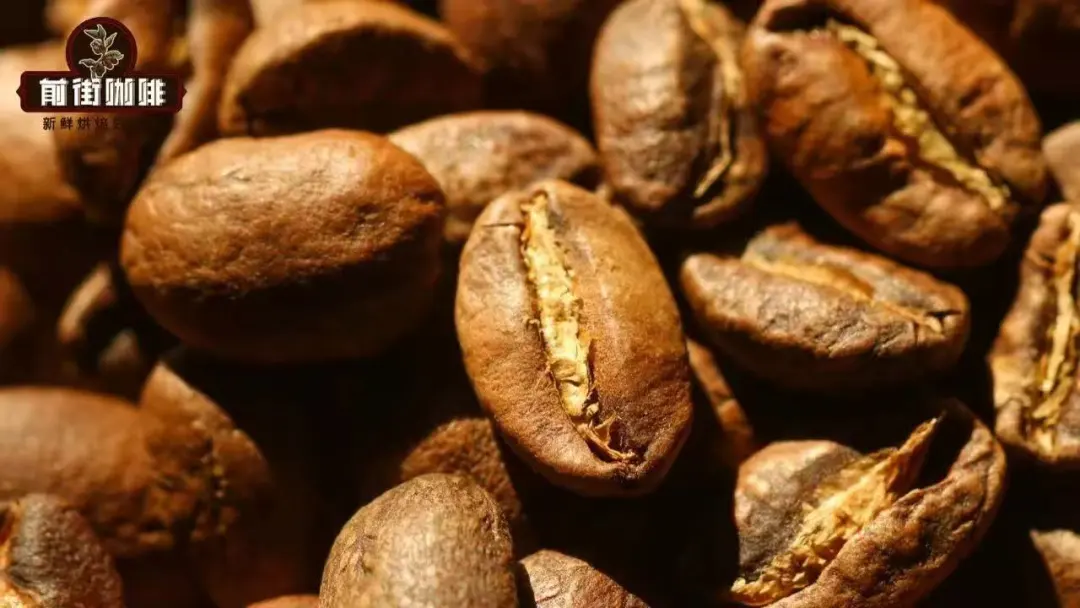
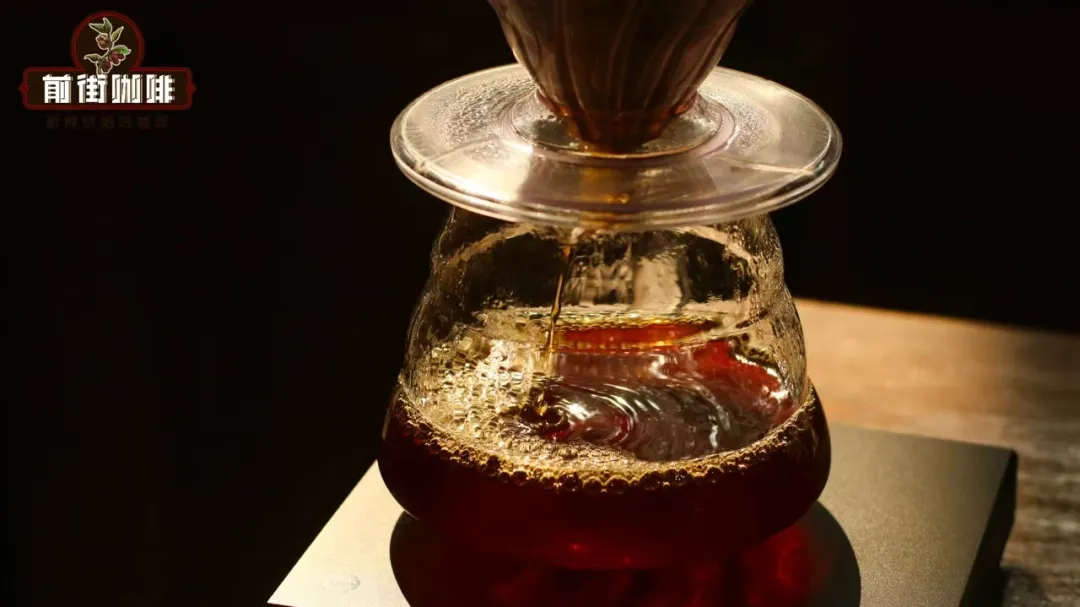
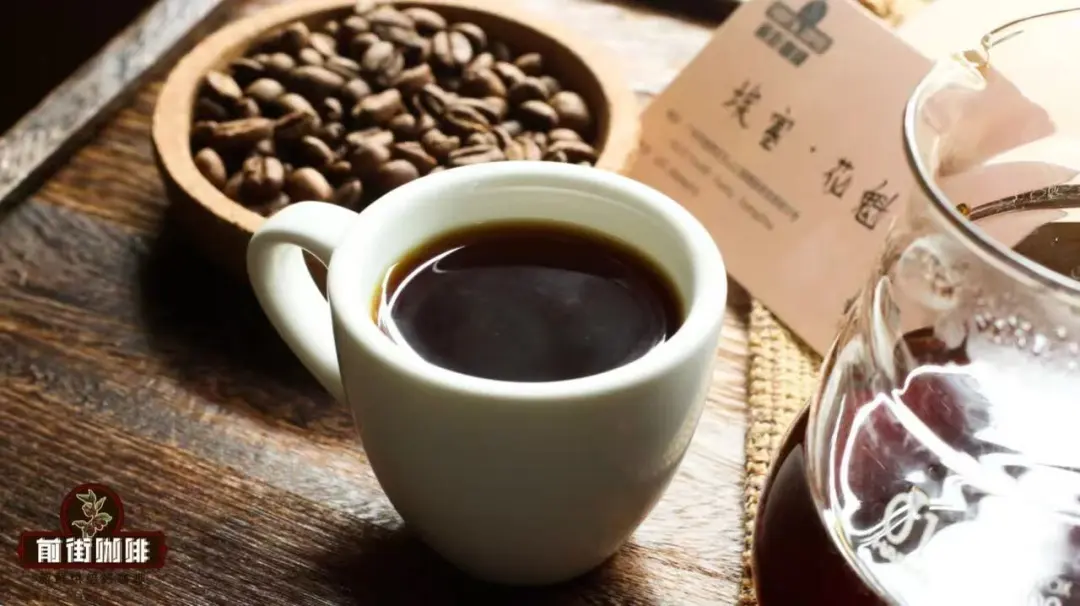
But then again, since Huakui is a commodity name, what coffee variety is it?Its variety is Heirloom. By Heirloom, we can roughly understand it as a mixed coffee variety from Ethiopia, meaning beans blended from a great many varieties.This is because most Ethiopian coffee comes from wild growth or from farmers planting in their own backyards. When the coffee cherries ripen, farmers harvest the ripe coffee from their backyards as well as from the forests and hills, then deliver it to processing stations or cooperatives for unified processing and sale. But because no process sorts these beans by variety—and it can't be done anyway—when sold, these coffees blended from countless varieties are given the name "Heirloom."In summary, we can see that Geisha is a variety name, while Huakui is a commodity name, and the two are completely different in both variety and flavor. So why does the misunderstanding arise that Huakui is Geisha or a Geisha variant?Why is Huakui mistaken for Geisha?There are two reasons. The first is the misreading of the names that Front Street mentioned earlier. The name Geisha is a transliteration of "Geisha," and it only received this Chinese translation after Geisha was later introduced to the mainland. Before that, Geisha had already been introduced to Taiwan, China's treasured island, where everyone called it by the literal translation of Geisha—"Geisha (芸妓/艺伎)."Geisha in Japan is the name of an entertainment profession, and Huakui is also the name of a similar entertainment profession there. Although the nature of the two professions differs somewhat, because they are fairly close, this led people to understand Huakui coffee and Geisha coffee as though Huakui were a variant of Geisha or the same variety.The other reason comes from that brewing competition that made Huakui famous! Because Huakui defeated a host of Geishas in the competition, many statements appeared at the time such as "Huakui beats Geisha in competition" and "Huakui is better than Geisha." Then, combined with the aforementioned misreading of the names, this gradually promoted the formation and spread of the misunderstanding. But in reality, there is not much connection between the two.The Huakui and Geisha in Front Street's bean list are both from the latest harvest season. If you have tried both, you should know that their characteristics are completely different. So next, Front Street will use the same parameters to brew and compare them, showing what characteristics each has. The parameters are as follows:Grind size: 75%~80% passing rate on a No. 20 sieveBrewing temperature: 92°CCoffee-to-water ratio: 1:15Extraction time: 2 minutesFront Street Ethiopia·Huakui:The new-season Front Street Ethiopia·Huakui has a very intense fruity character. We can clearly taste fruity aromas like guava, jackfruit, citrus, apricot, and dried fruit, with a faint floral note and a black tea finish. The overall mouthfeel is round, sweet and tart, with a long aftertaste.Front Street Panama·Boquete Geisha:Geisha, on the other hand, performs in a more balanced way, whether in taste or aroma. In terms of flavor, we can clearly taste white florals and soft citrus and berry notes, with a black tea finish. The overall mouthfeel is clean and soft, with balanced flavor, like drinking a cup of fragrant floral-fruity tea.In summary, everyone can now understand where the difference between Huakui and Geisha lies, and why Huakui is not Geisha!
The above content is compiled by CoffeeHunters, a coffee news website.