







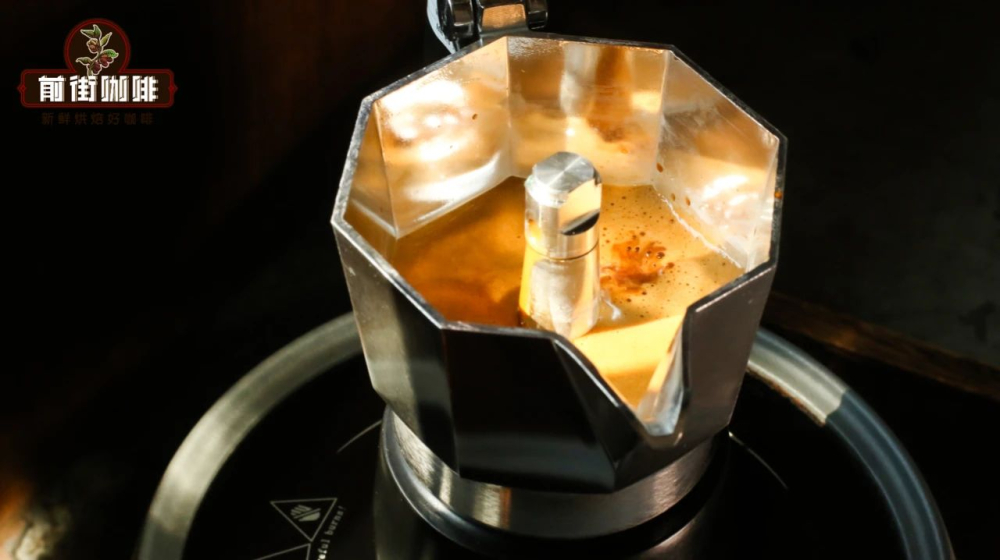
Front Street believes the moka pot is one of the most reliable ways to brew coffee. As long as the following points are met, you can make a decent cup of coffee:
1. The right amount of coffee grounds and drinking water
2. A safe heating method
3. A grind size suited to moka pot extraction
4. Mastery of the optimal brewing time
5. Reasonable adjustment of extraction strength
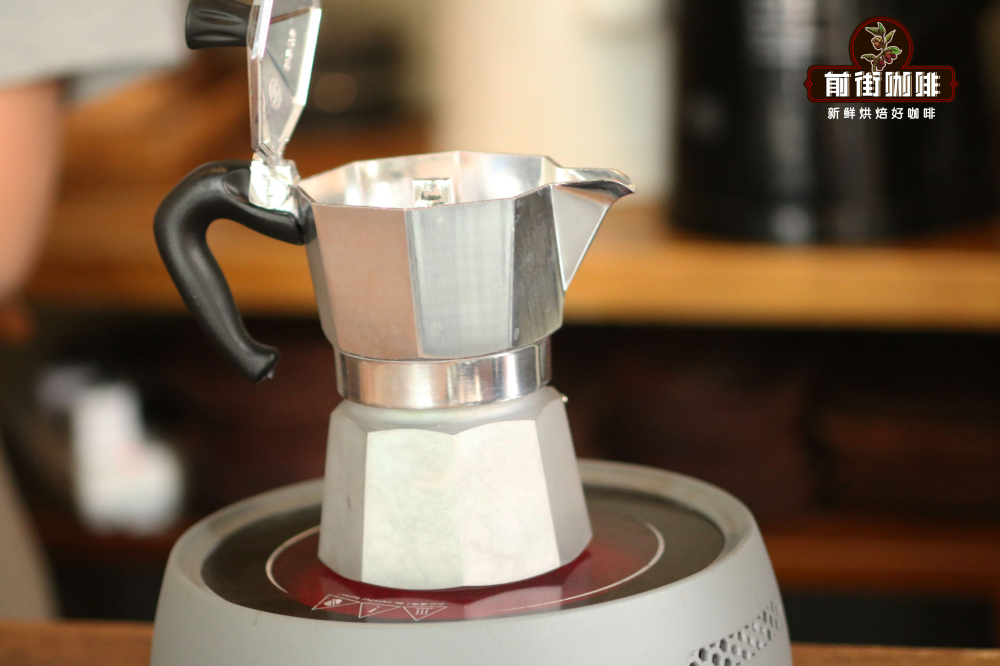
Traditional moka pots are made of aluminum alloy and can only be heated over an open flame. Nowadays, most on the market are made of stainless steel, which can be placed directly on an induction cooker to extract coffee. When buying, we can also choose moka pots in different sizes according to our needs; the most common is the compact 2–3 cup size.
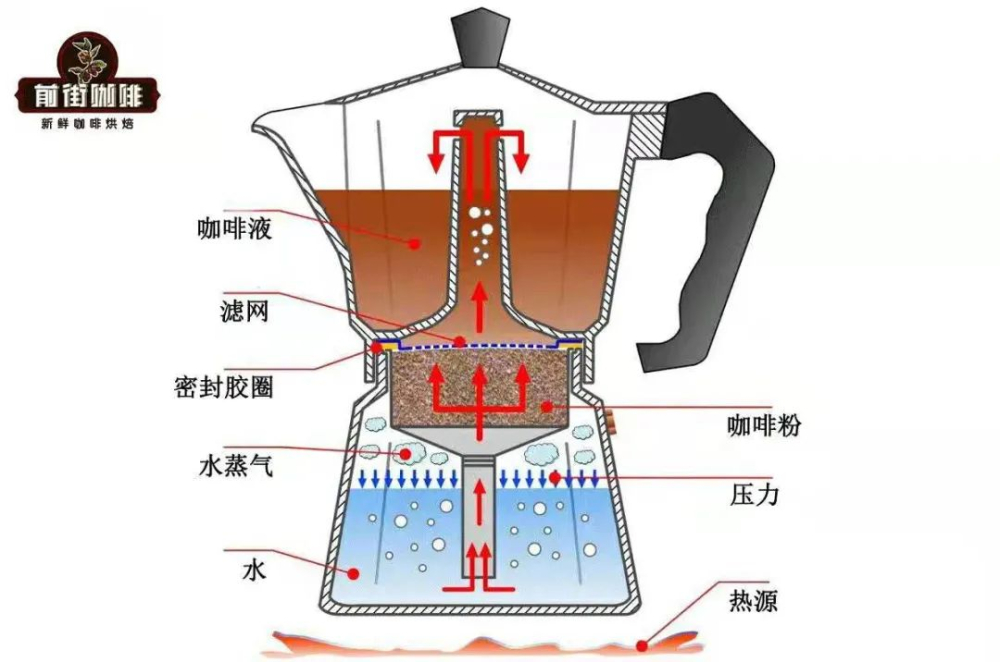
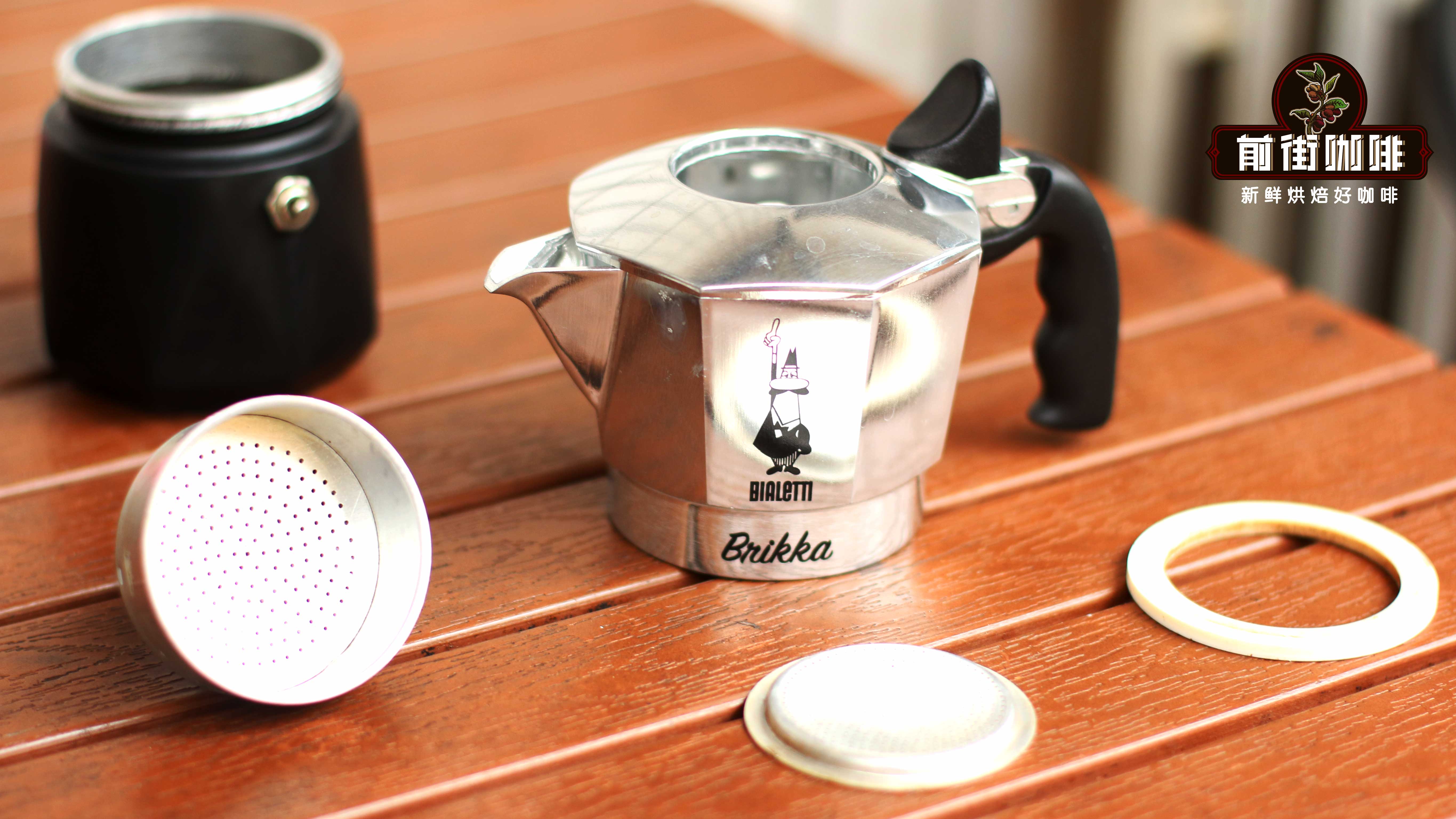
From the diagram, we can see that the moka pot is divided into upper and lower structures, mainly consisting of three parts: the upper chamber that holds the coffee liquid, the filter basket that holds the coffee grounds, and the lower chamber that holds the water. When using a moka pot to extract coffee, a heat source heats the water in the lower chamber to produce steam pressure. Once the pressure is sufficient, it pushes the hot water upward, permeating the coffee grounds to draw out soluble aromatic compounds, and continues to rise, yielding a rich, full-bodied coffee liquid. When drinking, simply add water or milk according to your preference.
Before extracting coffee, you need to prepare a bag of coffee beans at their optimal flavor period, a gas stove or induction cooker for heating, a grinder for grinding the coffee beans, water, and a heat-proof towel.
What to use to heat a moka pot: Besides a gas stove or induction cooker, we can also use an open flame, but Front Street needs to remind you that you must use low heat throughout and be careful of burns.
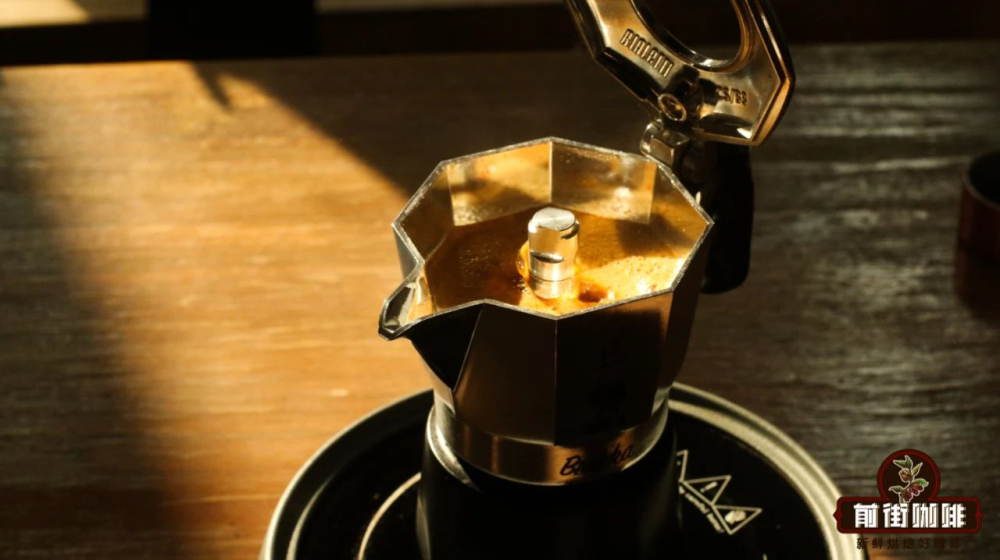
What coffee beans are suitable for a moka pot: To showcase the crema of moka pot coffee, here we use Front Street's classic espresso blend (Brazilian coffee + Indonesian Mandheling coffee + Vietnamese coffee). This coffee uses a medium-dark roast, and the extracted strong coffee has a thick body, suitable for adding milk to make a latte. The heating device is an electric ceramic stove, and the grinder is the EK43s used for store production.

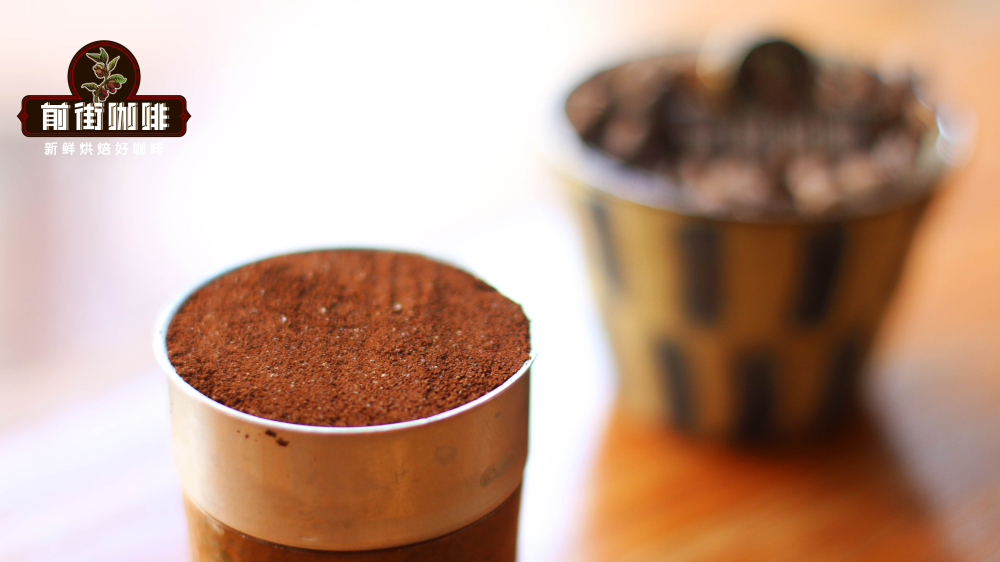
How much coffee powder to use in a moka pot at a time: It is generally recommended to fill the moka pot's filter basket full, because if you only fill it halfway, the resistance of water passing through the coffee will be reduced, making the extracted coffee taste weaker and less rich. So it's not that you must fill it full, but that coffee made without filling it full may not taste as good. After filling, simply level the surface of the coffee grounds with your finger. Note that if the coffee powder used is too fine, it's best not to tamp it, because this will increase the resistance of the filter basket and make it harder for hot water to pass through.
Extraction time for moka pot coffee: Normally, brewing coffee with a moka pot takes 3–5 minutes from the start of heating to the end. The specific time depends on the coarseness of the coffee grounds and the amount used. The coarser the grind, the faster the coffee liquid rises and the shorter the time; the more coffee powder, the longer the time needed.
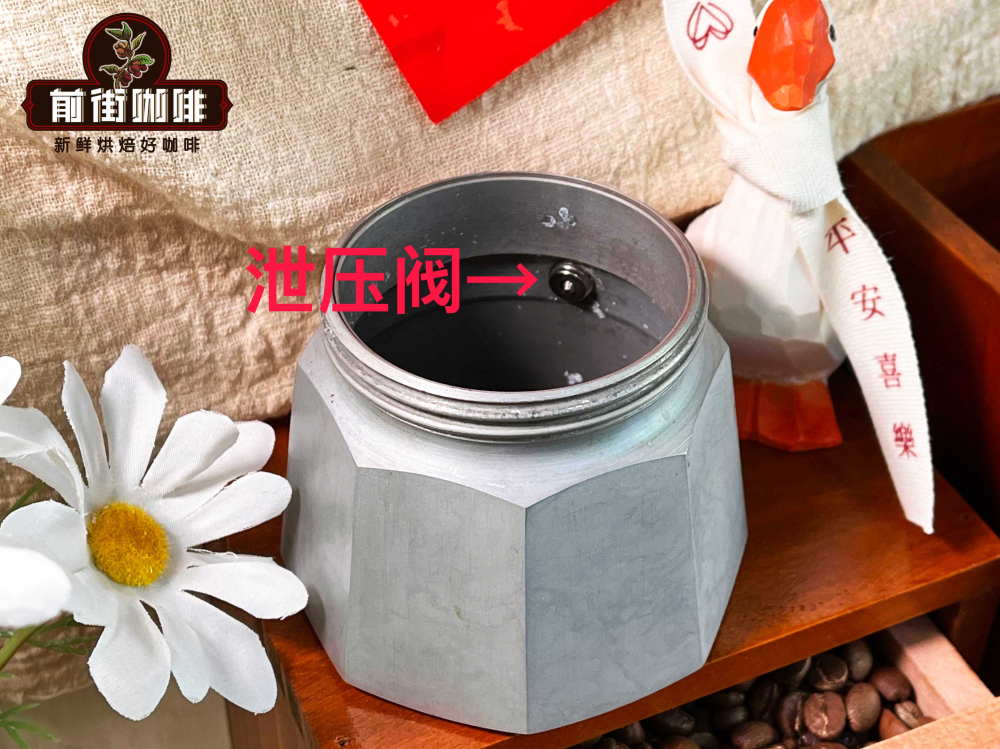
How much water to add to a moka pot: After preparing the coffee grounds, the second step is to add an appropriate amount of warm water to the lower chamber. This is because hot water can shorten the time needed to boil the water, letting us get a cup of moka pot coffee faster! Just make sure the water level does not exceed the position of the pressure relief valve. Front Street uses a double-serving single-valve moka pot, and finally injected 130ml.
Tighten the upper and lower chambers together: What to note in this step is that if you've filled it with hot water, it's best to use a wet cloth for insulation to avoid burns.
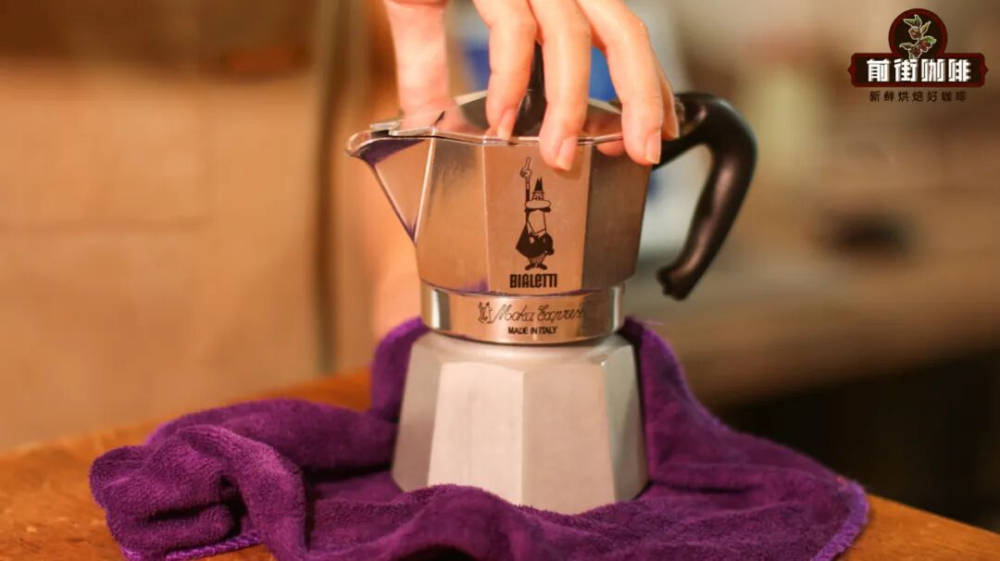
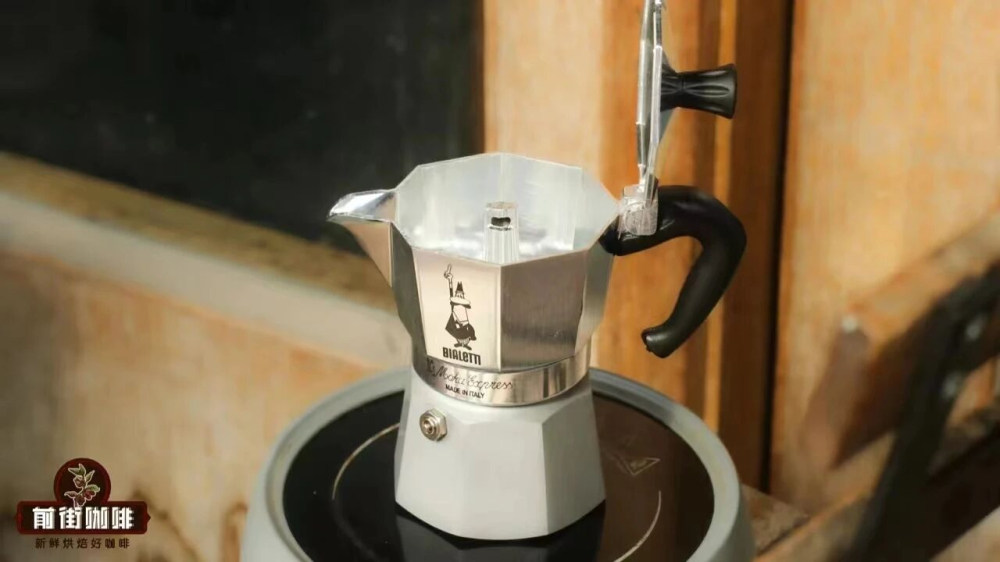
Place on the heat source and start brewing: There's not much to say about this point—just place the moka pot on a heat-conductive heat source and heat it.
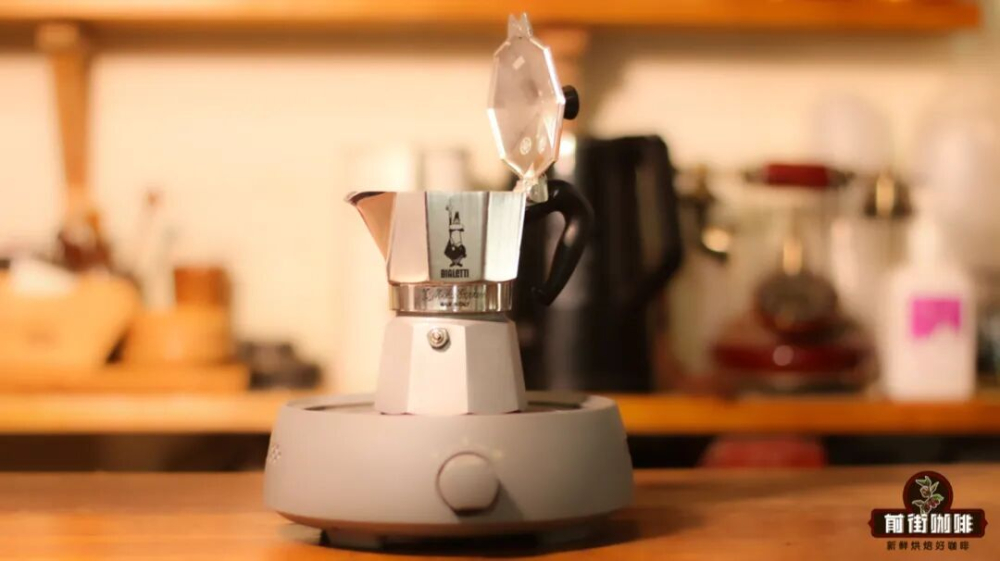
Turn to low heat and wait for the coffee liquid to seep out: When we brew until the moka pot makes a noticeable sound, it means the hot water, driven by steam, is about to overflow with the coffee substances. At this point, we need to lower the heat. Otherwise, high heat will continuously produce steam, increasing the pressure, and then the hot water will flow out faster due to excessive pressure, failing to extract enough coffee substances, ultimately making the whole cup of coffee taste bland and weak. So when the coffee liquid is about to overflow, it's best to lower the heat.
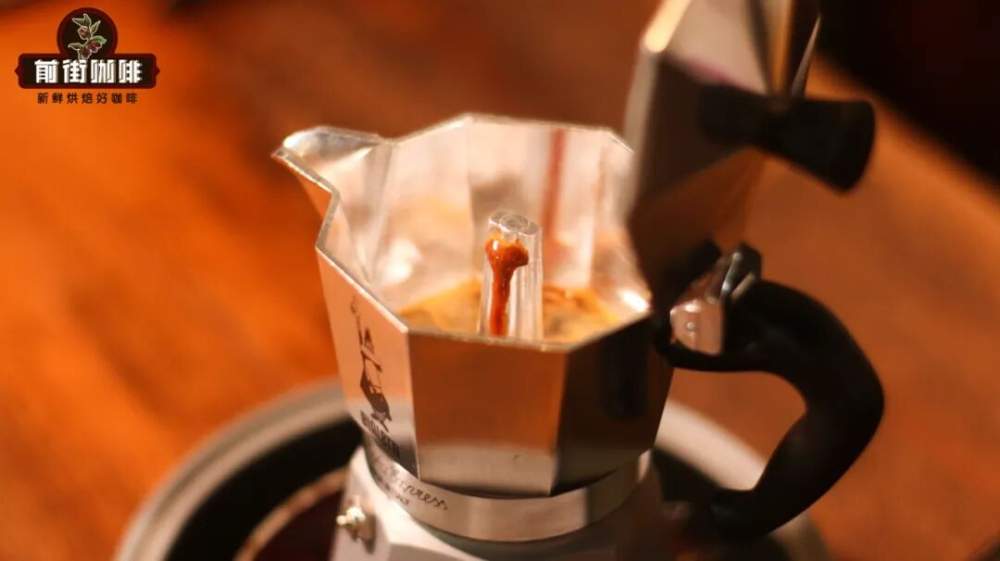
Stop heating and wait for extraction to finish: When the coffee liquid has come out halfway, we should turn off the heat source, because the residual heat inside the moka pot is already enough to "urge" out the remaining hot water.
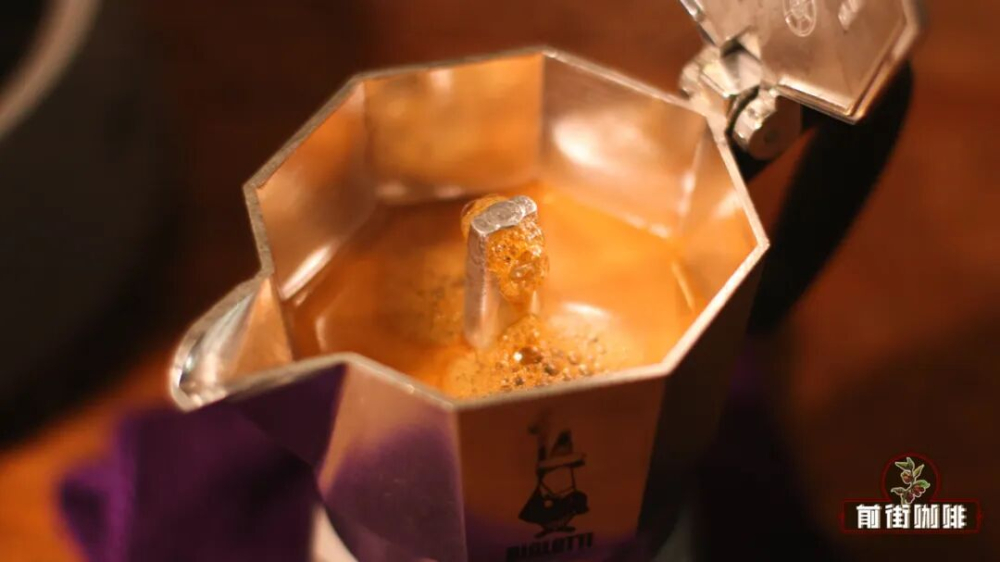
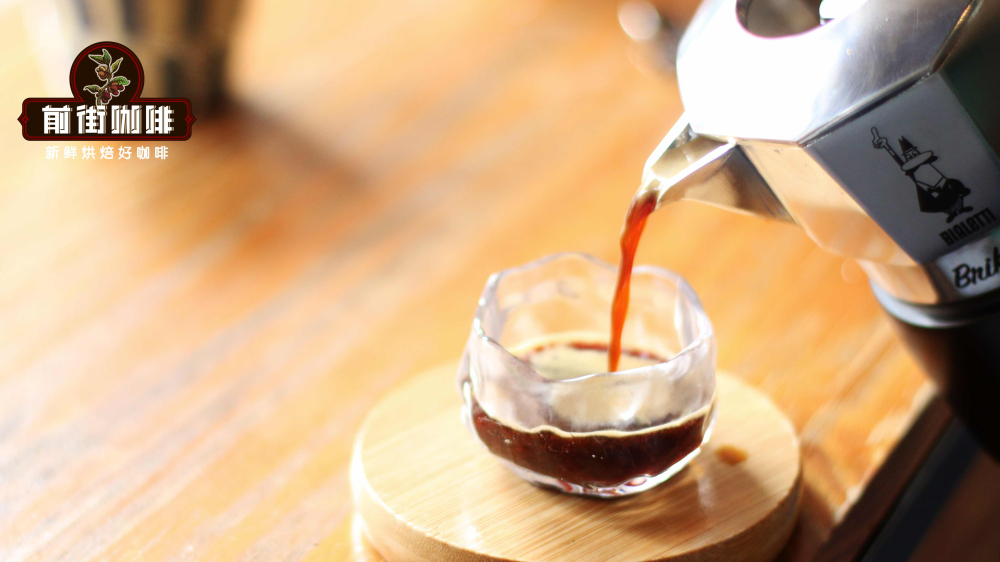
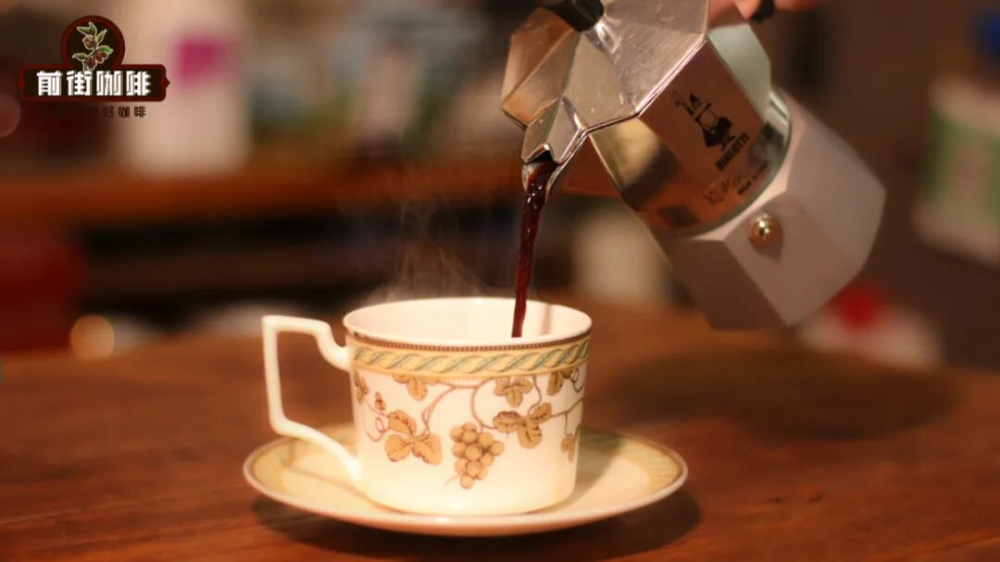
Tasting the coffee: Once the moka pot stops dispensing liquid, we can pour out the coffee liquid and taste it!
Cleaning and maintenance of the moka pot: Since moka pots are mostly made of aluminum and stainless steel, long-term use can easily cause oxidation and blackening. So Front Street recommends that after each extraction, first clean out the coffee grounds, then disassemble each part, rinse them clean with water, and finally let them dry before reassembling and storing them. This can prevent the moka pot from aging quickly and also make our extraction smoother.
Moka pot coffee too bitter or too sour: Normally, properly extracted moka pot coffee will have a relatively strong coffee aroma and balanced taste. If there is a strong bitter or sour taste, it means the coffee is over-extracted or under-extracted. If the coffee is too bitter, Front Street recommends adjusting to a coarser grind or reducing the amount of coffee powder to shorten the extraction time; if the coffee is too sour, Front Street suggests adjusting to a finer grind, or adding more coffee powder and tamping it firmly.
Water not coming up in the moka pot : If the moka pot has been brewing for a long time without any liquid coming out, and the water was filled too full when added, then we'd best stop the extraction. Because this can easily create a risk of the moka pot exploding. There are many reasons why a moka pot fails to dispense liquid: grinding too fine, too much coffee powder, tamping too firmly, etc. These operations greatly increase the resistance of the coffee puck, leaving very few and very small gaps for water to flow through, which is why even after brewing for a long time, the coffee liquid won't come out.
Moka pot coffee has no crema: If the moka pot coffee you extracted has almost no bubbles at all, then it may be that the coffee beans are roasted too light and are not suitable for moka pot extraction. In addition, a moka pot failing to produce crema may also be due to grinding too coarse, or the coffee beans being stale, or using pre-ground coffee for extraction.
For more specialty coffee knowledge, please follow: Front Street Coffee (Frontsteet Coffee)
You can now purchase Front Street Coffee single-origin coffee beans and espresso blend coffee beans at the Tmall "Front Street Flagship Store." 60 kinds of coffee beans from around the world, freshly roasted, shipped within 24H.
Tmall link: https://qianjieshipin.tmall.com
Or you can search directly on Taobao for "Front Street Flagship Store"
The above content is compiled by CoffeeHunters, a coffee news website.


