







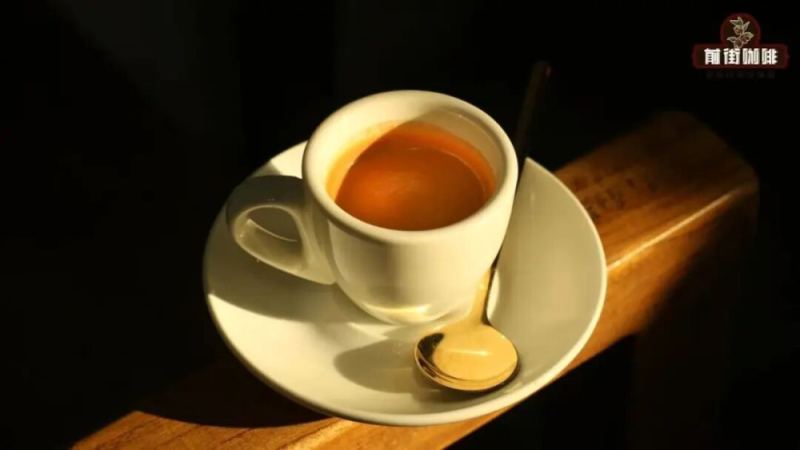
If you enjoy drinking coffee, you may come across several terms related to coffee bean classification: "blended coffee beans," "single-origin coffee beans," and "pour-over coffee beans." In this article, we will unveil the meanings behind these terms and help beginners understand how to choose suitable coffee beans for home use.
I. Blended Coffee Beans
A blend generally refers to a recipe that combines two or more different varieties of coffee beans, or beans of the same variety roasted to different degrees. Sometimes called a composite blend, it is typically used to make espresso. To extract more coffee crema, most blends use a medium-dark roast. This kind of composite coffee is by no means a simple addition—rather, through the blender's unique understanding of coffee flavors, different beans complement each other's strengths and offset their weaknesses, creating a blend with an excellent flavor profile.

1. Front Street Classic Blend: An espresso bean that combines Mandheling character, rich crema, and nutty aromas. Made from Indonesian Mandheling beans + Brazilian semi-washed beans + Vietnamese washed beans, it features nut, dark chocolate, and caramel notes.
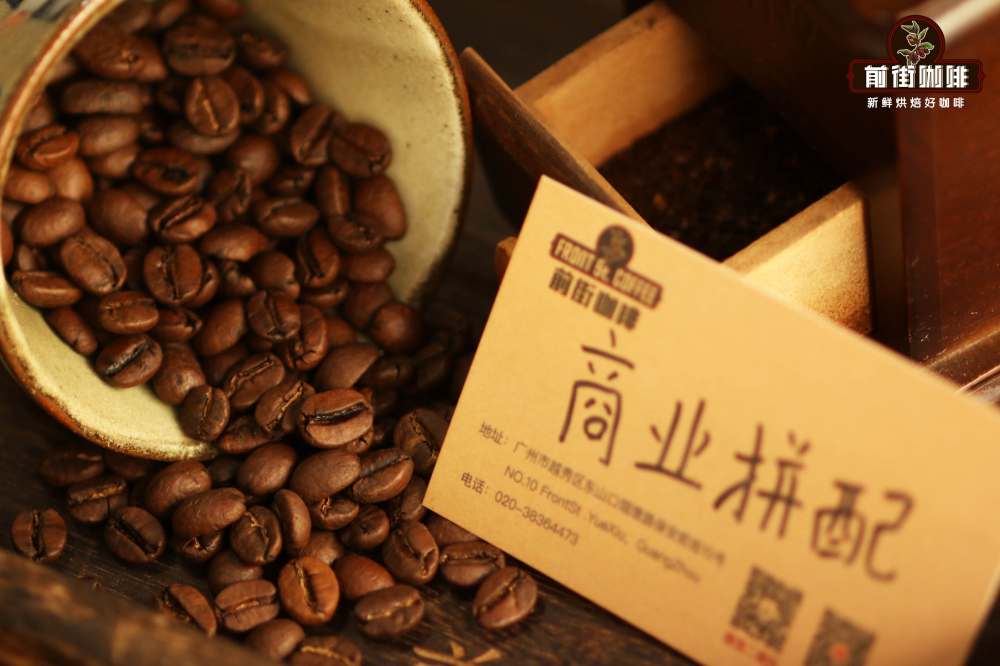
2. Front Street Commercial Blend: An espresso bean focused on body. Made from washed Robusta beans + washed Colombian beans + Brazilian semi-washed beans, it features nut, cocoa, and caramel notes with high body.
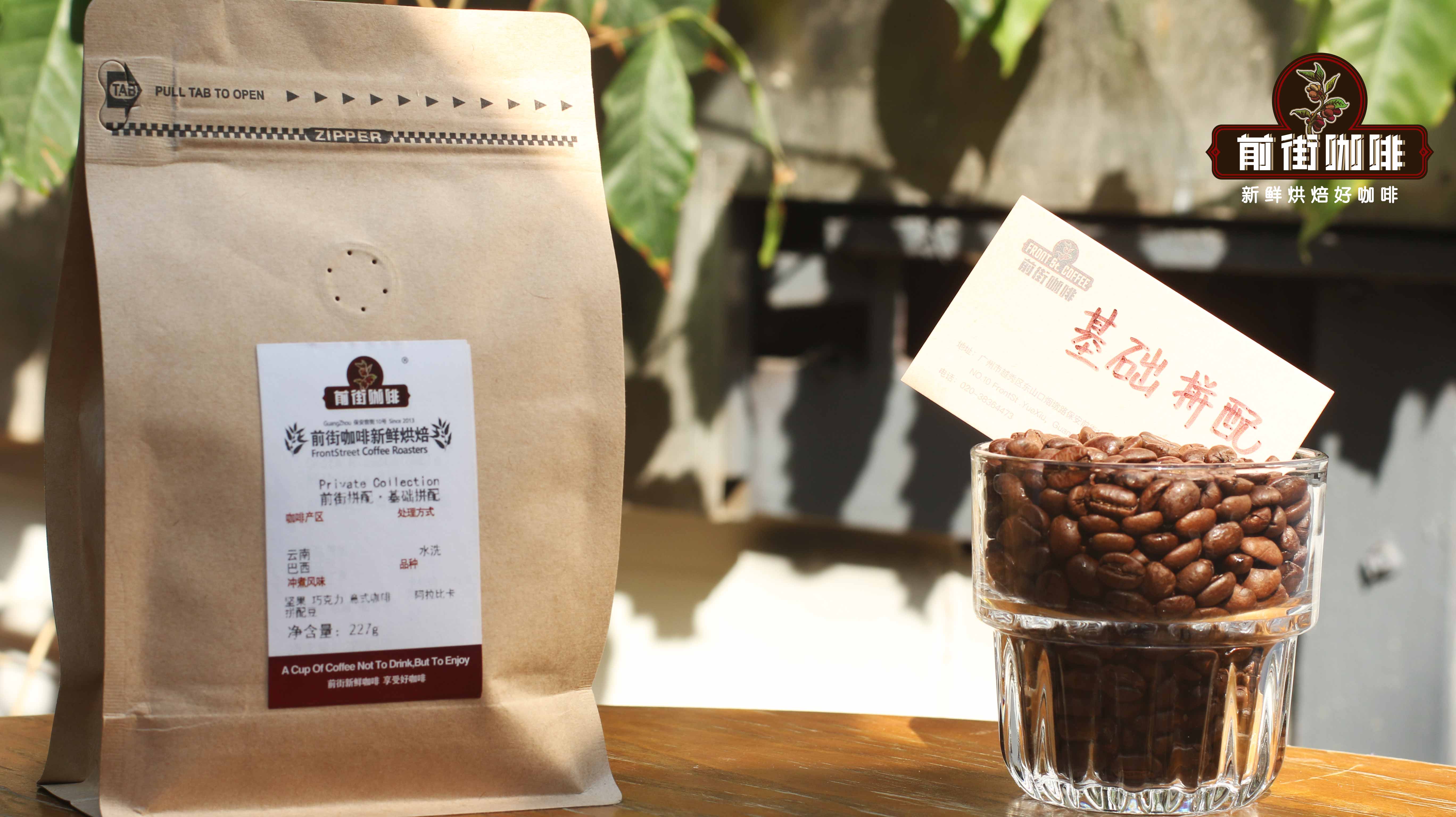
3. Front Street Dark Cocoa Blend: A slightly acidic, full-bodied espresso bean. Made from Yunnan washed small-bean coffee + Brazilian semi-washed beans, it features soft fruit acidity, caramel, and nut notes.
II. Single-Origin Coffee Beans
Compared with blended coffee beans, single-origin means coffee sourced from a single origin, emphasizing the distinctive taste of different places. It can be used for pour-over, drip bags, home coffee machines, moka pots, siphon pots, and many other brewing methods.
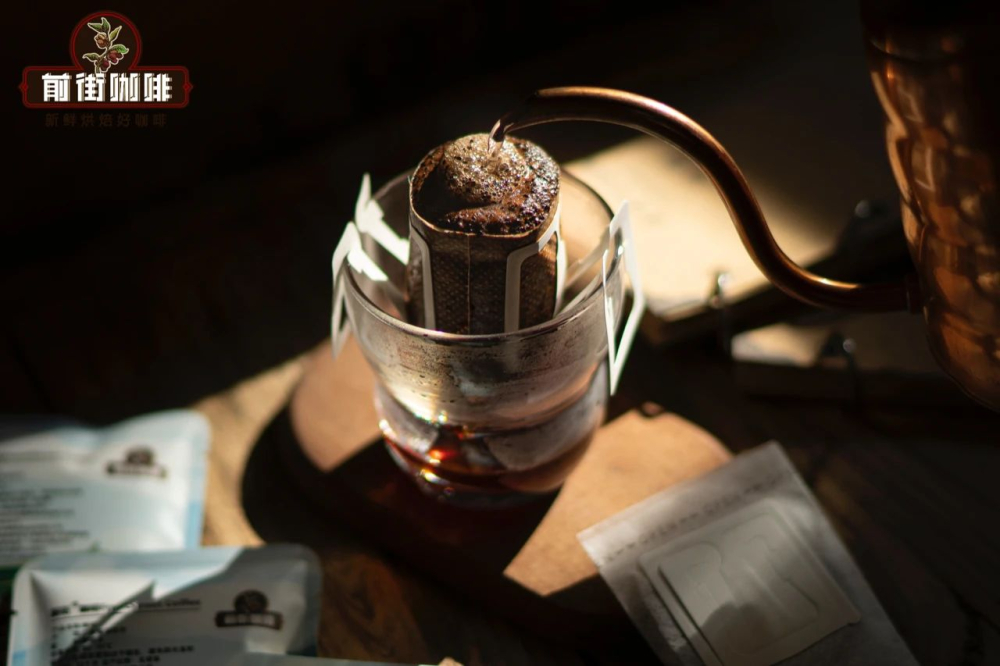
The flavor of a single-origin coffee bean is mainly influenced by three major factors: coffee-producing region, variety, and processing method. The regions are Asia, Africa, and Latin America, each with its own unique flavors. Most coffee varieties belong to Arabica, and the most common processing methods include washed, natural, and honey processing, among others. These are all key influences on coffee flavor.
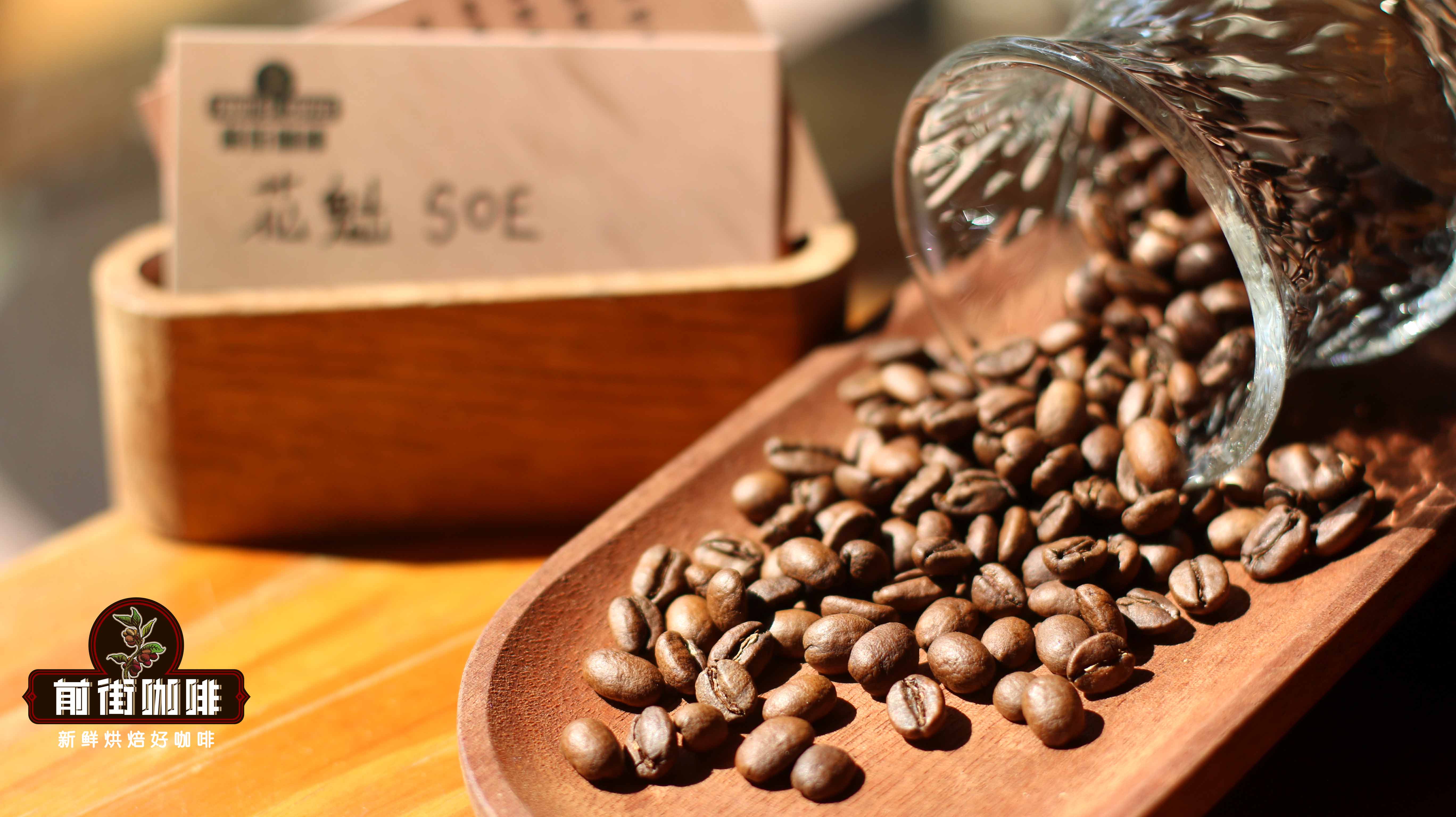
It should be emphasized that when single-origin coffee is used to extract espresso, we call it "SOE," short for "Single Origin Espresso," meaning espresso from a single origin. To makeSOE, coffee beans roasted to at least a medium level are generally used, preferably with a pronounced coffee aroma. Recommended options include Front Street Huakui SOE Coffee, Front Street Mozart SOE Coffee, Front Street Sidra SOE Coffee… all of which can easily produce a layered, aromatic, and sweet espresso.
3. Pour-Over Coffee Beans
In fact, "pour-over coffee beans" is not an independent concept—it belongs toa brewing method and can be used to brew any coffee.In other words, any variety, as long as it is used for pour-over, can be called "pour-over coffee beans." However, because pour-over is a drip extraction method, compared with an espresso machine, it better presents the coffee bean's own original flavor, so it is more suitable to choose high-quality single-origin coffee. If you want to bring out the essence of both the pour-over method and the coffee beans, then you need to put effort into your selection.
No matter which type of coffee bean you choose, "freshness" is extremely important, because once coffee beans have been stored for more than two months, all their essential aromas have most likely vanished. The moka pot coffee made from them will have almost no crema and won't taste good either. Therefore, what we need to do is make sure the coffee beans are freshly roasted, ideally within 10 days.
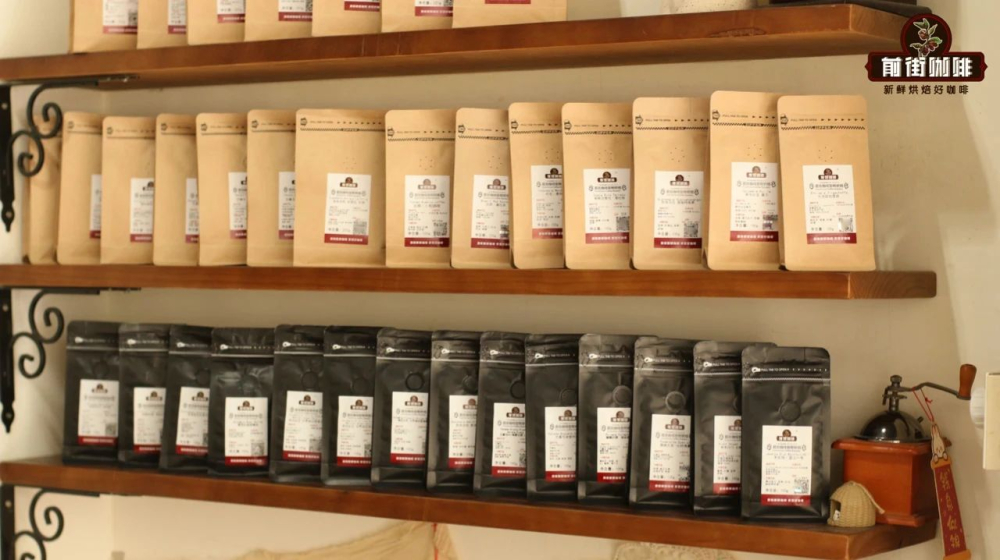
Front Street coffee beans are all freshly roasted within 5 days, with stable and excellent quality and highly cost-effective prices. They ship within 24 hours, so the beans everyone receives are still in a very fresh state, giving you a longer peak-flavor period.
If you don't know how to choose, here we have summarized the tastes and characteristics of several common coffee beans based on Front Street Coffee's popular rankings. The flavors of the coffees introduced below gradually go from refreshing to intense, and from more acidic to more bitter. With this guide, you can easily choose the flavor you want to drink.
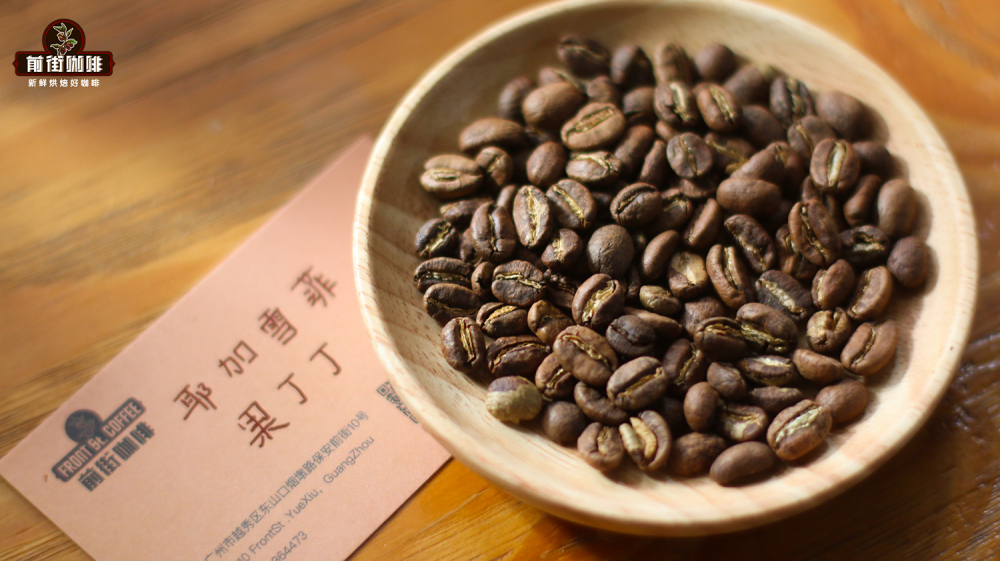
1. Front Street. Gedeb Gotiti Cooperative
Country: Ethiopia
Region: Yirgacheffe
Altitude: 1900-2300m
Variety: Local heirloom
Processing Method: Washed
Flavor: White floral, lemon, honey, berries, green tea
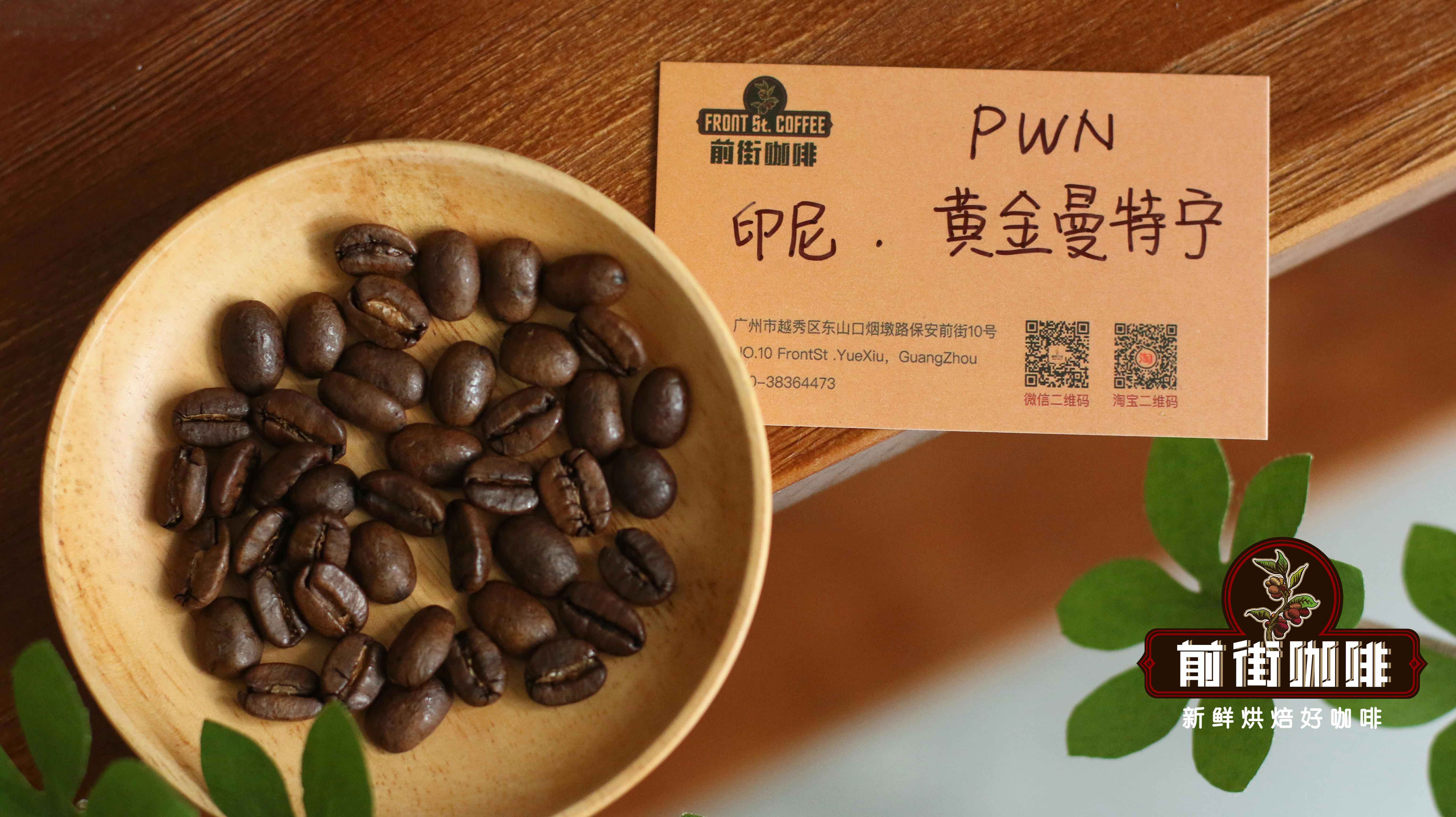
2. Front Street. PWN Golden Mandheling
Country: Indonesia
Region: Sumatra
Altitude: 1100-1600m
Variety: Typica, Caturra
Processing Method: Wet-hulled
Flavor: Baked toast, nuts, caramel, pine, herbs
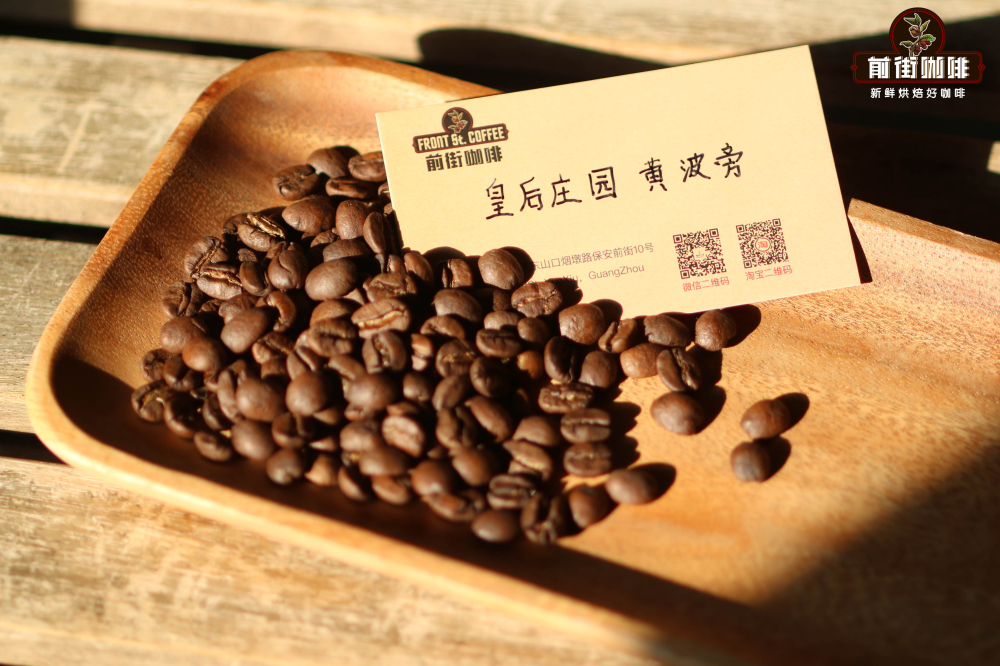
3. Front Street. Brazil Queen Estate
Country: Brazil
Region: São Paulo State (Queen Estate)
Altitude: 1400-1950m
Variety: Yellow Bourbon
Processing Method: Semi-washed / Natural
Flavor: Nuts, cream, peanut, fermented fruit, cane sugar
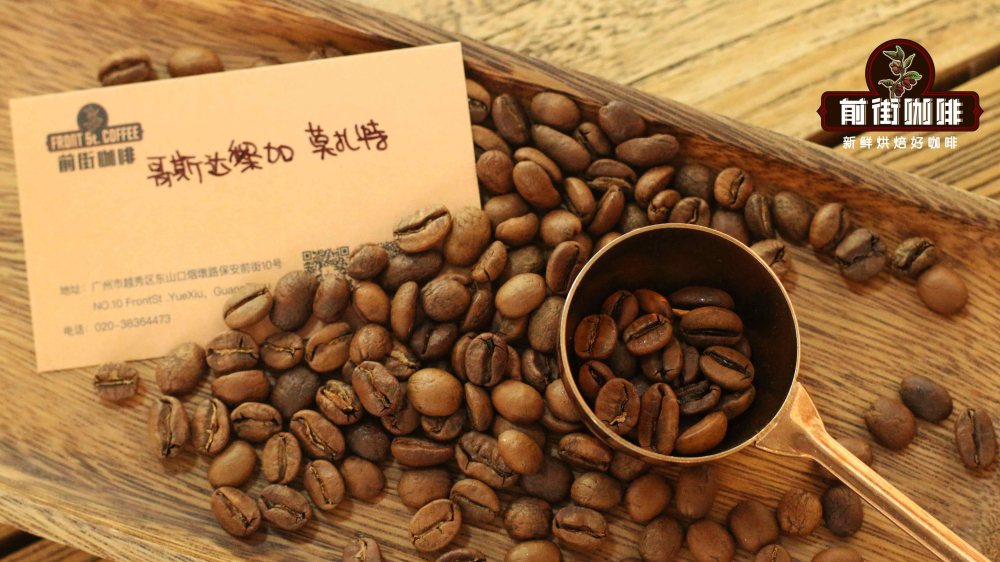
4. Front Street. Costa Rica Mozart
Country: Costa Rica
Region: Tarrazú
Altitude: 1800m
Variety: Caturra, Catuai
Processing Method: Anaerobic honey
Flavor: Raisin acidity berries floral, fermented wine aroma
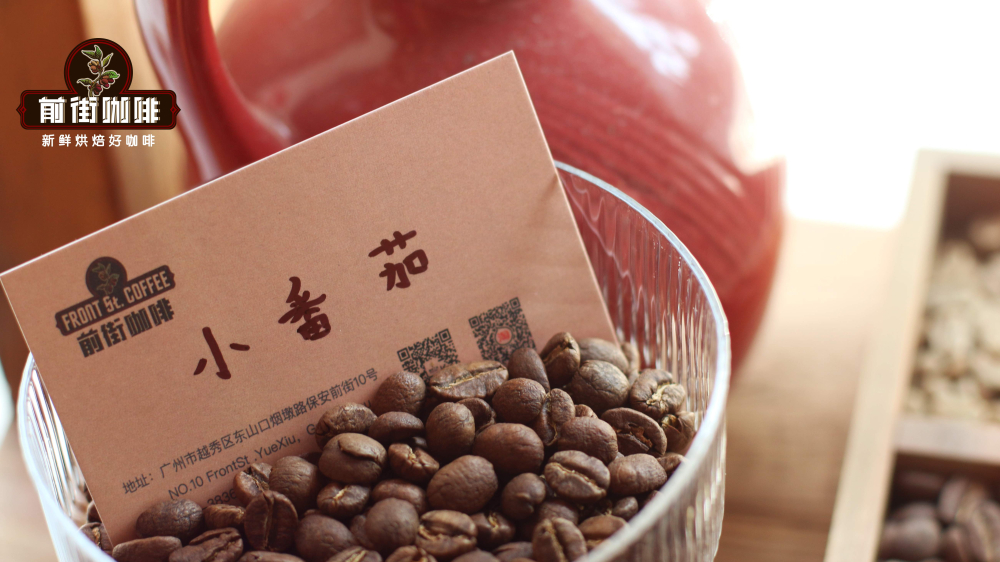
5. Front Street. Kenya Little Tomato
Country: Kenya
Region: Asali (Honey Processing Factory)
Altitude: 1550-1750m
Variety: SL28, SL34
Processing Method: 72-hour washed
Flavor: Snow pear, smoked plum, yellow sugar, cherry tomato, plum
6. Front Street. Colombia Sidra
Country: Colombia
Region: Huila
Altitude: 1700m
Variety: Sidra
Processing Method: Double anaerobic natural
Flavor: Passion fruit, grape, honey, juicy, apricot

7.Front Street. Red Cherry Konga Cooperative
Country: Ethiopia
Region: Yirgacheffe
Altitude: 1900-2300m
Variety: Local heirloom
Processing Method: Natural
Flavor: Tropical fruit, cream, honey, berries, citrus
8.Front Street. Boquete Geisha
Country: Panama
Region: Boquete
Altitude: 1800m
Variety: Geisha
Processing Method: Washed
Flavor: Jasmine floral, melon, citrus, honey, Tieguanyin tea
The above content is compiled by CoffeeHunters, a coffee news website.

