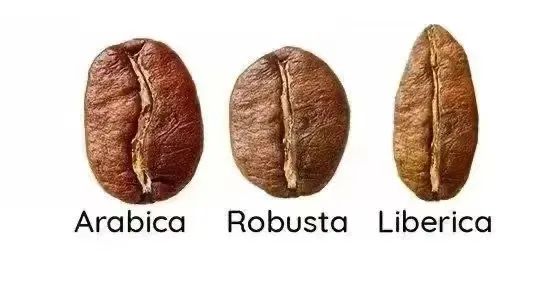
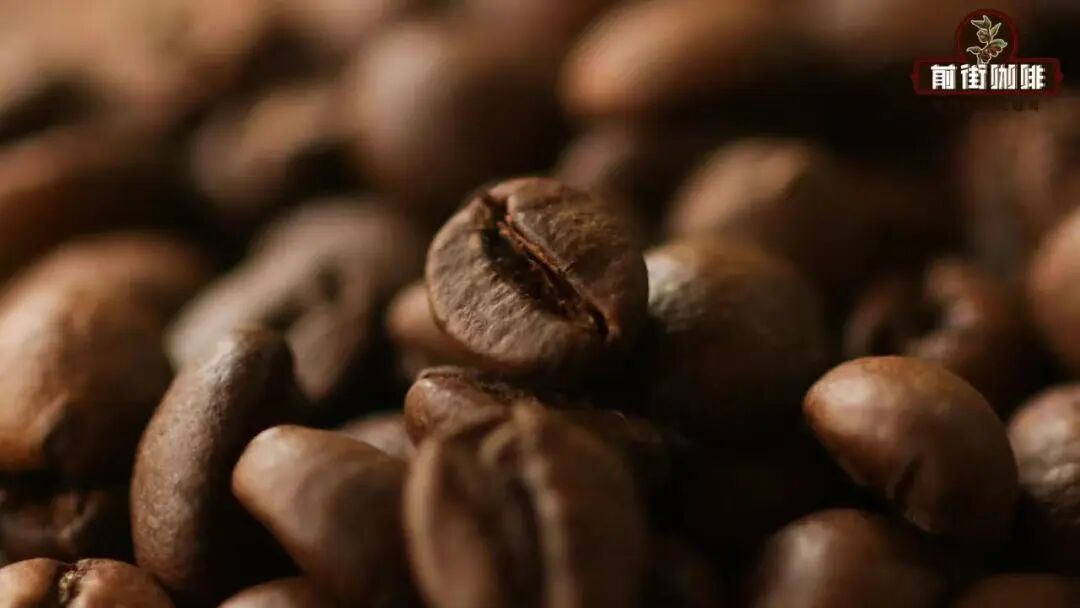
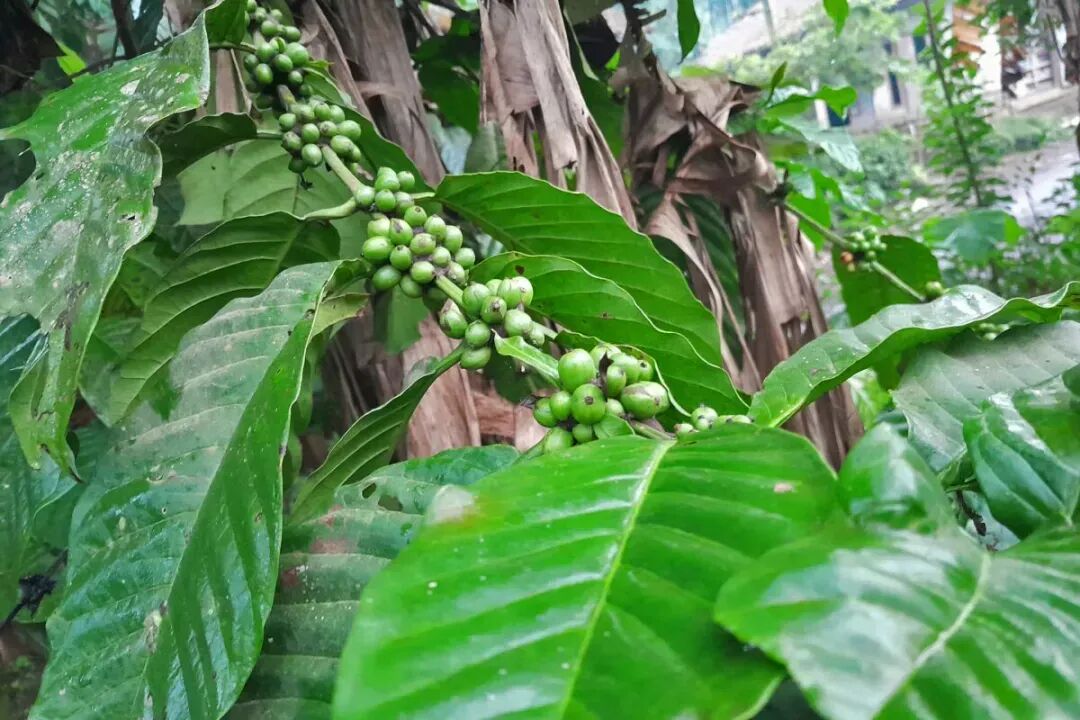
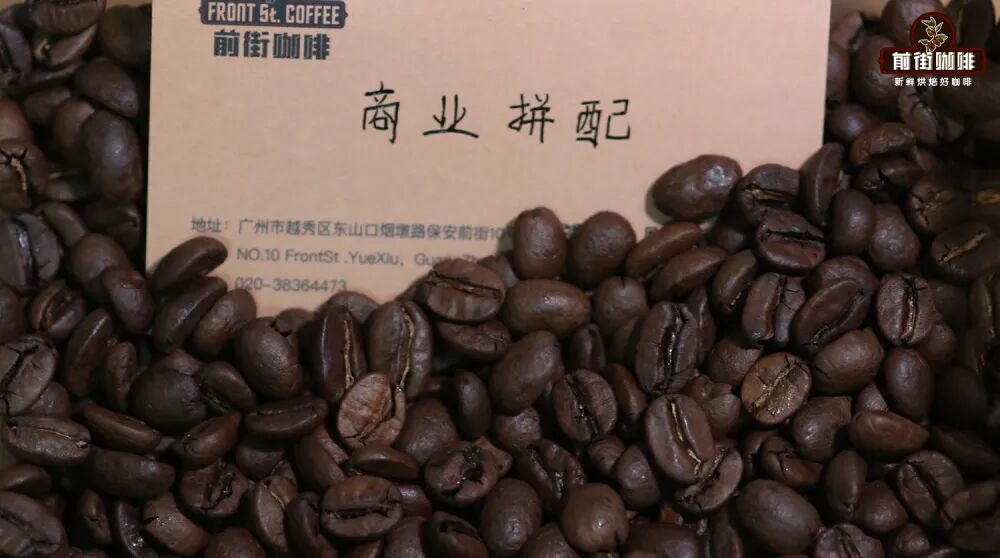
Front Street believes everyone should have heard of Arabica coffee. Most of the coffee in specialty coffee shops on the market today is Arabica beans, just like the coffee varieties at Front Street Coffee basically all belong to Arabica coffee. But today, Front Street wants to introduce Robusta coffee, one of the three major coffee varieties.Robusta coffee actually belongs toCanephora speciesas one of its varieties, but since everyone is used to calling Canephora by the name Robusta coffee, it is generally referred to as Robusta coffee to represent Canephora.Front Street believes that whether a coffee has good prospects largely depends on its flavor. If the coffee has a potato taste, then this coffee definitely has no market. Therefore, the reason why Robusta coffee is often used in commercial beans or appears as instant coffee is because Robusta coffee usually lacks the aromatic scent of Arabica beans, and instead has more characteristics of wheat, grains, etc., and sometimes even a pungent odor. This is also one of the reasons why Robusta coffee rarely appears in the specialty coffee world.On the other hand, it's not just coffee beans that contain caffeine; beverages we encounter daily, such as black tea, cocoa, and cola, also contain large amounts of caffeine. Front Street often hears customers say that drinking coffee at night keeps them awake, because caffeine stimulates the central nervous system and is addictive, which is commonly known as the refreshing effect.According to what Front Street has learned, Robusta has a higher caffeine content than Arabica varieties, but there is another point worth noting: Robusta coffee also contains a large amount ofchlorogenic acid. You may not be very familiar with chlorogenic acid, so Front Street will give a brief introduction.Chlorogenic acid is one of the sources of acidity and bitterness in coffee. Chlorogenic acid breaks down into caffeic acid and quinic acid, especially when the temperature is below 80 degrees or above 85 degrees. After chlorogenic acid decomposes, quinic acid immediately breaks down to produce obvious bitterness, while caffeic acid breaks down to produce obvious acidity. The combination of acidity and bitterness forms the acidic and bitter mouthfeel of Robusta coffee and the flavor of aged coffee.Compared with Robusta coffee, Arabica coffee contains half the amount of caffeine, chlorogenic acid, and other substances that Robusta coffee does. This is also one of the reasons why Arabica coffee has a better flavor than Robusta coffee. What Front Street has said is only a small part of the reasons affecting Robusta coffee's flavor. The growing environment, roasting degree, and so on will also affect the substance content in coffee, which Front Street will not discuss in detail here.Many friends immediately think of Robusta beans as "something bad." Front Street believes that the emergence of Robusta coffee also has its own value. For example, in Italian espresso blends, Robusta coffee holds an unshakable position.In Italy, some regions pursue coffee with a darker roast and a thicker mouthfeel. They add a small amount of Robusta coffee to their blend to enhance the coffee'sbody, creating an Espresso with richer crema. After Espresso blends with cream, it presents a rich and full mouthfeel. In milk coffee, Robusta and Arabica coffee beans complement each other, becoming richer and more fragrant. Front Street believes thatRobusta coffee beansfill in the body that Arabica lacks, while Arabica coffee enhances the aroma in Robusta coffee beans. The formula formed by combining the two types of coffee beans is elevated into an art. However, it should be noted that too much Robusta should not be added, otherwise it easily overpowers the flavor. In addition, Robusta has also made a certain contribution to the research of new coffee varieties. Arabica coffee has a very rich aroma, and its mouthfeel is also somewhat more delicate than Robusta. But Front Street has found that Robusta's drought tolerance, disease resistance, and yield are stronger than Arabica's. Therefore, some researchers hybridize Robusta and Arabica and select the best genes to cultivate a new variety that has both high-quality flavor and strong disease resistance with high yield. So, although Robusta cannot compete with Arabica in terms of flavor, it still has its value. As the saying goes, whatever exists is reasonable. Front Street believes that the value of Robusta coffee still has great potential to be explored.
 The above content is compiled by CoffeeHunters, a coffee news website.