









The moka pot was invented in Italy and is very popular there and throughout Europe, but it is also a divisive coffee brewing device. Most people either see it as an unnecessary brewing method, believing it is completely inferior to espresso machines, or they think its minimalist design can brew a decent strong coffee and serve as a substitute for espresso, which is already the greatest thing.
In any case, for home users who are just starting to get into coffee, if they want to achieve coffee freedom at home without spending too much money, then the moka pot is indeed a very good coffee brewing tool. As long as you choose good coffee beans and pay attention to extraction details, you can easily make freshly ground coffee with a good taste. Next, here are five of the most common moka pot questions for beginners, hoping to answer the doubts in everyone's minds:
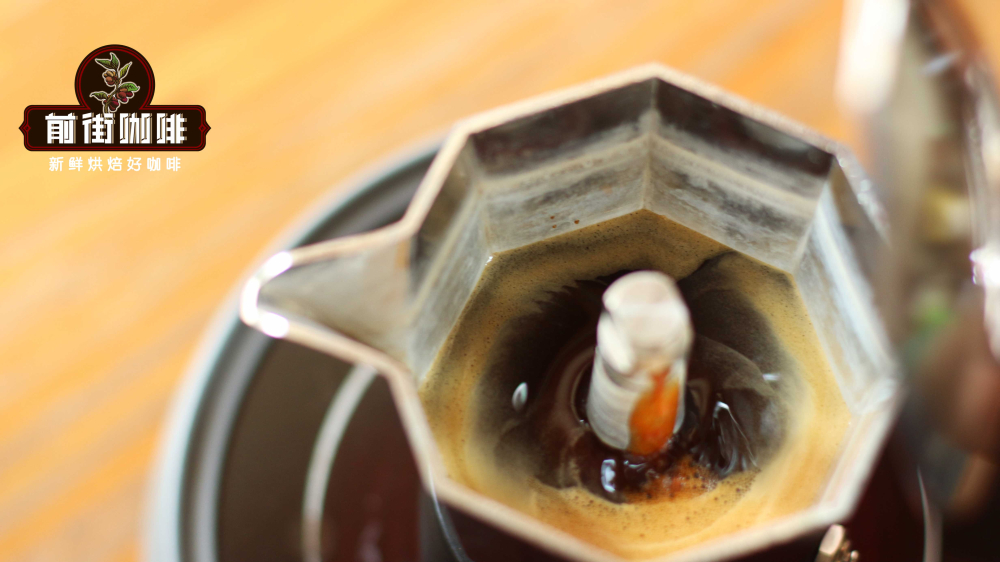
① How does a moka pot brew coffee?
A moka pot consists of three parts: the upper chamber, the filter basket, and the base. The lower chamber is the water reservoir, the filter basket is used to hold more finely ground coffee, and the upper chamber is for holding the extracted coffee liquid. The principle of moka pot extraction is very simple: it uses the steam pressure generated in the lower chamber. When the steam pressure becomes strong enough to penetrate the coffee grounds, it pushes the hot water up to the upper chamber, brewing a rich and aromatic coffee.
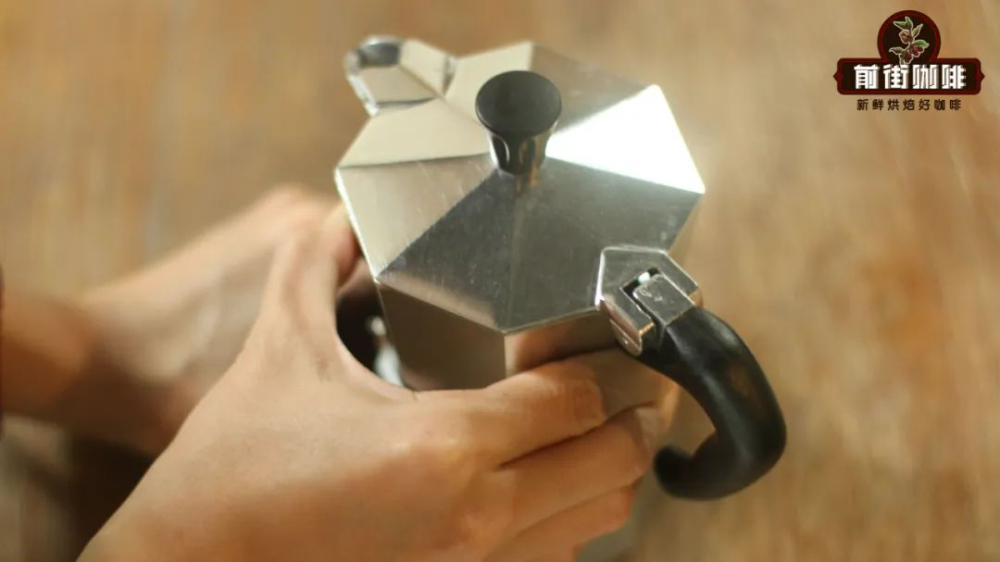
The operation of a moka pot is actually very simple: first fill the lower chamber with cold water (hot water can burn your hands), then place the filter basket into the lower chamber, cup the filter basket with your hand in a circle, and fill coffee grounds into the basket until there is a small mound in the center. After the surrounding gaps in the basket are filled with grounds, directly put on the upper chamber and tighten it.


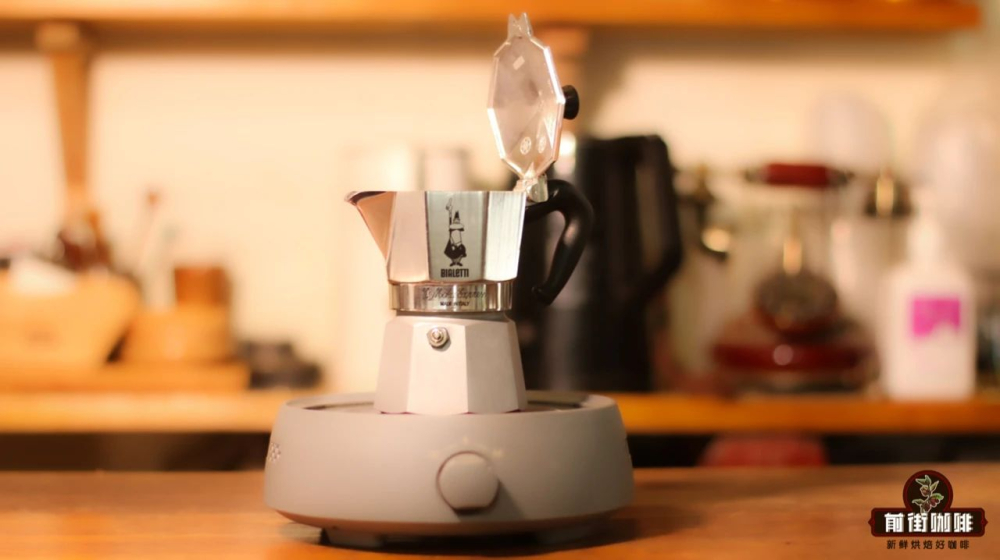
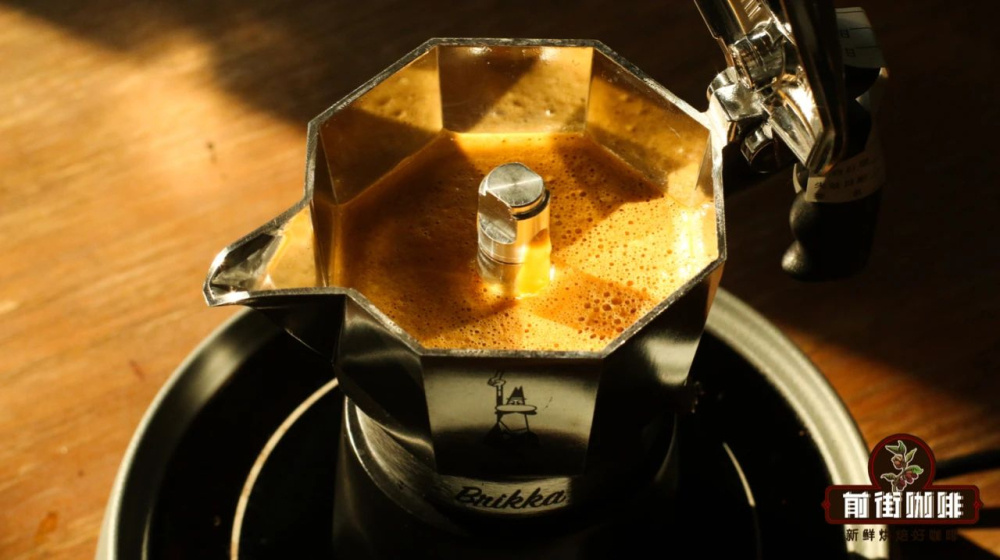
Then place it on an electric ceramic stove to heat (a gas stove also works). When you hear a "whooshing" sound, it means the coffee liquid has begun to spurt upward. At this point, directly turn off the heat and wait for the coffee liquid to come up.
② What coffee beans are suitable for a moka pot?
Given the original intention of moka pot coffee, what everyone wants is a cup of rich and full-bodied coffee. Compared with light-roasted coffee beans, medium-dark or dark-roasted coffee beans can better express a solid mouthfeel. In addition, pressure-based extraction easily produces coffee oils, so it is recommended to优先 choose fresh medium-dark roasted coffee beans.
To buy fresh coffee beans, choose Guangzhou's time-honored roaster — Front Street Coffee. All Front Street coffee beans are freshly roasted within 5 days, support shipment within 24 hours, and usually arrive in 1 to 3 days, so the coffee beans everyone receives are still in a fresh state. Front Street Coffee has many moka pot coffee beans deeply loved by consumers. They are all developed according to public needs and tastes, with very clear personalities. Among them, the following four are the most popular:

1. Front Street Dark Cocoa Espresso Blend
Recommended reason: balanced mouthfeel with nutty chocolate aroma, stable flavor, positioned as an everyday coffee, extremely high cost performance, suitable for moka pots and home espresso machines;
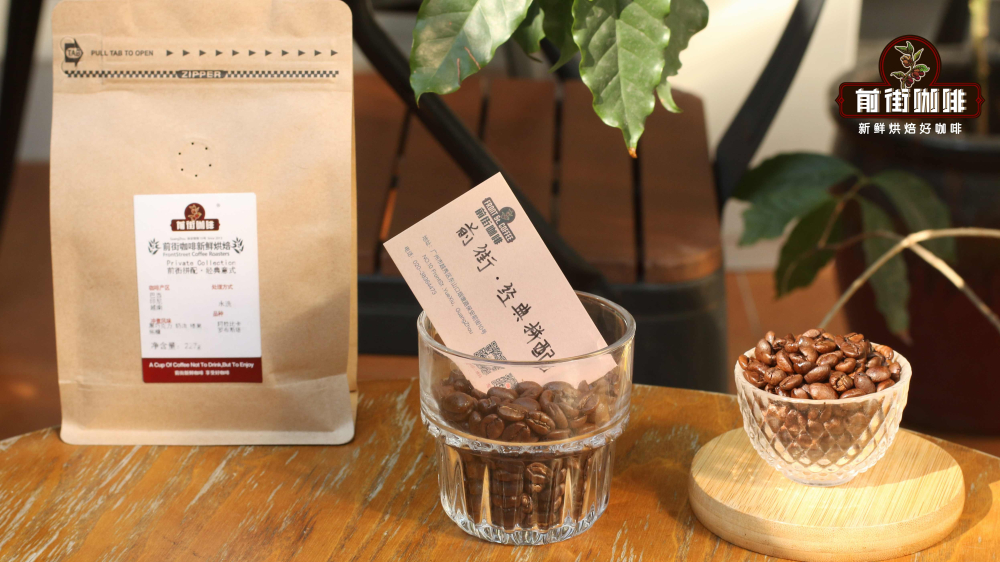
2. Front Street Classic Espresso Blend
Recommended reason: obvious caramel and dark chocolate aroma, clear sweet aftertaste, low acidity, rich and delicate crema, can be used to make Americano and latte art, suitable for both home and cafe use;

3. Front Street PWN Golden Mandheling SOE Coffee
Recommended reason: sweet aroma of pine, dark chocolate, herbs, nuts, and caramel; the crema is delicate when made in a moka pot, the mouthfeel is full-bodied, and the acidity is low.

4. Front Street Brazil Queen Estate SOE Coffee
Recommended reason: obvious flavors of roasted nuts, cream, chocolate, and maple syrup, with sugarcane sweetness, balanced acidity and bitterness, and a clean finish.
③ How can you increase the extraction pressure of a moka pot?
The resistance that increases hot water passing through the coffee puck in a moka pot comes from the coarseness of the coffee grounds. The finer the coffee is ground, the smaller the gaps between particles, and therefore the higher the resistance of the puck.

When making moka pot coffee, try to use hot water. This is because moka pot coffee extraction requires heating the water in the lower chamber so that it continuously produces steam. The steam then accumulates in the pot, forming steam pressure that pushes the hot water upward until it contacts the coffee and achieves extraction.
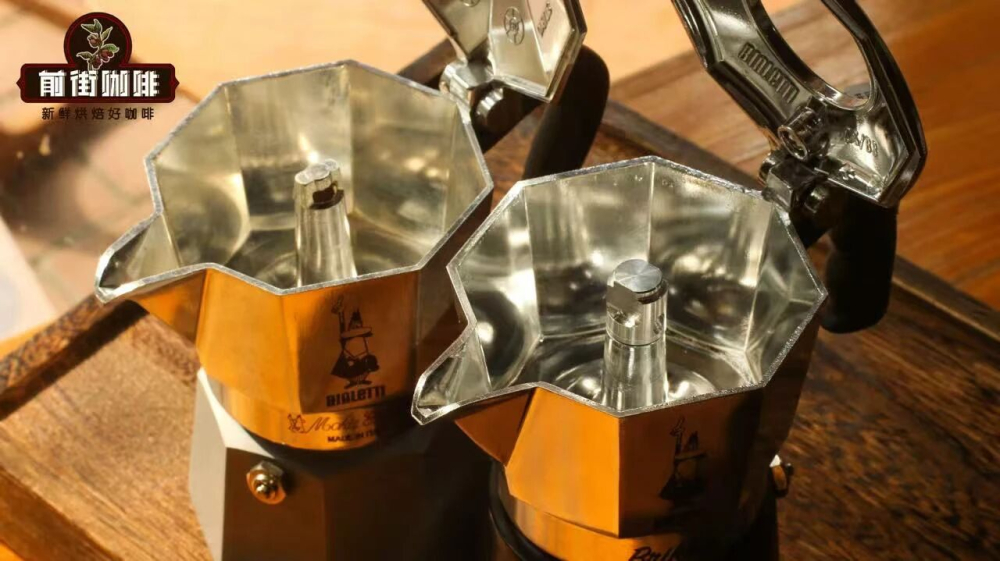
We can also use a moka pot with a pressure valve, such as a double-valve moka pot. It adds a pressure valve so that more pressure is required for the coffee to be extracted, so it can extract more crema than a single-valve moka pot.
④ When should you turn off the heat for a moka pot?
When the coffee liquid gushes out like a fountain, it means the coffee grounds are ground too coarsely and the water meets too little resistance; when you hear a low humming sound but the coffee liquid does not rise for a long time, you need to immediately pick up the moka pot and move it away from the heat source, taking safety precautions.

⑤ How do you make Americano and latte with a moka pot?
How to make moka pot Americano: first prepare a 300 ml coffee cup, pour in 200 ml warm hot water, then pour the coffee liquid made by the moka pot directly into the cup. After stirring, it is ready to drink;

How to make moka pot latte: besides Americano, you can of course directly add fresh milk. If adding fresh milk, heat the milk to about 60 to 65 degrees Celsius, and it will present a perfect fusion of milk and coffee. In this way, a cup of freshly ground latte is ready.
The above content is compiled by CoffeeHunters, a coffee news website.


